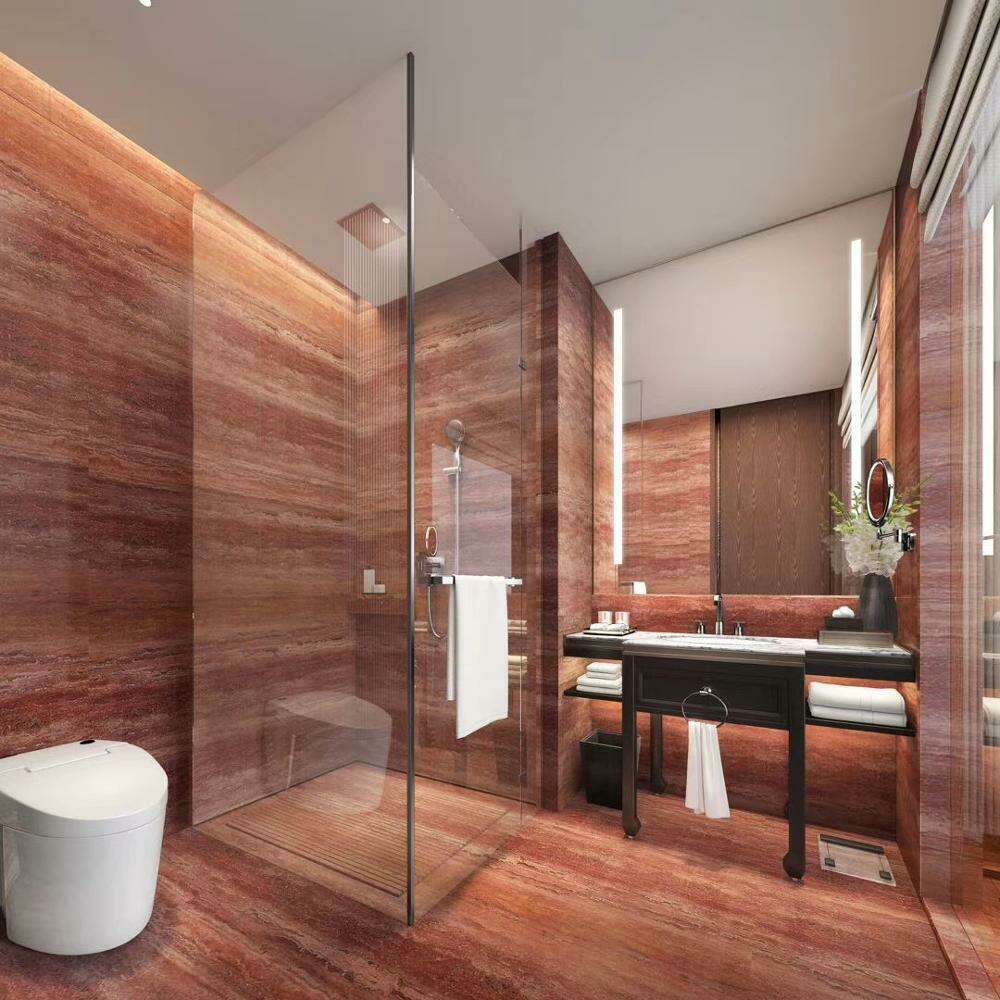
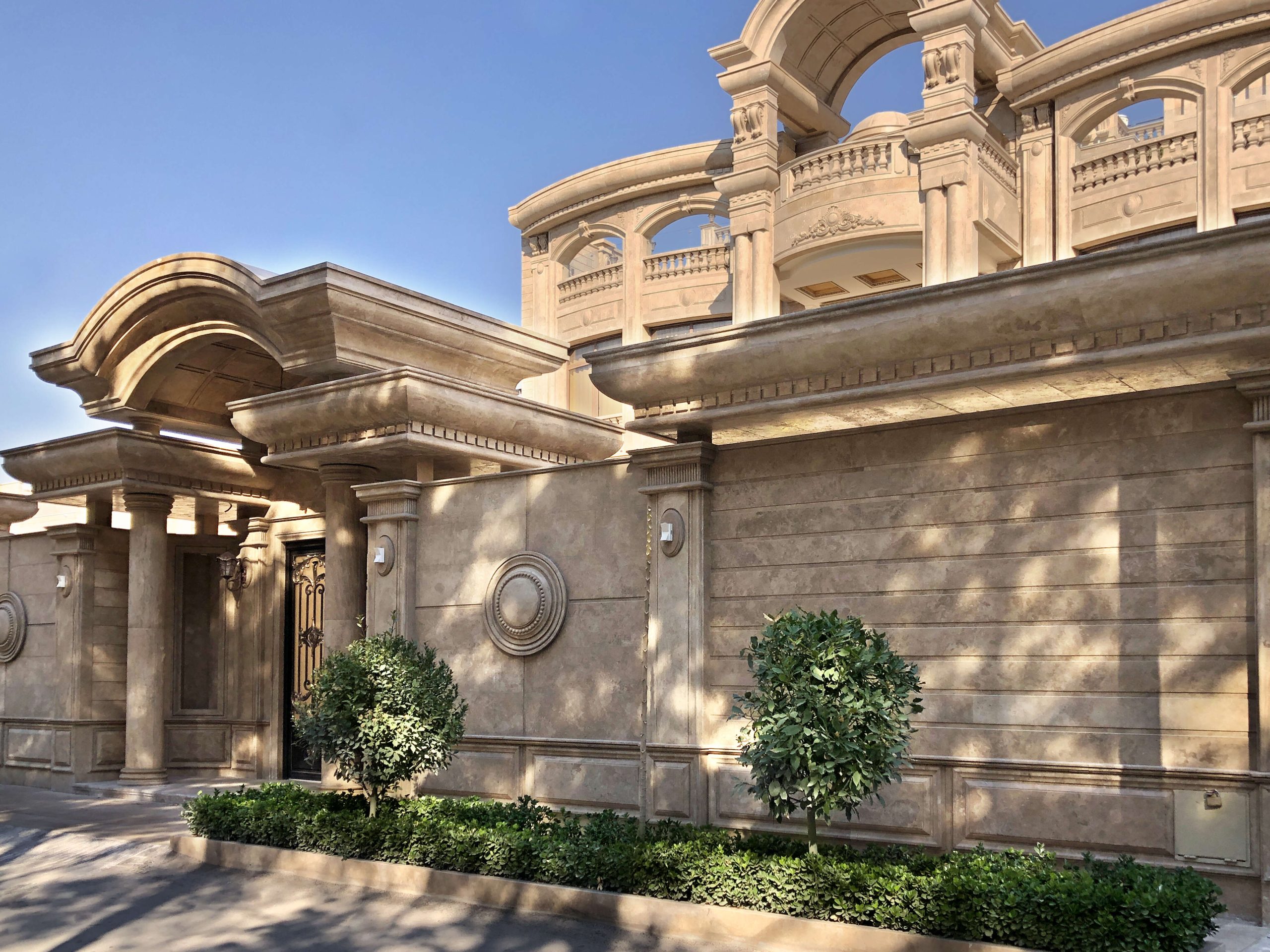
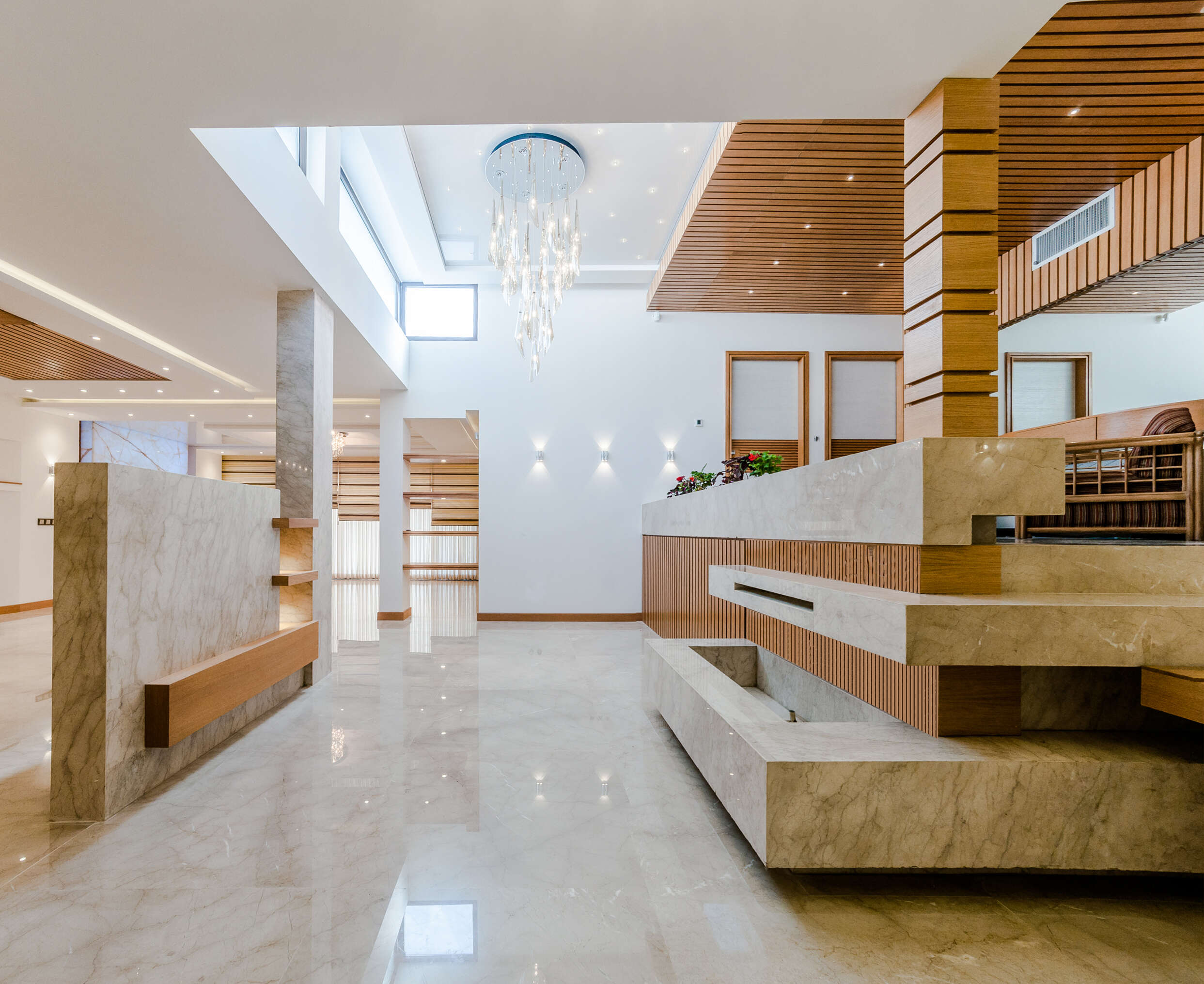
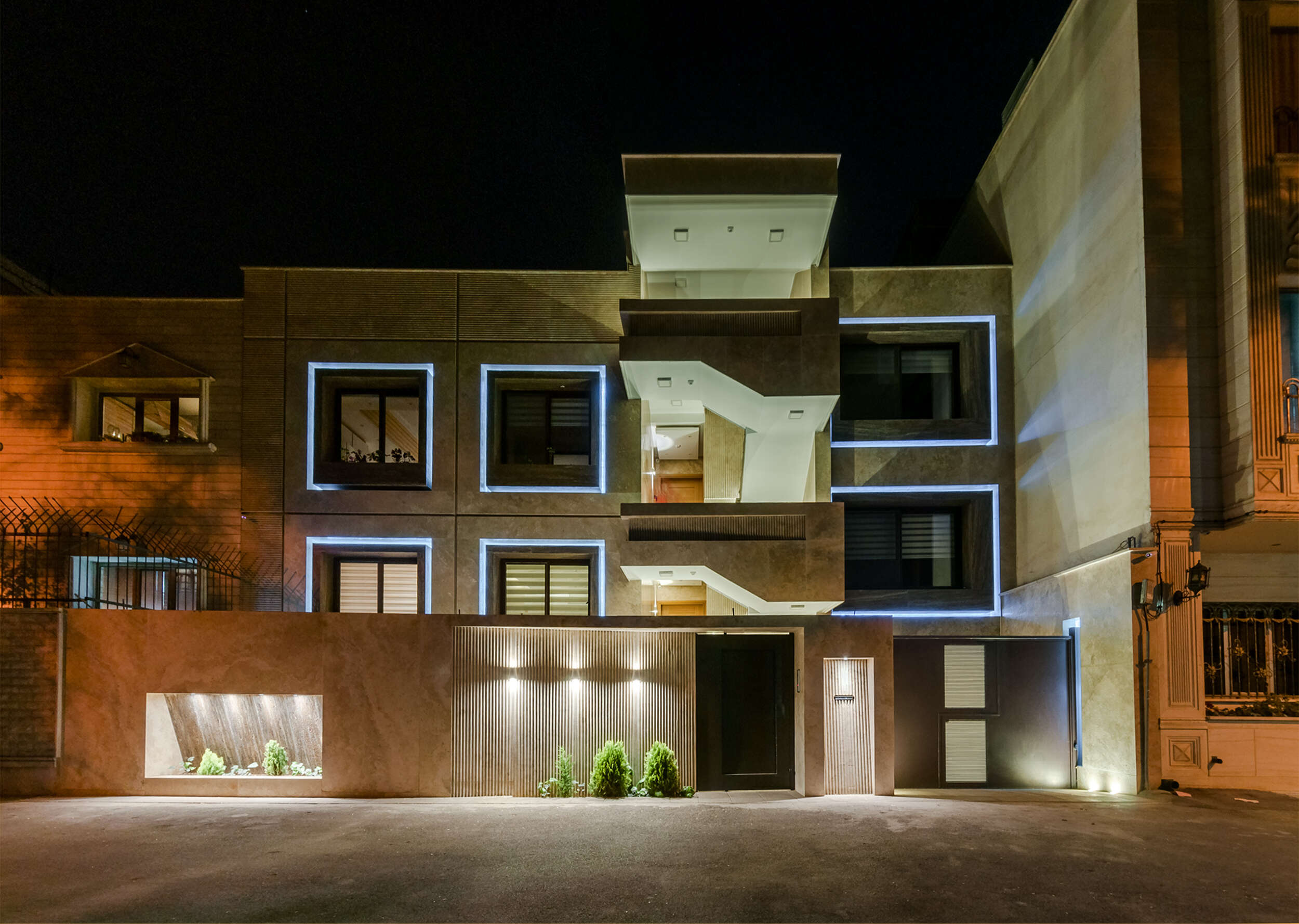
محصولات ممتاز سنگ طبیعی

از معادن و کارخانجات اختصاصی ما — مجموعه‌ای گسترده از سنگ‌های طبیعی
ساخته‌شده برای معماری جهانی

مشاهده گالری

سنگ کریمی

میراثی از هنر و دقت در هر برش

 
برای پاسخ به رشد تقاضای مشتریان داخلی و بین‌المللی، شرکت، سرمایه‌گذاری چشمگیری در تجهیزات تولیدی خود انجام داده است.
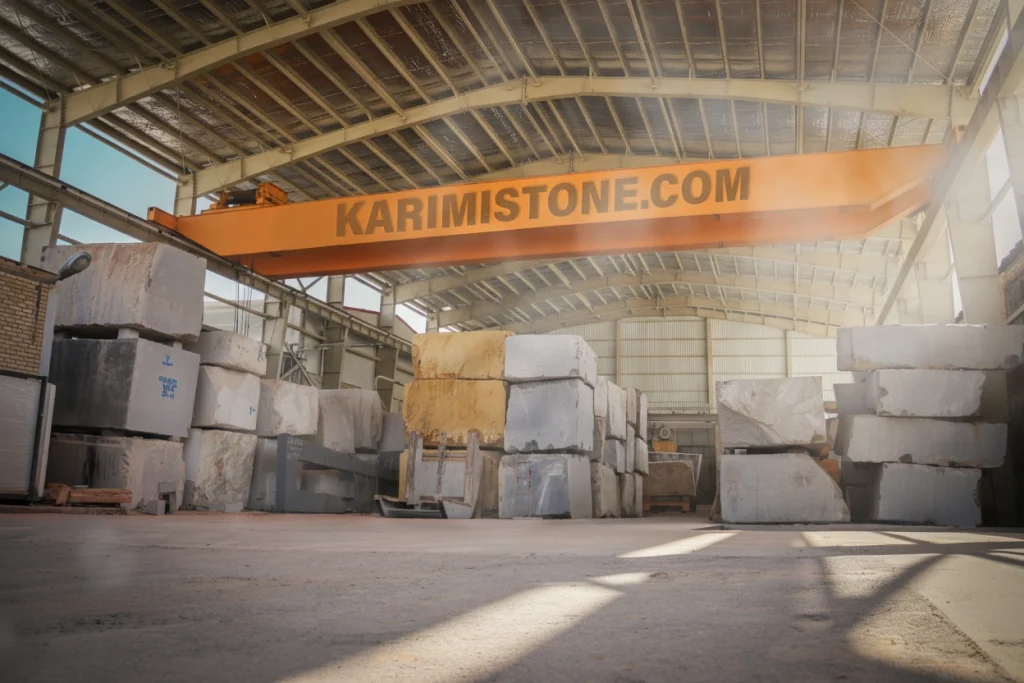
شرکت Karimi Stone دارای دو سایت فرآوری با مساحت کل ۵۰٬۰۰۰ مترمربع و ۱۲٬۰۰۰ مترمربع فضای سرپوشیده است.
این کارخانه‌ها به ماشین‌آلات پیشرفته ایتالیایی مجهز هستند که امکان تولید اسلب، تایل، موزاییک، سنگ‌فرش، وان، سینک و سایر محصولات سنگی را با انواع پرداخت‌ها (پولیش، هوند، چرمی، تامبل، سندبلاست و غیره) فراهم می‌سازد.
 
این سرمایه‌گذاری در فناوری و ظرفیت تولید، Karimi Stone را به یکی از پیشروترین مجموعه‌های فرآوری سنگ در ایران و از بزرگ‌ترین صادرکنندگان سنگ طبیعی در منطقه تبدیل کرده است.
Quality Control
Logistic Services
Fast delivery
Competitive price

تلاقی معماری و تندیس

Karimi Stone فعالیت خود را با تأسیس کارخانه درخشان آغاز کرد و امروز، با سه نسل تجربه خانوادگی، بیش از نیم‌قرن است که در حوزه تولید، تأمین و صادرات سنگ‌های طبیعی ساختمانی حضور دارد. این سابقه طولانی، «نگین سنگ کریمی» را به یکی از مجموعه‌های معتبر و قابل‌اعتماد صنعت سنگ تبدیل کرده است.
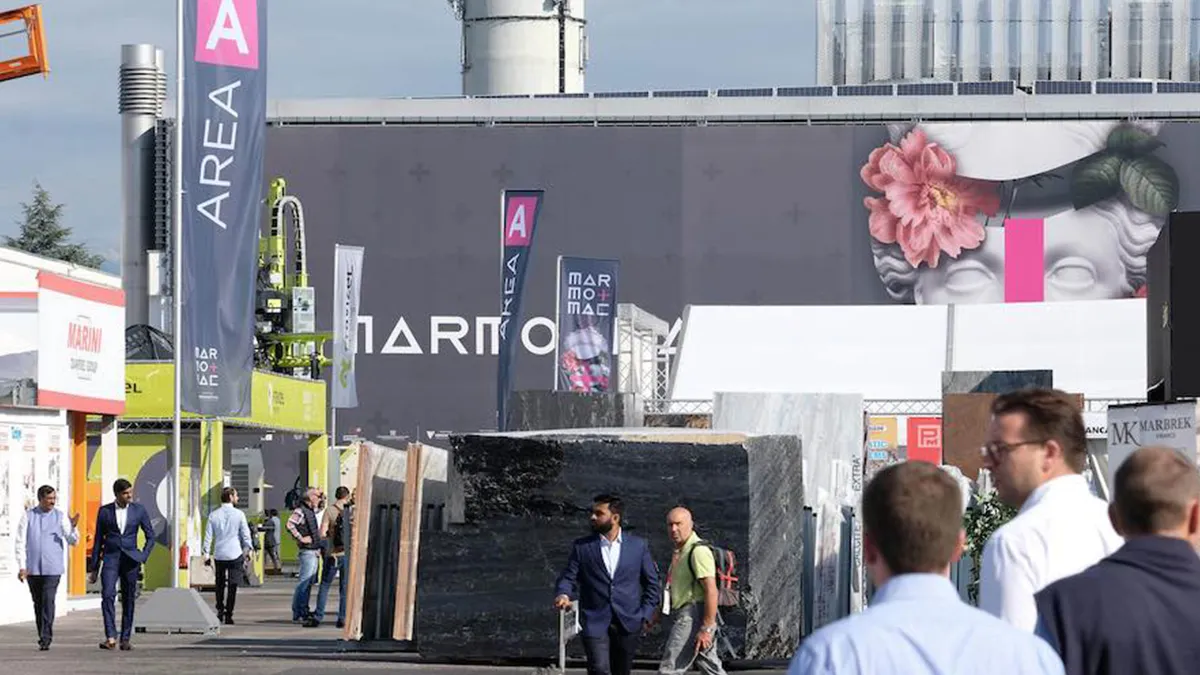
این شرکت هم‌اکنون دارای دو کارخانه فعال است و طیف گسترده‌ای از محصولات باکیفیت و خدمات تخصصی ارائه می‌دهد. در سال‌های گذشته، Karimi Stone در معتبرترین نمایشگاه‌های بین‌المللی مانند Marmomac ایتالیا، The Big 5 دبی و همچنین نمایشگاه‌های تخصصی و محلی در روسیه شرکت کرده و همواره توانمندی‌ها و محصولات خود را در سطح جهانی به نمایش گذاشته است.

ما هر کوپ را بر اساس پیوستگی رنگ، سلامت و امتداد رگه، تراکم، و میزان جذب آب انتخاب می‌کنیم؛ سپس مطابق شرایط اقلیمی و نوع مصرف، عملیات برش، کالیبراسیون و فرآوری روی آن انجام می‌شود.
از تایل‌های کالیبره ۱۰، ۲۰ و ۳۰ میلی‌متری گرفته تا اسلب‌های بزرگ و برش‌های دقیق Cut-to-Size، تمامی تلرانس‌ها با دقت و تکرارپذیری بالا کنترل می‌شوند.
گزینه‌های ضدلغزش (EN 16165 / ANSI A326.3) و راهنمای مقاومت شیمیایی نیز برای کمک به معماران در انتخاب صحیح، چه در پروژه‌های داخلی و چه خارجی، ارائه می‌گردد.

تراورتن، مرمریت، لایمستون، گرانیت و اونیکس در مجموعه‌ای کامل از فینیش‌ها عرضه می‌شوند:
پولیش، هوند، برس‌خورده، بوش‌هَمر، سندبلاست، تامبل، اسلیت‌فیس، چیندل، آنتیک، شیارخور و …
همچنین در قالب ابعاد و کاربردهای آماده شامل: اسلب، تایل، پله/پاگرد، جدول، پاور، پترن‌ست و موزاییک ارائه می‌گردند.
هر سری محصول قابل رهگیری می باشد، عکاسی‌شده و تیم QC ان را چک میکند ؛ سلامت بلوک، جهت وارسی رگه‌ها و ضخامت، قبل از بسته‌بندی بررسی و مورد تایید قرار می گیرد.

بسته‌بندی برای مسافت‌های طولانی مهندسی شده است:
باندهای فلزی، باکس‌های پالت چوبی فومیگیت‌شده، محافظ گوشه و لبه، رطوبت‌گیر، و مهار داخل کانتینر.

بسته‌بندی‌ها برای مسیرهای طولانی طراحی شده‌اند، ( استفاده از) : باندل فلزی، صندوق چوبی ضد آفت، محافظ گوشه و لبه، رطوبت‌گیر (Desiccant) و مهار کانتینر (Lashing).
با فعالیت در اصفهان و لجستیک از طریق دبی (بندر جبل علی)، امکان تحویل با شرایط FOB، CIF، DAP یا DDP وجود دارد — همراه با خدمات بازرسی SGS / TÜV بنا به درخواست مشتری.
در فرآیند تولید، بازیافت آب، استفاده مجدد از ضایعات (سنگ رودخانه ای، قلوه سنگ و سنگ شکسته) و مسیرهای حمل‌ونقل بهینه به کاهش اثرات زیست‌محیطی کمک می‌کند، بدون آنکه کیفیت کار کاهش یابد.
کافیست جزئیات یا مهلت تحویل پروژه‌تان را با ما به اشتراک بگذارید؛
ما سنگ، فراوری و ضخامت مناسب را دقیقاً مطابق با درخواست شما انتخاب می‌کنیم،
نمونه‌ها با سایز (۱۰×۱۰×۲ سانتی‌متر) همراه با پک فنی شامل داده‌های آزمایشگاهی، دستورالعمل نصب و راهنمای نگهداری به شما ارائه خواهد شد.

The honed surface is a type of finish in which the stone’s surface is completely smoothened by the polishing machine but shows no light reflection or gloss. In this process, the same initial polishing heads used for polished stones are applied, but the final heads responsible for gloss are replaced with special honing abrasives. As a result, the stone surface becomes smooth yet non-reflective. Essentially, the only difference between a honed and polished surface is the absence of shine.
In the polished finish, after the stone is calibrated, it enters the polishing machine, where each surface is polished using a minimum of 8 and up to 14 polishing heads. The first heads of the polishing machine remove the initial scratches caused by calibration and level the surface of the stone. The following heads perform pre-polishing and full polishing, while the last heads are responsible for acid treatment and final gloss enhancement. The greater the number of heads in the polishing machine, the faster the process and the higher the quality of the polished surface. Polished stones are typically used in various parts of a building, such as floors, lobby walls, and other interior areas.
As the name suggests, raw stone has no surface treatment. The stone is simply cut and left with its natural saw marks. However, for better usability, it is recommended to calibrate and optionally lightly smooth the surface with one polishing head.
This term refers to stones that are removed from the polishing line before the final polish stage. After calibration, the stone is ground with 4–6 polishing heads, producing a smooth surface that has not yet reached full gloss.
The acid-wash finish is a secondary surface treatment in which acid is poured onto the stone surface, creating a special rough and etched texture. Essentially, a honed stone can be acid-washed to add a slightly coarse, natural feel. The acid reacts differently with various minerals in the stone, causing uneven etching across the surface. After acid washing, the surface becomes both rougher and slightly irregular. This type of finish is ideal for outdoor applications, providing better slip resistance.
The term leathered in stone finishing refers to a slightly uneven yet soft texture, resembling the surface of natural leather. To create a leathered finish in the factory, instead of using hard polishing abrasives, wire brushes are used. These brushes penetrate into the weaker areas or tiny pores of the stone surface, gently deepening them while simultaneously polishing the veins and edges. The result is a surface that feels textured and irregular, yet has a natural softness.
Sandblasting is a surface treatment mainly used to create non-slip textures and prevent slipping. For a high-quality sandblasted finish, it is preferable to first process the stone to a honed or semi-honed level before sandblasting. This ensures the final surface is clean and even. Sandblasting can be done manually or by machine; however, the machine process provides a much more uniform and consistent result. The operation is performed using silica grains or iron filings projected onto the surface under high pressure.
The flamed finish is a type of surface treatment where the smooth stone surface is exposed to intense flame. The rapid heating and cooling cause the surface minerals to burst and flake, resulting in a rough, textured surface. This process is typically applied to strong and dense stones such as granites or hard marbles. Flamed stones are mainly used for outdoor applications, as the rough surface provides excellent slip resistance and a natural, rugged appearance.
The Hand-hammered finish is a unique traditional stone treatment that is mainly practiced in Iran and performed entirely by hand. This technique is not common in other countries, where special machines are used instead to create a similar texture, known internationally as the Bush-Hammered finish. In the Hand-hammered process, craftsmen use special hammers with different types of heads to produce fine, coarse, or regular patterns on the stone surface. Because it is done manually, this finish gives the stone a distinctive, artistic, and natural appearance — making it one of the signature features of Iran’s stone mastery.

Bush-hammering is another type of surface treatment. In this process, the surface becomes rougher than sandblasted stone. The texture is achieved using special bush-hammer heads that chip the stone’s surface, creating an uneven, anti-slip texture.
This type of finish is ideal for outdoor spaces such as yards, pavements, or snowy and rainy areas where slip resistance is required.

The term split means “separated.” In the split-face process, a stone block is divided into two halves through mechanical pressure applied by blades from above and below. The stone breaks naturally along its internal lines, creating a rough, uneven surface. This finish is also known as chiseled or, in older terminology, hand-split. It gives the stone a natural, rustic appearance and is commonly used for exterior applications such as garden walls, villas, and decorative outdoor facades.
A grooved finish is an additional or secondary surface treatment that can be applied to any type of stone and finish. In this process, cutting blades create parallel grooves on the stone surface at desired spacing, width, and depth. This type of finish is mainly used for decorative or design purposes, adding both beauty and functionality to the stone surface.
In the scratch finish, parallel and uniform lines are engraved on the surface of the stone, giving it a modern, textured appearance that also increases surface friction. If light or dark stones are scratched finely, they appear matte, while gray stones become slightly lighter in tone. The wider and more spaced the lines, the less color change occurs in the stone. Technically, the scratch finish is suitable for interior and exterior wall cladding applications.
In the cut-broken process, the stone is first grooved and then the grooved edges are broken manually or mechanically. The resulting irregular, natural edges give the stone a decorative and rustic appearance, making it ideal for façade and design work.
No products found for this tab.

لینکدین

How to choose high-quality stone for export?
Sep 17, 2025
What are the export costs from quarry to port?
Sep 24, 2025
How does good packaging affect customer perception?
Oct 1, 2025
next episode
Blurred Episode
00 d
00 h
00 m
00 s