
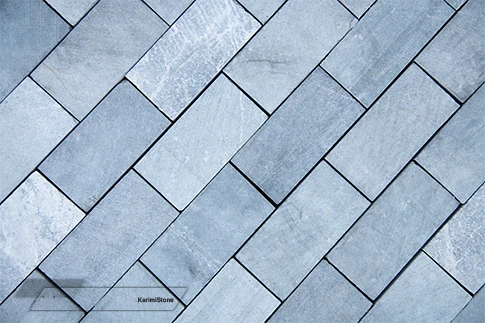
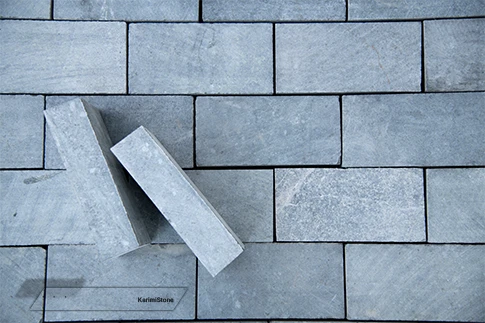


Black Granite Sawn-cut: Properties, Applications and Global Supply Black Granite Sawn-cut is a dense natural stone with a…
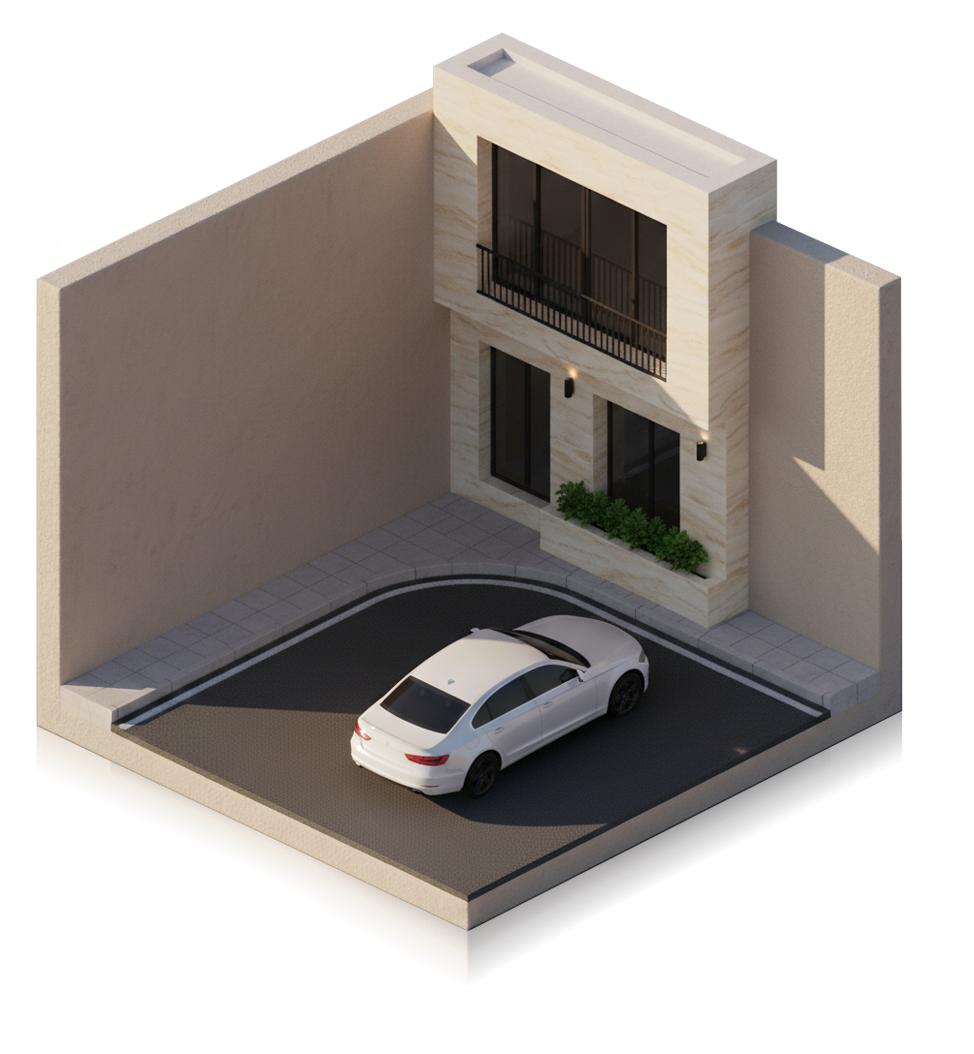
Natural stone curbstones separate roads, pavements, gardens, parking areas and landscaped zones. They are exposed to impact, vehicle loads, moisture, soil, de-icing salts and, in cold climates, repeated freezing and thawing.
Curbstone material must be selected according to compressive and flexural strength, impact resistance, water absorption and required dimensions. Dense granite is widely used for heavy-duty urban curbs, while other stones may be suitable for lighter landscape applications after technical evaluation.
Thickness, length, edge profile, foundation and joint design affect the service life of a stone curb. Price should therefore be considered alongside mechanical performance, production tolerances, local climate and installation quality.
Explore natural stone products suitable for this architectural application and use the filters to refine the collection by material, finish, color, and project requirements.
Browse natural stone products suitable for the selected application and compare available materials, finishes, colors, and fabrication options.
A natural stone curbstone, also commonly called a kerbstone, is a linear stone element installed along roads, sidewalks, pedestrian zones, parking areas, landscaped spaces, plazas, and other paved surfaces. Curbstones help define boundaries, support pavement edges, organize traffic movement, and contribute to surface-water management.
Because curbstones are exposed to vehicle impact, pedestrian traffic, weather, water, temperature changes, de-icing conditions in some climates, and repeated maintenance operations, material selection and installation should be based on the actual project environment.
The best stone for a curbstone depends on traffic loading, climate, drainage conditions, dimensions, profile, installation method, finish, and the technical properties of the exact material.
Granite curbstones are widely used for roads, sidewalks, plazas, parking areas, public infrastructure, and landscape projects. Many granite varieties combine relatively low water absorption with good compressive strength, abrasion resistance, and durability.
Granite characteristics vary between quarries and geological sources, so the actual material should be evaluated using relevant test data and project specifications rather than assuming that every granite performs identically.
Limestone curbstones can be used in urban, architectural, landscape, and pedestrian projects where a warmer and more uniform visual appearance is desired.
The suitability of limestone depends strongly on the specific selection. Density, water absorption, strength, abrasion behavior, weather exposure, freeze-thaw conditions where relevant, and the required curb dimensions should be reviewed before specification.
Basalt and other technically suitable dense natural stones may be considered for high-traffic areas, streetscape projects, industrial zones, parking facilities, and infrastructure requiring strong resistance to impact and environmental exposure.
Selection should be based on documented performance of the exact stone and the requirements of the project.
For project-specific material selection, contact Karimi Stone with the required curbstone dimensions, quantity, finish, application, and destination climate.
Natural stone curbstones can be produced in different shapes depending on roadway geometry, pedestrian access, drainage design, landscape requirements, and local infrastructure standards.
The finish of a curbstone affects appearance, texture, manufacturing method, maintenance, and how the element integrates with adjacent paving.
The exposed face, top surface, joint faces, and hidden bedding surfaces do not necessarily require the same finish. The processing specification should clearly identify which faces are visible and which dimensions require calibrated tolerances.
Explore available natural stone surface finishes for project-specific processing options.
Curbstone dimensions should be determined by roadway design, expected loading, exposed height, foundation system, local standards, drainage details, and installation method.
Final dimensions and tolerances should be confirmed from approved project drawings before production.
Straight curbstones cannot always create a clean continuous curve. For roundabouts, traffic islands, circular landscaping, curved sidewalks, and architectural plazas, radius curbstones can be produced according to the required geometry.
Important fabrication information includes:
Providing CAD drawings or accurate radius information before fabrication helps reduce alignment problems during installation.
Curbstones define roadway edges, separate traffic from adjacent zones, support pavement boundaries, and can form part of the road drainage layout.
Infrastructure projects may require larger sections, controlled tolerances, specific stone performance, and installation details appropriate for heavier loading and environmental exposure.
Stone curbs are commonly used between sidewalks, streets, landscaped strips, cycle routes, and pedestrian plazas to create clearly organized boundaries.
Natural stone curbstones can define parking lanes, islands, access routes, pedestrian paths, and landscape boundaries.
Curbstones can be used around planted areas, lawns, gardens, water features, pathways, and other landscape zones.
Stone curbs can be coordinated with natural stone paving to create consistent streetscapes, civic spaces, plazas, and pedestrian environments.
Appropriately selected and installed stone units may be used in industrial sites, logistics areas, commercial developments, and other projects where stronger edge restraint is required.
Technical requirements vary by country, municipality, project specification, stone type, and intended use. Relevant properties may include:
For European projects, BS EN 1343 addresses requirements and test methods for natural stone kerbs used in external paving.
For granite dimension stone, ASTM C615/C615M includes curbstone among the listed applications and specifies relevant physical-property requirements for granite dimension stone.
Low water absorption can be an important consideration for exterior stone, particularly in cold climates, but it should not be treated as the only indicator of freeze-thaw durability.
Freeze-thaw performance can also depend on pore structure, saturation conditions, stone fabric, microcracks, installation, drainage, exposure, and the specific environmental cycle.
For projects exposed to freezing temperatures, use relevant test data and project specifications for the exact stone rather than relying only on the commercial stone name.
Even a technically suitable stone can perform poorly if the supporting construction is unstable or drainage is inadequate. Installation should follow the project design and applicable local requirements.
Curbstones used in road infrastructure should be installed according to the approved civil-engineering drawings and project specifications.
Curbstones often form part of a larger surface-water management system. Their position and elevation can help direct runoff along the edge of paved areas toward designated drainage points.
Important considerations include:
The drainage function should be determined by the civil or landscape design rather than relying on the curbstone alone.
Infrastructure projects often require large quantities of repeated units, making dimensional consistency and production control especially important.
Curbstones are heavy linear elements, so transport packaging should provide stable support while reducing edge-to-edge impact during loading, shipping, and unloading.
Depending on dimensions, quantity, destination, and transport method, suitable packaging may include pallets, timber supports, protective separators, strapping, or other project-specific systems.
Learn more about natural stone packing, stone loading, and international stone shipping.
Natural stone curbstones generally require limited routine maintenance, but infrastructure and high-traffic installations should be inspected periodically.
Many granite varieties are suitable for demanding infrastructure applications, but suitability should be confirmed using the properties of the exact stone, curb dimensions, installation design, expected loading, and project specifications.
Yes. Length, width, height, chamfers, top profiles, transitions, and other dimensions can be produced according to approved project drawings and fabrication requirements.
Yes. Radius curbstones can be produced for roundabouts, traffic islands, curved roads, circular plazas, and landscape applications when the required radius and geometry are provided.
Natural split, sawn, flamed, sandblasted, bush-hammered, and other finishes may be suitable depending on the stone, exposed face, architectural appearance, traffic conditions, and project specification.
No. Water absorption is an important property, but freeze-thaw performance depends on several characteristics and exposure conditions. Relevant testing and project specifications should be used in cold climates.
Project-specific production can be planned according to approved dimensions, profiles, quantities, finish requirements, packaging, and delivery schedules. Contact Karimi Stone with the project specification for evaluation.
Need natural stone curbstones for a road, sidewalk, public plaza, parking area, landscape project, roundabout, or infrastructure development? Send your drawings, dimensions, profile, radius information, stone preference, finish, quantity, technical requirements, and destination to Karimi Stone.
Request a Quote for Natural Stone Curbstones
Explore Surface Finishes
View Stone Packing Options
Black Granite Sawn-cut: Properties, Applications and Global Supply Black Granite Sawn-cut is a dense natural stone with a…
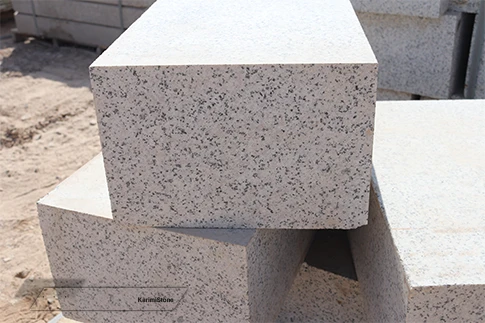
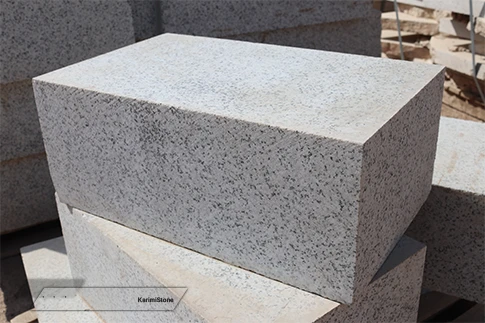

White Granite Sawn-cut: Natural Texture, Applications and Global Supply White Granite Sawn-cut is a dense Iranian natural stone…
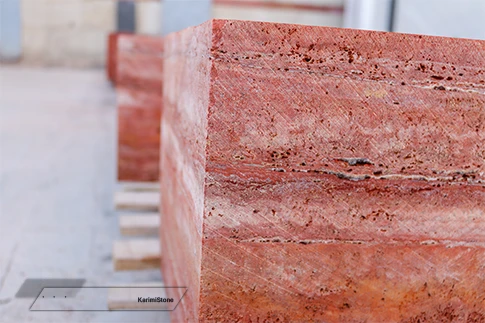
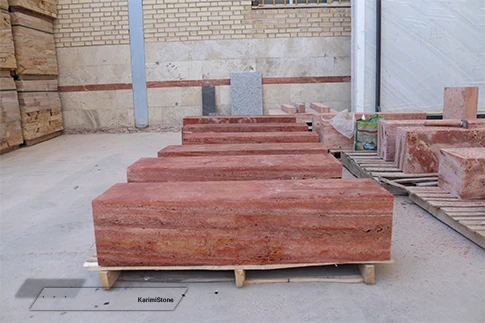


Red Travertine Vein-Cut Sawn-Cut Red Travertine Vein-Cut Sawn-Cut is an Iranian natural stone with a linear vein pattern…
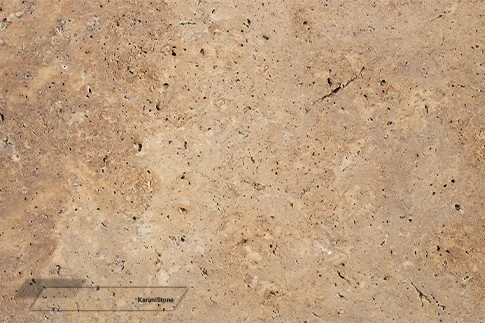
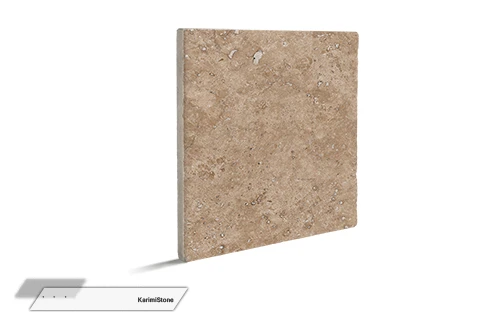

Beige Travertine Honed is an Iranian natural stone with warm cream-to-beige colors, natural pores, subtle mineral movement, and…
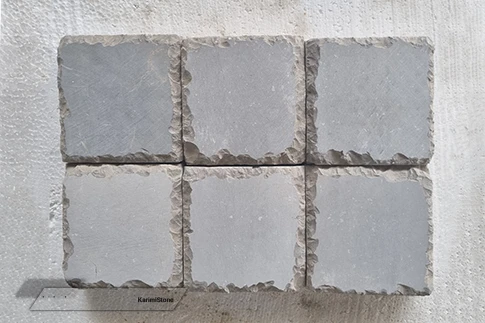
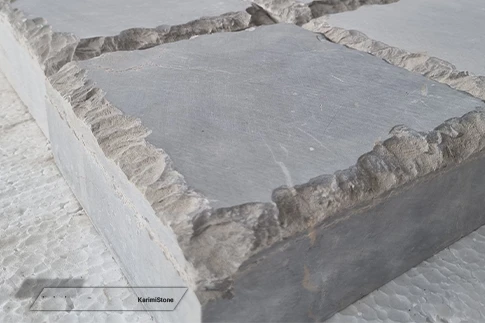
Grey Marble Sawn-Cut is an Iranian natural stone with a calm grey background, dense marble structure, minimal strong…
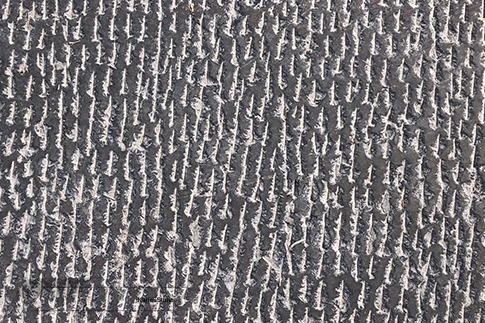
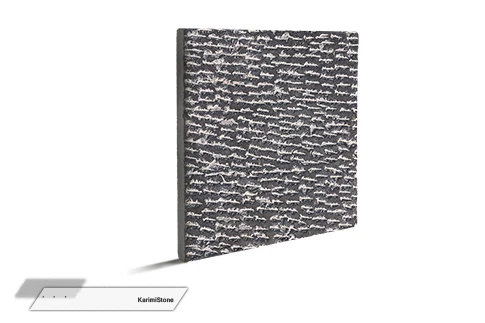

Grey Marble Hand Hammered is an Iranian natural stone with a calm grey color, dense marble structure, minimal…
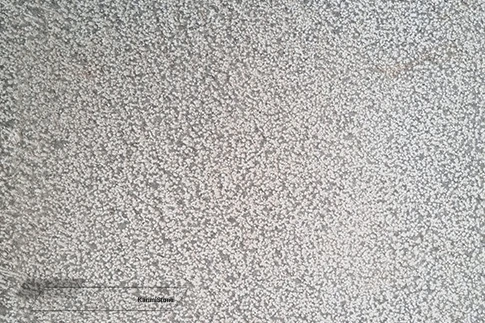
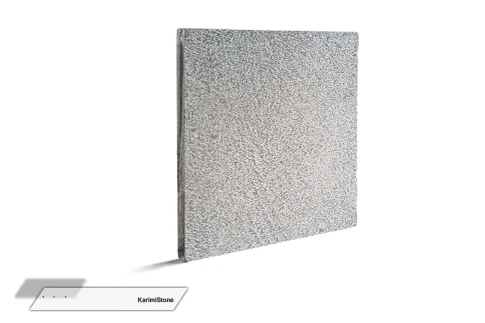

✓ Grey Marble Bush Hammered is an Iranian natural stone with a calm grey color, dense marble structure,…
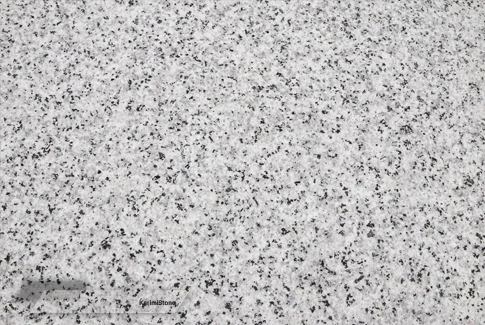
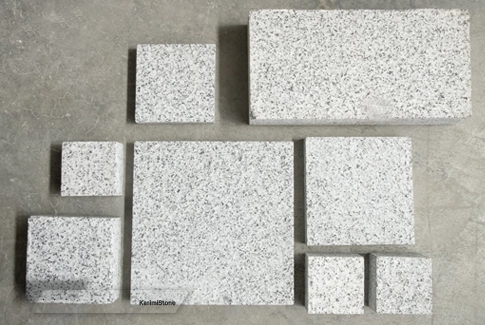
White Granite Flamed: Outdoor Paving, Cubic Stones and Global Supply White Granite Flamed is a dense Iranian natural…
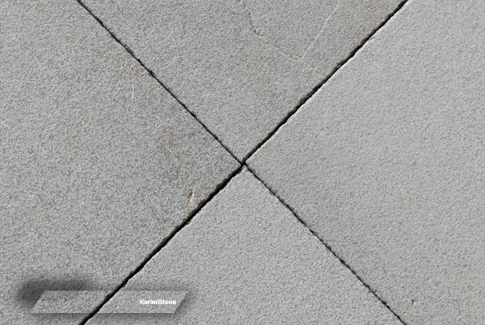
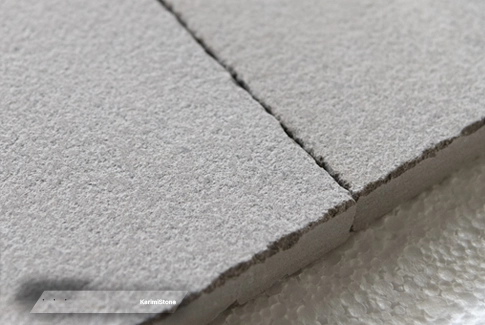
Grey Marble Sandblasted is an Iranian natural stone with a calm grey color, dense marble structure, minimal strong…