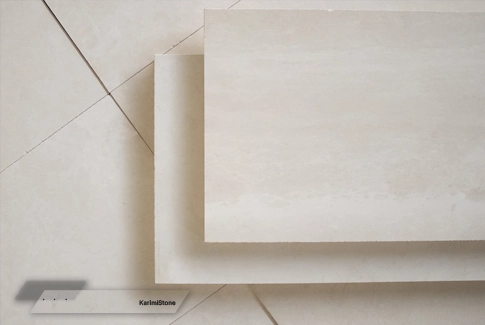
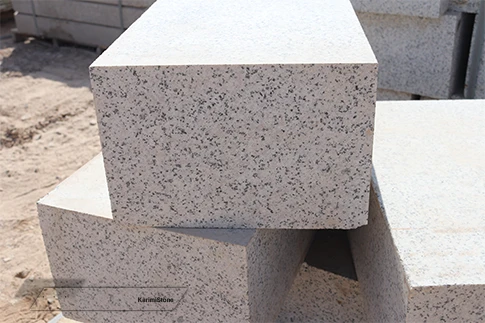
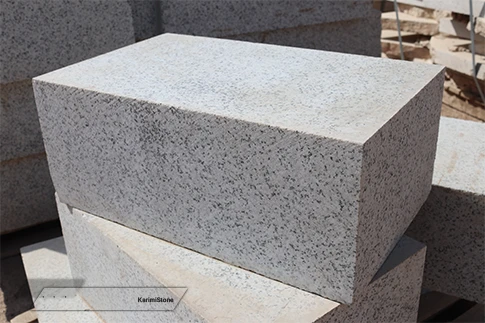


White Granite Sawn-cut: Natural Texture, Applications and Global Supply White Granite Sawn-cut is a dense Iranian natural stone…
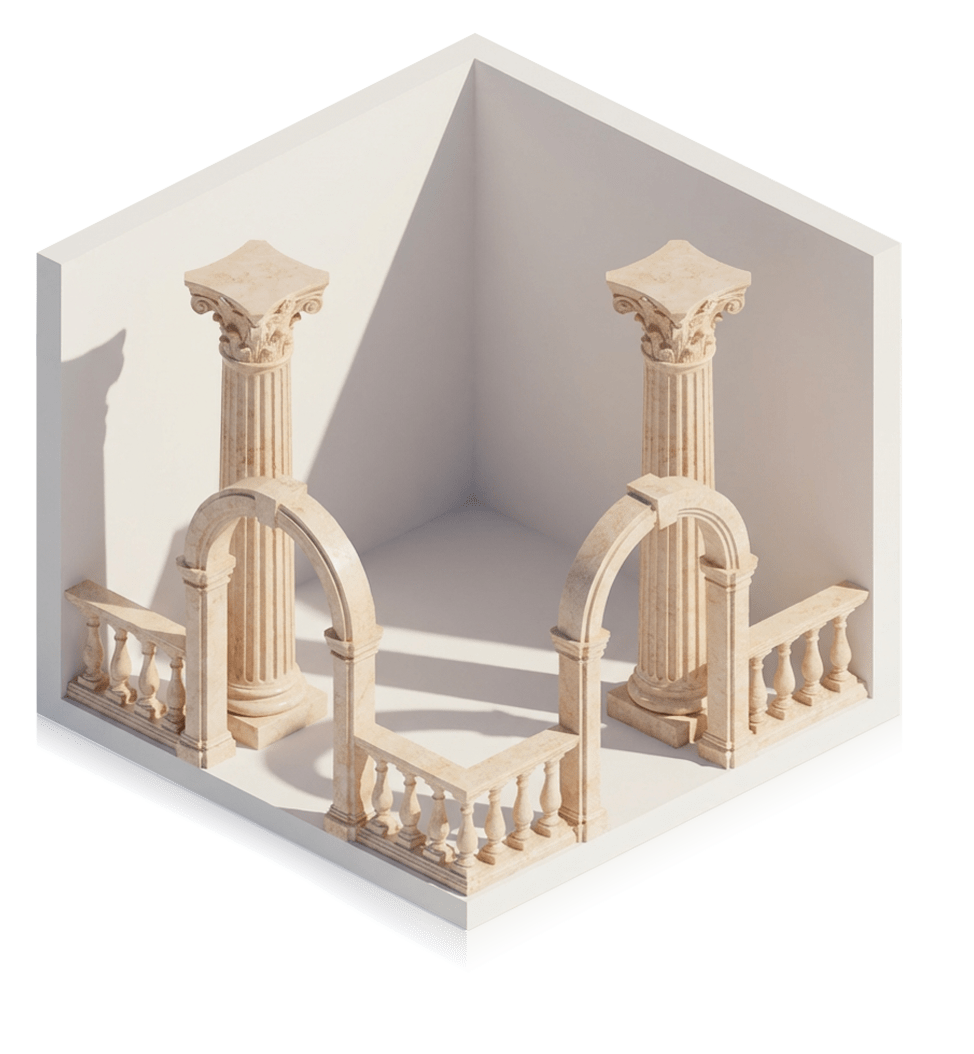
Stone columns and balusters are used in classical and contemporary architecture for façades, balconies, terraces, stair railings, entrances and decorative interior spaces. They can be produced manually or with CNC machinery according to approved profiles and drawings.
Fine-grained, workable stones with a uniform structure and limited open veins are preferable for detailed turning and carving. Gohare Limestone and Eslamabad Limestone are suitable options for many carved columns and balusters because they can be shaped accurately and provide a relatively consistent background.
Stone selection must also consider exposure, dimensions, unsupported length, connection points and structural function. Decorative columns and balusters should not be assumed to be load-bearing unless they have been specifically designed and calculated for that purpose.
Explore natural stone products suitable for this architectural application and use the filters to refine the collection by material, finish, color, and project requirements.
Browse natural stone products suitable for the selected application and compare available materials, finishes, colors, and fabrication options.
Choosing natural stone for columns and balustrades requires more than selecting an attractive color or architectural style. These elements often include repeated profiles, curved surfaces, decorative details, exposed edges, anchoring points, and—in exterior projects—continuous exposure to weather.
The correct stone should therefore be evaluated according to its mechanical properties, dimensional stability, fabrication behavior, water absorption, weather resistance, visual consistency, surface finish, and compatibility with the structural and fixing system.
Decorative stone columns should not automatically be considered structural columns. Likewise, stone balustrades and guard systems should be designed and installed according to the applicable engineering and building-code requirements of the project.
Different natural stones can be used for columns, balusters, handrails, capitals, bases, architectural rail components, and decorative profiles. The best material depends on the location, profile complexity, dimensions, finish, environmental exposure, and engineering requirements.
Limestone columns and balustrades are widely used in classical, Mediterranean, contemporary, and traditional architecture because many limestone varieties have a warm color range and good workability for profiles, flutes, capitals, bases, and decorative details.
For exterior projects, the exact limestone should be evaluated for water absorption, strength, weathering behavior, freeze-thaw conditions where relevant, and suitability for the proposed profile dimensions and fixing system.
Marble columns are commonly selected for luxury interiors, hotel entrances, lobbies, villas, reception areas, staircases, and decorative architectural compositions.
Marble can provide a refined appearance with natural veining and color movement. For repeated balusters or column pieces, careful material sorting can help maintain a more consistent visual result across the complete set.
Travertine columns and balustrades work particularly well with warm architectural styles, villas, terraces, courtyards, and classical designs.
Its appearance can vary according to color selection, natural pores, filling method, surface finish, and whether the material is Cross-cut or Vein-cut.
For exposed exterior elements, the particular travertine, fixing detail, pore treatment, drainage, weather exposure, and project climate should be considered together.
Granite and other technically suitable dense stones may be considered for projects requiring higher resistance to wear, impact, weather exposure, or public use.
Granite is more demanding to machine than many limestones or marbles, but modern CNC and stone-processing equipment can produce precise architectural components when the material and design are compatible.
For large-format architectural components, explore available natural stone slabs or contact Karimi Stone with your project drawings and material requirements.
Natural stone column and balustrade systems can include several coordinated elements produced according to architectural drawings, approved samples, profiles, and project dimensions.
Final dimensions, anchoring points, reinforcement requirements, joints, tolerances, and structural performance should be coordinated with the architectural and engineering drawings.
The surface finish changes both the visual character of the stone and the way architectural details appear under natural and artificial light.
Explore the full range of natural stone surface finishes to compare suitable processing options.
Columns and balustrades often require a high level of dimensional control because repeated pieces must align visually and mechanically across the complete architectural system.
For custom production, send Karimi Stone your architectural drawings, sections, profiles, dimensions, quantities, and required stone finish.
Stone pattern can strongly influence the appearance of repeated architectural components.
Relatively uniform stones can make a series of balusters or columns appear more consistent, while strongly patterned stones can create more visual variation from one component to another.
Explore natural stone pattern types when selecting materials for highly visible architectural components.
Stone columns can create a strong architectural identity around villa entrances, porticos, façades, porches, and classical building compositions.
For outdoor installations, weather exposure, structural connections, water runoff, joint detailing, and project-specific stone performance should be evaluated.
Stone balusters, handrails, bases, and decorative components are often used in premium staircases, atriums, entrance halls, and interior railing systems.
Repeated components require consistent dimensions and careful alignment to achieve a clean final installation.
Stone balustrades can be used around balconies, terraces, elevated platforms, and architectural edges when the complete guard system has been engineered for the required loads, anchoring conditions, and local regulations.
Columns, balusters, coping stones, decorative rails, and stone boundary elements can also be incorporated into landscape architecture, courtyards, gardens, fountains, and villa surroundings.
Hotels, resorts, reception areas, luxury retail spaces, and premium developments often use custom stone columns and decorative balustrades to establish a more formal architectural identity.
Exterior stone components are exposed to rain, temperature changes, airborne pollutants, sunlight, freeze-thaw cycles in cold climates, and water entering joints or fixing points.
Low water absorption alone should not be used as the only criterion for determining freeze-thaw suitability. Engineering specifications and relevant stone test results should be considered for the actual project environment.
Stone columns and balustrades can include heavy individual components, so handling, fixing, support, and anchoring should be planned before fabrication.
For professional background information about natural stone design, fabrication, anchoring, and installation, visit the Natural Stone Institute.
Repeated architectural pieces require both dimensional and visual quality control before shipment.
Maintenance requirements depend on the stone, finish, environment, exposure, and architectural detail.
Yes. Custom components can be manufactured according to approved drawings, dimensions, profiles, sections, samples, and project quantities. Detailed fabrication drawings help control dimensions, connections, repetition, and installation.
They can be used outdoors when the stone, dimensions, anchoring, drainage, fixing system, weather exposure, and structural requirements are suitable for the project.
A balustrade used as a guard must satisfy the applicable structural loads, height requirements, opening limitations, anchoring requirements, and local building regulations. This should be verified by the project engineer.
There is no universal best finish. Honed, brushed, sandblasted, bush-hammered, and other finishes may be considered depending on the stone, architectural style, exposure, cleaning requirements, and desired texture.
The answer depends on the complexity of the carving and the required technical performance. Stones with suitable internal structure and good fabrication characteristics can produce detailed profiles, but exterior suitability and structural requirements must be considered separately.
Need natural stone columns, capitals, balusters, handrails, coping stones, or custom architectural components? Send your drawings, dimensions, stone preference, surface finish, quantities, application, and installation conditions to Karimi Stone for technical review.
Request a Quote for Columns & Balustrades
Browse Natural Stone Slabs
Explore Surface Finishes
White Granite Sawn-cut: Natural Texture, Applications and Global Supply White Granite Sawn-cut is a dense Iranian natural stone…
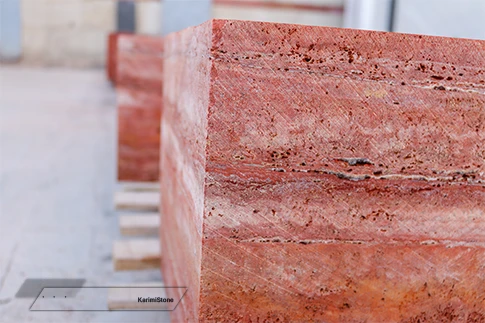
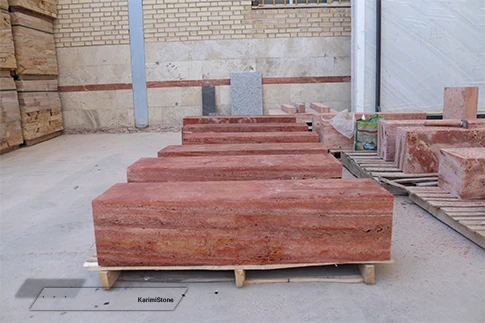
Red Travertine Vein-Cut Sawn-Cut Red Travertine Vein-Cut Sawn-Cut is an Iranian natural stone with a linear vein pattern…
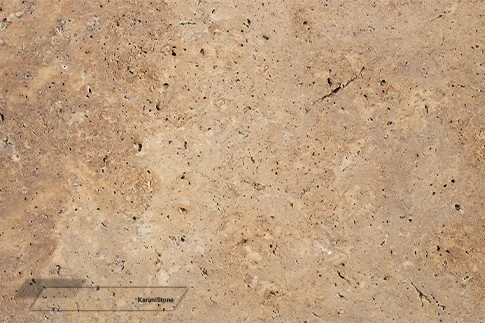
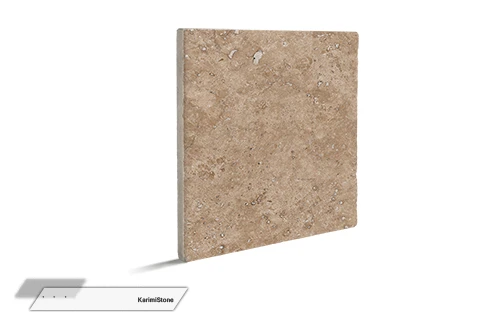
Beige Travertine Honed is an Iranian natural stone with warm cream-to-beige colors, natural pores, subtle mineral movement, and…
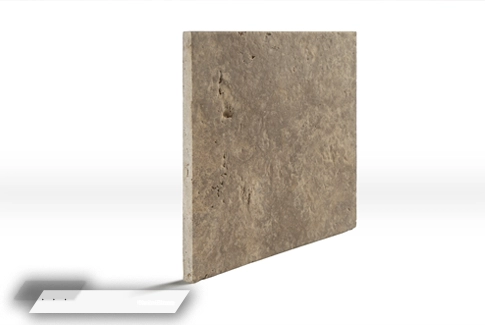
Brown Travertine Brushed Vein-Cut is an Iranian natural stone distinguished by warm brown and coffee tones, natural pores,…
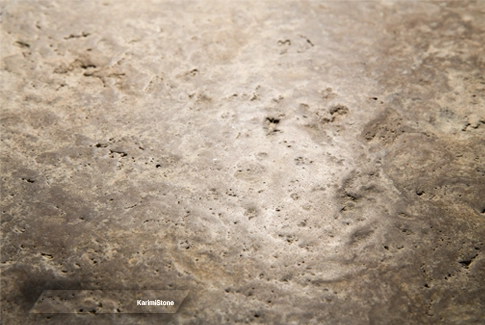
Islamabad Honed is a light-colored Iranian limestone known for its relatively uniform structure, soft cream-to-grey coloration, and smooth…