
Natural Stone ApplicationsChoose Stone by Where It Will Be Used
Explore natural stone applications across interior, exterior, wet-area, landscape and architectural projects. Start with the place where stone will be installed, then compare stone type, surface finish, format and technical requirements before selecting the final product.
- Applications
- 16 types
- Environment
- Interior → exterior
- Selection
- Use + stone
- Project
- Design + technical
Natural Stone Applicationswith dynamic project filters
For natural stone applications, choose the intended use first, then refine the collection by stone category, surface finish and color. The results remain dynamic through your existing WordPress taxonomy widgets.
Natural Stone Usage Types
Choose an application to open the complete collection of matching natural stone products.
Natural Stone Applicationsorganized by real project conditions
Natural stone applications should be defined by project conditions before appearance. Walls, walking surfaces, wet areas and exterior landscapes expose stone to different loads, moisture, weather, cleaning and installation conditions.
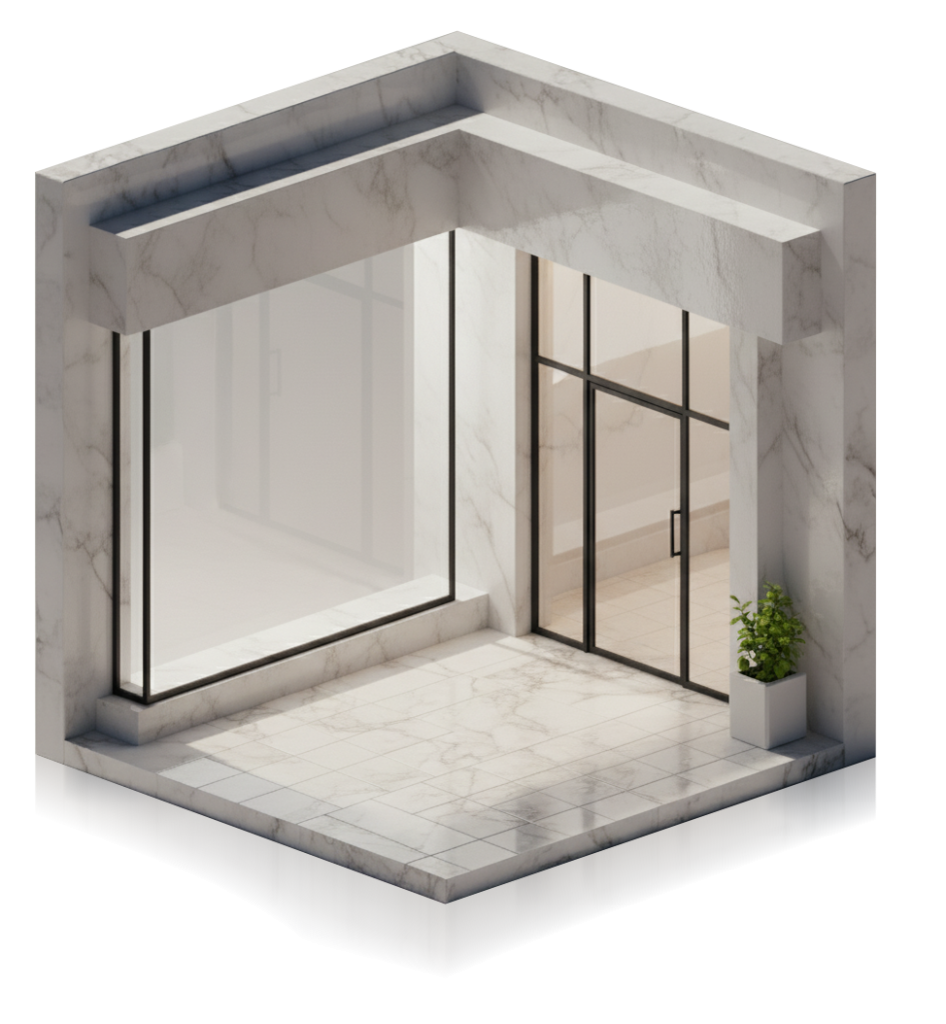
Walls & Façades
Natural stone can be used for interior wall cladding, feature walls and exterior façades. The fixing system, panel size, exposure and structural detailing are as important as appearance.
- Includes
- Interior wall · Exterior wall
- Common starting materials
- Limestone · Travertine · Marble · Granite
- Finish direction
- Honed, polished or decorative inside; honed, sandblasted, brushed or textured outside depending on the stone and design.
- Verify
- Anchorage or adhesive system, thickness, panel dimensions, weather exposure, absorption and façade engineering
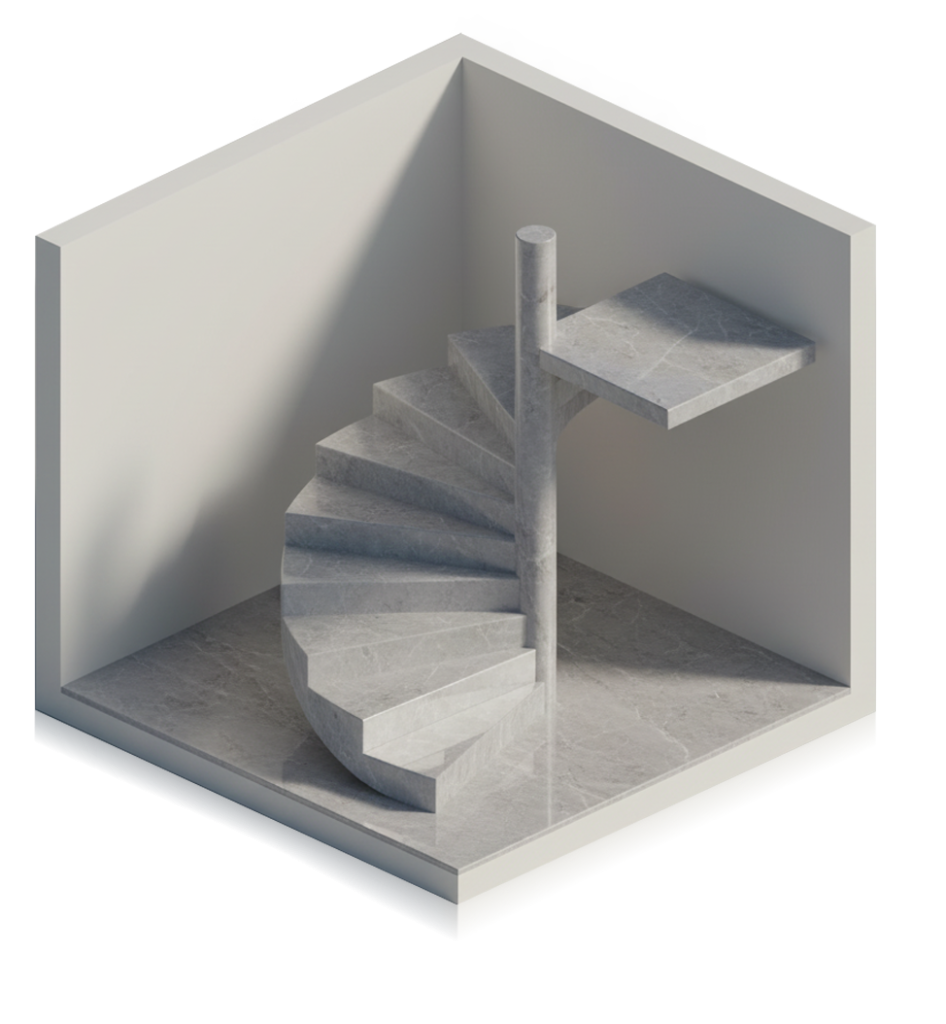
Floors & Stairs
Flooring, elevator floors and staircases need a balance between appearance and long-term surface performance. Traffic, abrasion, finish, substrate and edge details affect the specification.
- Includes
- Flooring · Elevator floor · Staircase
- Common starting materials
- Granite · Marble · Limestone · Travertine
- Finish direction
- Honed, polished or textured depending on traffic, location and required surface behavior.
- Verify
- Traffic, abrasion, friction, thickness, substrate, joints, stair geometry and maintenance
Bathrooms & Pools
Wet areas need coordinated stone, finish, waterproofing, drainage, jointing and cleaning systems. Color alone is not enough for bathrooms, pools or coping.
- Includes
- Bathroom · Pool · Pool coping
- Common starting materials
- Dense limestone · Granite · selected Marble or Travertine depending on exact use
- Finish direction
- Walls may use smoother finishes; walking and wet surfaces require application-specific friction and testing.
- Verify
- Water exposure, absorption, chemical contact, sealing where required, slope, waterproofing and coping geometry
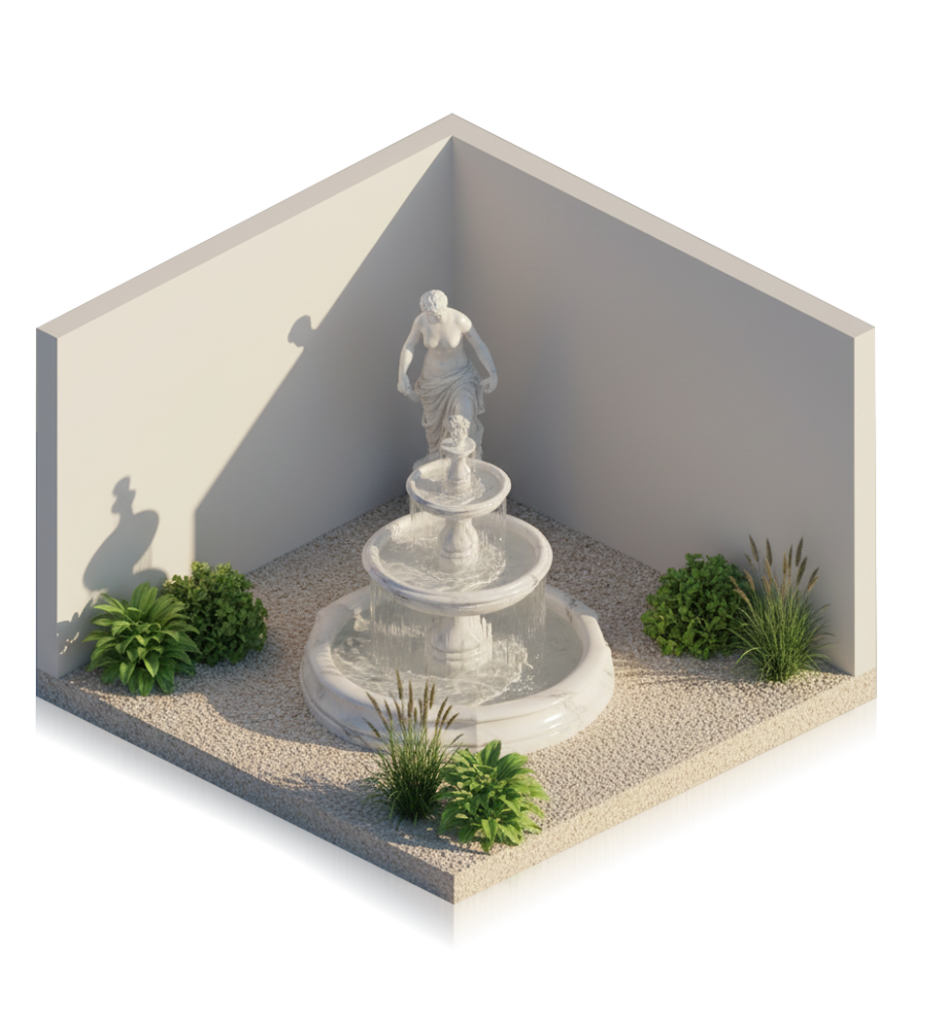
Paving & Outdoor Areas
Gardens, villas, sidewalks and urban paving place stone under weather, drainage and repeated traffic. Material selection must account for climate and installation conditions.
- Includes
- Garden & villa flooring · Paving · Sidewalk paving · Curbstone · Crazy paving
- Common starting materials
- Granite · Limestone · Travertine and other stones verified for the exposure
- Finish direction
- Textured or naturally broken surfaces are common starting points for exterior walking areas.
- Verify
- Climate, freeze-thaw where relevant, drainage, loads, thickness, base preparation and joints
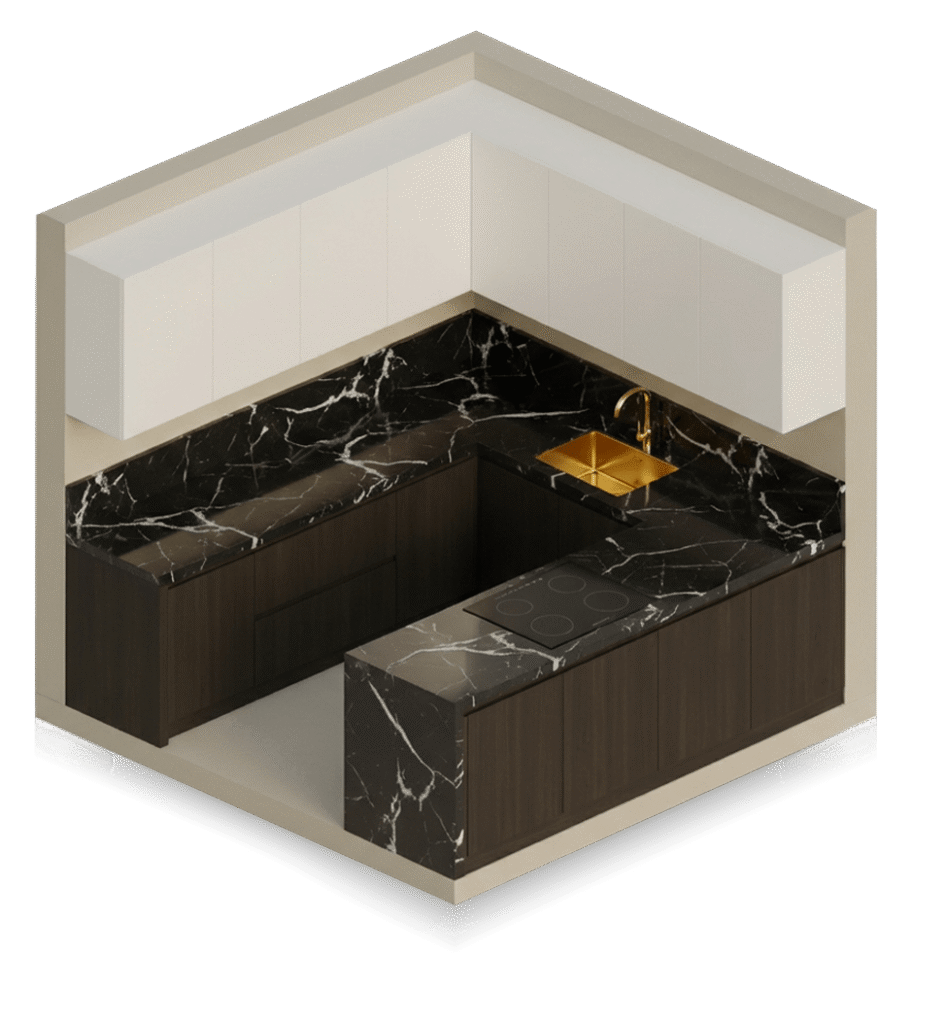
Countertops
Countertops are close-contact surfaces where stone type, finish, edge fabrication and maintenance are more important than color alone.
- Includes
- Countertop
- Common starting materials
- Granite · selected Marble and other stones according to project requirements
- Finish direction
- Polished, honed or brushed depending on the material and desired maintenance profile.
- Verify
- Absorption, staining and chemical exposure, edge profile, cut-outs, support, sealing and cleaning
Architectural Elements
Columns, balustrades and stone artifacts combine material selection with fabrication. Geometry, vein direction, tolerances, handling and installation must be coordinated before production.
- Includes
- Stone artifacts · Column & balustrade
- Common starting materials
- Marble · Travertine · Limestone · Granite depending on geometry and use
- Finish direction
- Selected according to detail, touch, visual intent and location.
- Verify
- CNC/manual fabrication, minimum sections, reinforcement/fixing, tolerances, edge protection, packing and installation
Choose Stone by Applicationbefore choosing by color
For natural stone applications, this matrix is a project-starting guide, not a universal specification. Final selection must be verified for the exact stone, finish, dimensions, installation system and local requirements.
Marble · Limestone · Travertine · Onyx
Polished · Honed · Brushed · Decorative
Panel size, fixing, visual range, weight and maintenance
Limestone · Travertine · Granite
Honed · Sandblasted · Brushed · Textured
Climate, absorption, anchoring, thickness, wind and façade engineering
Granite · Marble · Limestone · Travertine
Honed · Polished · Brushed
Traffic, abrasion, friction, joints, substrate and maintenance
Granite · Limestone · Travertine
Flamed · Bush-hammered · Sandblasted · Split/textured
Drainage, climate, loads, thickness, base and slip-resistance requirements
Limestone · Granite · selected Marble/Travertine
Honed or textured according to area
Waterproofing, absorption, friction, sealing and cleaning
Application-specific stone selection
Textured surfaces commonly considered around walking zones
Water chemistry, absorption, edge geometry, waterproofing, drainage and testing
Granite · selected Marble/other stones
Polished · Honed · Brushed
Staining, acids, cut-outs, support, edges, sealing and care
Granite · Marble · Limestone · Travertine
Honed, polished or textured by location
Tread friction, nosing, thickness, support and traffic
Natural Stone Applicationsneed technical context
Across natural stone applications, a material can perform well in one location and be unsuitable in another. These checks turn a visual shortlist into a project-ready selection.
Exposure
Interior, exterior, sheltered or fully exposed? Consider climate, sun, rain, freeze-thaw where relevant and long-term weathering.
Traffic & Load
Define pedestrian traffic, concentrated loads, wheeled traffic and expected abrasion before selecting stone and thickness.
Water & Chemicals
Bathrooms, pools, kitchens and exterior areas can introduce water, cleaners, salts or other chemicals that affect selection and care.
Surface Finish
Finish changes reflection, texture, maintenance and walking-surface behavior. Confirm it on the exact stone, not from a generic sample.
Format & Thickness
Slab, tile, step, free-length or custom cut-to-size pieces require different thicknesses, tolerances, support and fabrication planning.
Installation & Testing
Coordinate substrate, fixing, anchors, joints, drainage and the physical tests required for the intended application.
Natural Stone Institute advises matching the stone to the performance demands of its intended use and using applicable testing where required.
One Applicationcan require different stone solutions
In natural stone applications, the use case narrows the selection but does not automatically determine one stone. The final specification combines application, material, finish, format and installation.
Wall + Honed Limestone
Quiet texture and low reflection for large wall fields; review the batch, fixing and panel dimensions.
Exterior Wall + Limestone/Travertine
Verify climate, thickness and façade system; appearance alone is not sufficient.
Granite + Appropriate Finish
Dense stone is a common starting point, but abrasion, finish, jointing and walking-surface requirements remain project-specific.
Bathroom + Area-Specific Finish
Wall, vanity and wet-floor zones can require different finishes and detailing within the same bathroom.
Paving + Textured Surface
Combine material durability with drainage, base preparation, thickness, climate and required surface performance.
CNC / Column / Artifact
Confirm block selection, vein direction, geometry, tolerances, reinforcement/fixing and packing before production.
Natural Stone Applicationsas a project selection workflow
Start with the usage condition, then move through material, finish and production. This reduces the risk of selecting a visually attractive stone that does not match the actual project demands.
Interior wall, façade, floor, bathroom, paving, countertop, stairs or another use.
Compare geological category, available technical data, visual range and project suitability.
Coordinate surface texture, dimensions, thickness, edge details and fabrication.
Approve samples or mock-up, confirm QC criteria, packing and delivery requirements.
Natural Stone ApplicationsFrequently Asked Questions
Practical guidance for architects, contractors and buyers comparing natural stone applications by where the material will be used.
What are the main natural stone applications?
Karimi Stone groups products by uses including interior and exterior walls, flooring, garden and villa flooring, paving, sidewalk paving, countertops, bathrooms, pools, pool coping, elevator floors, stone artifacts, columns and balustrades, staircases, curbstones and crazy paving.
Should I choose the stone type or the application first?
Start with the application and project conditions. Once exposure, traffic, water, installation and performance requirements are known, compare suitable stone types, finishes and formats.
Can the same natural stone be used indoors and outdoors?
Sometimes, but not automatically. Suitability depends on the exact stone, climate, finish, dimensions, installation system and required technical performance.
What matters most for natural stone flooring?
Traffic, abrasion, required surface friction, thickness, substrate, joints, finish and maintenance should be considered together with the exact stone.
What should be checked for bathrooms and pool areas?
Water exposure, absorption, waterproofing, drainage, finish, cleaning products, jointing and application-specific safety or testing requirements should be reviewed.
How should stone be approved for a large project?
Use representative samples or a mock-up and define the acceptable visual range, finish, dimensions and technical criteria before full production.
Not Sure Which Stonefits your application?
Send the application, environment, dimensions, required finish, quantity, drawings and delivery destination. Our team can help shortlist materials and production options for the project.