
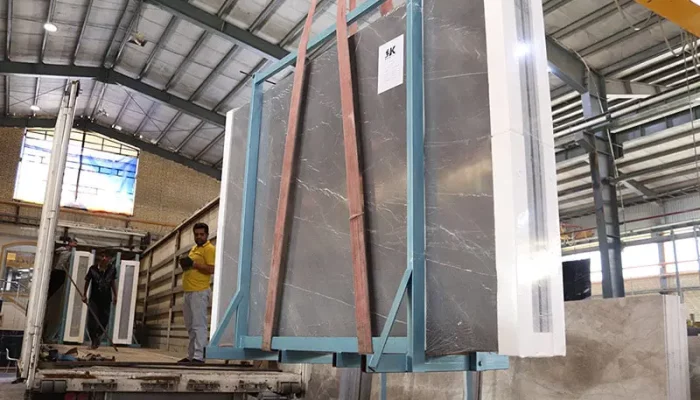
Natural Stone Packaging for Export
Natural stone packaging protects finished slabs, tiles, cut-to-size pieces, mosaics and bulk products during handling and long-distance transport. Karimi Stone uses different packing systems according to stone format, package weight, handling method and shipment requirements.
- Systems
- 08
- Stone Formats
- Slab + Tile
- Handling
- Forklift
- Workflow
- Pack → Load
Protection Starts Before Loading
Natural stone is structurally strong, but processed surfaces and edges remain vulnerable to impact, vibration, abrasion and uncontrolled movement during handling and transport.
A professional packing plan therefore considers the product format, stone dimensions, thickness, surface finish, package weight and the way the shipment will later be handled and loaded.
The current Karimi Stone packing range includes wooden bundles, wooden crates, wooden pallets, carton boxes, iron bundles, iron pallets, jumbo bags and industrial plastic bags. Each system is intended for a different combination of product geometry, weight and handling requirements.
Match the Package to the Product
The eight systems below reproduce the packing categories and technical information currently published by Karimi Stone, reorganized for faster comparison and project review.
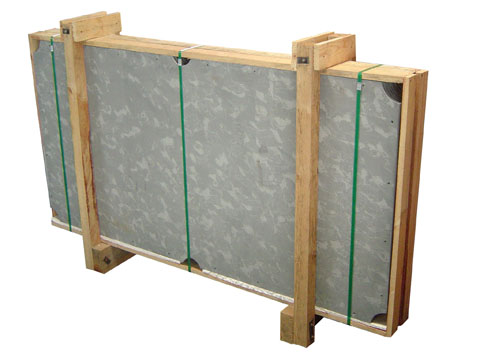
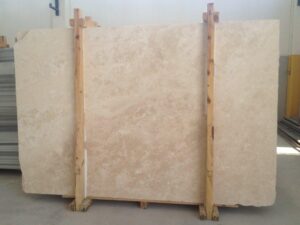
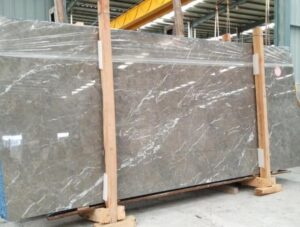
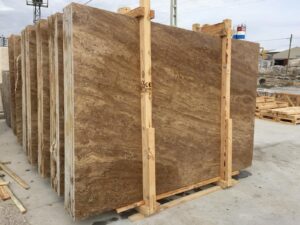
Wooden Bundle
A timber support system manufactured to match slab dimensions and used for marble, limestone, travertine and other sensitive slabs.
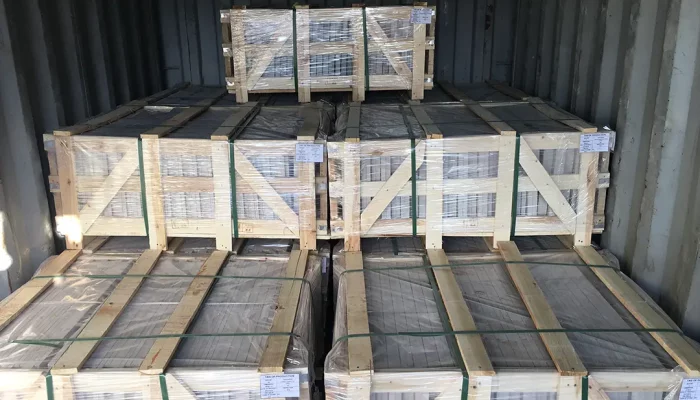
After container loading, the bundle is lashed and braced to control movement during transport.
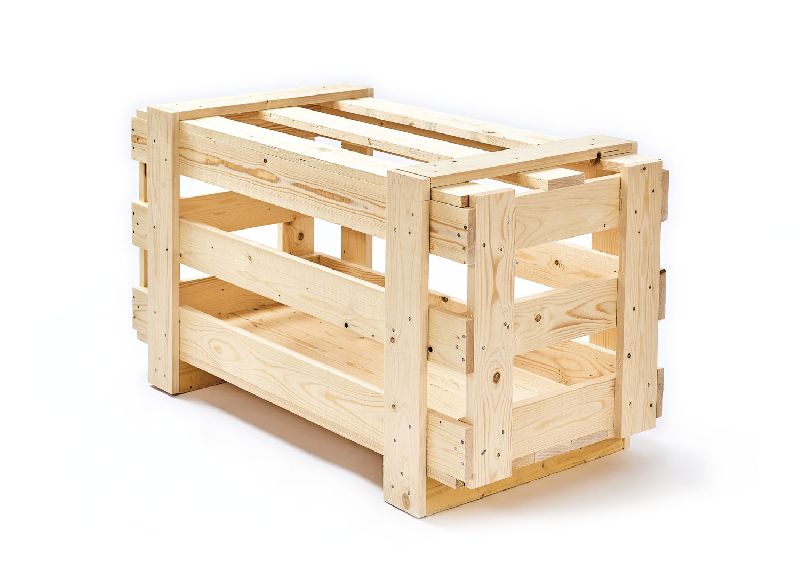
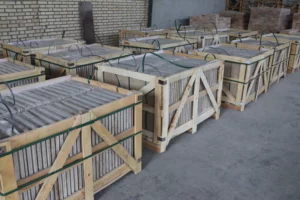
Wooden Crate
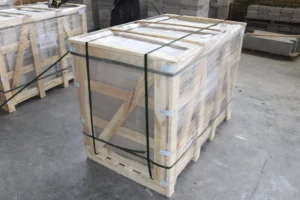
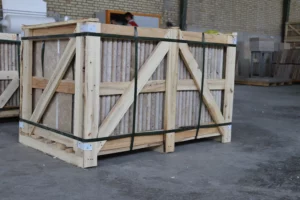
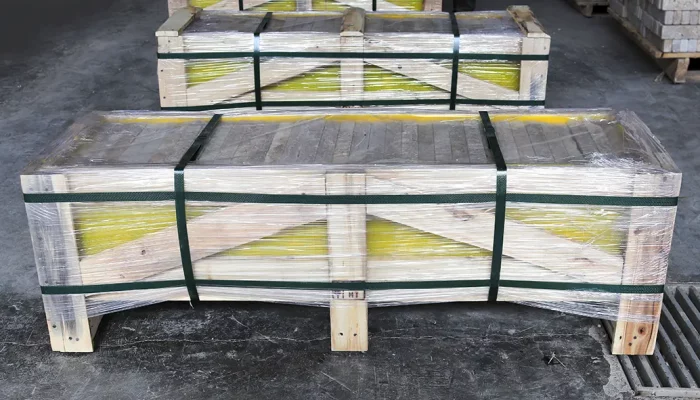
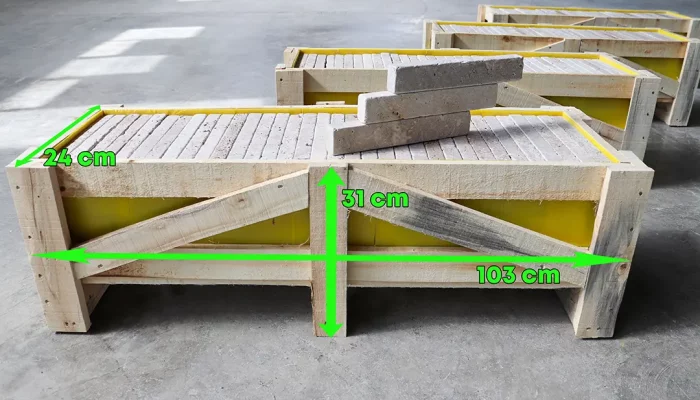
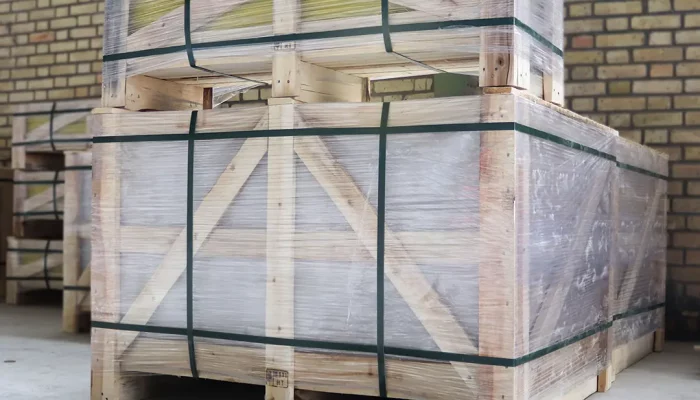
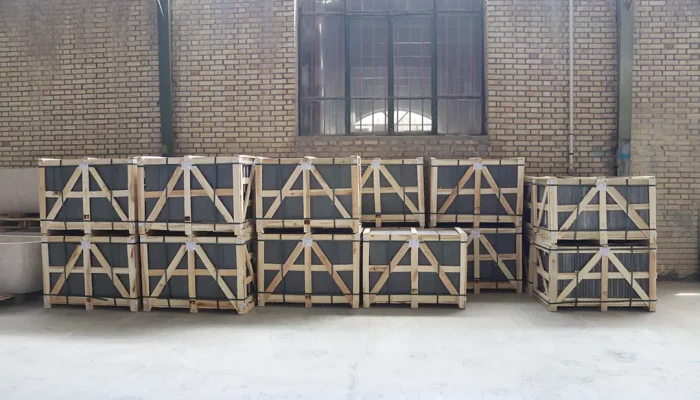
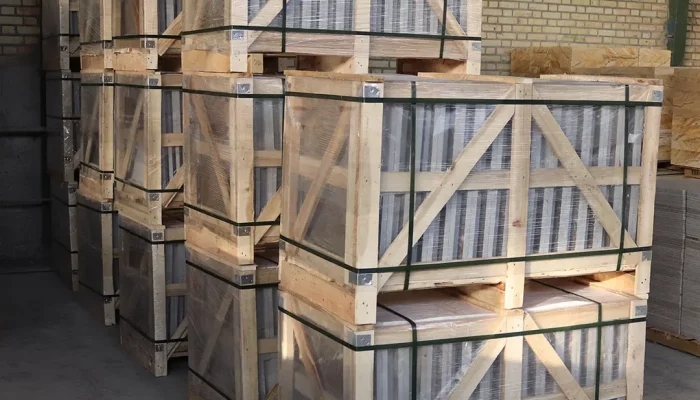
Reinforced wooden crates are used for tiles, smaller stone formats, sensitive pieces and project consignments that need side protection.
The current packing specification describes a 20 mm EPS layer at the base, internal strapping and final shrink or stretch wrapping.
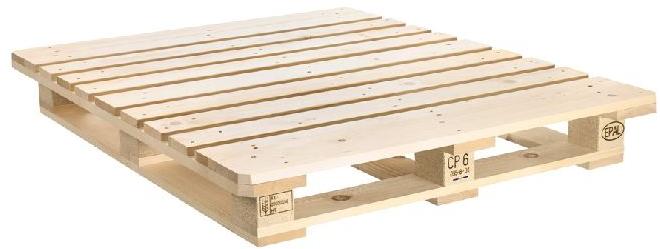
Wooden Pallet
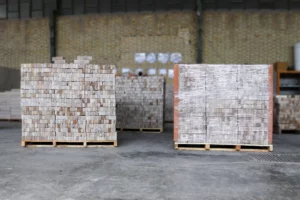
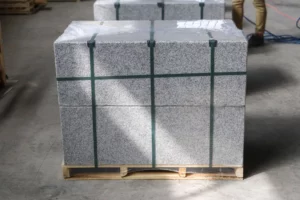
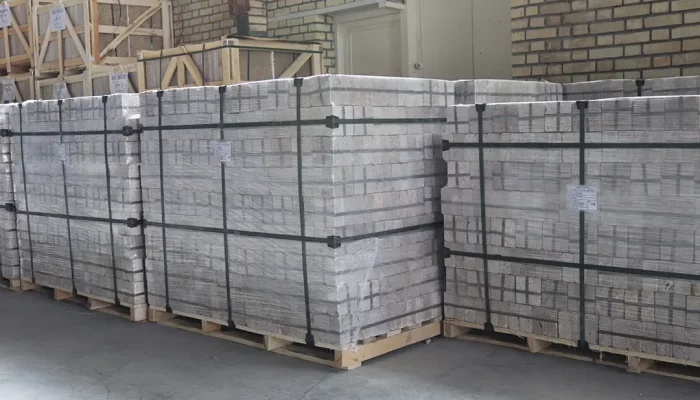
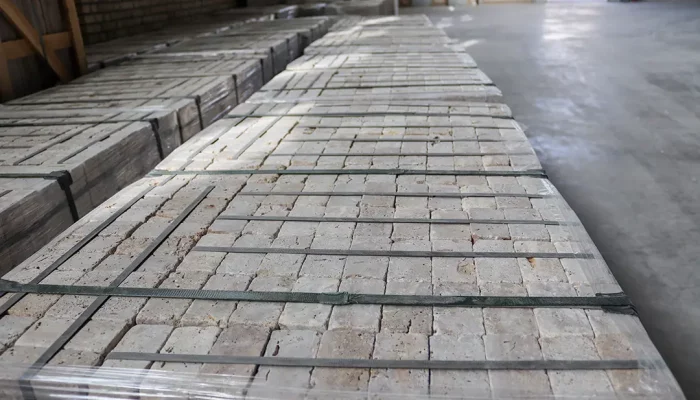
An economical pallet system used for tiles, steps and other stone pieces where open-sided packaging is suitable for the product.
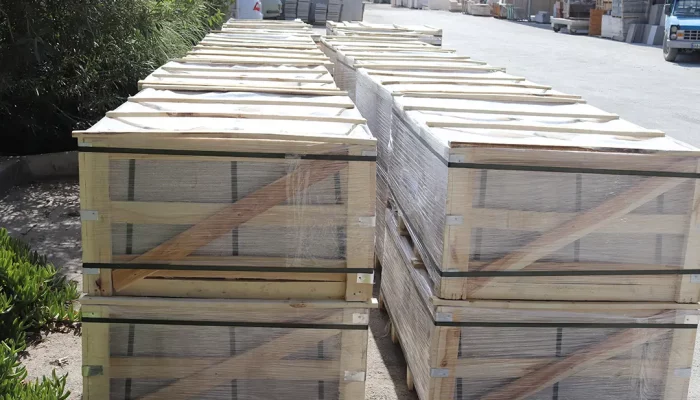
Corners can be reinforced, the load wrapped with protective film and final straps applied to limit movement during handling.
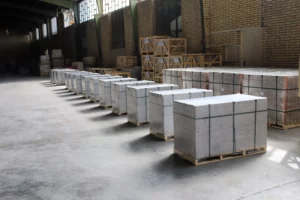
Carton Box
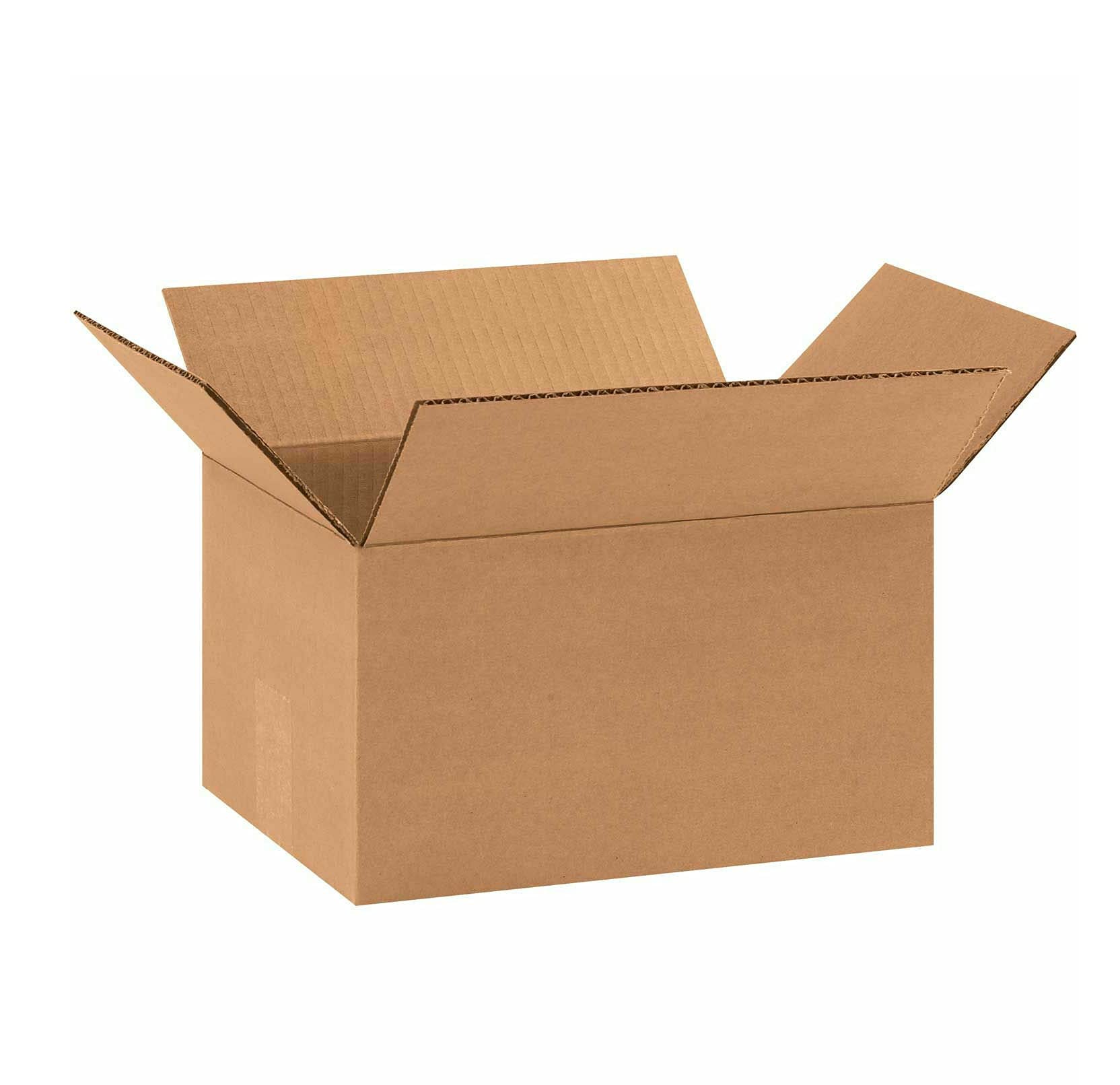
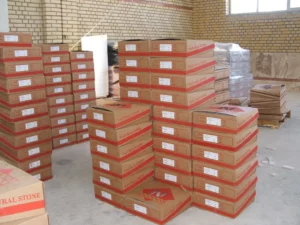
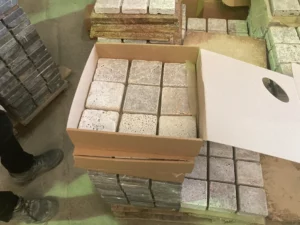
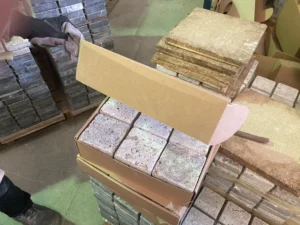
Carton boxes are used specifically for mosaic products and small delicate pieces before the cartons are grouped on a pallet.
The cartons reduce contact between mosaic sheets and can be palletized, wrapped and strapped for export loading.
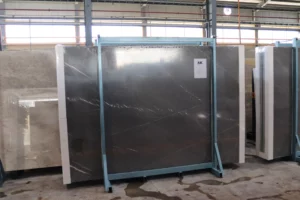
Iron Bundle
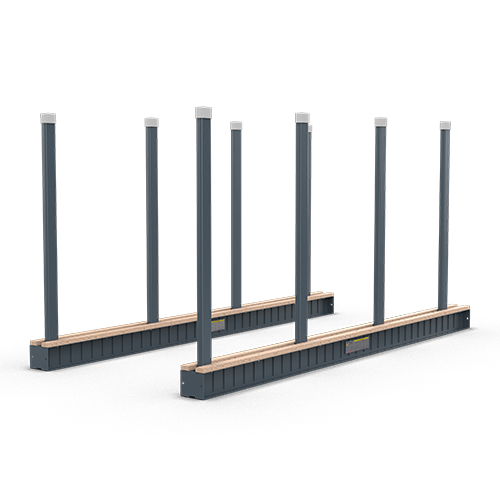
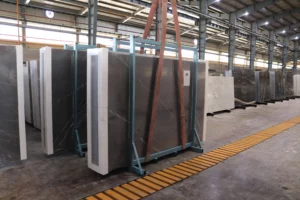
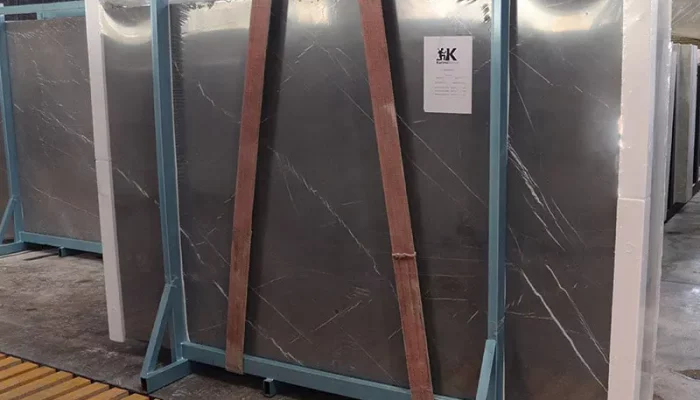
A steel-frame system used for slabs and long stone pieces in heavy-duty or project-based shipments.
Foam or thin wooden protection can be used at contact surfaces, with longitudinal locking, corner protection and final wrapping.
Iron Pallet
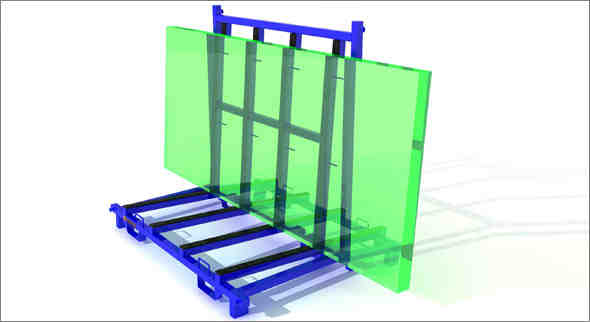
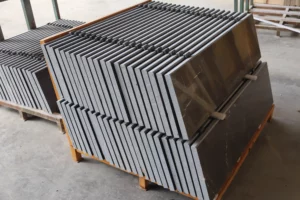
A custom steel pallet for thick tiles and heavy project pieces where greater structural capacity is required.
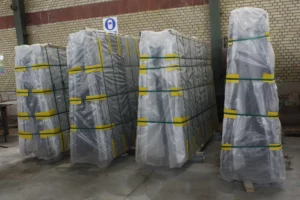
Stone is stacked to the pallet geometry, then secured with suitable strapping and protected with stretch or shrink wrapping.
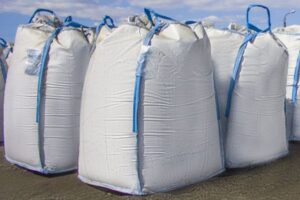
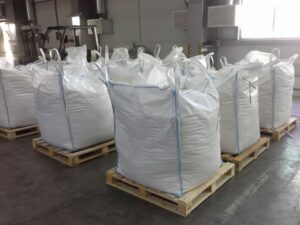
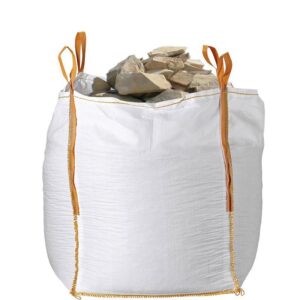
Jumbo Bag
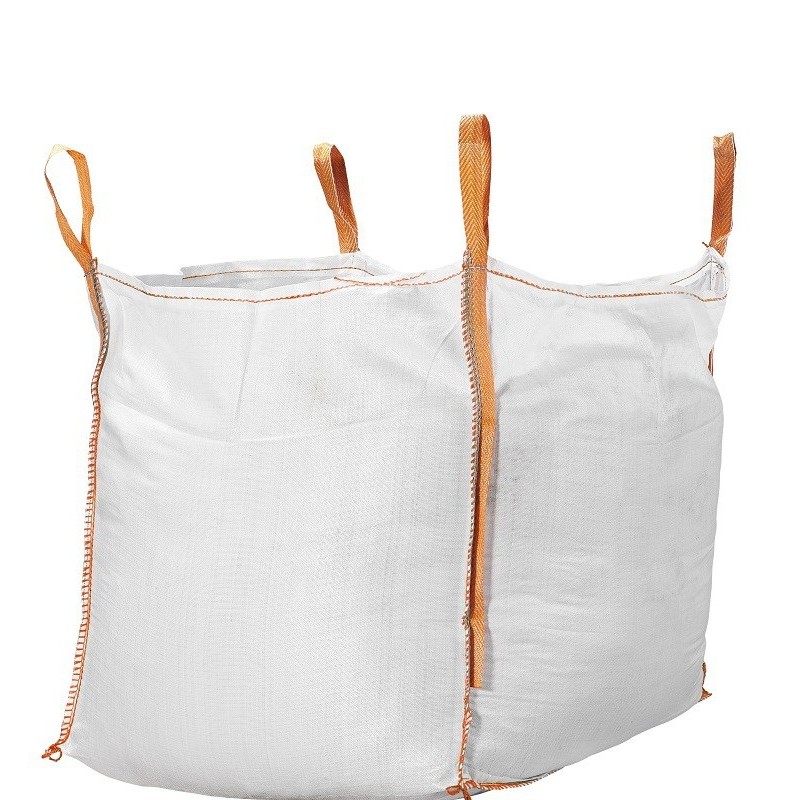
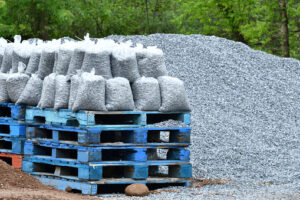
Woven polypropylene bulk bags provide an economical packaging format for irregular and bulk natural stone products.
Jumbo bags are suitable for forklift or crane handling and for products such as river stones, crushed stone and stone mulch.
Plastic Bag
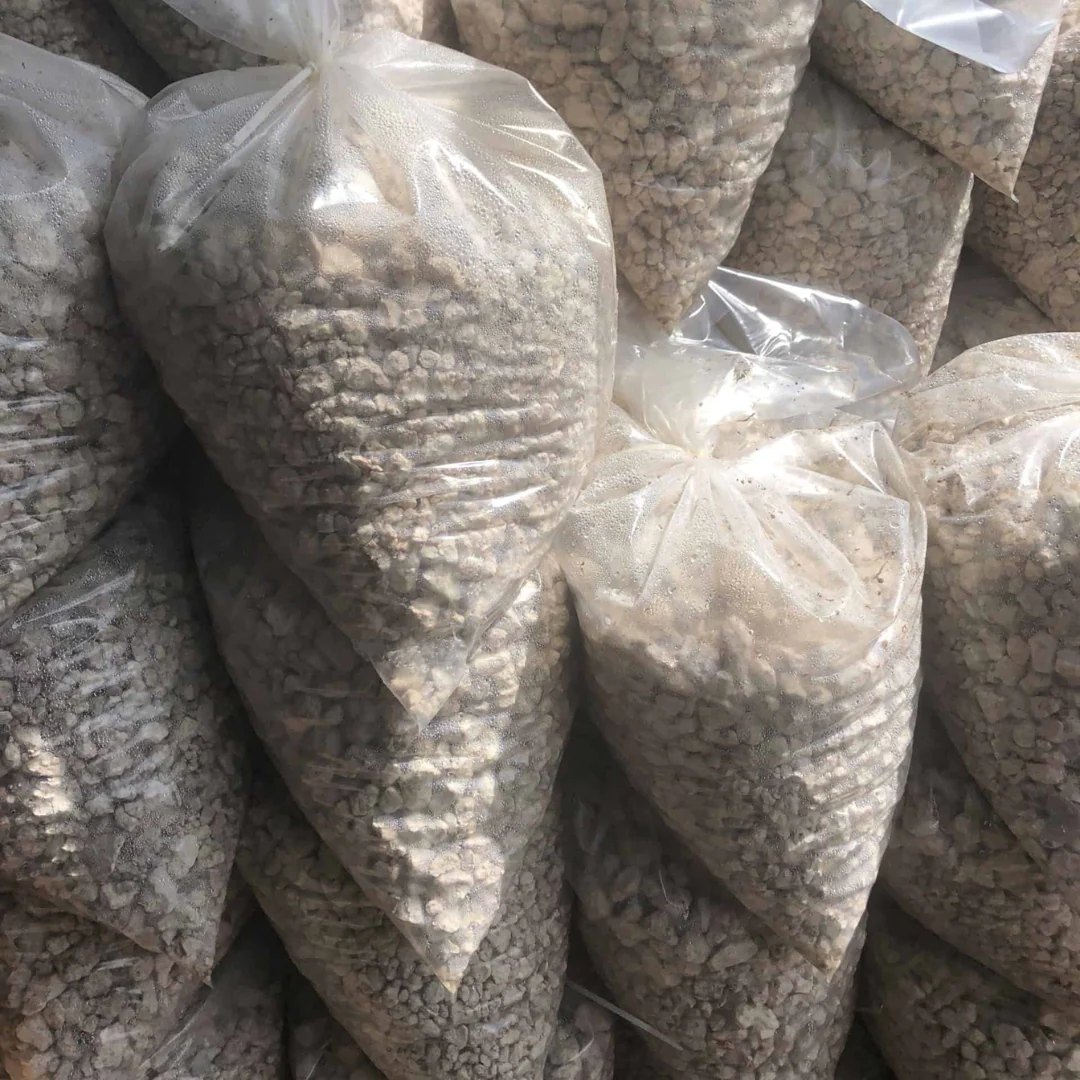
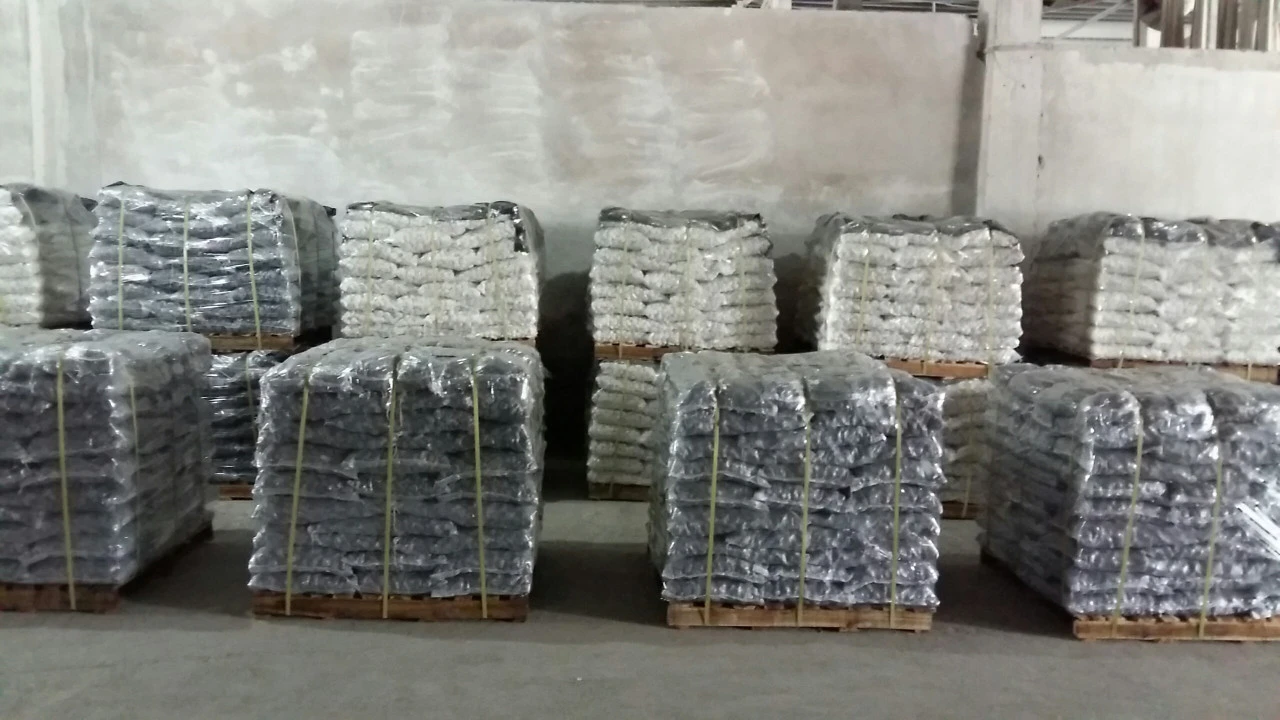
Industrial plastic sacks are a lightweight packaging option for smaller stone pieces and selected bulk products.
Bags can be sealed, grouped on pallets and wrapped or strapped where additional shipment stability is required.

Protect. Restrain. Prepare to Move.
The exact packaging sequence changes with the selected system, but the slab-packing workflow currently published on this page follows four core stages before loading.
Select the System
Choose the package around stone dimensions, thickness, product type, handling method and destination.
Protect Surfaces
Foam, cushioning and protective layers are placed where required to reduce direct stone-to-stone or stone-to-frame contact.
Protect from Exposure
Plastic sheets, stretch film or shrink wrapping can be used to reduce dust and moisture exposure during storage and transport.
Strap & Stabilize
Final straps, corner protection and structural restraint are applied according to the package before the unit moves to loading.
Natural Stone Packing in Practice
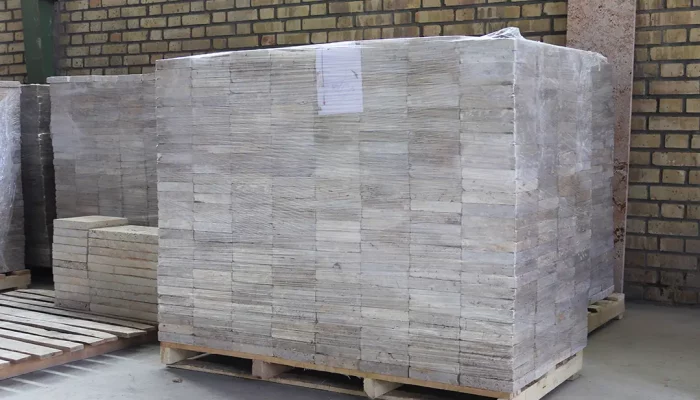
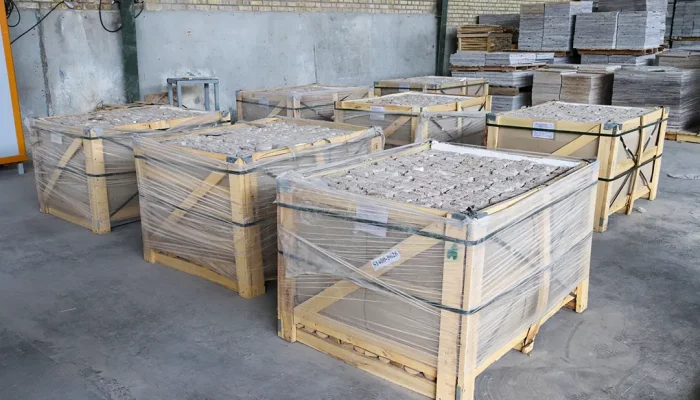
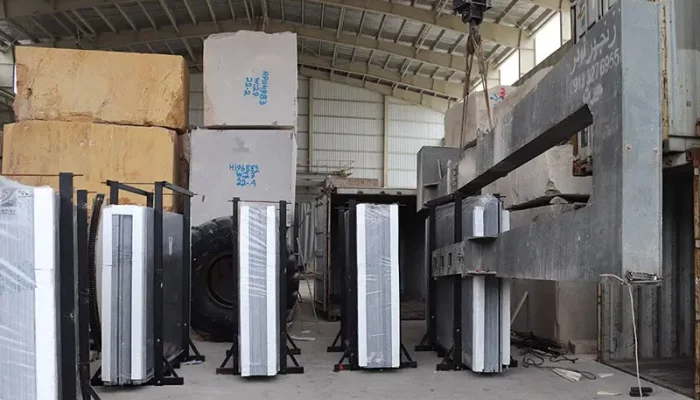
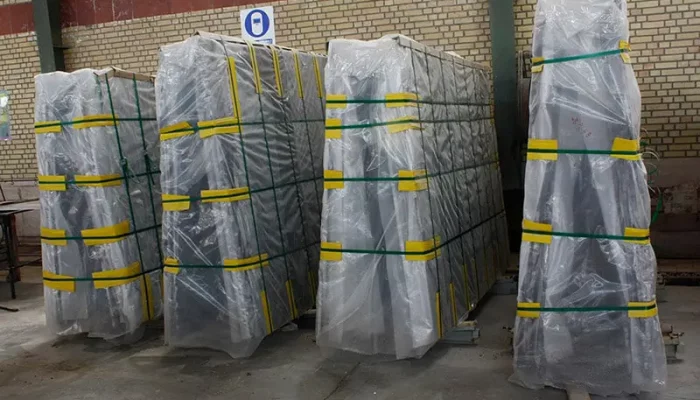
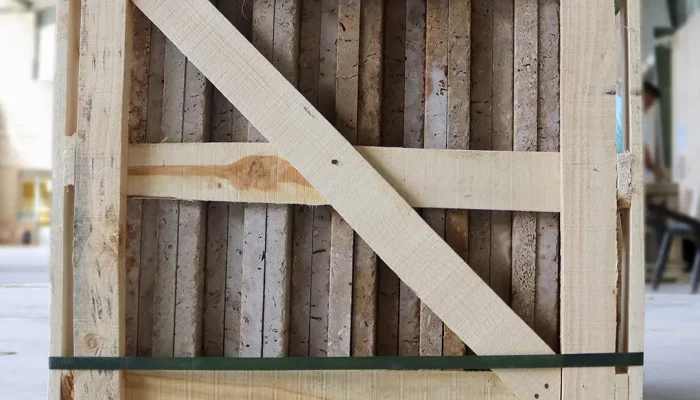
These sixteen packing photographs are the main factory image archive currently displayed at the top of the Karimi Stone packing page. Images are intentionally shown as compact thumbnails to keep the page fast and easy to scan.
Four Questions Before Packing
Slabs, tiles, mosaics, heavy project pieces and bulk products require different support geometry.
Package weight influences structural design, handling equipment and the final loading plan.
Forklift clearance, lifting points, pallet geometry and loading access should be coordinated before production.
Transport mode and destination requirements can affect wood treatment, labeling, protection and shipment documentation.
Packaging Must Work Inside the Transport Chain
Packing is not isolated from transport. Package design, restraint, handling access and load stability should be coordinated with the truck, container and final securing method.
Wood Packaging
For international shipments using regulated raw-wood packaging, applicable destination requirements should be checked. ISPM 15 addresses phytosanitary measures for wood packaging material in international trade.
IPPC · ISPM 15 ↗Container Packing & Securing
The IMO/ILO/UNECE CTU Code provides international guidance on safe packing and securing of cargo in containers and other cargo transport units.
IMO · CTU Code ↗Specific regulatory and customer requirements vary by destination and shipment. Packaging and marking requirements should be confirmed for the actual order before dispatch.
Packing Is the First Logistics Layer
After the stone is packed, the same unit must be handled, loaded, secured and transported. These connected pages explain the next stages.
Product protection and export packaging.
Positioning, restraint and dispatch preparation.
Road, container and international delivery coordination.
Inspection supporting production and project supply.
Natural Stone Packaging Questions
Practical information for buyers reviewing export packaging options.
Which packaging system is suitable for natural stone slabs?
Slabs can be packed in wooden or steel bundle systems depending on stone type, dimensions, shipment method and project requirements. Surface protection, edge protection, strapping and final securing are selected for the shipment.
How are natural stone tiles packed for export?
Tiles may be packed in reinforced wooden crates or on pallets. Protective layers, corner protection, strapping and stretch or shrink wrapping can be used according to the tile format and transport plan.
What packaging is used for mosaic stone products?
The current Karimi Stone packing specification uses carton boxes for mosaic sheets before the cartons are grouped on wooden or metal pallets and secured for shipment.
Can heavy project stone be packed on steel pallets?
Yes. The current packing range includes iron pallets manufactured from steel box sections for thick tiles and heavy project stone.
Does wood packaging for export need phytosanitary treatment?
Requirements depend on the destination and the wood packaging material used. Where ISPM 15 applies, applicable treatment and marking requirements should be confirmed for the shipment.
Need a Specific Packing Method?
Send the stone type, dimensions, quantity, destination and preferred transport method. Our export team can coordinate the packing format with production and loading requirements.