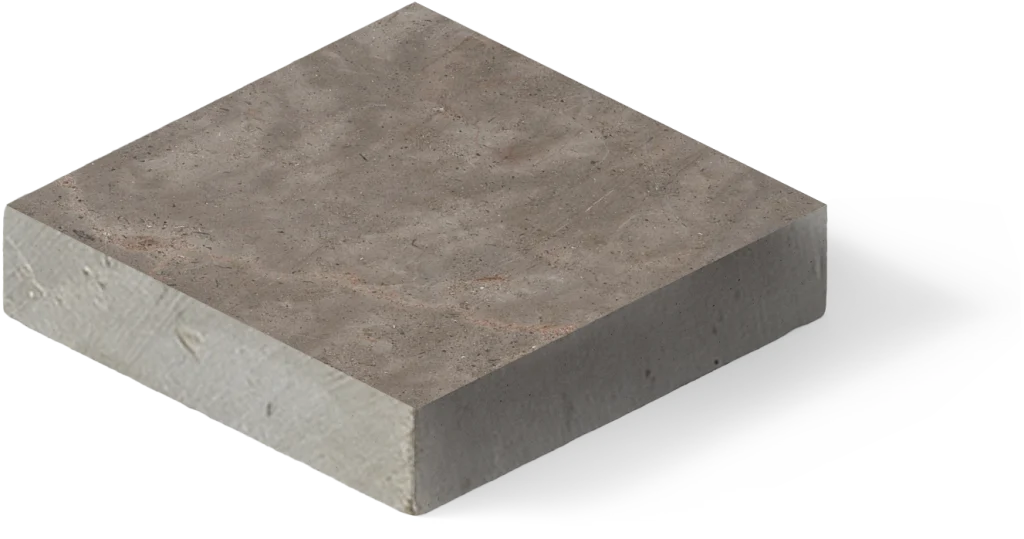
Natural Stone Surface Finishes Choose Texture for the Application
Compare surface finishes for natural stone and understand how each treatment changes texture, reflection, visual depth, maintenance and suitability for different architectural applications. Use the dynamic filters to move from finish guidance to actual Karimi Stone products.
- Finish Range
- 14 categories
- Texture
- Smooth → rough
- Applications
- Interior + exterior
- Selection
- Stone + use
Surface Finishes with dynamic stone filters
Start with the required finish, then refine the collection by stone type and color. The filter and finish results remain dynamic through your existing WordPress taxonomy widgets.
Natural Stone Finishes
Choose a finish to open the complete collection of matching natural stone products.
Surface Finishes from smooth to highly textured
Finish names describe how the exposed face of the stone is processed. For project selection, it is more useful to first understand whether the required surface should be smooth, textured, or intentionally rustic and decorative.
Smooth Finishes
Smooth surface finishes reduce surface relief and emphasize the stone itself. They are frequently selected where touch, visual clarity and easier day-to-day cleaning are important.
- Typical finishes
- Polished · Honed · Rough-honed · Sawn-cut
- Visual effect
- From reflective and high-definition to matte and softly diffused.
- Common direction
- Interior floors, walls, lobbies, stairs, counters and controlled architectural surfaces.
- Consider
- Gloss, scratch visibility, required friction and the exact stone performance.
Textured Finishes
Textured surface finishes increase relief and change how light breaks across the stone. They are often considered for exterior, wet or high-traffic conditions where a less smooth face is required.
- Typical finishes
- Sandblasted · Bush-hammered · Flamed · Brushed
- Visual effect
- Matte, granular, rugged or softly textured depending on the process.
- Common direction
- Paving, exterior floors, landscapes, façades, pool surrounds and public areas.
- Consider
- Cleaning, dirt retention, testing requirements and the stone's response to processing.
Decorative & Rustic
Decorative finishes intentionally create stronger relief, broken edges or repeated line patterns. They are useful when the stone surface itself should become a visible architectural element.
- Typical finishes
- Split-face · Cut-broken · Hand-hammered · Grooved · Scratched
- Visual effect
- Natural fracture, directional lines, handmade texture or deeper shadow.
- Common direction
- Feature façades, villa walls, landscape elements, cladding and custom details.
- Consider
- Joint design, edge geometry, water behavior and cleaning access.
Compare Surface Finishes before choosing the product
Use this as a first design comparison, not as a substitute for testing or project specifications. The same finish can behave differently on different stones.
Glossy · reflective · deeper color
Interior walls, lobbies, selected floors
Reflection and visible scratching; evaluate friction where used for walking surfaces.
Smooth · matte · low reflection
Interior floors, walls, stairs, contemporary surfaces
Balanced visual character, but still evaluate the actual stone and application.
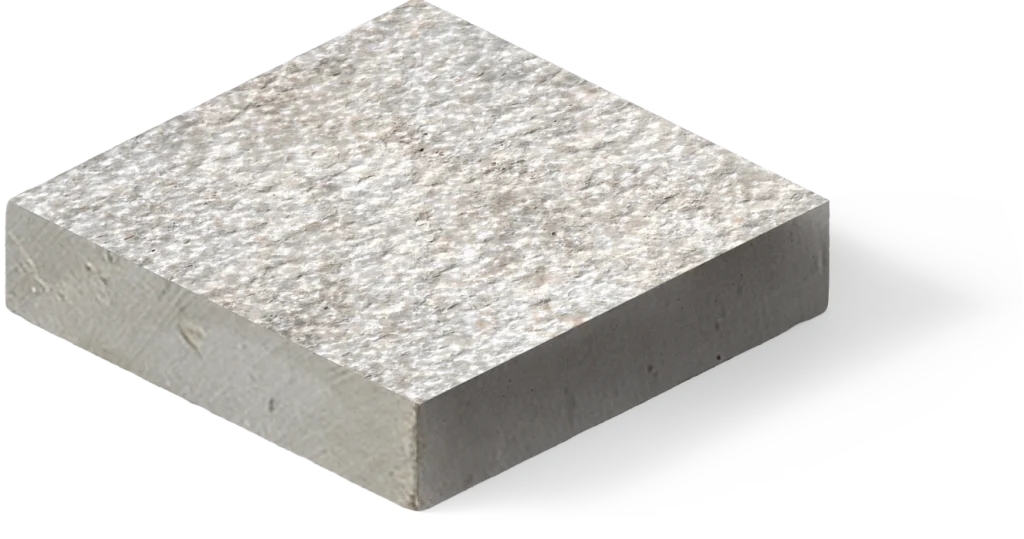
Fine texture · matte · granular
Exterior paving, façades, landscapes
Texture improves surface relief; cleaning strategy should match the application.
Strong relief · rough · diffuse
Exterior floors, yards, public spaces
Deep texture can hold dirt; confirm stone suitability and required finish depth.
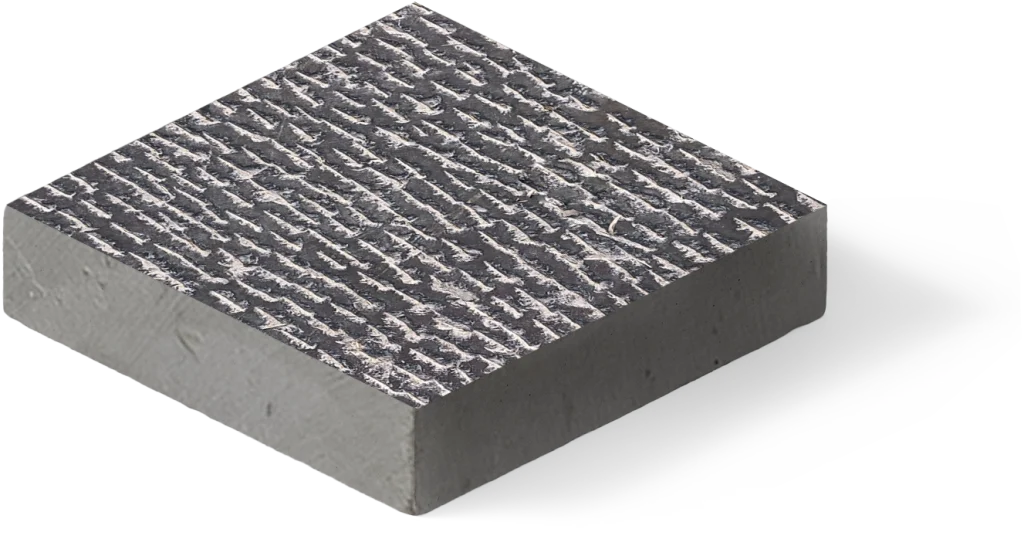
Rugged · thermal texture · matte
Dense stones, exterior paving and circulation areas
Not every stone responds to flaming in the same way.
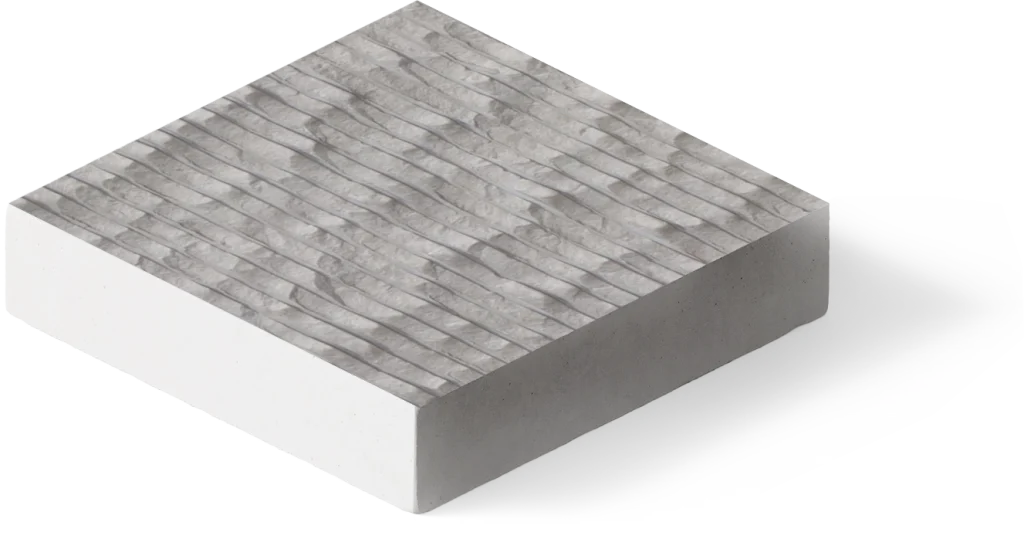
Soft texture · tactile · low gloss
Walls, floors and design-led surfaces
Brush pressure and stone structure affect the final depth and visual movement.
Natural fracture · deep shadow
Exterior walls, villa façades, landscape walls
Greater surface relief affects thickness perception, joints and cleaning.
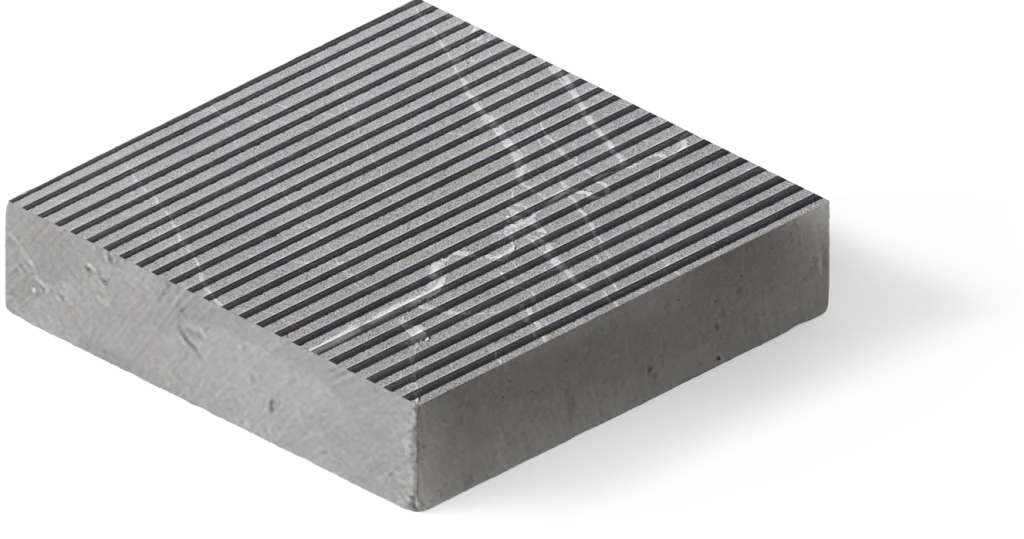
Directional lines · controlled pattern
Feature walls, façades, decorative architecture
Spacing, depth and orientation should be coordinated with drawings.
Surface Finishes affect more than appearance
Processing changes the exposed face of the stone. That can influence how the material looks, feels, reflects light, collects dirt and performs as a walking surface.
Color Depth
Polishing often makes color and veining appear deeper, while honed or strongly textured surfaces can look softer or lighter.
Light Reflection
A polished surface reflects more directional light. Rough textures scatter light and emphasize shadow across the surface relief.
Surface Friction
Stone type, density and finish all influence frictional behavior. Walking surfaces should be evaluated using the requirements of the actual project.
Maintenance
Smooth surfaces are generally easier to wipe, while deeper textures may hide wear but can require more attention during cleaning.
Water & Exterior Use
Exterior and wet applications require consideration of drainage, climate, finish, stone performance and installation—not texture alone.
Visual Scale
Strong textures become more visible on large panels and under grazing light. Approve representative samples at realistic viewing distance.
Slip resistance and other performance requirements depend on the actual stone, finish and project condition. Where required, use applicable testing and specification criteria for the intended installation.
Surface Finishes in practical comparison
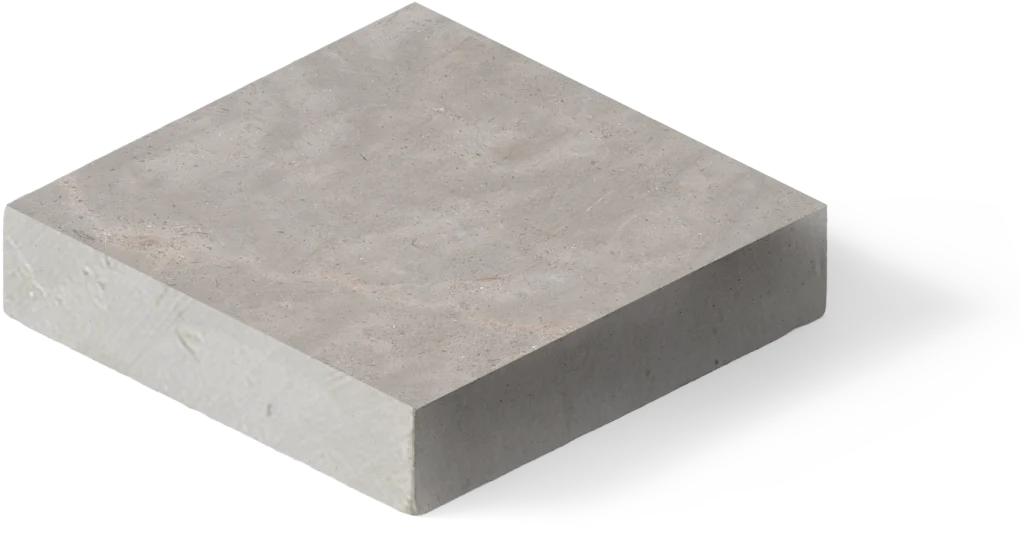
These examples use existing Karimi Stone finish imagery. The final texture still varies by stone, production parameters and the approved project specification.
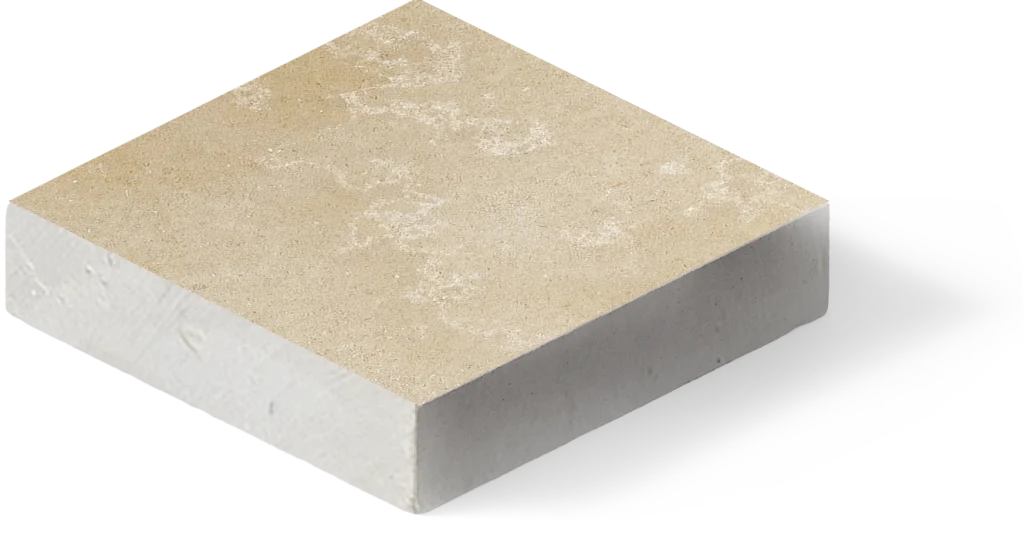
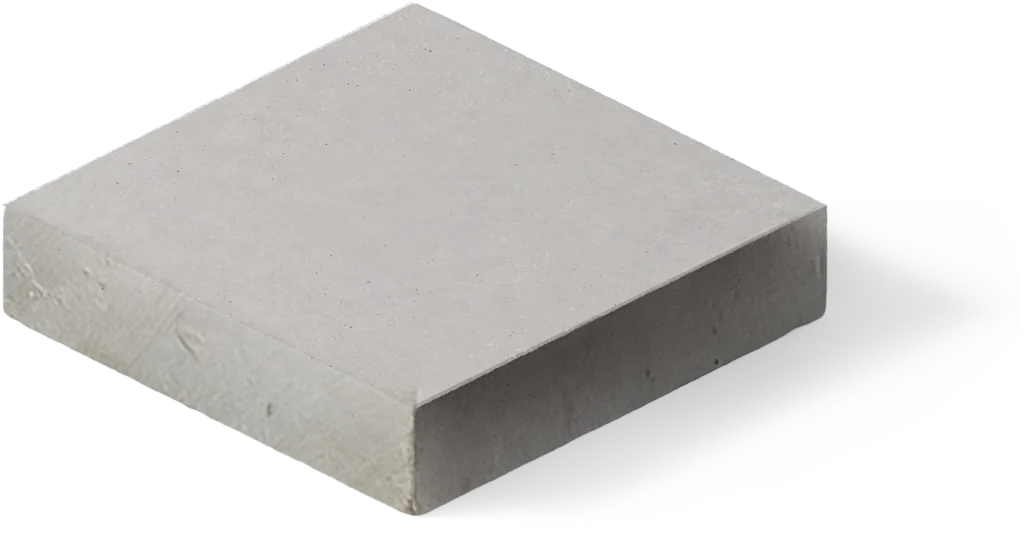
Honed
Smooth without a high gloss. A useful reference finish where a controlled matte appearance is required.
Explore Honed ↗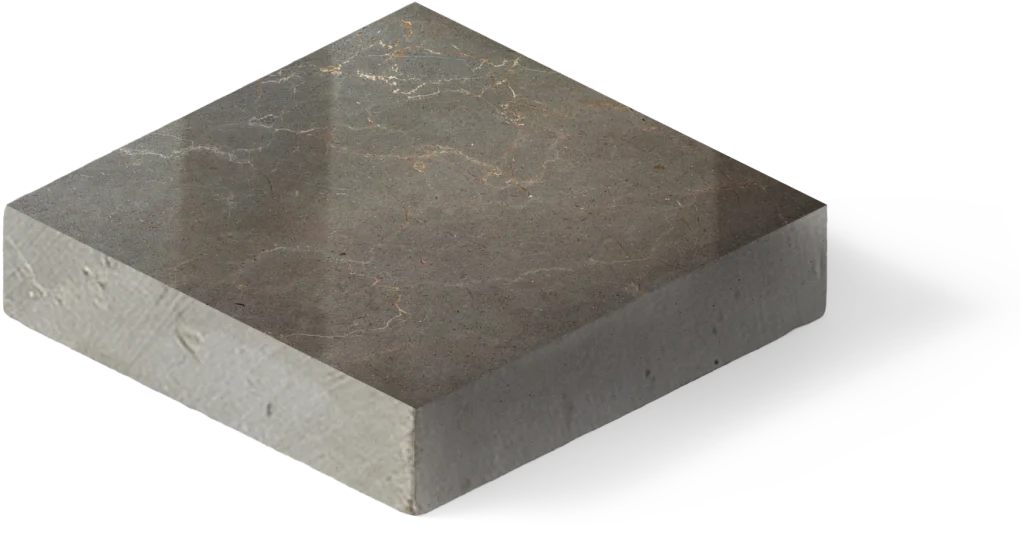
Polished
High surface clarity and reflection that usually increases perceived color depth and vein definition.
Explore Polished ↗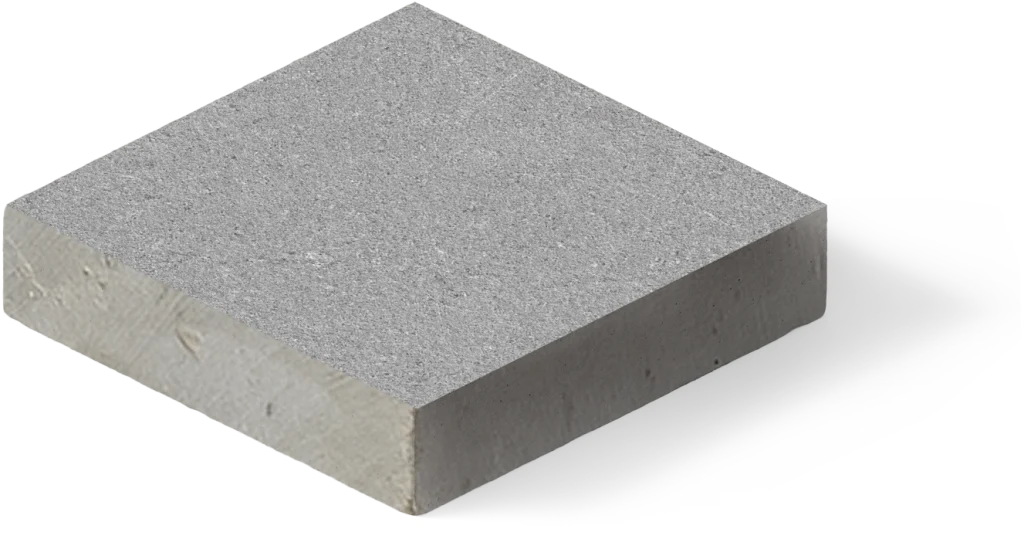
Sandblasted
A controlled granular texture used where a matte, less smooth surface is preferred for architectural applications.
Explore Sandblasted ↗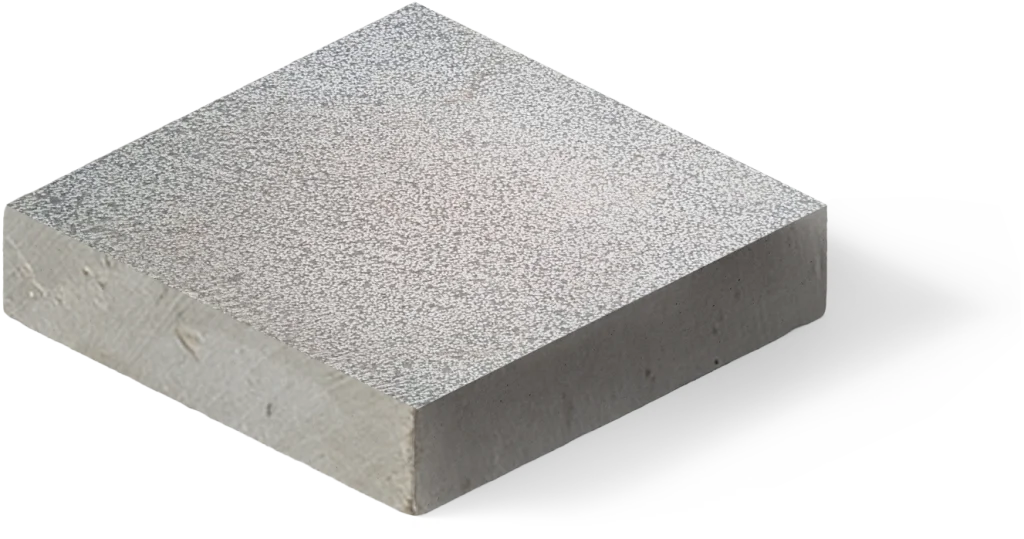
Bush-Hammered
Mechanical impact creates pronounced relief and a strongly diffused surface commonly considered for exterior work.
Explore Bush-Hammered ↗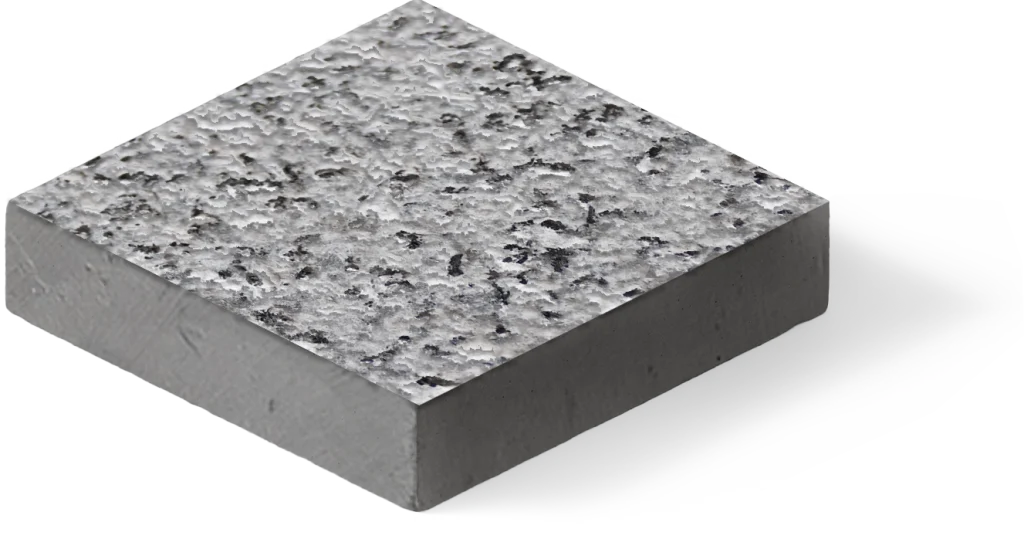
Flamed
Thermal processing produces a rugged face on compatible dense stones and is associated with many exterior applications.
Explore Flamed ↗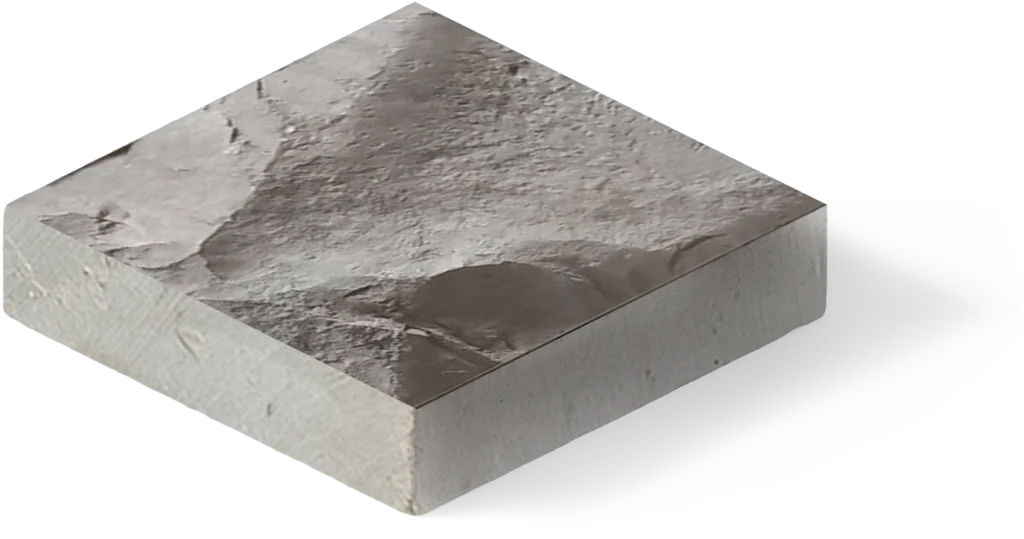
Split-Face
The stone breaks along its natural structure, creating irregular relief, shadow and a visibly rustic surface.
Explore Split-Face ↗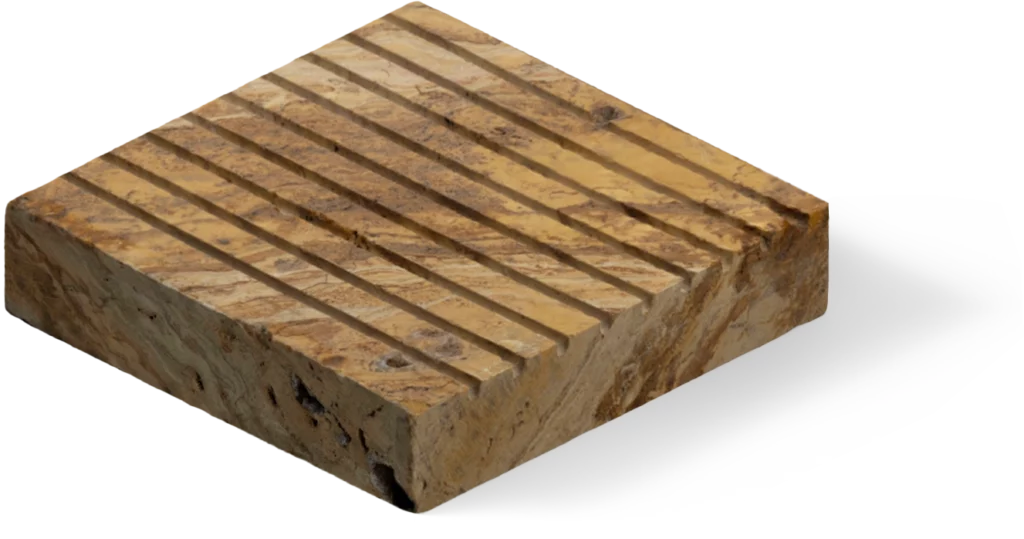
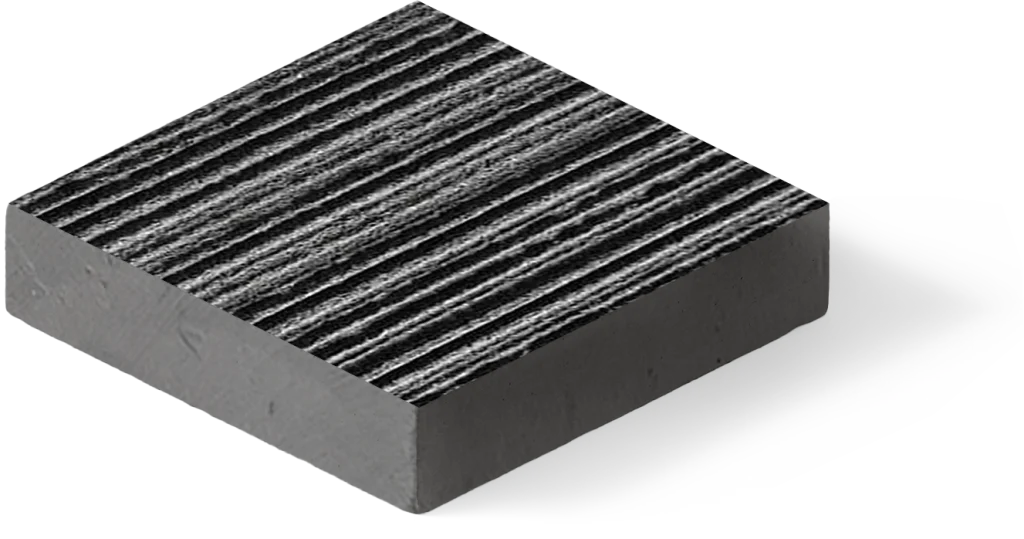
Grooved
Parallel grooves are cut with controlled spacing, width and depth to create a directional architectural pattern.
Explore Grooved ↗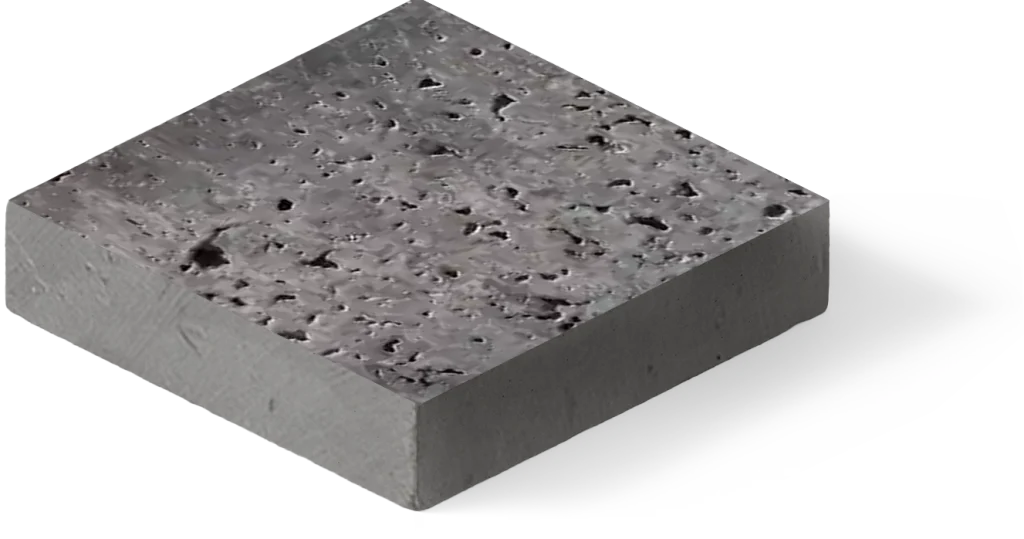
Brushed
Brush processing follows softer areas of the stone and creates tactile depth with less reflection than polished surfaces.
Explore Brushed ↗Surface Finishes should match the stone itself
The current Karimi Stone guide uses these combinations as practical starting points. They are not universal rules: the exact stone, finish depth and project requirements still need verification.
Polished · Honed · Brushed
Common choices where marble's veining and smooth architectural character remain important.
Honed · Brushed · Tumbled
Useful starting points for travertine where pores, directional structure and tactile texture are part of the design.
Honed · Sandblasted · Brushed
These finishes can support limestone's generally quieter visual range while changing surface texture and reflection.
Polished · Flamed · Bush-Hammered
Dense granites can support both highly polished surfaces and stronger exterior textures depending on the material.
Polished · Honed
Smoother finishes are common where color, mineral movement and controlled interior presentation are central.
Choosing Surface Finishes with four project questions
The safest finish decision comes from the application first, then the stone. Color and visual preference should be reviewed after the technical context is understood.
Where Will It Be Used?
Interior wall, exterior façade, dry floor, wet floor, paving, stairs and pool areas create different finish requirements.
Which Stone?
Granite, marble, travertine and limestone do not respond identically to every mechanical, thermal or chemical process.
What Must the Surface Do?
Define the required reflection, tactile texture, cleaning strategy, visual depth and performance criteria before approving samples.
How Will It Look at Scale?
Approve representative pieces under realistic light. Strong texture and directional grooves can look different across large elevations or floors.
Surface Finishes are part of the project specification
Once the finish is selected, it should be coordinated with the exact stone, production sample, dimensions, quality control and intended application.
Define the required texture, reflection and visual direction.
Check whether the selected stone is suitable for the required processing.
Review texture, dimensions, visual range and production consistency.
Send stone, finish, dimensions, quantity, drawings and destination.
Surface Finishes Frequently Asked Questions
Practical guidance for architects, contractors and buyers comparing natural stone finishes.
What is a natural stone surface finish?
A surface finish is the treatment applied to the exposed face of stone after cutting or shaping. It changes texture, reflection and visual character and can also influence practical performance.
What is the difference between honed and polished stone?
Both are smooth finishes. Polished stone has a higher level of gloss and reflection, while honed stone remains smooth but matte or low-reflective.
Which surface finishes are commonly considered for exterior floors?
Textured finishes such as sandblasted, bush-hammered and flamed are commonly considered for exterior applications. The final choice should still be based on the exact stone, project conditions and required testing.
Does surface finish change the color of natural stone?
It can change perceived color. Polishing often makes tones and veins appear deeper, while honed or textured processing can make the same stone appear softer, lighter or less reflective.
Can every finish be applied to every stone?
No. The stone's mineral composition, density, structure and fabrication behavior affect which processing methods are practical. The finish should be confirmed for the specific material.
How should a finish be approved for a large project?
Approve representative production samples or a mock-up rather than relying only on a small sample. Review texture, color response, directional pattern and acceptable production variation.
Need a Specific Stone Surface Finish?
Send the stone type, application, required finish, dimensions, quantity and delivery destination. Our team can review available processing options and prepare the correct production reference for your project.