

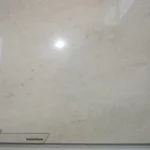








Gohare Cut-Broken Limestone

P2
Slip Rating
V2
Colour Variation
Quality Grade:
SAFDS-34-RWTFE

Technical Specifications

Porosity
2.59%
ASTM C97
Density
2661kg/m³
ASTM C97
Water Absorption
0.53%
ASTM C97
Compressive Strength
19.4MPa
ASTM C170
Abrasion Resistance
59.31mm
EN 14157
Cold Resistance
-15°C
Standard
Heat Resistance
100°C
Standard
Flexural Strength
12.4MPa
Standard

Project Configuration

Installation & Care

Dry Cladding (Mechanical Fixing)

Traditional Mortar (Wet Fixing)

Avoid abrasive brushes

Alkaline stone cleaner

About This Material

Gohare Cut-Broken Limestone

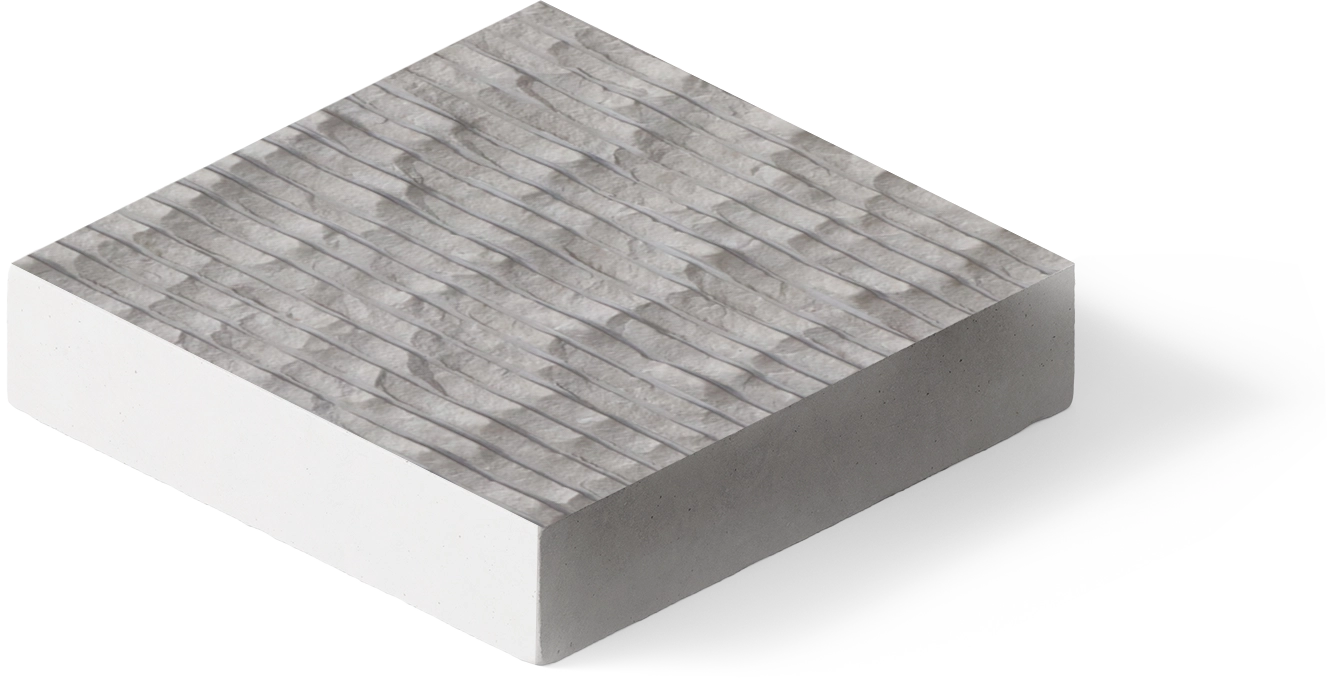
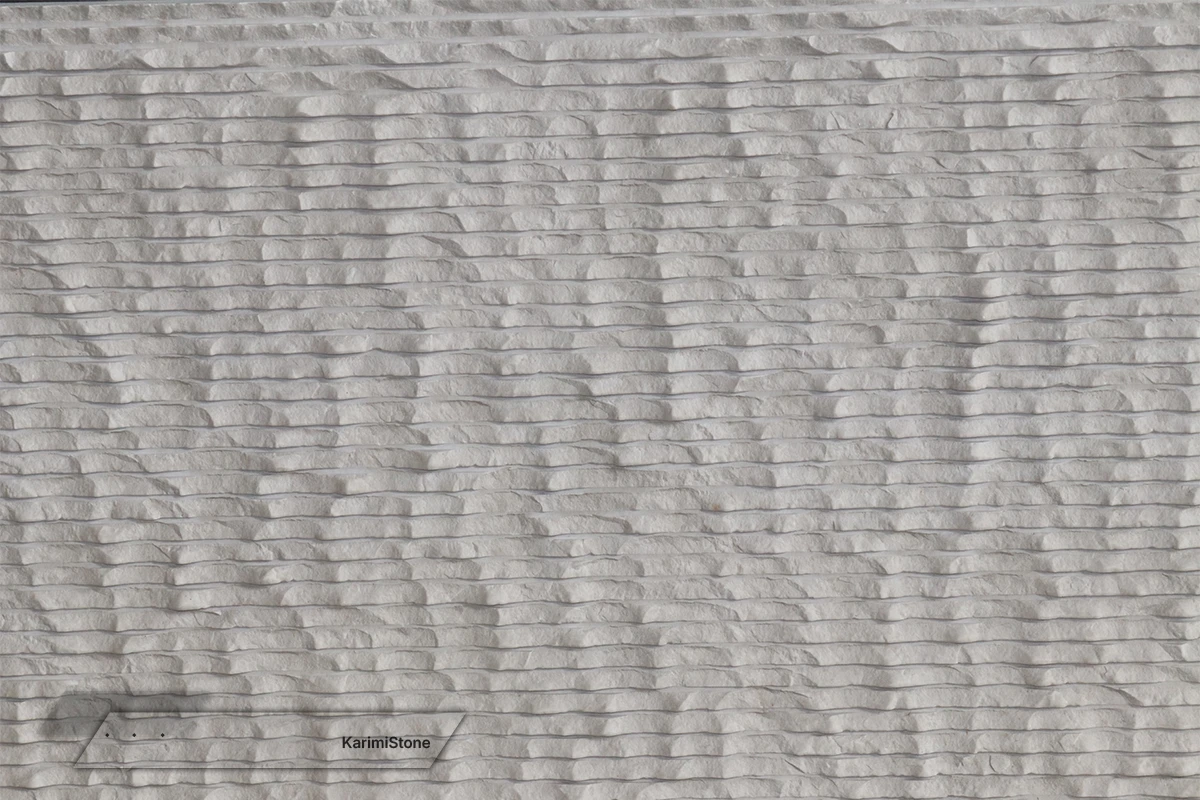
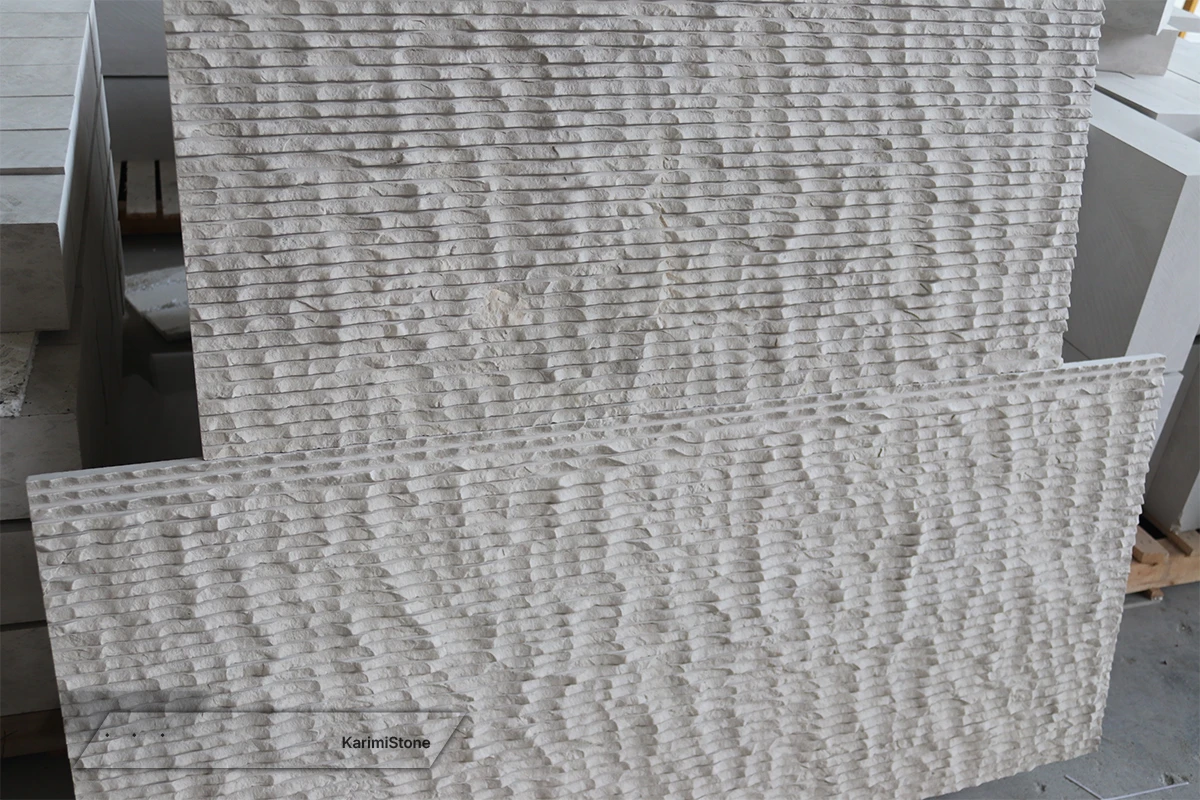
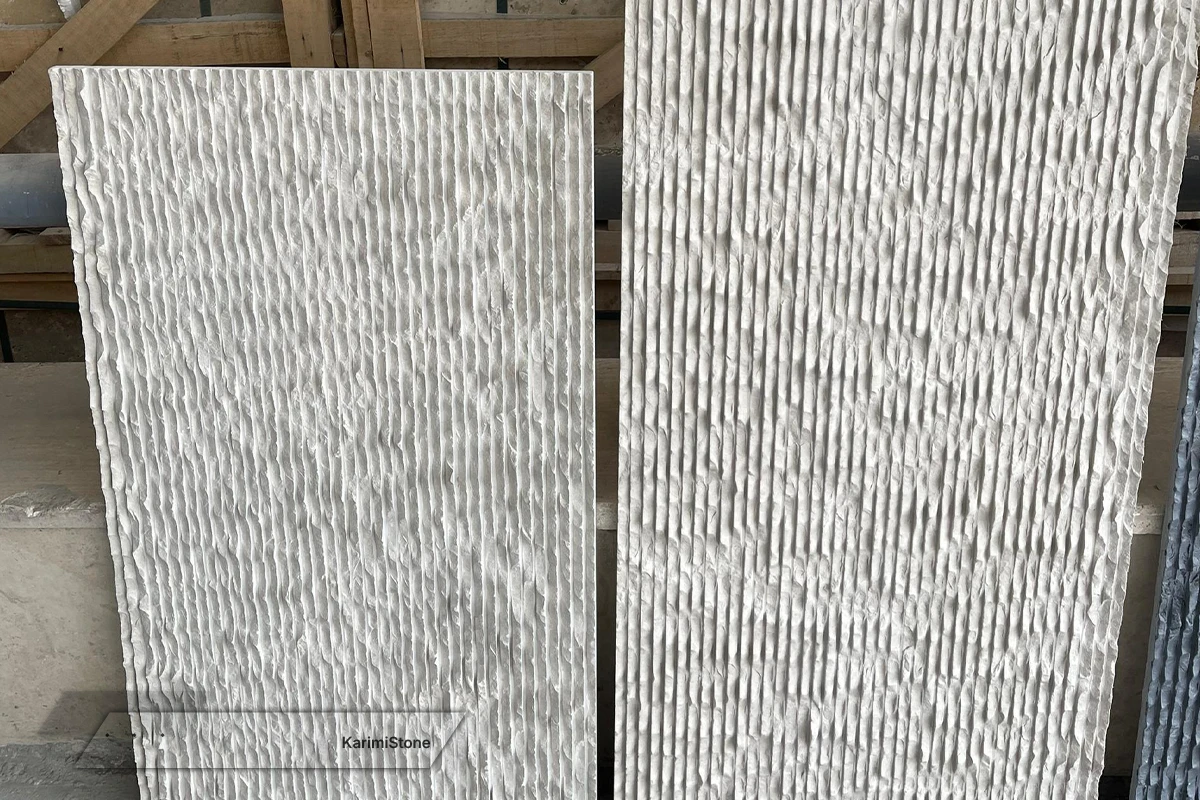
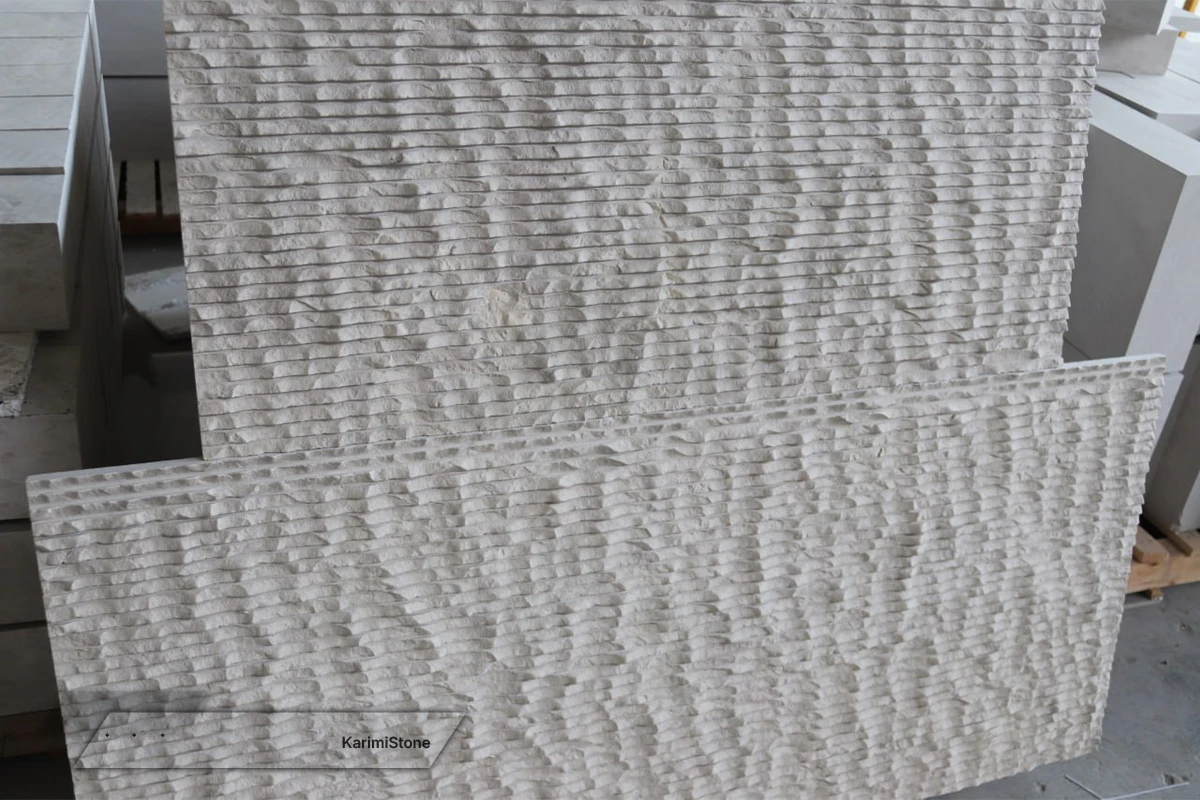
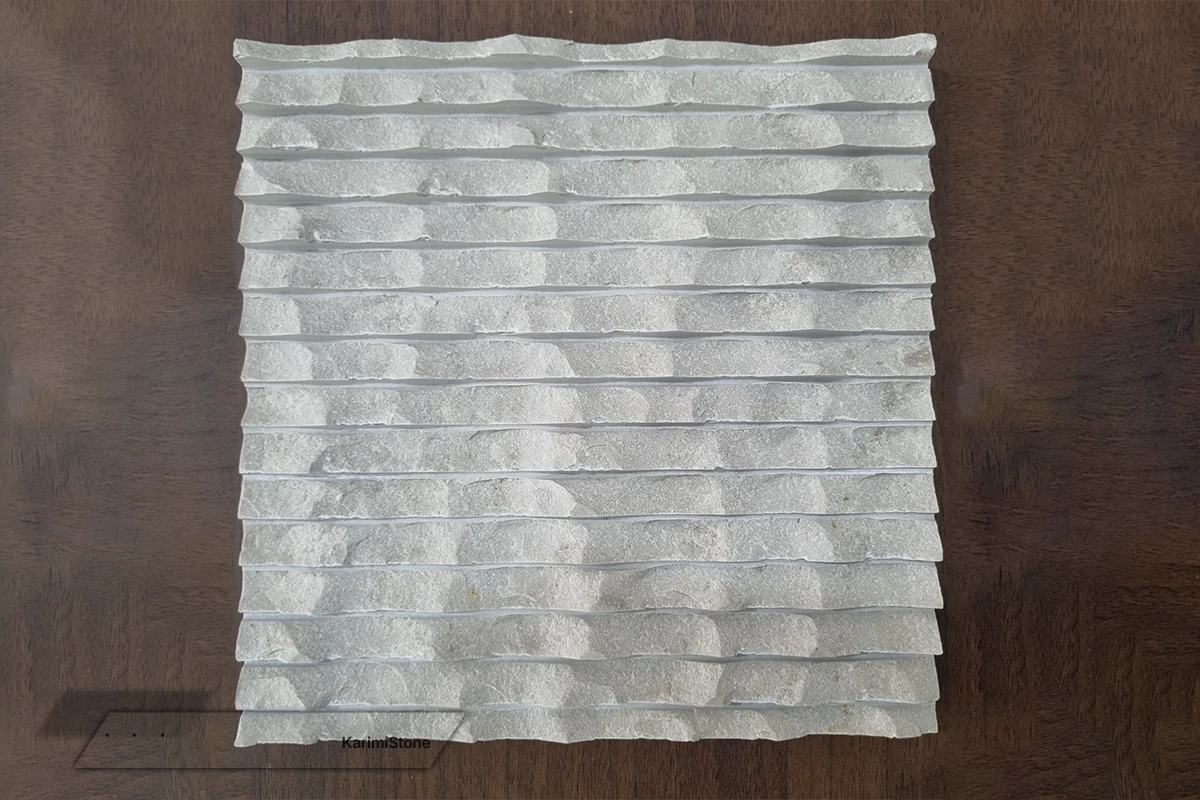
Gohare Cut-Broken is a textured architectural finish produced from Iranian Gohare limestone. Its surface combines mechanically cut grooves with controlled breaking to create irregular ridges, a matte appearance and strong light-and-shadow contrast.

Gohare limestone is extracted near Khorramabad in Lorestan Province, western Iran. Its light cream-to-beige background, fine structure and occasional grey fossils provide a suitable base for textured façade panels and decorative wall elements.
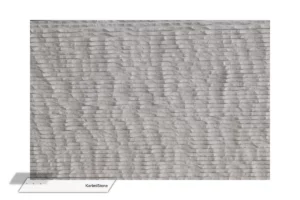
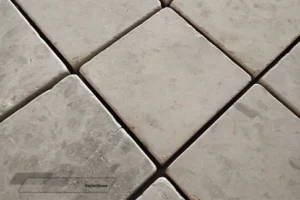
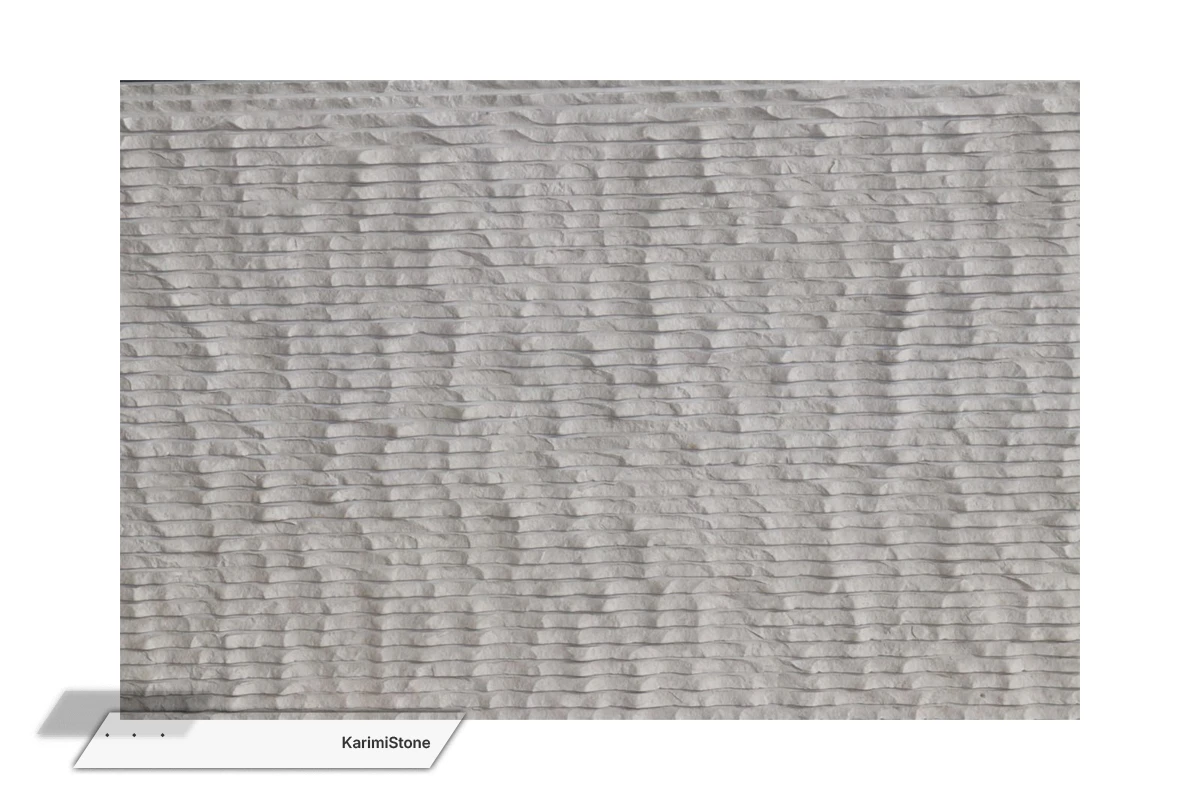
Gohare Cut-Broken cream limestone with controlled broken ridges
Gohare Cut-Broken limestone with a structured broken surface

What is the Gohare Cut-Broken finish?

Gohare Cut-Broken is created through a combination of cutting and controlled mechanical breaking. First, parallel grooves are cut into the surface. The raised sections between or beside the grooves are then broken by hand tools or mechanical equipment.

This process creates an uneven surface that remains organized by the original groove pattern. Unlike polished limestone or honed limestone, the aim is not to produce a flat face. The remaining ridges intentionally interact with natural and artificial light.

Production process

  1. Block selection: Quarry blocks are selected according to color, fossil concentration and structural condition.
  2. Cutting: Blocks are cut into slabs, tiles or façade components.
  3. Calibration: Pieces are adjusted to the required thickness.
  4. Grooving: Parallel cuts are made according to an approved sample or drawing.
  5. Controlled breaking: The raised sections are mechanically or manually broken.
  6. Cleaning: Loose particles and processing dust are removed.
  7. Inspection: Texture, dimensions, thickness and edge condition are checked.

The depth and density of the texture can vary according to groove spacing, cutting depth, tool type and breaking pressure. A physical reference sample should therefore be approved before mass production.

Appearance and sorting

Gohare Cut-Broken Limestone normally has a light cream, beige or greyish-cream background. Grey fossil markings may appear with different levels of concentration.

  • Low-fossil selection: Cleaner and more uniform background
  • Medium-fossil selection: Balanced natural fossil distribution
  • High-fossil selection: More visible grey fossil patterns

This classification is based on appearance rather than an independent technical quality grade. Because the broken surface can make fossils more visible, careful sorting is important for large façades.

Main benefits of Gohare Cut-Broken

  • Three-dimensional texture: Broken ridges create depth across the stone face.
  • Strong shadow lines: The surface changes visually according to the direction of light.
  • Low reflection: The broken surface produces less glare than polished stone.
  • Controlled manufacturing: Groove spacing and breaking intensity can be defined through samples.
  • Suitable for vertical surfaces: The finish is primarily designed for façades and walls.
  • Reduced visibility of minor surface marks: Small marks are generally less visible than on smooth glossy stone.

Technical specifications

The following figures are indicative values for Gohare limestone. Results may vary according to quarry section, block, production lot, sample orientation and laboratory method.

Property Indicative value Reference
Stone classification Natural limestone Geological classification
Color Light cream to beige Visual sorting
Water absorption Approximately 0.53% ASTM C97
Bulk density Approximately 2661 kg/m³ ASTM C97
Porosity Approximately 2.59% ASTM C97
Compressive strength Approximately 19.4 MPa ASTM C170
Flexural strength Approximately 12.4 MPa Laboratory report
Abrasion test result Approximately 59.31 mm EN 14157

Values must be confirmed through the certificate for the supplied lot. ASTM C97/C97M covers absorption and bulk specific gravity testing for dimension stone. More information about natural-stone testing is available from the Natural Stone Institute.

Applications of Gohare Cut-Broken Limestone

Gohare Cut-Broken is mainly recommended for vertical applications where its textured surface can be seen clearly:

  • Exterior building façades
  • Interior architectural walls
  • Entrance walls and portals
  • Commercial and public building cladding
  • Lobby and reception walls
  • Stairwell walls
  • Landscape and boundary walls
  • Custom façade panels

The finish is generally not intended for countertops or working surfaces because the deep texture is more difficult to clean. Flooring applications should also be evaluated carefully because the raised ridges may create an uneven walking surface.

Exterior installation

Exterior use of Gohare Cut-Broken Limestone depends on panel dimensions, remaining stone thickness, climate, anchoring and water management. Surface breaking does not make limestone completely waterproof or frost-proof.

Mechanical fixing is generally recommended for façade panels according to engineering calculations and local regulations. The anchor must connect to a structurally sound part of the panel rather than a thin or heavily broken surface section.

In cold or wet climates, project-specific testing, protected joints, suitable drainage and a compatible penetrating sealer may be required. Sealers can reduce moisture penetration but cannot replace correct installation.

Cleaning and maintenance

  • Remove dust with a soft brush or controlled low-pressure air.
  • Use a pH-neutral cleaning product suitable for limestone.
  • Avoid vinegar, acidic cleaners and aggressive chemicals.
  • Do not use uncontrolled high-pressure washing.
  • Inspect façade anchors, joints and drainage periodically.

Available formats

Negin Sang Karimi can manufacture Gohare Cut-Broken as tiles, façade panels, battens, free-length pieces and custom cut-to-size components. Final availability depends on thickness, dimensions and the selected texture.

Related products include Gohare Grooved, Gohare Honed and the complete Gohare limestone collection.

Production and export by Karimi Stone

Negin Sang Karimi (Karimi Stone) manages block selection, cutting, grooving, controlled breaking, sorting, quality control and export preparation.

Before packing, pieces are inspected for dimensions, thickness, surface depth, texture consistency, edge condition and visible cracks. Export packing can be prepared in reinforced wooden crates with separators and internal protection suitable for textured stone.

For samples, technical documents or a quotation for Gohare Cut-Broken, please contact Karimi Stone.

Frequently asked questions

Is Cut-Broken the same as Split-Face?

No. Cut-Broken normally starts with controlled grooves followed by breaking. Split-face is created by splitting the stone to expose a naturally fractured face.

Can the texture be customized?

Yes. Groove spacing, cutting depth and breaking intensity can be adjusted within production limits.

Is this finish suitable for flooring?

It is primarily intended for vertical surfaces. Flooring use requires an evaluation of walking comfort, cleaning and safety.

Can it be used in cold climates?

Use depends on lot-specific test results, drainage, fixing details and environmental exposure. No limestone should be described as frost-proof without appropriate testing.

Leave a Reply

Your email address will not be published. Required fields are marked *

How would you rate this?
- Select a rating


Reference Catalog

Stone Size Guide

Standard slab, tile, pattern and step sizes to help plan your takeoffs and orders. Dimensions are shown in centimeters unless otherwise stated.

Standard offering ! Tolerance indicated as ±

Slabs

Standard slab supply for project-scale cutting and fabrication.

Standard Slab

Dimensions (cm)
  • (250 × 150) ±20
  • (250 × 150) ±20
Thickness
  • 2 cm
  • 3 cm

Big Slab

Dimensions (cm)
  • (270 × 170) ±20
  • (270 × 170) ±20
Thickness
  • 2 cm
  • 3 cm
Tolerance applies to length and width. Thickness tolerance is available upon request.

Ask Price

Name(ضروری)
Product Details
SKU Code
SAFDS-34-RWTFE
Internal reference
Product Title
Gohare Cut-Broken Limestone
Public name
Cut broken natural stone finish Surface Finish 01

Karimi Stone · Finish Guide

Cut Broken Finish

A structured, natural-looking surface with controlled broken grooves that softens reflections and adds depth to façades and feature walls.

Textured, non-polished Natural broken grooves Designed for façades

Soft, leather-like texture

In a cut broken finish, the stone is first sawn into slabs, then the face is worked with machine and hand tools to create controlled grooves and broken ridges. Instead of a flat, polished surface, it produces a matte, non-reflective texture. Light catches the small steps and fractures, adding depth and a handcrafted architectural character.

Reflection Low and diffused
Character Broken and tactile
Visual effect Deep natural shadows
Karimi Stone · Natural Stone Surface Library Cut Broken Finish

Slip Rating & Wet Pendulum Guide

A concise overview of P1–P5 slip ratings so you can align each Karimi Stone finish with the right space, moisture level and safety expectation.

OVERVIEW

P1 → P5 safety band
P1 P2 P3 P4 P5
What the Wet Pendulum Test (WPT) tells you
The WPT measures how slippery a surface becomes when wet. Each finish is given a P rating from P1 (higher slip risk) through to P5 (maximum grip). As the number increases, the expected slip resistance also increases.

RATING SCALE SNAPSHOT

From higher slip risk to maximum grip
Each Karimi Stone P icon below is your quick visual code before checking detailed applications.

P1 → P5  Left = smoother | Right = more textured

P1

Dry circulation

Higher slip risk

For dry-only walkways and light traffic areas where water is not expected on the surface.

P2

Light splash

Occasional moisture
Bathrooms, small kitchens and transition areas that see brief, easily managed water.
P3

Everyday wet public

Balanced grip
Entries, amenities, undercover car parks and fresh food retail where wet floors are common.
P4

High exposure

Wet, high traffic
Pool surrounds, communal showers and external ramps under 1:14 where water is constant.
P5

Maximum grip

Highest safety band

Commercial kitchens, covered loading docks and pool ramps or stairs leading into water.

HOW TO READ THIS POPUP

Start with water, movement and consequence
Consider how wet the floor can get, how quickly people move, and how critical a slip could be. Then use the cards below to align each area of your project with a suitable P rating before you select a Karimi Stone finish.

TYPICAL APPLICATIONS

P1 – dry circulation
Higher slip risk when wet

P1
For areas intended to remain dry with controlled walking speeds – such as supermarket aisles, separate shops inside centres or dry lobby and corridor zones.
Retail aisles
Dry-only entries
Light traffic

P2 – light splash
Transitional & semi-wet areas

P2
For spaces where occasional water is expected but quickly managed – like hotel bathrooms, apartment kitchens, laundries and transition zones between wet and dry areas.
Hotel bathrooms
Apartment kitchens
Laundries

P3 – regularly wet public
Balanced everyday grip

P3
Used where wet conditions are common – entries and access ways, toilet facilities in public buildings, undercover car parks and fresh food retail areas.
Public entries
Toilet facilities
Undercover parking

P4 – high exposure
Wet, high traffic environments

P4
Selected for consistently wet and busy areas such as pool surrounds, communal showers, external ramps under 1:14 and service zones behind bars.
Pool surrounds
Communal showers
Light traffic

P5 – maximum grip
Demanding commercial use

P5
For the most demanding applications: commercial kitchens, loading docks under cover, steep external ramps, swimming pool ramps and stairs leading into water.
Commercial kitchens
Loading docks
Pool ramps & stairs
TEST STATUS CODES

Where a P rating is not shown

For the most demanding applications: commercial kitchens, loading docks under cover, steep external ramps, swimming pool ramps and stairs leading into water.

?

N/T

No Wet Pendulum slip testing has yet been performed on this surface finish.

N/A

Wet Pendulum testing is not applicable or cannot be performed for this surface format.

W

WPT

Indicates that the Wet Pendulum Test method has been used to determine the rating.

Always refer to the specific data sheet for each Karimi Stone product to see which of these codes or P ratings apply.

Information disclaimer

This guide is a general summary only and does not constitute legal or compliance advice. Slip resistance requirements vary by project, location and use. Always confirm ratings and regulatory obligations with qualified slip-rating and building-compliance professionals before final specification.

Colour Variation Guide

A premium, visual overview of how colour movement evolves from calm, uniform surfaces to high-impact, expressive finishes.

Variation scale

Choose a variation level

V2 selected

V0
V1
V2
V3
V4
Calm & uniform
Highly varied
Reading the scale
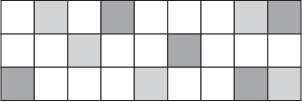
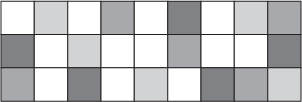
V0 is almost seamless with minimal tone shifts, while V4 is bold and highly expressive. Use this guide to align the surface movement with the mood of your space.
Variation reference cards

Near-Zero Variation – V0

Ultra-consistent tone with almost no visible shift between pieces. Ideal for gallery-like, minimal interiors where the surface should visually disappear.

Soft Variation – V1

Delicate, low-contrast changes gently break up the surface. A refined choice for calm kitchens, ensuites, and open-plan living spaces.

Moderate Variation – V2

Balanced, natural movement with visible differences in tone. Adds character and depth while staying easy to style with cabinetry and textiles.

Expressive Variation – V3

Stronger contrast from piece to piece with noticeable light and dark areas. Best when you want the surface to act as a key design feature.

High-Drama Variation – V4

Pronounced shifts in hue and tone, creating a richly patterned, statement finish. Ideal for feature walls, dramatic floors, or high-impact spaces.

Request Quote

این قسمت برای اهداف اعتبارسنجی است و باید بدون تغییر باقی بماند.
Name(ضروری)