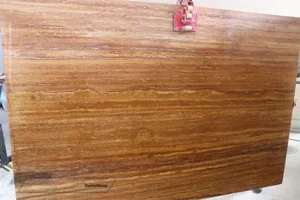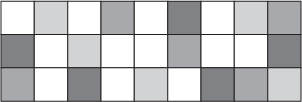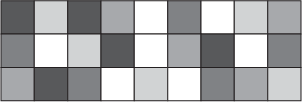







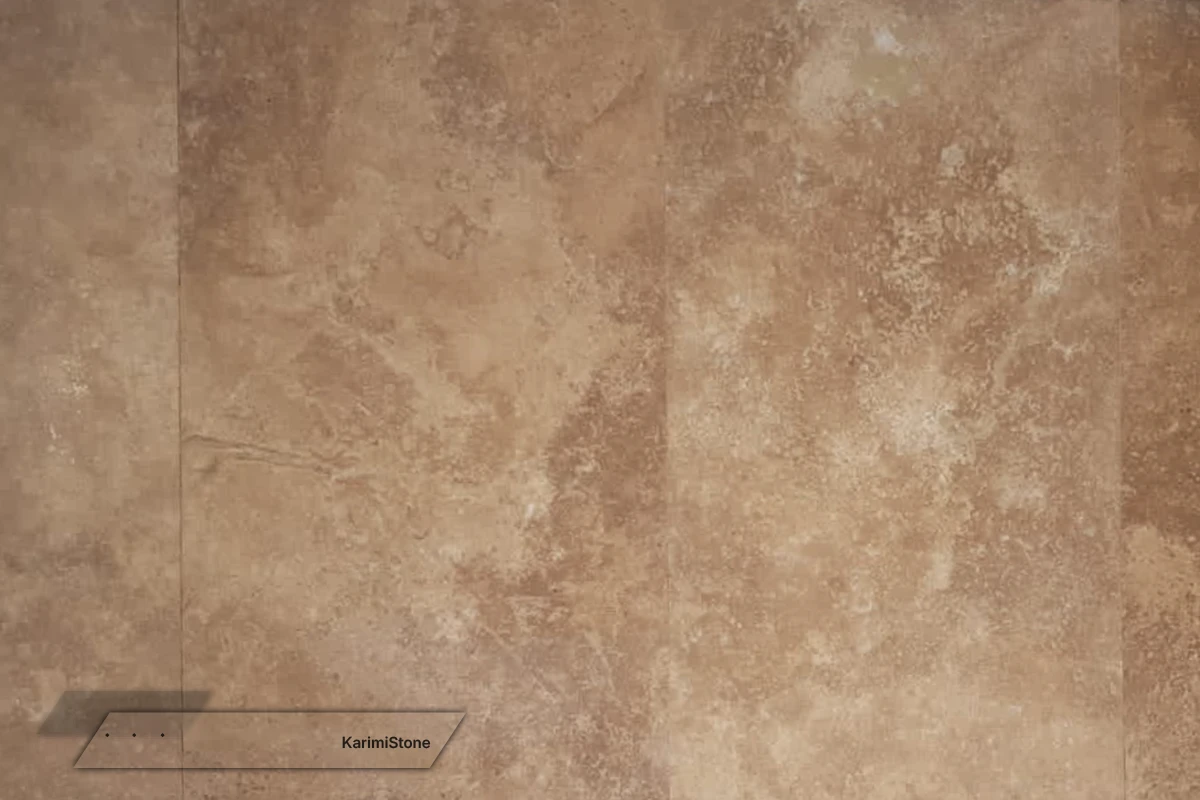
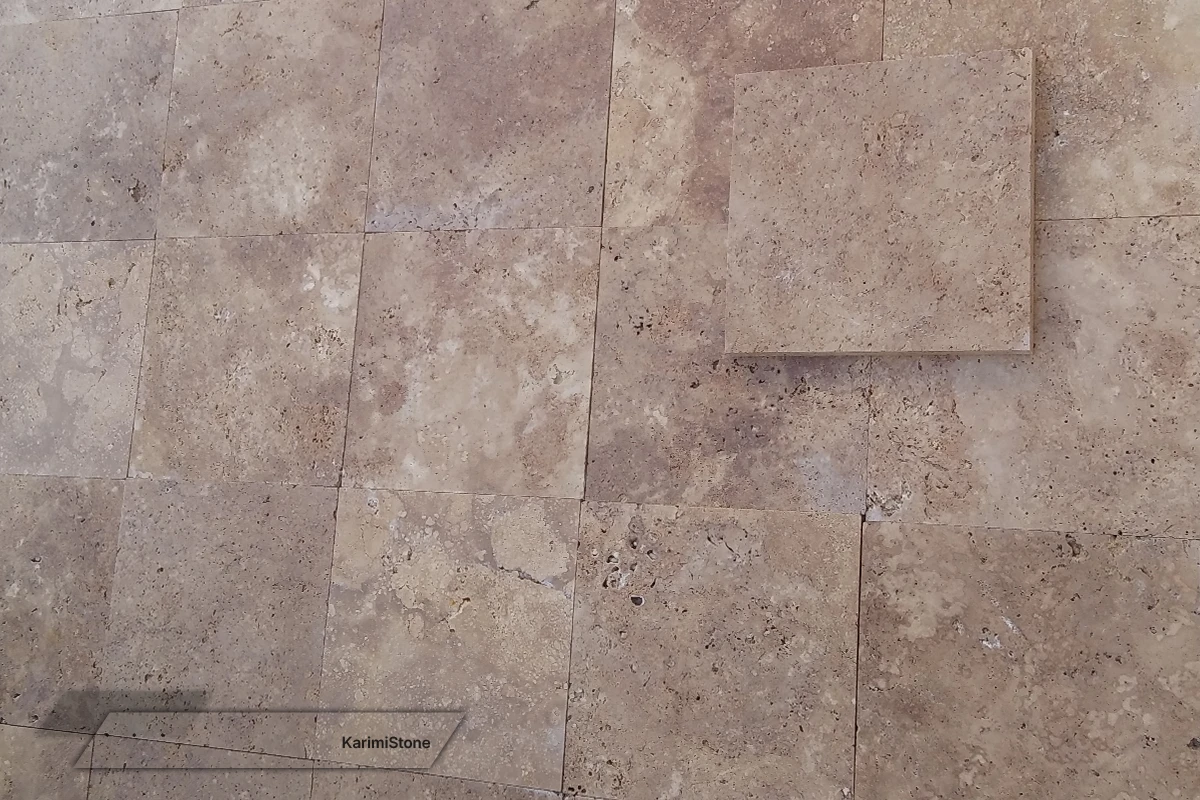
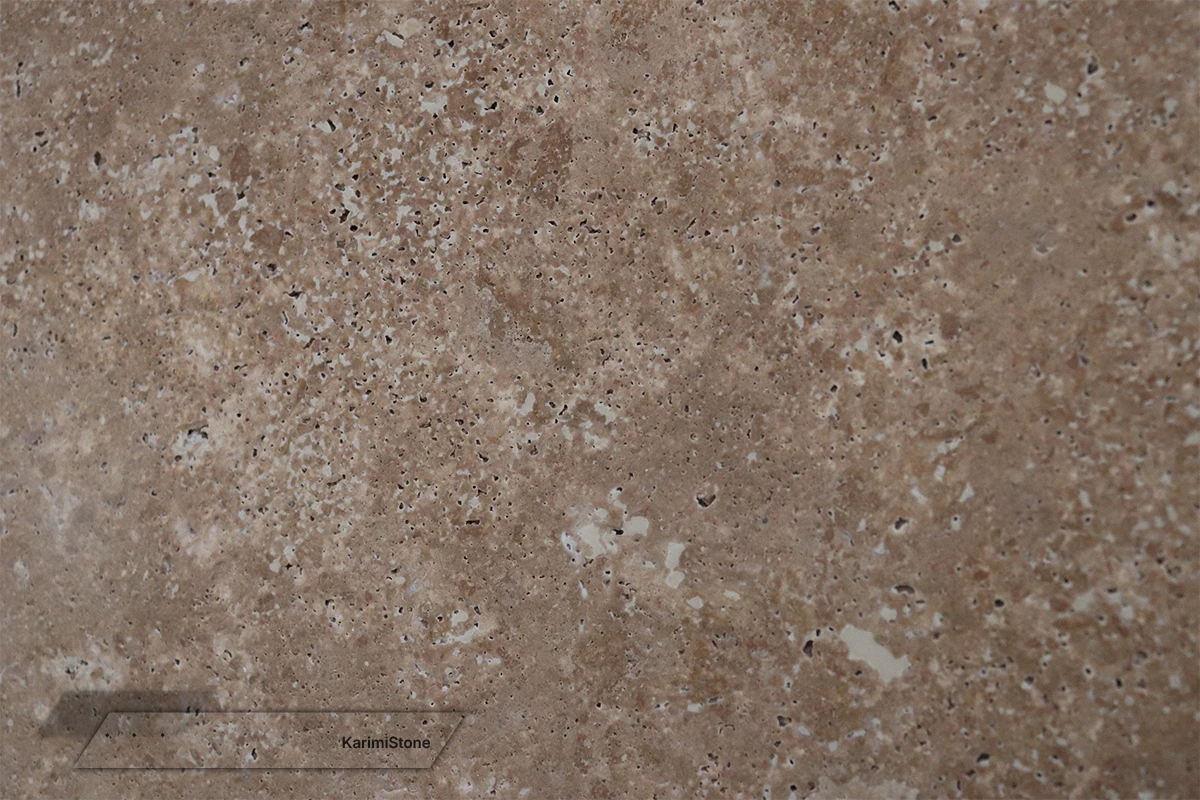
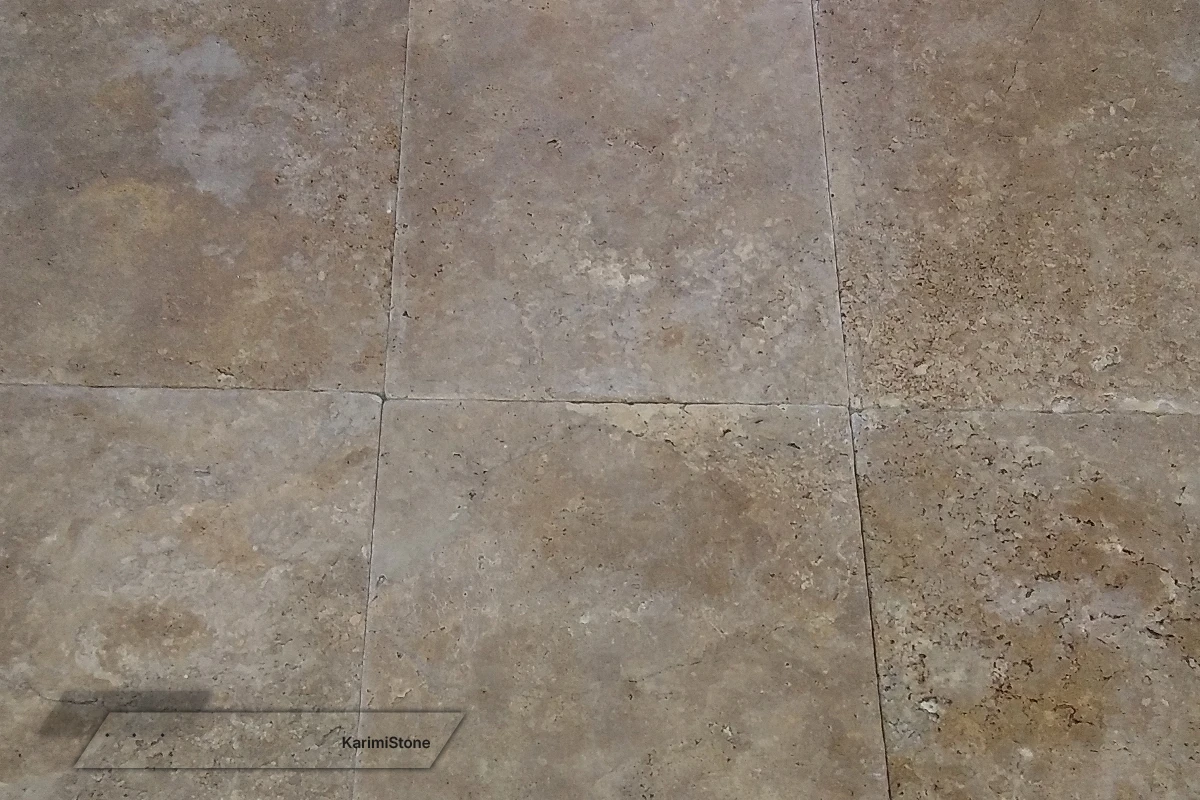
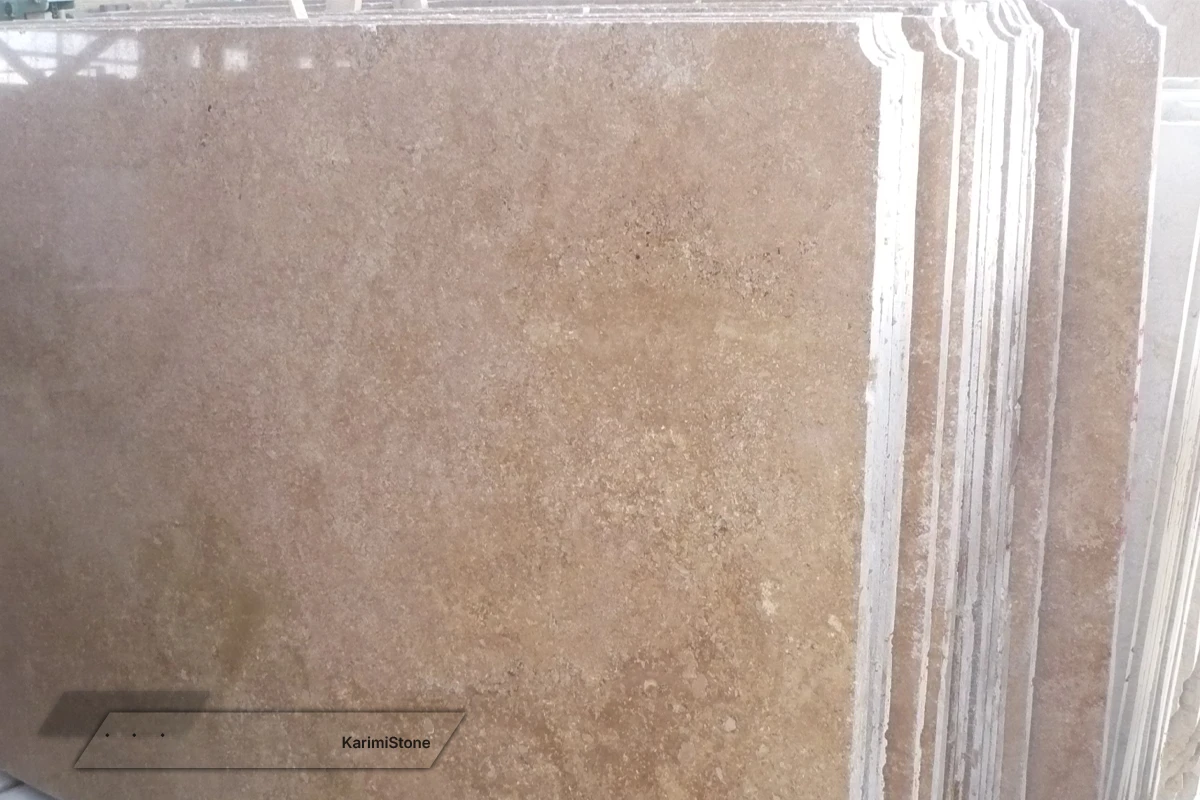
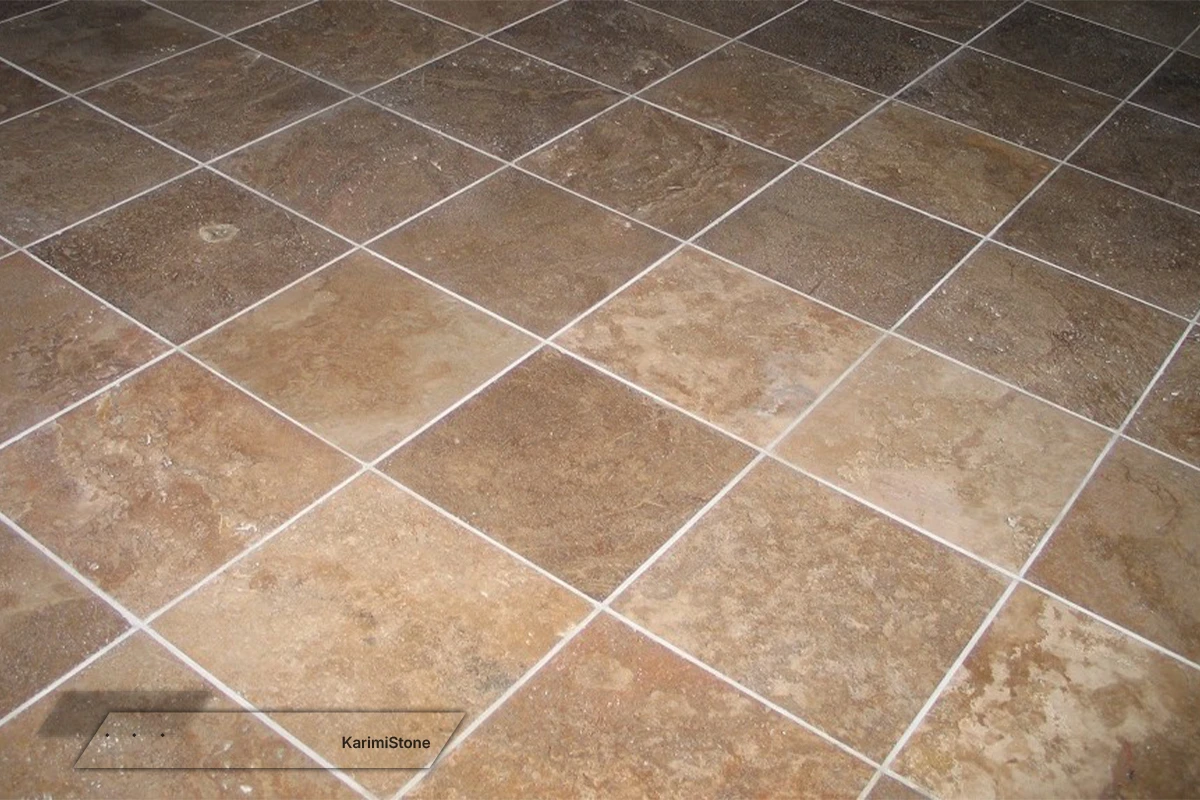


Brown Travertine Honed Cross-Cut is an Iranian natural stone characterized by warm brown, coffee, honey, beige-brown, and chocolate tones, natural pores, a smooth matte surface, and a soft non-directional mineral pattern. The combination of a Honed finish and Cross-Cut pattern creates a controlled architectural appearance with low reflection while preserving the natural depth and geological character of the stone.
In Cross-Cut production, the travertine block is cut across its natural sedimentary layers. Instead of long directional veins, the surface reveals cloud-like, rounded, flowing, and irregular mineral patterns. Honing then refines the surface until it becomes smooth and matte without developing the strong reflection associated with polished stone.
Brown Travertine Honed Cross-Cut can be considered for interior walls, flooring, stairs, entrance areas, hotel interiors, villas, exterior walls, courtyards, landscape elements, fireplaces, elevator surrounds, and other architectural applications.

What Is Brown Travertine Honed Cross-Cut?
Brown Travertine Honed Cross-Cut combines a smooth low-reflection surface with a naturally irregular and non-directional stone pattern.
The Cross-Cut direction determines the visual structure of the stone. The geological layers appear as cloudy, rounded, and irregular forms rather than long parallel bands.
The honed finish controls the physical surface. Mechanical grinding creates a smooth and even face while stopping before high gloss develops.
The result is a warm natural stone with visible pores, balanced mineral movement, and a refined matte appearance.
What Is Brown Travertine?
Brown Travertine is a natural calcium-carbonate stone formed through mineral deposition from mineral-rich water.
As the stone develops, natural layers, pores, cavities, and mineral patterns form within its structure. The U.S. Geological Survey (USGS) describes travertine formation through calcium-carbonate precipitation from mineral-rich water.
Brown Travertine may include:
- Light brown tones
- Coffee brown
- Beige-brown
- Honey brown
- Yellow-brown
- Reddish-brown
- Dark chocolate brown
- Cream and beige mineral areas
The brown coloration is influenced by naturally occurring minerals in the stone formation, including iron-bearing minerals.
Iranian Brown Travertine Sources
Brown Travertine is extracted from several established quarry regions in Iran.
Important sources include:
- Kashan
- Yazd
- Takab
- Targh
- Vartoon
Different quarry regions can produce noticeably different color ranges and natural structures.
Kashan Brown Travertine is often associated with richer coffee and chocolate tones, while Vartoon material may show lighter beige-brown and warm earthy colors.
For large architectural projects, material should therefore be selected according to the required color range, pore structure, natural pattern, and project specification rather than quarry name alone.
Color and Visual Character
One of the main characteristics of Brown Travertine is its warm and earthy natural palette.
Lighter cream, beige, and honey mineral areas can appear across the brown background and create natural contrast without making the surface excessively busy.
Because this product is Cross-Cut, these colors are distributed in softer and less directional forms across the surface.
The honed finish further balances the appearance by reducing strong reflections, allowing brown, coffee, honey, and chocolate colors to remain the dominant visual feature.
Explore other materials in the Karimi Stone Brown Natural Stone collection.
What Is a Honed Finish?
A honed finish is created by controlled mechanical grinding of the natural stone surface.
The stone is progressively refined until it becomes smooth and even, but processing stops before a highly reflective polished surface develops.
A honed Brown Travertine surface typically provides:
- Smooth surface
- Matte appearance
- Low light reflection
- Natural tactile feel
- Clear brown coloration
- Visible mineral movement
- Controlled architectural character
Because the surface does not strongly reflect light, the natural brown and coffee tones remain clearly visible rather than being dominated by glare.
You can compare Honed with Polished, Brushed, Sandblasted, and other treatments in Karimi Stone’s Natural Stone Surface Finishes guide.
How Honing Changes Brown Travertine
Honing changes the surface without hiding the natural identity of the stone.
The final appearance depends on factors such as abrasive type, grit sequence, machine pressure, processing speed, number of grinding stages, stone hardness, and required final finish.
Consistent processing is particularly important for large orders. Different honing levels can create visible changes in surface reflection when many pieces are installed together.
What Is Cross-Cut Brown Travertine?
Cross-Cut Brown Travertine is produced by cutting across the natural sedimentary layers of the travertine block.
This cutting direction creates a softer and less linear pattern than Vein-Cut.
The surface may reveal:
- Cloud-like brown areas
- Rounded mineral forms
- Irregular beige and cream movement
- Honey-colored sections
- Soft circular patterns
- Distributed natural pores
The Cross-Cut pattern does not create one strong dominant direction, making it particularly useful across large floors and walls where a more balanced visual field is preferred.
Cross-Cut vs. Vein-Cut Brown Travertine
The same type of Brown Travertine can look very different depending on cutting direction.
Cross-Cut produces cloudy, circular, irregular, and less directional patterns.
Vein-Cut exposes natural sedimentary layers as long and relatively continuous mineral bands.
Cross-Cut is often selected where a softer and more distributed pattern is preferred, while Vein-Cut is more suitable when the natural stone is expected to create a clear horizontal or vertical architectural direction.
Why Honed Works Well with Cross-Cut
Cross-Cut already creates a varied natural pattern across the surface.
A honed finish reduces surface glare and keeps this natural variation visually controlled.
The combination creates:
- Soft cloud-like mineral movement
- Smooth matte surface
- Low reflection
- Visible natural pores
- Warm earthy colors
- Balanced architectural character
This balance makes the material particularly suitable for large architectural surfaces where natural variation is desirable without excessive gloss.
Natural Pores and Cavities
Natural pores are characteristic features of travertine.
They can differ in:
- Size
- Shape
- Depth
- Number
- Distribution
One Brown Travertine selection may contain many small pores, while another may contain fewer but larger cavities.
These differences are part of the geological identity of the material.
Filling Options
Natural cavities can be treated when required by the project.
Suitable filling systems may include:
- Resin
- Epoxy
- UV-based stone fillers
A more extensively filled surface can create a cleaner visual result for some interior applications.
Other projects may retain more visible pores to preserve the natural identity of Brown Travertine.
Technical Considerations
Important properties for architectural specification may include:
- Density
- Water absorption
- Porosity
- Compressive strength
- Flexural strength
- Abrasion resistance
- Stone thickness
- Installation method
These characteristics vary between quarry sources, geological layers, and production batches.
For projects with defined engineering requirements, actual technical test results for the selected Brown Travertine should be used rather than applying general values to every material sold under the same commercial name.
Applications of Brown Travertine Honed Cross-Cut
Interior Wall Cladding
Brown Travertine Honed Cross-Cut works particularly well on interior surfaces where warm natural color is required without strong gloss.
Typical applications include:
- Lobby walls
- Reception areas
- Residential feature walls
- Hotel interiors
- Office entrances
- Commercial spaces
- Decorative interior walls
Interior Flooring
Suitable Brown Travertine selections can be considered for:
- Residential floors
- Commercial interiors
- Hotel floors
- Lobbies
- Hallways
- Corridors
- Entrance spaces
The warm brown colors can create a comfortable and natural atmosphere over large floor areas.
A honed surface may offer more physical texture than a highly polished surface, but where a specific slip-resistance rating is required, the actual finished product should be tested.
Staircases
Brown Travertine can be fabricated into stair treads, risers, landings, entrance steps, and stair cladding.
Using the same Brown Travertine across floors, stairs, and walls can create visual continuity throughout the project.
Exterior Walls and Facades
Suitable selections can also be considered for exterior wall cladding and facade elements.
Possible applications include:
- Building facades
- Villa facades
- Entrance walls
- Exterior feature walls
- Columns
- Architectural frames
- Decorative facade details
For exterior projects, stone properties, thickness, fixing method, building conditions, and climate should be evaluated.
Courtyards and Landscape Areas
Suitable Brown Travertine can also be considered for selected outdoor architectural applications such as courtyard elements, villa entrances, landscape walls, decorative outdoor surfaces, garden elements, stone benches, and planters.
Its brown and earthy color range creates a natural connection with vegetation, timber, soil, concrete, brick, and other outdoor materials.
Decorative Architectural Elements
Brown Travertine can also be processed into:
- Fireplaces
- Stone tables
- Benches
- Columns
- Capitals
- Balusters
- Elevator frames
- Door surrounds
- Window frames
- Custom architectural pieces
Sorting and Project Selection
For Brown Travertine Honed Cross-Cut, project selection should consider:
- Background brown tone
- Coffee or chocolate intensity
- Cross-Cut pattern
- Cream and beige mineral movement
- Pore size
- Pore distribution
- Honing consistency
- Dimensions and thickness
- Overall visual compatibility
For large orders, representative samples and an acceptable visual range should ideally be approved before full production.
Why Choose Brown Travertine Honed Cross-Cut?
- Warm natural colors: Brown, coffee, honey, beige, and chocolate create a distinctive architectural palette.
- Smooth matte surface: Honing provides an even face with low reflection.
- Soft Cross-Cut pattern: Cloud-like movement creates a balanced non-directional appearance.
- Natural stone character: Pores and mineral variations remain visible.
- Suitable for large surfaces: The Cross-Cut pattern works well across walls and floors.
- Wide architectural use: Suitable for interiors, flooring, stairs, facades, entrances, and custom elements.
- Project flexibility: Color, pattern, pores, dimensions, and surface quality can be coordinated before production.
Frequently Asked Questions
What is Brown Travertine Honed Cross-Cut?
It is natural Brown Travertine with a smooth matte honed surface and a soft, cloudy Cross-Cut mineral pattern.
What colors are found in Brown Travertine?
Brown Travertine can include beige-brown, coffee, honey, yellow-brown, reddish-brown, cream, and dark chocolate tones.
What does Cross-Cut mean?
Cross-Cut means the stone is cut across its natural sedimentary layers, creating cloudy, rounded, and less directional patterns.
What is the difference between Cross-Cut and Vein-Cut?
Cross-Cut creates an irregular non-directional pattern, while Vein-Cut creates long directional mineral bands.
What does a honed surface look like?
A honed surface is smooth and matte with low direct reflection.
Does Brown Travertine naturally have pores?
Yes. Natural pores and cavities are characteristic features of travertine.
Can the pores be filled?
Yes. Filling can be selected according to the architectural application and required appearance.
Can Brown Travertine Honed be used for flooring?
Yes. Suitable selections can be considered for residential, hotel, commercial, lobby, and corridor flooring.
Can it be used for exterior walls?
Yes, when the selected stone, thickness, fixing system, climate, and engineering requirements are appropriate.
Brown Travertine Honed Cross-Cut by Karimi Stone
Karimi Stone produces, processes, supplies, and exports Iranian natural stone for residential, commercial, hospitality, landscape, and architectural projects.
For Brown Travertine Honed Cross-Cut orders, material can be selected according to brown tone, Cross-Cut pattern, pore structure, dimensions, thickness, and required honing quality.
Production can include controlled honing, Cross-Cut selection, project-based sorting, custom dimensions, quality control, export-grade packaging, and international supply.
With its warm brown colors, natural pores, smooth matte surface, and soft cloud-like pattern, Brown Travertine Honed Cross-Cut offers a distinctive Iranian natural stone solution for walls, floors, stairs, hotels, villas, facades, and architectural elements.