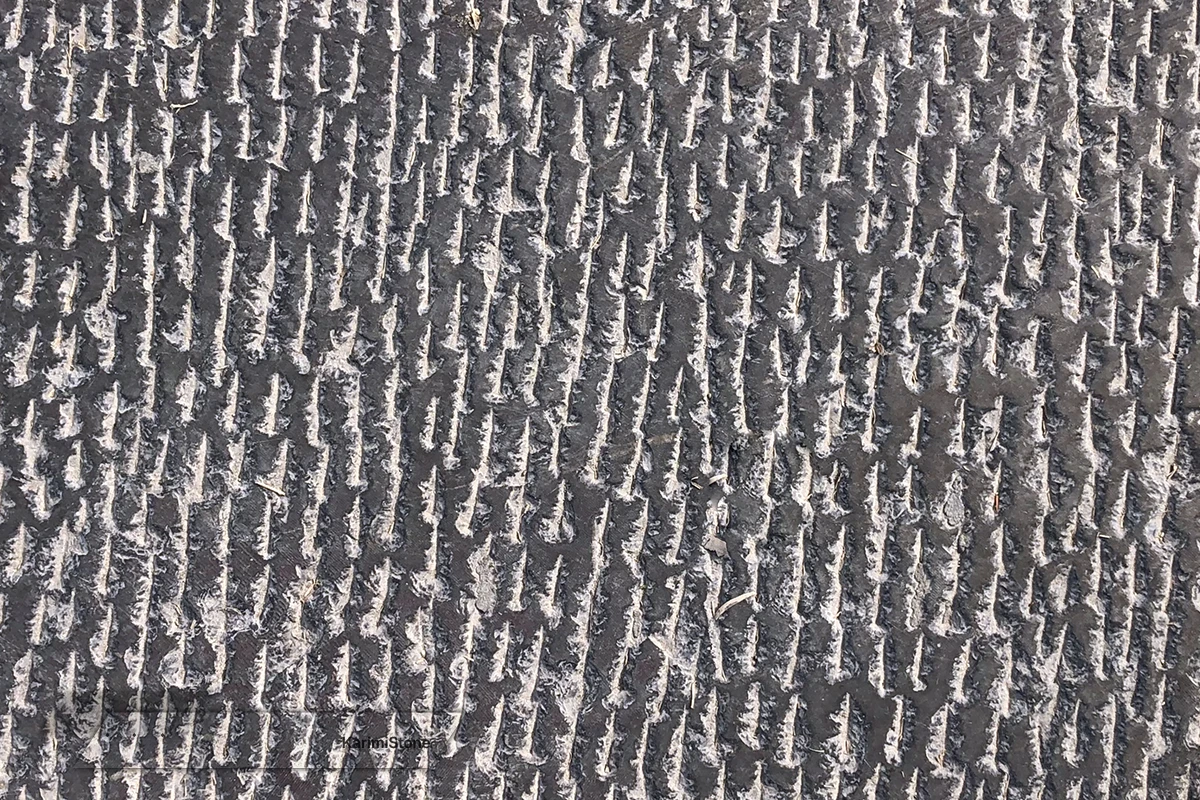
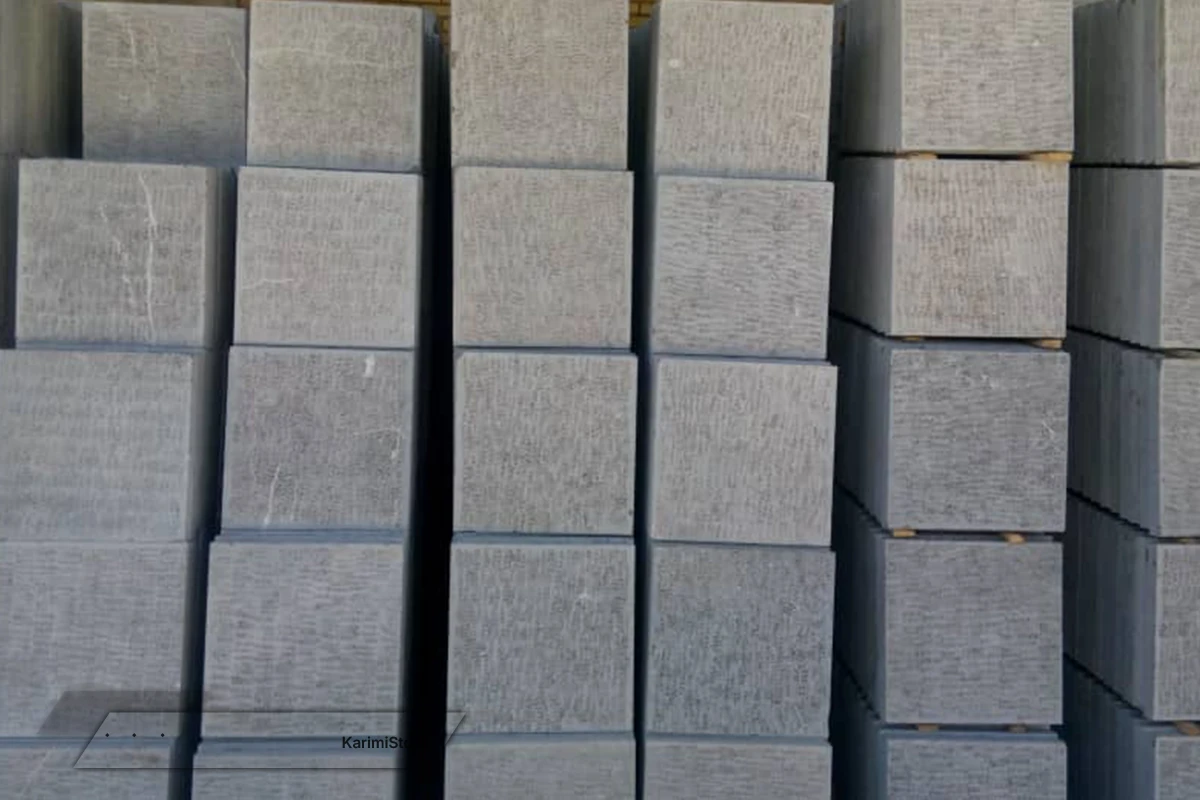
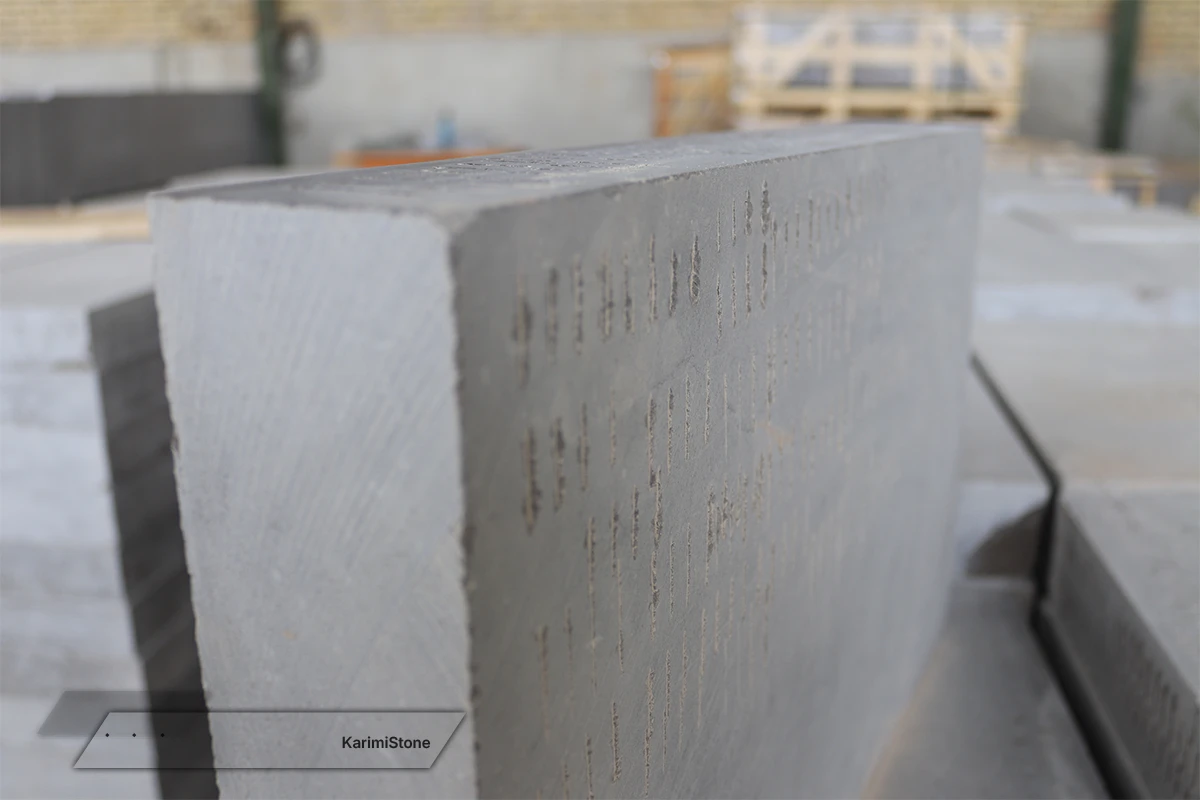
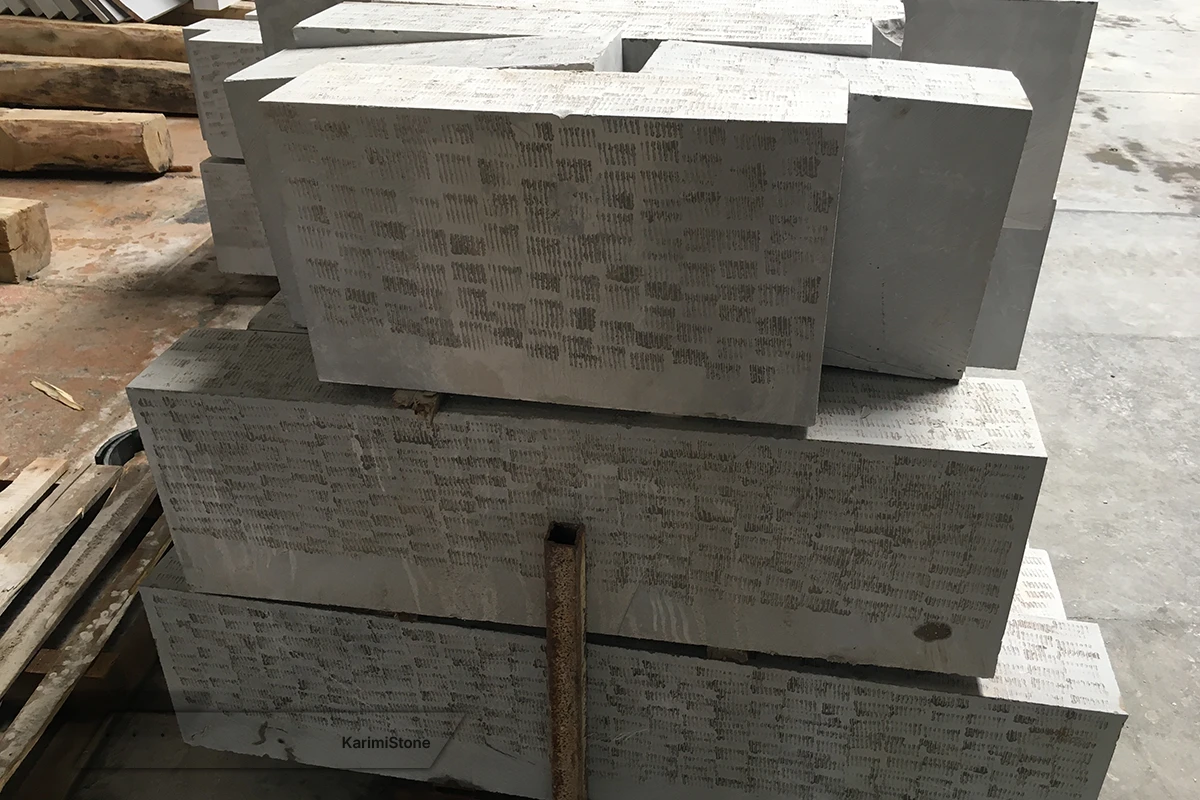
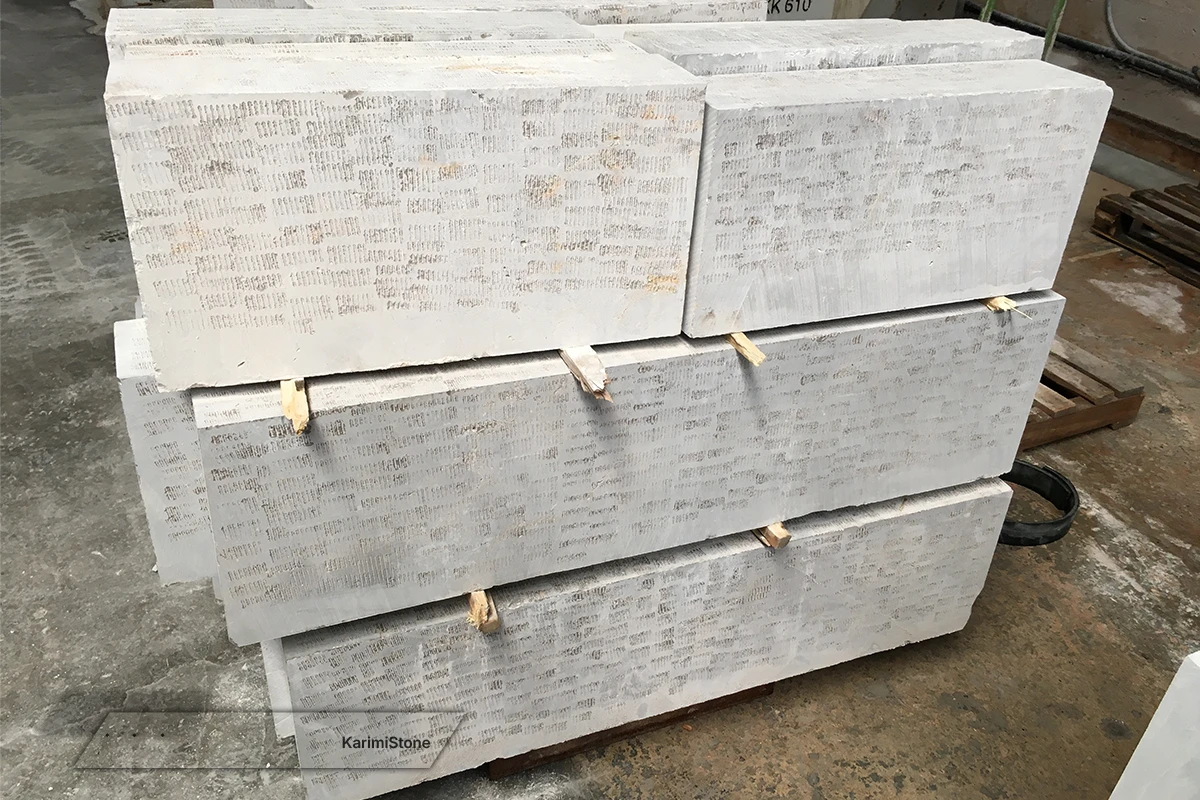
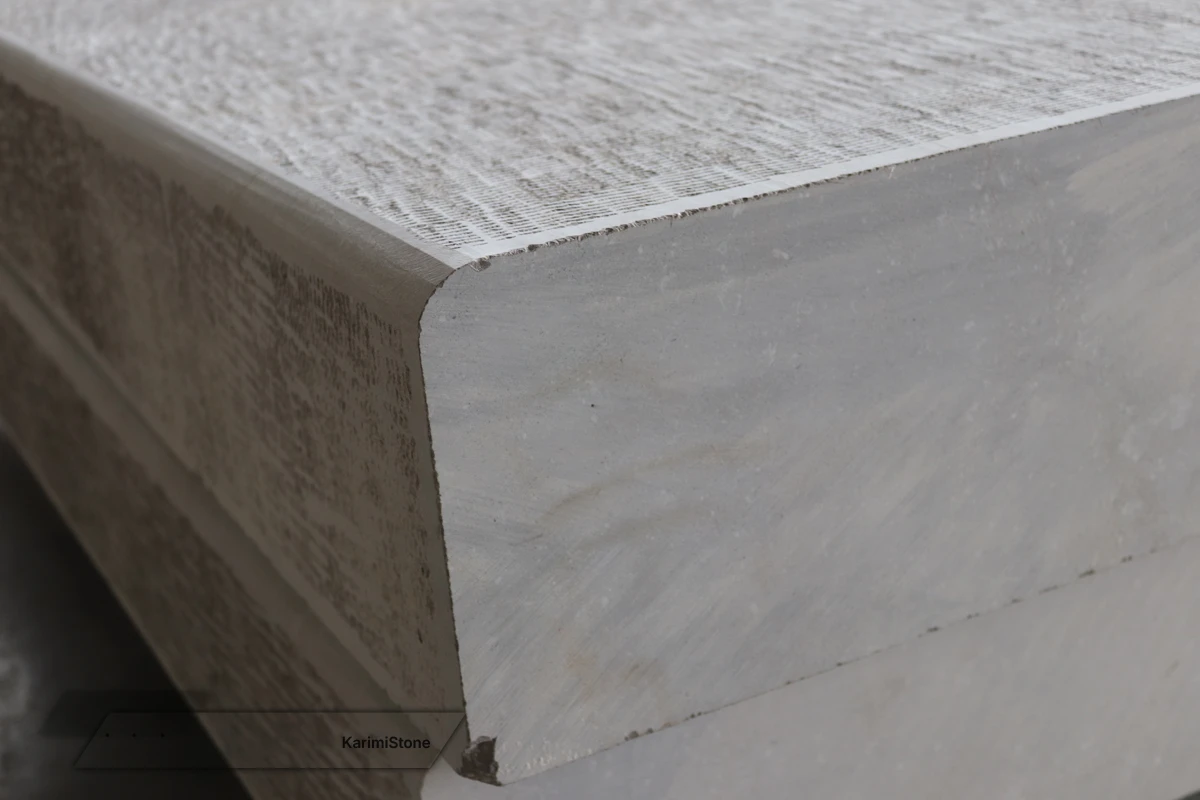
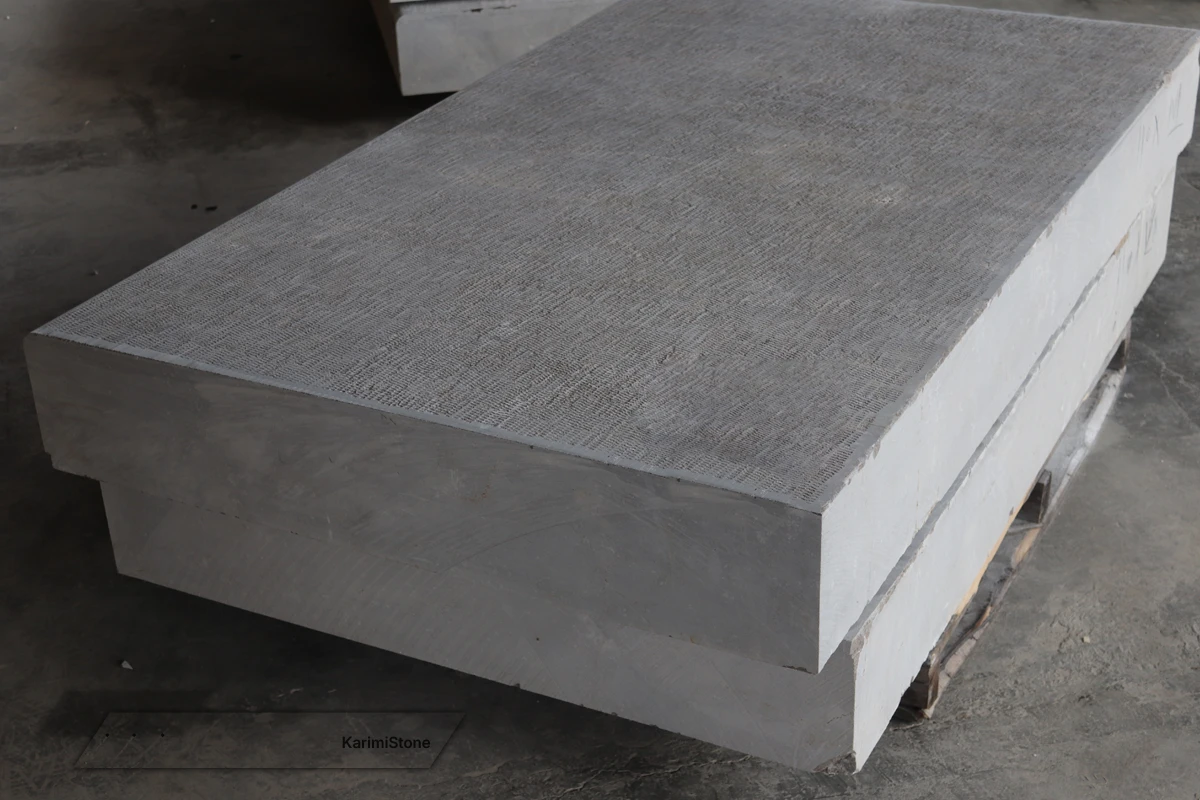
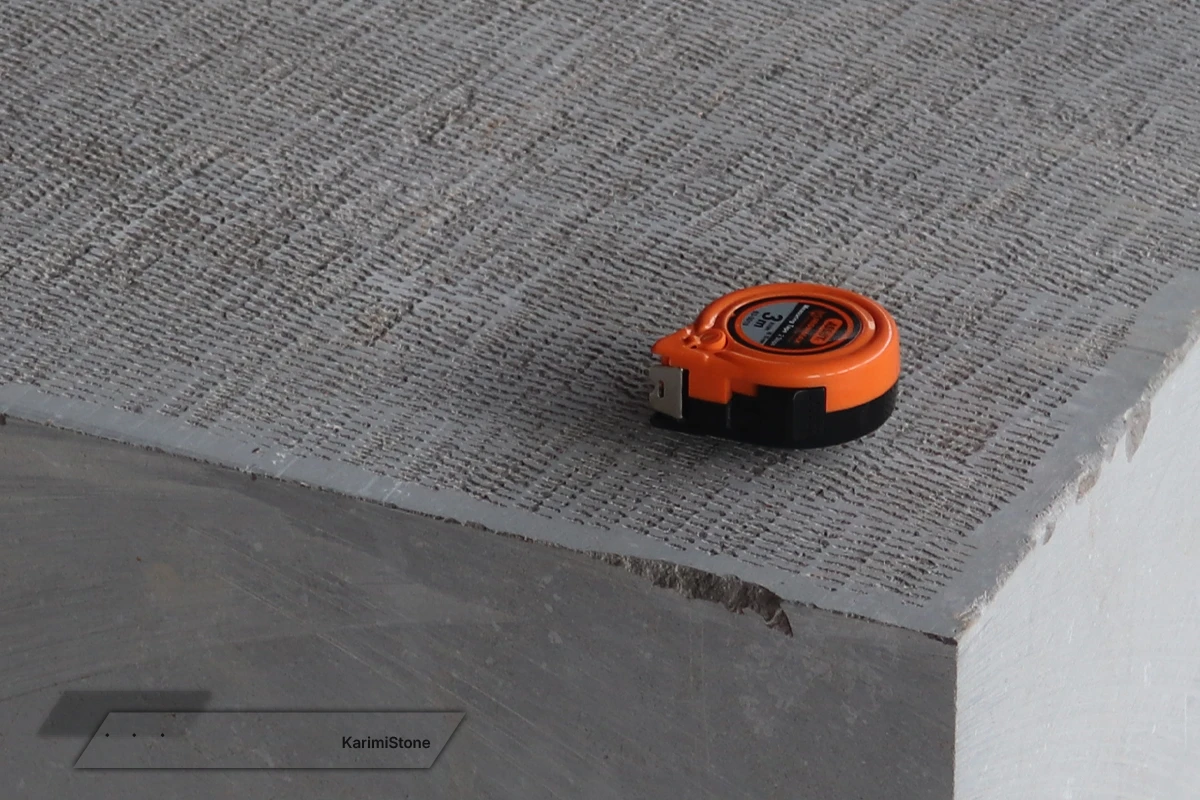

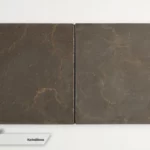

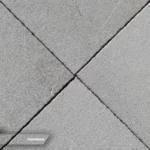
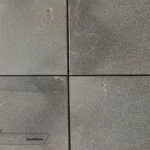
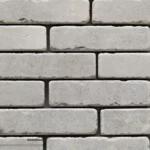
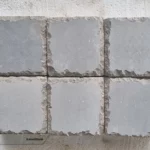
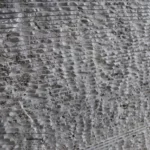
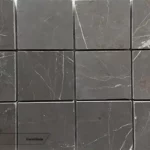
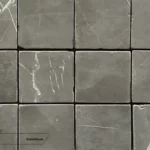
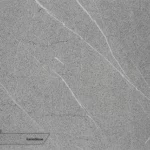
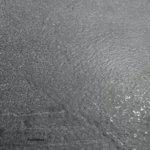









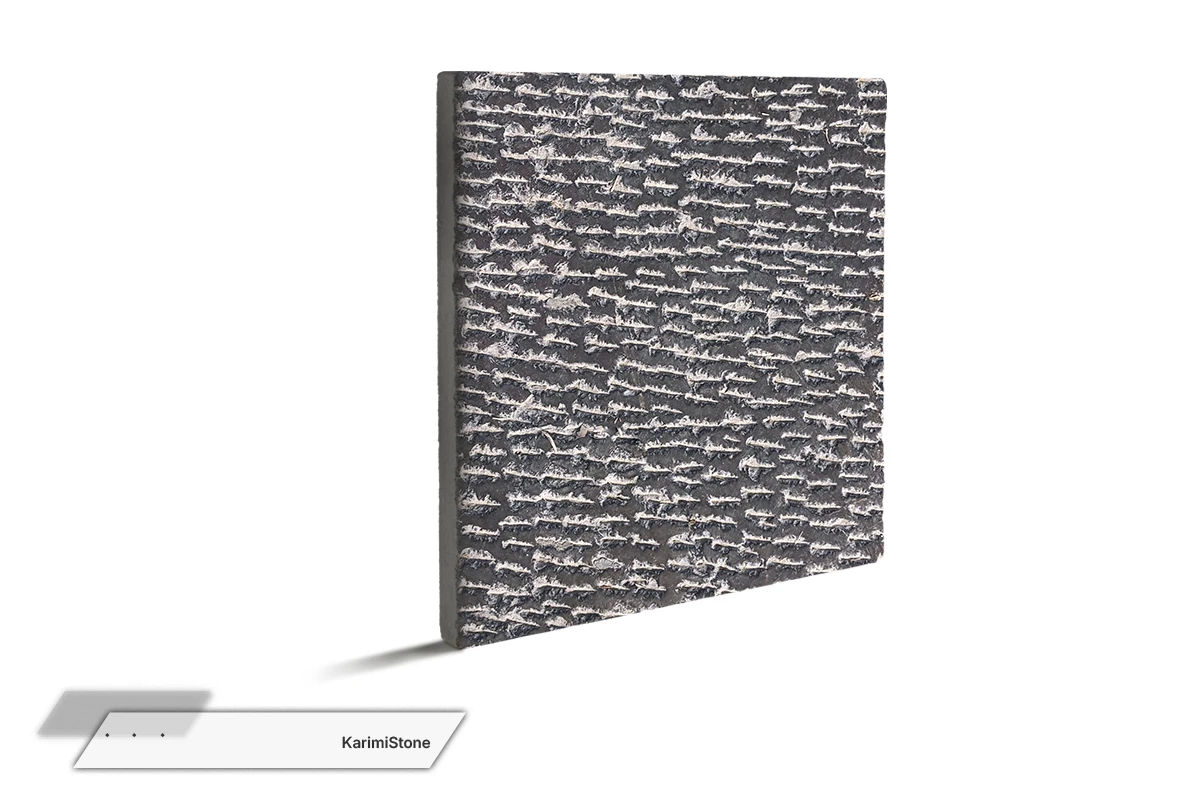
Grey Marble Hand Hammered is an Iranian natural stone with a calm grey color, dense marble structure, minimal natural veining, and a distinctive handcrafted textured surface. Unlike machine-produced finishes, the Hand-Hammered finish is created manually by skilled stone craftsmen using specialized hammers and hand tools.
Repeated controlled strikes shape the stone face and create a naturally irregular texture with visible depth and tactile character. Because the work is performed by hand, individual pieces can show subtle differences in texture, giving the finished installation a more authentic and handcrafted appearance.
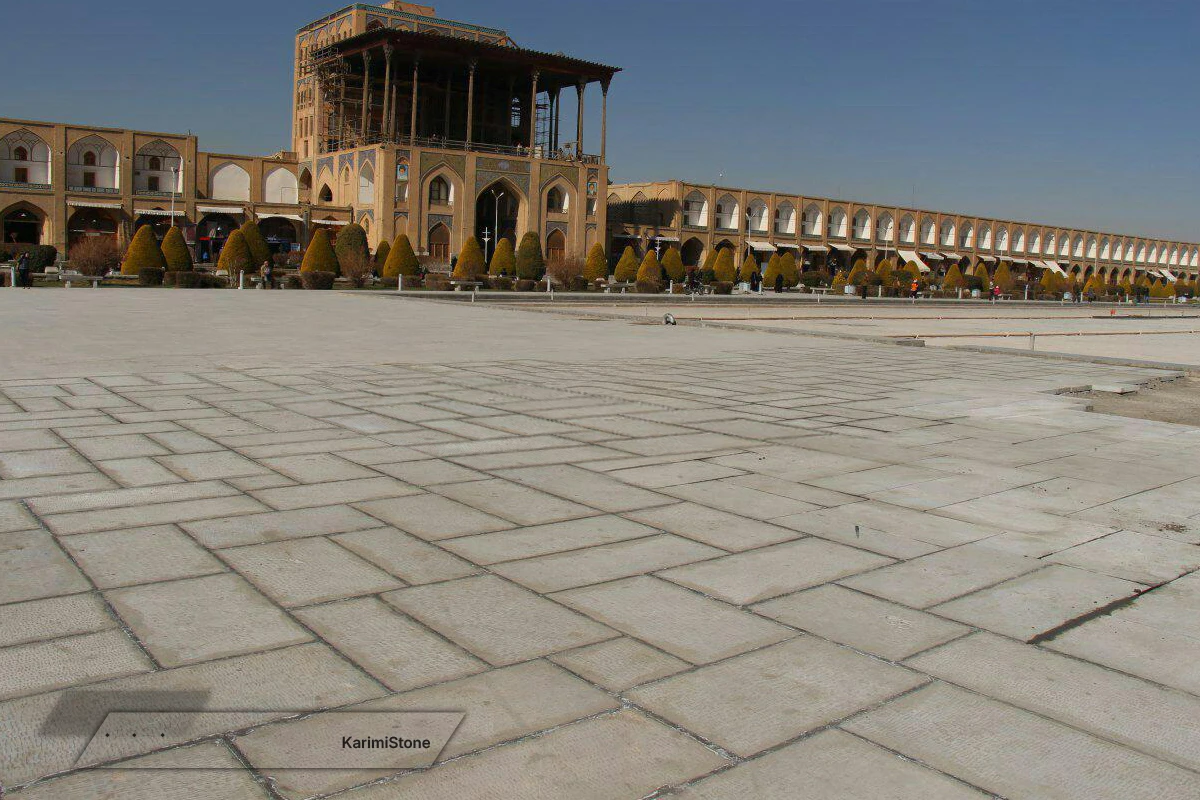
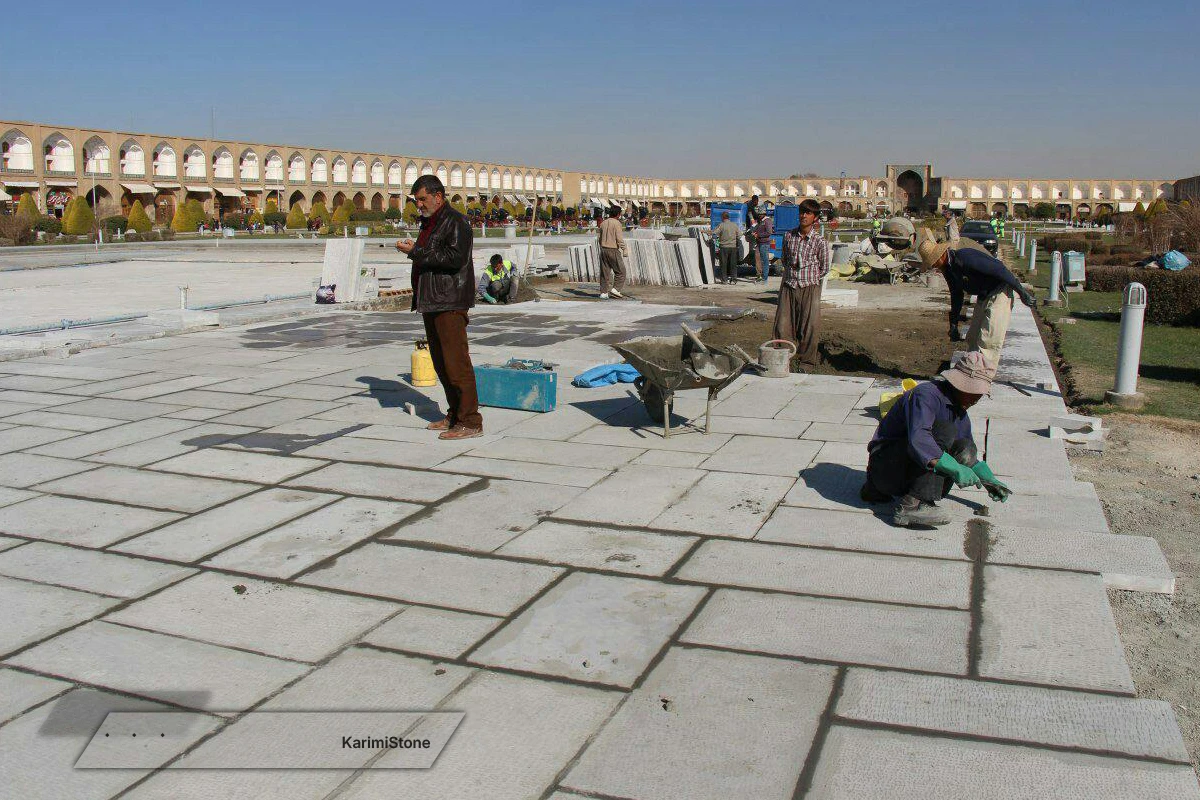
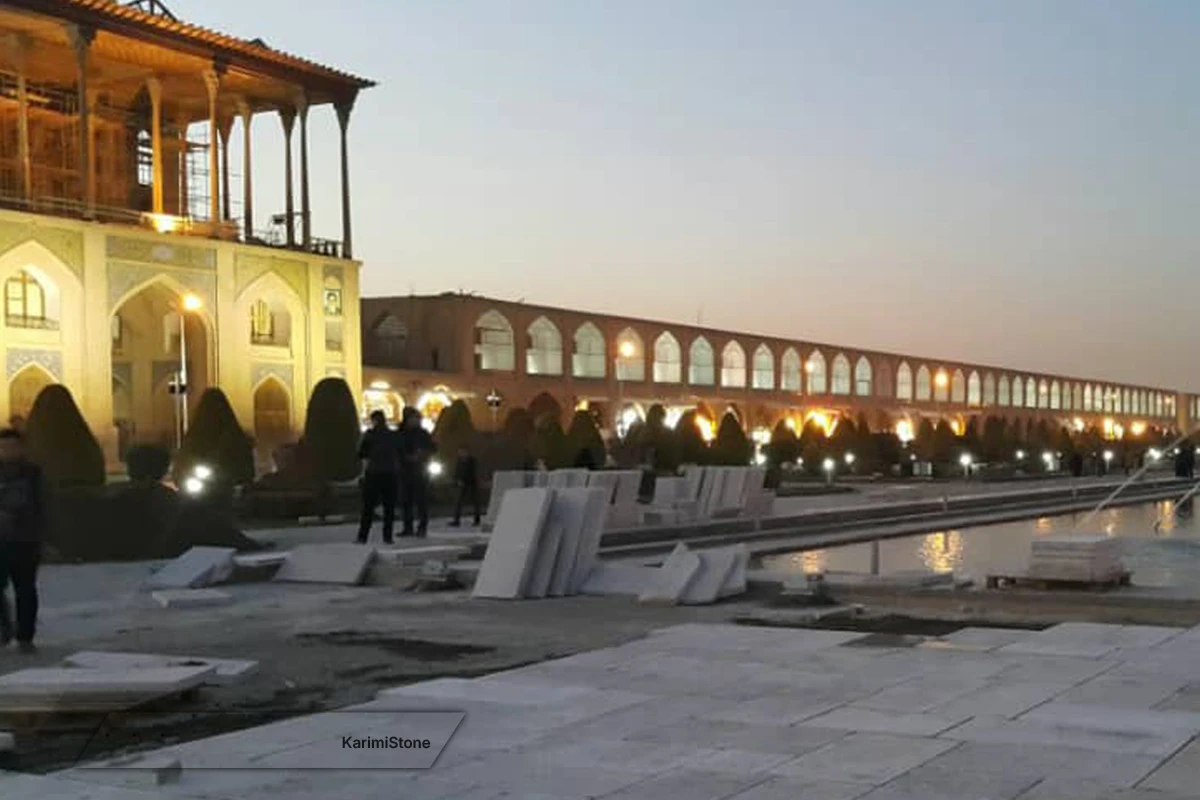
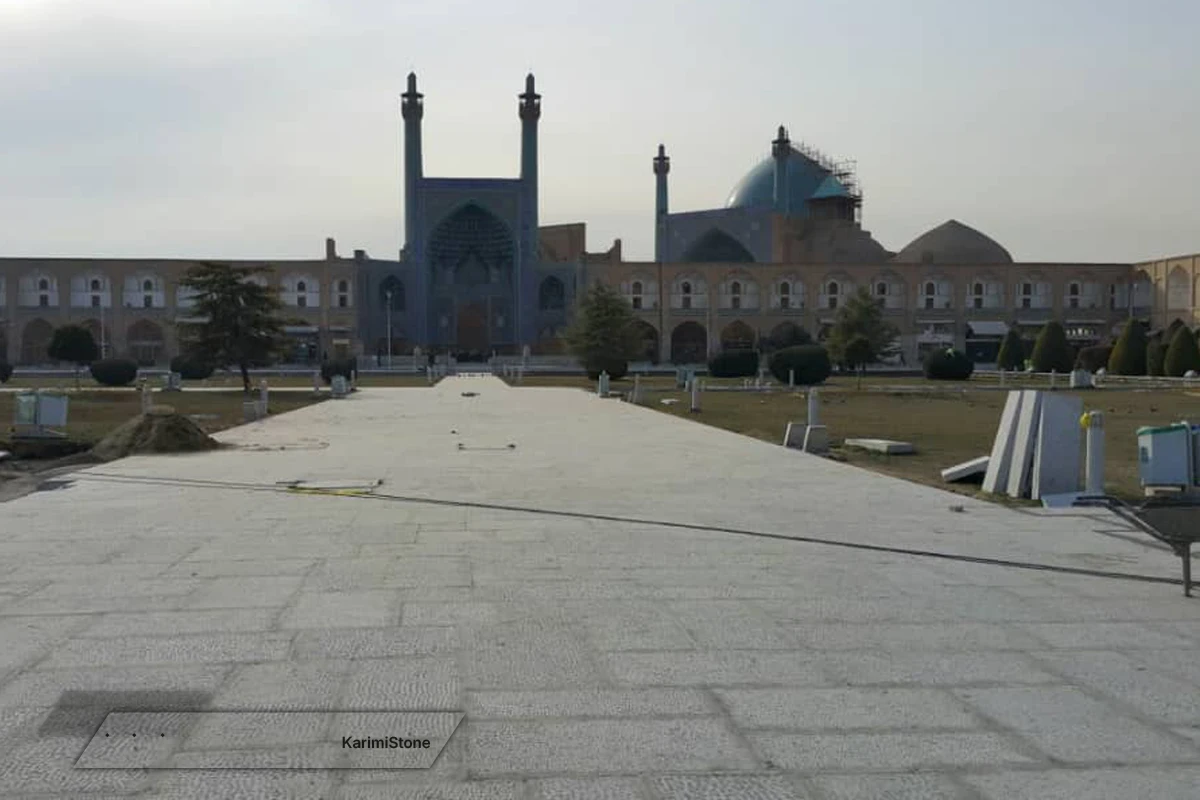
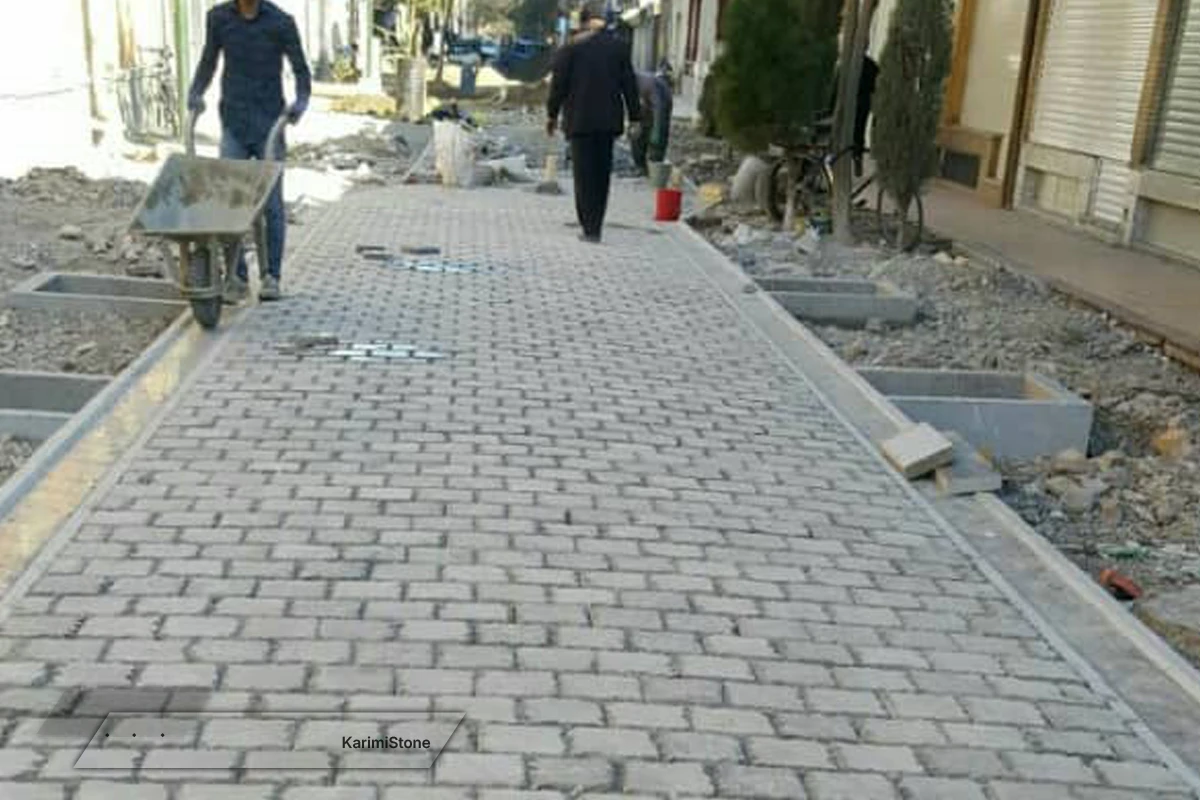
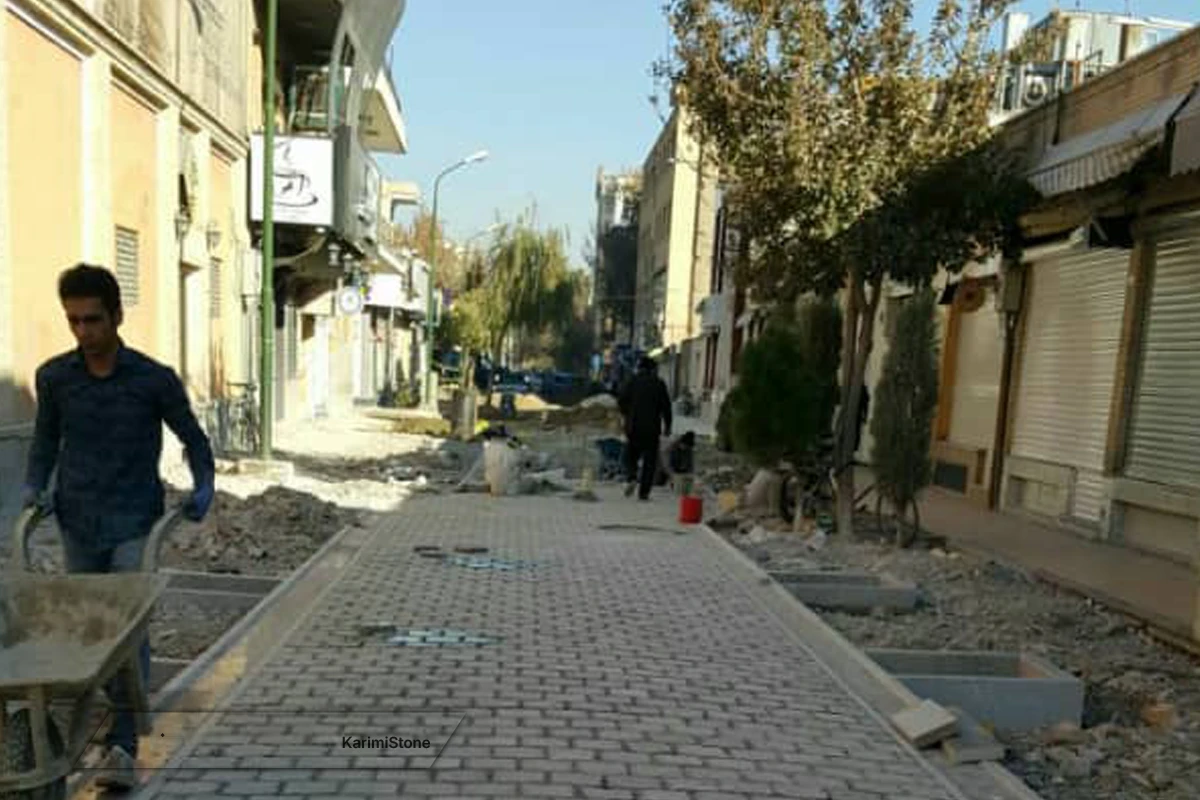
Grey Marble Hand Hammered is particularly suitable for traditional paving, garden and villa flooring, curbstones, sidewalks, stairs, landscape architecture, public spaces, heritage-inspired projects, and architectural applications where natural texture and craftsmanship are important.
What Is Grey Marble Hand Hammered?
Grey Marble Hand Hammered is natural Grey Marble whose surface is textured manually rather than by an automated bush-hammering machine.
Skilled craftsmen repeatedly strike the stone with specialized hand tools. Different hammer heads and striking techniques can create fine, medium, or coarse textures depending on the architectural requirement.
The process transforms a relatively smooth stone surface into a deeply tactile material while preserving the underlying grey color and natural identity of the marble.
What Is Grey Marble?
Grey Marble is a natural metamorphic stone with a dense crystalline structure.
The U.S. Geological Survey (USGS) explains that metamorphic rocks form when existing rocks are altered by heat, pressure, mineral-rich fluids, or combinations of these geological conditions. Marble is one of the common metamorphic stone types.
The Grey Marble used in this product generally has:
- Neutral grey background
- Natural variation from lighter to darker grey
- Minimal strong veining
- Dense crystalline structure
- Calm visual character
- Good suitability for large architectural surfaces
Its relatively quiet natural pattern allows the handcrafted texture to become the main visual feature.
Other products can be explored in the Karimi Stone Marble collection and Grey Natural Stone collection.
What Is a Hand-Hammered Finish?
A Hand-Hammered finish is a traditional stone-processing method created by manually striking the stone surface with specialized hammers or chisels.
Unlike Polished, Honed, or machine Bush-Hammered surfaces, this process relies directly on the skill and movement of the craftsman.
The finished surface can provide:
- Natural irregular texture
- Visible handcrafted variation
- Matte appearance
- Low direct reflection
- Strong tactile character
- Natural shadows and visual depth
- A traditional architectural identity
The finish does not attempt to make every square centimeter mechanically identical. Controlled variation is part of its character.
How Is Grey Marble Hand Hammered?
Production normally begins after the stone has been cut to the required dimensions and thickness.
A skilled craftsman then works across the face with suitable stone-working hammers and hand tools.
The final texture depends on factors including:
- Type of hammer head
- Size and pattern of the striking points
- Impact strength
- Strike density
- Direction of hand movement
- Number of passes
- Required fine, medium, or coarse texture
After hammering, the stone should be inspected to confirm that the overall texture remains balanced while preserving the natural handcrafted variation.
Fine, Medium, and Coarse Hand-Hammered Textures
The Hand-Hammered finish does not have to look the same on every project.
Fine Hand-Hammering uses smaller and more closely spaced marks to create a relatively restrained tactile surface.
Medium Hand-Hammering provides more visible depth while maintaining a balanced architectural appearance.
Coarse Hand-Hammering creates a stronger, more expressive texture where the physical character of the stone is intended to become a major design element.
The required texture level should ideally be confirmed with a physical reference sample before full production.
Hand-Hammered vs. Bush-Hammered
These two finishes should not be treated as the same product.
Hand-Hammered stone is worked manually by skilled craftsmen. Small natural variations occur from one piece to another, creating a more organic and individual appearance.
Bush-Hammered stone is normally produced mechanically using specialized bush-hammer heads that generate a more repetitive and uniform point texture.
Hand-Hammered material is therefore especially suitable where craftsmanship, authenticity, and controlled irregularity are part of the architectural concept.
Visual Character and Interaction with Light
The numerous small depressions and raised areas created during hand hammering break the flat surface of the stone.
Instead of reflecting light evenly, the face creates many small shadows.
This produces:
- Greater visual depth
- Reduced glare
- A matte and rugged appearance
- A stronger perception of material thickness
- Visible handcrafted rhythm
The relatively simple grey background is particularly suitable for this finish because the texture remains visible without competing with strong natural veining.
Plain Natural Pattern
The current Karimi Stone product is classified as Plain.
This means the natural stone itself has a relatively calm visual character and is not dominated by strong directional veins.
The main visual identity therefore comes from:
- The neutral grey color
- Natural tonal variation
- The handcrafted surface texture
- Light and shadow across the hammered face
Surface Grip and Pedestrian Areas
Manual hammering produces considerably more surface texture than a smooth Polished or Honed finish.
This additional physical roughness can increase underfoot grip and is one reason the finish is often considered for paving, stairs, garden areas, sidewalks, and other exterior surfaces.
However, the term Hand-Hammered should not be considered a guaranteed slip-resistance classification.
Where a project requires a specific slip rating, coefficient of friction, or standardized test result, the actual finished material should be tested.
Technical Characteristics
| Property | Current Product Value | Reference |
|---|---|---|
| Porosity | 0.9% | ASTM C97 |
| Density | 2700 kg/m³ | ASTM C97 |
| Water Absorption | 0.15% | ASTM C97 |
| Compressive Strength | 41 MPa | ASTM C170 |
| Abrasion Resistance | 18 mm | EN 14157 |
| Flexural Strength | 20.5 MPa | Product Data |
| Cold Resistance | -30°C | Product Data |
| Heat Resistance | 100°C | Product Data |
These values represent the current product specification. Natural stone can vary between quarry blocks and production batches, so technical projects should confirm the properties of the actual selected material before final specification.
Applications of Grey Marble Hand Hammered
Traditional and Architectural Paving
Hand-Hammered Grey Marble is particularly suitable for projects where natural surface character is preferred over a mechanically uniform appearance.
Possible applications include:
- Traditional paving
- Villa courtyards
- Garden flooring
- Pedestrian areas
- Entrance spaces
- Public and urban paving
Garden and Villa Flooring
The neutral grey color combines naturally with vegetation, brick, timber, concrete, water, and metal.
The handcrafted surface can give gardens and villas a more natural and established architectural character.
Staircases and Steps
Suitable material can be used for:
- Exterior stair treads
- Entrance steps
- Garden stairs
- Landings
- Architectural transition areas
Thickness, structural requirements, and required slip performance should be determined for each project.
Curbstones
The current product is available for curb-related applications and can be fabricated into project-specific curb and edge formats.
Custom dimensions, thickness, and surface texture can be coordinated before production.
Landscape Architecture
Grey Marble Hand Hammered works well in landscape projects where raw material character and craftsmanship are important.
Possible applications include garden walls, pathways, landscape borders, public spaces, villa landscaping, and custom outdoor stone elements.
Heritage and Traditional Architecture
The manual production method is particularly suitable for projects inspired by traditional Iranian stone craftsmanship.
Because the surface is physically created by the craftsman rather than mechanically repeated, it can complement heritage-inspired architecture and restoration environments where a perfectly machine-uniform finish may appear inappropriate.
Contemporary Architecture
The finish is not limited to traditional architecture.
In contemporary design, the irregular handmade texture can create contrast with smooth materials such as glass, steel, concrete, and precisely manufactured architectural components.
Cleaning and Maintenance
A strongly textured surface can retain more dust and particles than a smooth polished stone.
Maintenance should therefore be planned according to the installation environment.
Recommended practices include:
- Regular removal of loose dirt
- Water cleaning where appropriate
- Using cleaners compatible with natural marble
- Avoiding strong acidic chemicals
- Periodic inspection in high-traffic exterior areas
Because the handcrafted texture is part of the design, aggressive mechanical cleaning that could alter the surface should also be avoided unless specifically approved.
Available Formats
Grey Marble Hand Hammered can be produced in formats including:
- Tiles
- Free-length pieces
- Curbs
- Steps
- Risers
- Slabs for further fabrication
- Cut-to-size architectural pieces
Dimensions, thickness, and hammering intensity can be coordinated according to project requirements.
Sorting and Quality Control
Because the finish is handmade, quality control should balance consistency with natural variation.
Important project criteria include:
- Grey background tone
- Acceptable tonal variation
- Texture intensity
- Fine, medium, or coarse hammering level
- Overall visual rhythm
- Stone thickness
- Dimensional accuracy
- Edge quality
- Compatibility between adjacent pieces
For large projects, a physical approved sample is particularly important because it establishes the acceptable handcrafted texture range before full production.
Why Choose Grey Marble Hand Hammered?
- Authentic craftsmanship: The surface is created manually by skilled stone workers.
- Unique texture: Small controlled variations make each piece naturally individual.
- Neutral grey color: Easy to combine with traditional, urban, and contemporary materials.
- Low reflection: The textured face creates a matte appearance and natural shadows.
- Plain stone pattern: Minimal strong veining allows the handcrafted texture to dominate.
- Outdoor versatility: Suitable selections can be considered for paving, stairs, gardens, curbs, and urban spaces.
- Traditional Iranian character: The finish preserves a manual stone-processing technique strongly associated with Iranian craftsmanship.
- Project customization: Texture intensity, dimensions, thickness, and formats can be coordinated before production.
Frequently Asked Questions
What is Grey Marble Hand Hammered?
It is Iranian Grey Marble whose surface is textured manually by skilled craftsmen using specialized stone hammers and hand tools.
Is Hand-Hammered the same as Bush-Hammered?
No. Hand-Hammered is produced manually and naturally varies between pieces, while Bush-Hammered is typically produced mechanically and creates a more repetitive texture.
Is every Hand-Hammered piece identical?
No. Small differences are expected because the texture is created manually. This variation is part of the handcrafted character of the finish.
Can the texture be fine or coarse?
Yes. Fine, medium, or coarse hand-hammered textures can be produced according to the approved project sample.
Does the stone have strong natural veins?
No. The current product is classified as Plain and has a relatively calm grey appearance.
Can it be used for paving?
Yes. Traditional paving, villa areas, gardens, sidewalks, and selected public spaces are among its main applications.
Can it be used for stairs?
Yes. Suitable material can be fabricated for stairs, entrance steps, and landings according to project requirements.
Is Hand-Hammered automatically non-slip?
No. The texture can increase physical grip, but any specified slip-resistance class should be verified by testing the finished material.
Can custom sizes be produced?
Yes. Tiles, free-length pieces, curbs, steps, risers, and cut-to-size components can be manufactured according to project requirements.
Grey Marble Hand Hammered by Karimi Stone
Karimi Stone produces, processes, supplies, and exports Iranian natural stone for architectural, landscape, urban, residential, and commercial projects.
For Grey Marble Hand Hammered orders, the stone can be selected according to grey tone, handcrafted texture intensity, dimensions, thickness, edge requirements, and project application.
Production can include stone selection, manual hammering by skilled craftsmen, project sorting, dimensional inspection, quality control, custom fabrication, export-grade packaging, and international supply.
With its calm grey color, Plain natural pattern, dense marble structure, and distinctive handmade texture, Grey Marble Hand Hammered offers a unique Iranian natural stone solution for paving, gardens, stairs, curbstones, public spaces, heritage-inspired architecture, and contemporary landscape projects.