
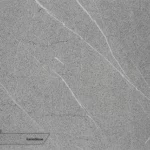











Pietra Grey Cut-Broken Marble
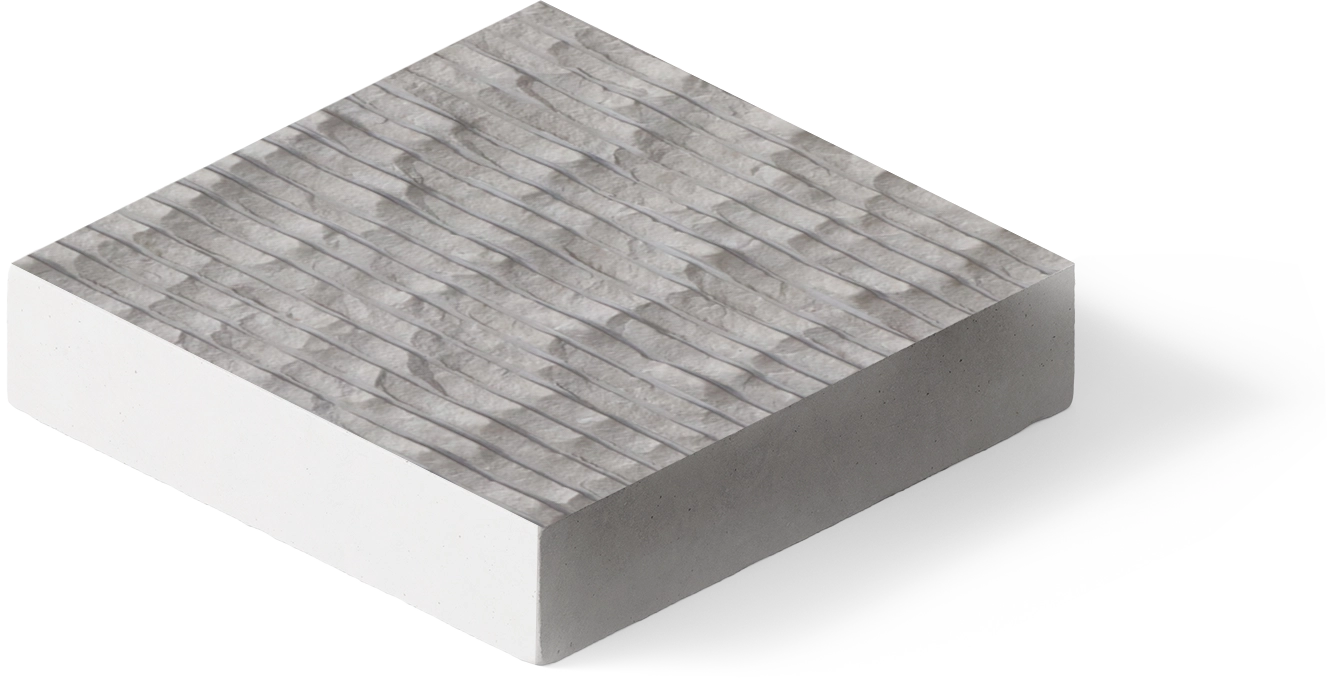
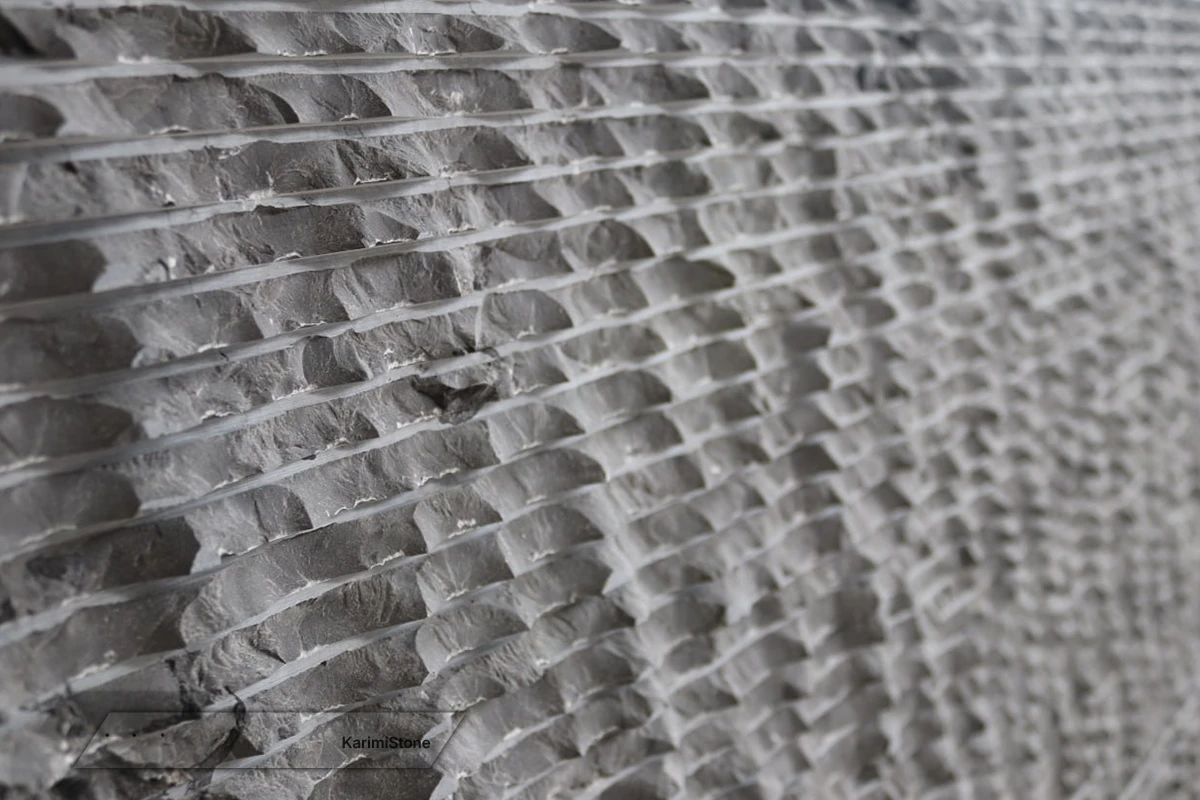
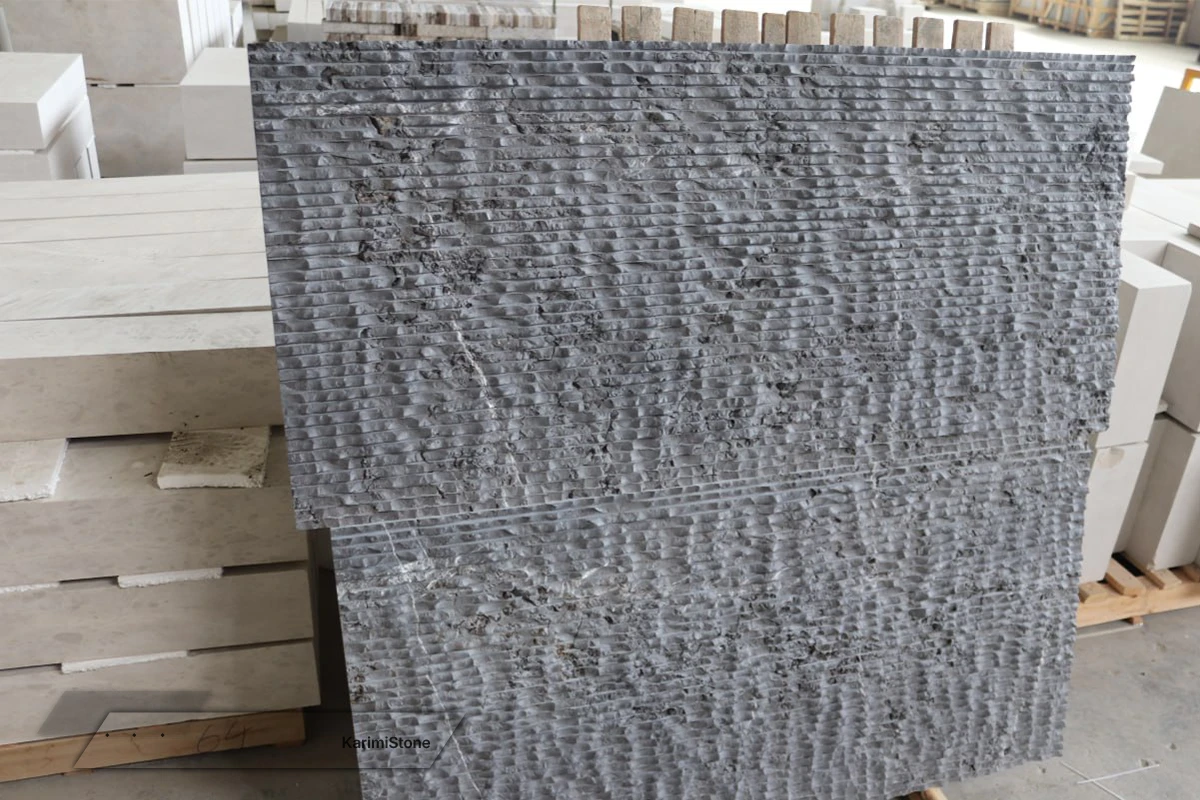
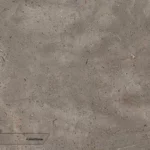
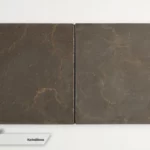
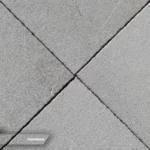
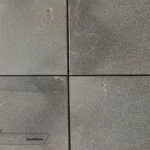
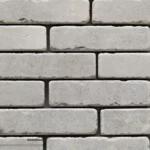
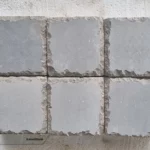
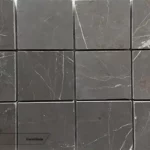
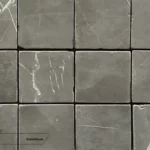
Pietra Grey Cut-Broken is a textured Iranian marble with a dark grey background, fine white veins and a controlled broken surface. The finish is produced by cutting grooves into the stone and then breaking the raised sections between or beside the grooves. This creates depth, shadow and a strong linear pattern for exterior facades, interior walls and architectural details.
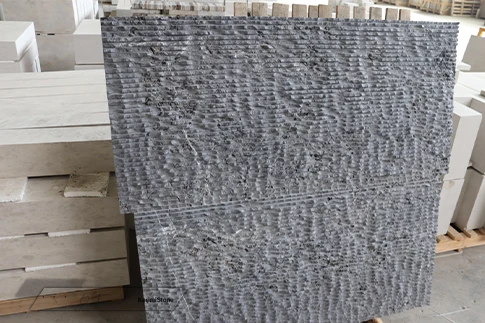
What Is Pietra Grey Cut-Broken?
Pietra Grey Cut-Broken is manufactured from natural Pietra Grey marble, known as Lashotor marble in Iran. The stone normally has a dark grey to charcoal background crossed by natural white calcite veins.
Unlike polished or honed marble, Cut-Broken is not intended to create a flat or reflective surface. Its purpose is to form visible grooves, broken ridges and irregular recessed areas that interact with light and shadow.
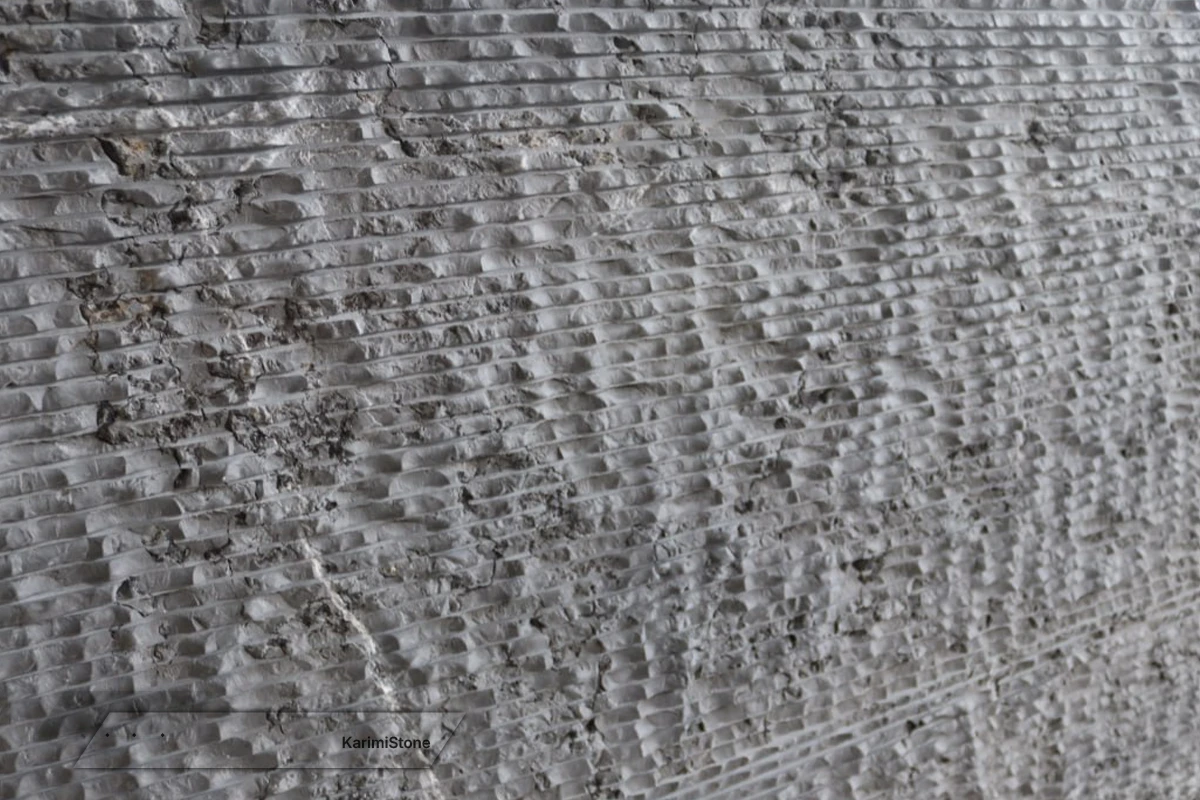
Natural differences in color, vein direction and breaking pattern must be expected. Even when the groove spacing is produced by accurate machinery, the broken sections cannot be completely identical because natural marble does not fracture in exactly the same way on every piece.
How Is the Cut-Broken Finish Produced?
The production of Pietra Grey Cut-Broken normally includes the following stages:
- Block selection: checking the block for color, veins, cracks and structural condition.
- Primary cutting: producing slabs, tiles, strips or wall pieces.
- Calibration: adjusting the base thickness before surface processing.
- Grooving: cutting parallel, vertical, horizontal or custom grooves.
- Controlled breaking: breaking selected areas manually or mechanically.
- Edge preparation: preparing the installation edges when required.
- Cleaning: removing loose particles and processing dust.
- Quality control: inspecting dimensions, groove pattern and remaining base thickness.
Groove depth must be specified according to the total stone thickness, piece dimensions, fixing method and intended application. Excessive groove depth can reduce the remaining structural section of the stone.
Surface Appearance and Texture
Pietra Grey Cut-Broken creates strong variations between raised and recessed areas. The broken ridges cast shadows that change according to the direction and intensity of light.
- Dark grey to charcoal natural background
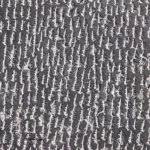
- Fine white mineral veins
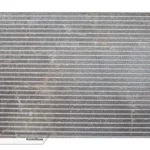
- Linear grooves with controlled spacing
- Irregular broken edges and ridges
- Low light reflection
- Visible depth on vertical surfaces
- Natural differences between individual pieces
The approved sample should define groove width, spacing, direction, approximate depth, breaking intensity and acceptable surface variation.
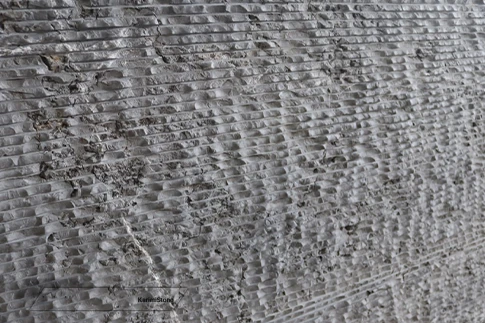
Difference Between Cut-Broken and Split-Face
Cut-Broken and Split-Face are not the same finish. In a Cut-Broken surface, grooves are normally created before controlled breaking. These grooves remain part of the final pattern and give the surface a more ordered direction.
A Split-Face surface is generally created by splitting the stone to expose its natural fracture without first producing the same regular groove pattern. Split-Face usually looks more irregular, while Cut-Broken preserves a visible linear structure.
| Finish | Production Method | Appearance |
|---|---|---|
| Cut-Broken | Grooving followed by controlled breaking | Linear pattern with broken ridges |
| Split-Face | Natural splitting of the stone | More irregular natural fracture |
Applications of Pietra Grey Cut-Broken
Pietra Grey Cut-Broken is mainly intended for vertical architectural surfaces:
- Exterior building facades
- Interior textured walls
- Entrance walls and portals
- Reception and lobby walls
- Fireplace surrounds
- Columns and architectural details
- Commercial building cladding
- Garden and landscape walls
- Boundary and retaining wall facing
- Custom facade panels
The rough and uneven surface is generally not recommended for countertops, working surfaces or normal pedestrian flooring because it is difficult to clean and does not create a flat walking plane.
Facade Installation Considerations
When installing Pietra Grey Cut-Broken, the remaining stone thickness behind the grooves and broken surface must be considered. Mechanical fixing may be required for large facade pieces according to engineering calculations and local building requirements.
Anchors must connect to the sound structural section of the stone rather than a thin raised ridge. Panel weight should be calculated using the maximum actual thickness, including the textured projection.
Exterior Use and Climate
The Cut-Broken finish does not make marble waterproof or automatically frost-resistant. Exterior suitability depends on stone properties, climate, water exposure, panel dimensions, joints, drainage, fixing and lot-specific testing.
In cold or wet climates, the project may require mechanical anchoring, protected joints, suitable drainage and a compatible penetrating treatment. The final decision should be made by the project engineer.
Available Formats
Karimi Stone supplies Pietra Grey Cut-Broken according to project requirements:
- Wall tiles
- Facade strips
- Free-length pieces
- Architectural wall panels
- Column cladding pieces
- Custom cut-to-size components
Before production, the buyer should approve dimensions, base thickness, maximum surface projection, groove direction, groove spacing, edge condition and acceptable surface variation.
Quality Control and Packaging
- Checking length, width and base thickness
- Inspecting groove spacing, direction and depth
- Checking the range of broken surface texture
- Inspecting cracks, weak ridges and loose particles
- Checking mounting edges and anchoring areas
- Comparing production with the approved sample
- Using protective separators between pieces
- Selecting packaging according to weight and surface depth
Cleaning and Maintenance
- Remove dust with a soft brush or controlled airflow.
- Use a pH-neutral cleaner suitable for natural marble.
- Avoid vinegar, acids and aggressive chemical cleaners.
- Do not use uncontrolled high-pressure washing.
- Inspect facade anchors, joints and drainage periodically.
- Test all cleaning or sealing products on a sample first.
More information about marble maintenance is available from the Natural Stone Institute.
Production and Export by Karimi Stone
Negin Sang Karimi (Karimi Stone) produces and exports Iranian marble for facade and architectural projects. Production of Pietra Grey Cut-Broken includes block selection, cutting, calibration, grooving, controlled breaking, sorting, inspection and export packaging.
Different groove directions and spacing can be produced according to approved drawings and physical samples. For available sizes, samples, technical documents or a quotation, visit the Karimi Stone contact page.
Frequently Asked Questions
Is Cut-Broken the same as Split-Face?
No. Cut-Broken normally combines grooves with controlled breaking, while Split-Face primarily exposes the natural fracture of the stone.
Can all broken surfaces be completely identical?
No. Groove dimensions can be controlled, but natural breaking creates unavoidable differences between pieces.
Can this finish be used for flooring?
Its main use is wall cladding. The uneven surface is generally unsuitable for normal pedestrian floors and work surfaces.
Can custom groove patterns be produced?
Yes. Groove direction, spacing and pattern can be produced according to approved samples and project drawings.