
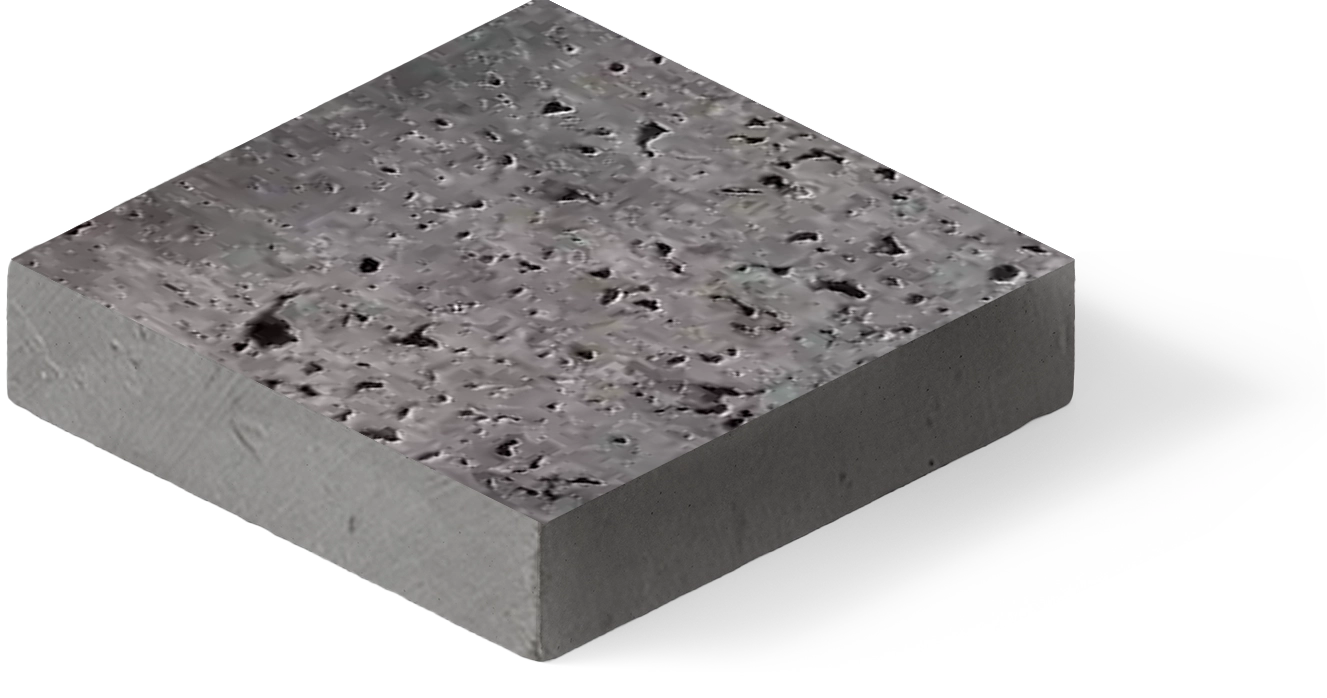
The leathered stone finish creates a softly textured, low-reflection surface inspired by the touch and appearance of natural leather. It is generally produced by passing specialized abrasive brushes over a prepared stone surface. The brushes remove or deepen softer mineral areas while leaving harder sections slightly raised.
The final texture depends on the mineral composition, grain structure and hardness of the stone. Some materials develop a stronger relief, while others obtain only a gentle surface movement. Brushing can highlight natural veins and mineral variations without producing the mirror-like reflection of polishing.
Brushed stone is commonly used for countertops, wall cladding, fireplace surrounds, bathroom surfaces and decorative interior elements. It generally hides fingerprints, water spots and minor marks better than a highly polished surface. Cleaning and sealing requirements depend on the stone type and depth of texture.
Menu
Categories
Surface Finishes
- Finish
- Surface
- Stone Types
- Multiple materials
- Application
- Project based
- Supply
- Project + export
Browse Surface Finish
Explore stones available in this surface finish and use the filters to refine the collection.
Surface Finish Collection
Browse the natural stone products available with the selected surface finish.
About Surface Finish
What Is a Brushed Finish?
A brushed finish is a textured stone surface created by treating the stone with specialized abrasive brushes that gently wear the surface. This process removes softer particles from the stone while preserving its natural structure, resulting in a slightly rough yet smooth-to-touch texture with a soft matte appearance.
Unlike polished surfaces that create strong reflections, brushed stone provides a natural, aged character with subtle surface movement. It enhances the stone’s original pattern, fossils, and tonal variations—especially in limestone, marble, and travertine—while delivering a warm and architectural appearance suitable for both interior and exterior applications.
Compared with honed or polished finishes, brushed stone offers more texture and better surface grip, making it a practical solution for high-traffic and functional spaces. If you want to compare finishes, see our Honed Finish and Polished Finish pages.
How Brushed Stone Is Produced
Producing a consistent brushed surface requires precise processing, controlled abrasion, and careful quality control. The process enhances the natural structure of the stone while ensuring uniform texture and durability. The standard production sequence includes:
1) Surface Preparation and Calibration
After cutting stone blocks into slabs or tiles, the surface is calibrated to achieve accurate thickness and flatness. This step ensures dimensional precision, which is critical for large construction projects requiring consistent installation and clean alignment.
2) Mechanical Brushing Process
The stone surface is treated using rotating abrasive brushes with different hardness levels. These brushes gradually wear the surface, removing softer minerals and creating a natural textured structure. The process highlights the stone’s original composition while producing a soft, slightly aged appearance.
3) Texture Control and Surface Refinement
Multiple brushing stages allow manufacturers to control the level of texture, from light brushing to deeper structural effects. The goal is to achieve a balanced surface that provides tactile comfort, visual depth, and functional performance without excessive roughness.
4) Edge Finishing and Optional Treatments
Edges may be beveled, bullnosed, or CNC-shaped depending on project requirements. Optional treatments may include sealing, surface protection, or additional texturing. For custom profiles and precision shaping, visit our CNC Stone Manufacturing page.
5) Quality Control and Sorting
Final inspection ensures consistency in texture, color range, surface quality, and packaging. Since brushing enhances natural variations, careful sorting and batch selection are essential for large architectural projects requiring visual continuity.
Most Common Applications of Brushed Stone in Buildings
Brushed stone is widely used in architectural projects where a natural texture, durability, and slip resistance are important. Below are the most common building applications:
Interior and Exterior Flooring
Brushed stone is frequently used for floors in residential and commercial environments where both appearance and practicality matter. Its textured surface improves grip and reduces visible wear, making it suitable for corridors, entrances, terraces, and high-traffic areas.
Wall Cladding and Architectural Surfaces
Brushed finishes provide a natural and tactile surface for vertical applications. They are commonly used in feature walls, façade elements, and decorative architectural surfaces where designers want depth, texture, and minimal glare. Explore our Interior Wall solutions.
Outdoor Spaces and Landscaping
Because of its enhanced surface texture, brushed stone performs well in outdoor environments such as walkways, patios, and landscape elements. Its natural appearance integrates well with architectural and environmental design concepts.
Bathrooms and Wet Areas
Brushed stone is often specified for bathrooms and wash areas where a combination of natural texture and durability is required. Proper sealing and maintenance are essential in wet conditions. For professional guidance, refer to the Natural Stone Institute.
Commercial and Hospitality Projects
Hotels, retail spaces, and public buildings frequently use brushed stone for its balance of durability, aesthetic warmth, and long-term performance. The finish supports modern architectural concepts while maintaining functional reliability.
Brushed Stone Options: Types, Colors, Sizes, and Formats
Our brushed product range includes various stone types and formats suitable for different construction requirements:
- Stone Types: Marble, Limestone, Travertine, Granite (selected), and other natural stones upon request.
- Colors: Light cream, beige, grey, white, and darker architectural tones depending on the quarry selection.
- Formats: Slabs, tiles, cut-to-size panels, steps & risers, skirting, and custom architectural elements.
- Sizes: Standard modular sizes and project-specific dimensions for large developments.
If you need a specific stone with brushed finish, visit our main catalog at All Products and filter by surface finish and application. For project coordination, submit your requirements via Request a Quote.
Performance Notes and Standards
The performance of brushed stone depends on the stone type, density, absorption rate, and project environment. Brushed finishes are widely used in both interior and exterior applications due to their enhanced surface texture and durability. For technical references and testing standards, many international projects follow guidelines from ASTM International.
Project specifications, climate conditions, and maintenance practices should always be considered when selecting the appropriate finish.
Maintenance and Care Recommendations
Brushed stone surfaces are durable and easy to maintain when properly cared for. Recommended practices include:
- Use pH-neutral cleaners suitable for natural stone surfaces.
- Apply sealers when required based on stone type and application.
- Avoid acidic cleaning agents on marble and limestone.
- Perform regular cleaning in high-traffic environments.
For detailed maintenance guidelines and professional recommendations, contact our technical team.
FAQ: Brushed Finish Products
Is brushed stone suitable for outdoor use?
Yes, brushed stone is commonly used in outdoor applications due to its textured surface and durability. However, proper stone selection and installation methods are important for long-term performance.
How does brushed finish differ from honed finish?
Honed stone provides a smooth matte surface, while brushed stone offers more texture and tactile depth. Brushed finishes enhance the natural structure of the stone and typically provide greater surface grip.
Which stone types are best for brushed finish?
Limestone, marble, and travertine respond particularly well to brushing because their natural composition allows the texture to develop clearly while maintaining structural integrity.
Request Samples, Pricing, and Production Details
Need brushed stone slabs or tiles for your project? Send your dimensions, thickness, and quantity requirements. Our team will recommend suitable materials, surface treatments, and production solutions.
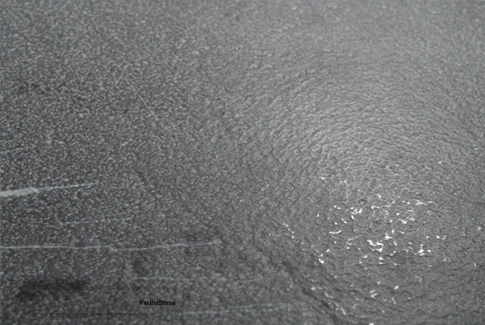
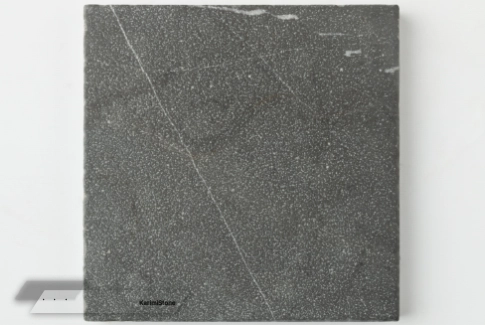


Pietra Grey Sandblasted & Brushed
Pietra Grey Sandblasted & Brushed Marble Pietra Grey Sandblasted & Brushed is an Iranian dark grey marble processed…
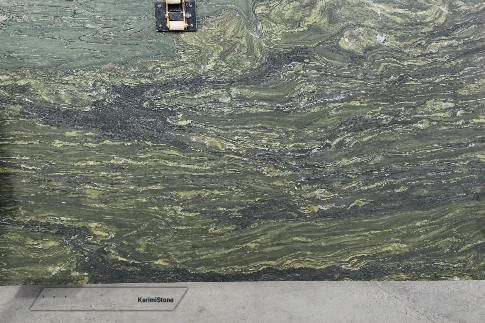
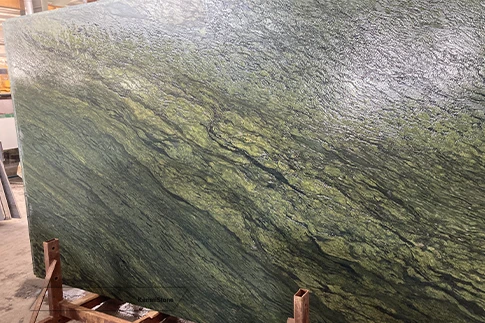

Green Granite Brushed
Green Granite Brushed: Properties, Applications and Global Supply Green Granite Brushed is a durable Iranian natural stone that…
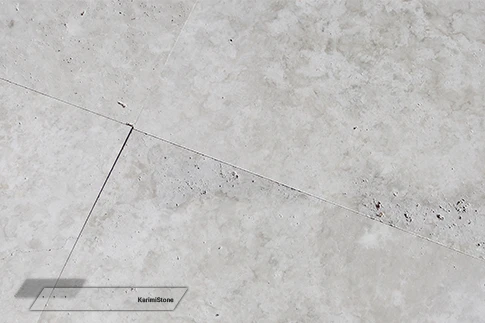
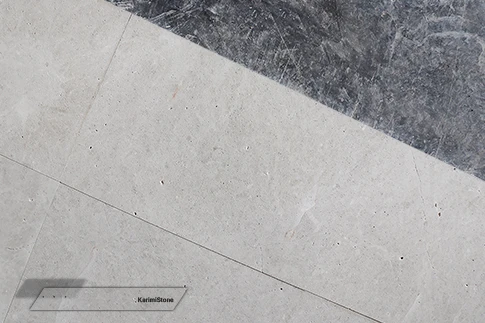

Vanak Limestone Brushed
Vanak Limestone Brushed Vanak Limestone Brushed is an Iranian natural limestone with a light cream-to-beige color and a…
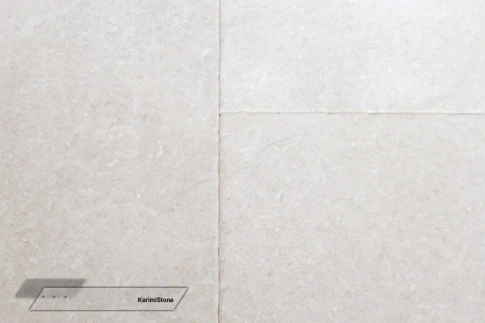
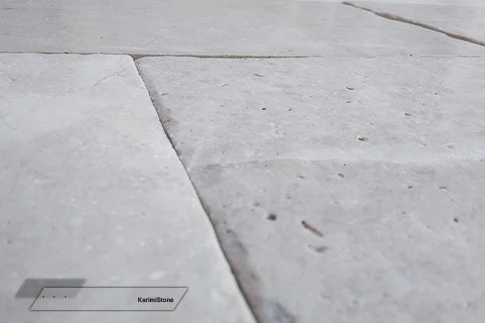
Vanak Limestone Brushed & Tumbled
Vanak Limestone Brushed & Tumbled Vanak Limestone Brushed & Tumbled is a natural Iranian limestone with a lightly…
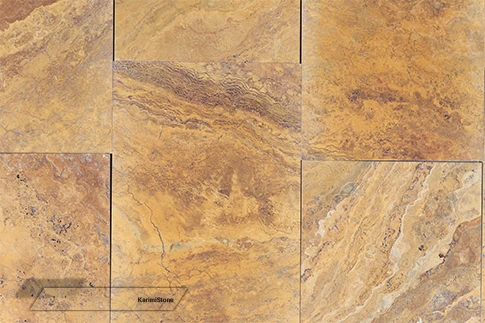
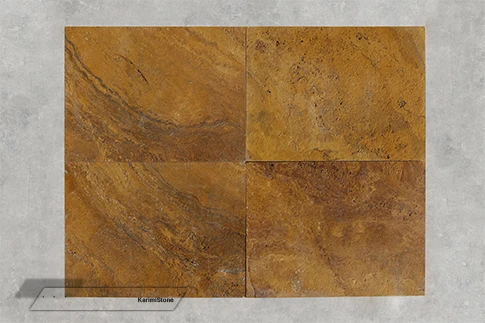


Yellow Travertine Brushed
Yellow Travertine Brushed Technical & Product Overview Yellow travertine brushed is a natural stone option chosen for projects…
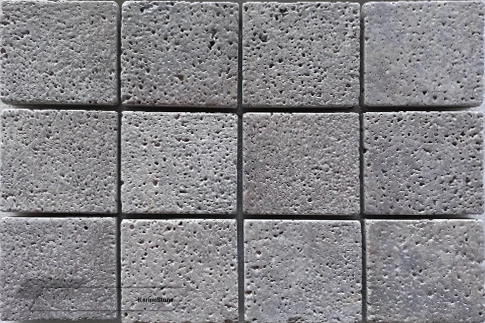
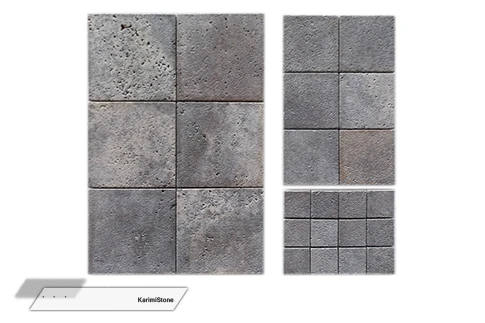
Silver Travertine Sandblasted & Brushed
Silver Travertine Sandblasted & Brushed is an Iranian natural travertine with silver-grey tones, warm brown movement, white mineral…
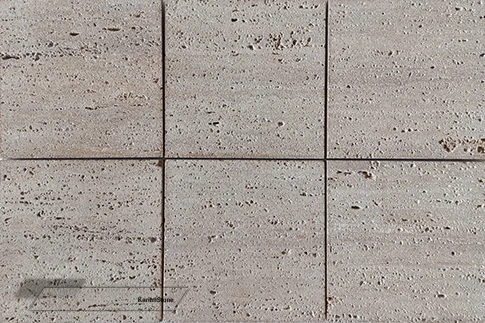
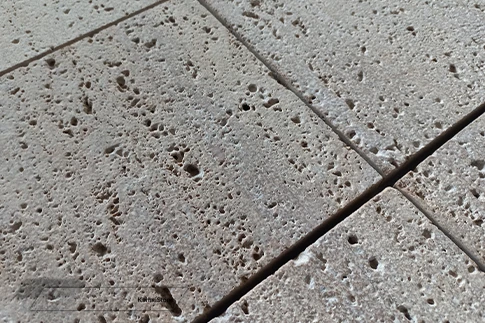

Beige Travertine Sandblasted & Brushed Vein-Cut
Beige Travertine Sandblasted & Brushed Vein-Cut is an Iranian natural stone with warm cream-to-beige tones, natural pores, long…
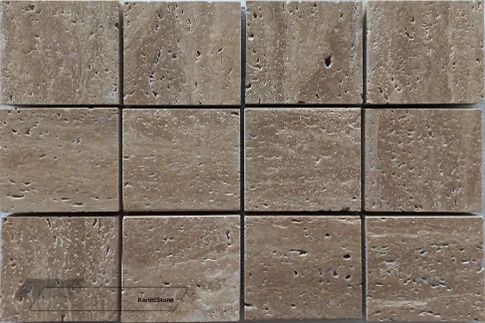
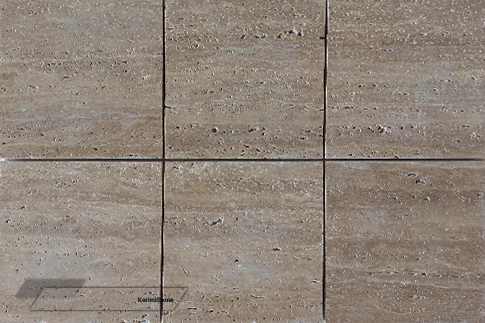


Beige Travertine Brushed
Beige Travertine Brushed is an Iranian natural stone characterized by warm cream-to-beige tones, natural pores, linear mineral layers,…
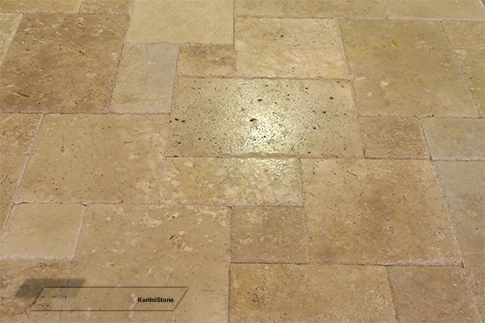
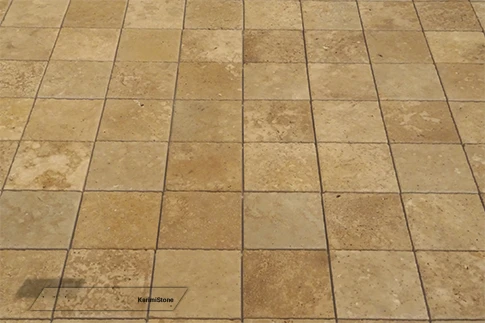
Beige Travertine Brushed & Tumbled
Beige Travertine Brushed & Tumbled is an Iranian natural stone with warm cream and beige tones, natural pores,…
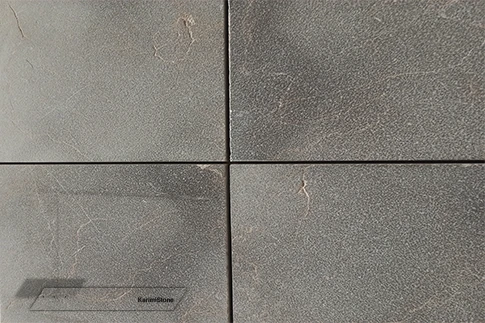
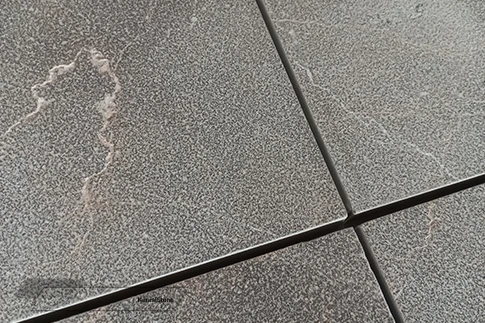
Grey Marble Sandblasted & Brushed
Grey Marble Sandblasted & Brushed is an Iranian natural stone with a calm grey background, dense marble structure,…
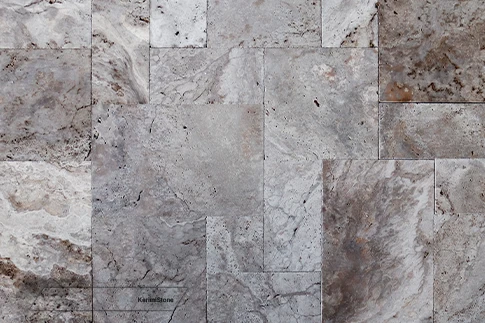
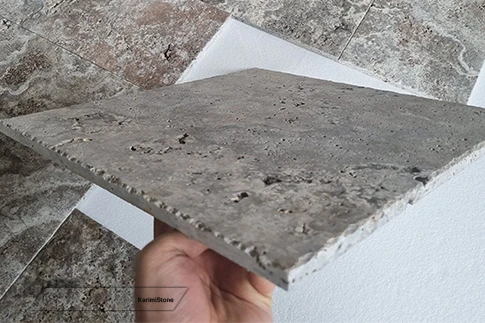
Silver Travertine Brushed & Tumbled
Silver Travertine Brushed & Tumbled is an Iranian natural travertine with silver-grey and smoky tones, warm brown movement,…
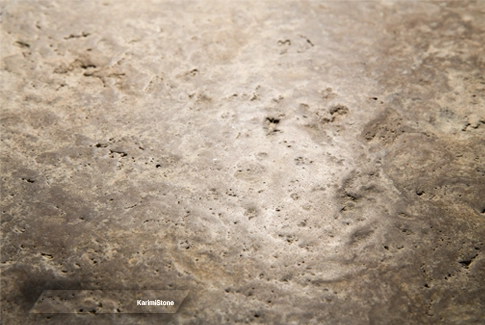
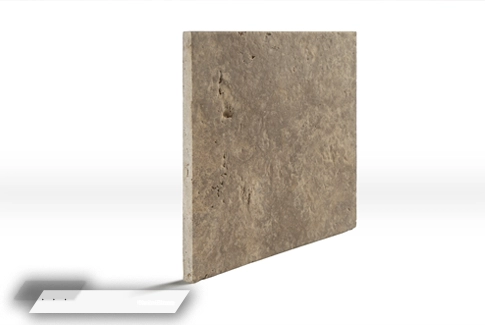
Brown Travertine Brushed Vein-Cut
Brown Travertine Brushed Vein-Cut is an Iranian natural stone distinguished by warm brown and coffee tones, natural pores,…
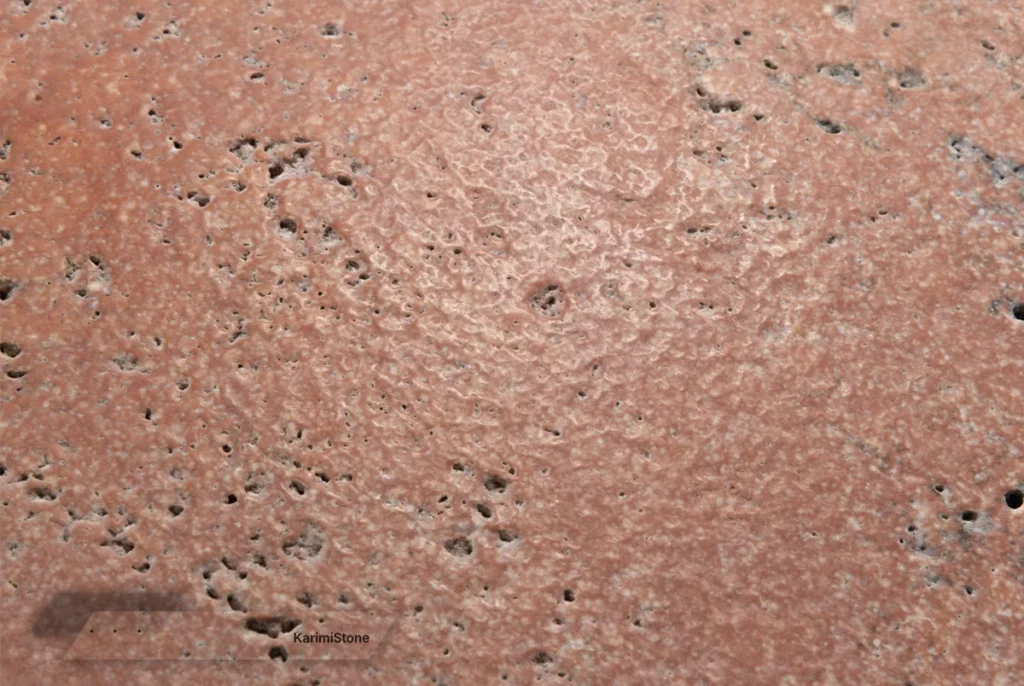
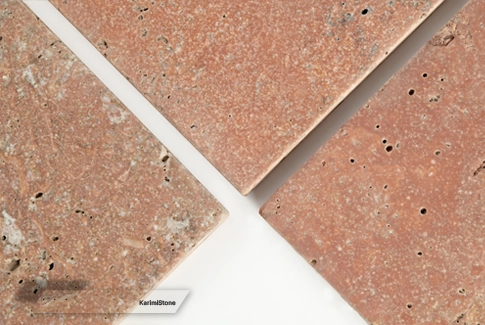
Red Travertine Cross-Cut Sandblasted and Brushed
Red Travertine Cross-Cut Sandblasted and Brushed Red Travertine Cross-Cut Sandblasted and Brushed is an Iranian natural stone with…
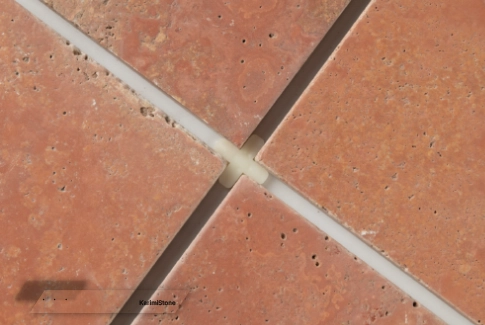
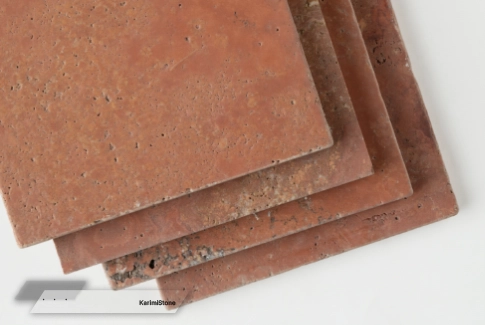
Red Travertine Brushed
Red Travertine Brushed Red Travertine Brushed is an Iranian natural stone with a warm red background and a…