









Gohare Bush-Hammered Limestone
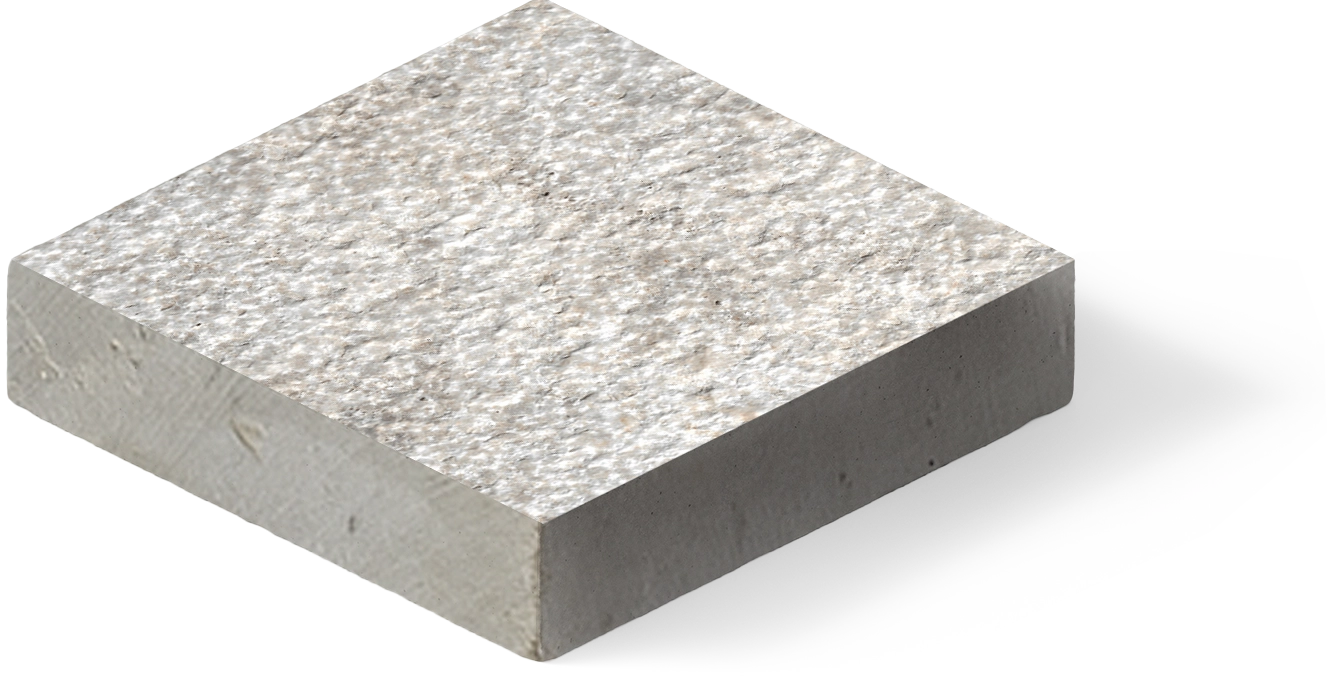
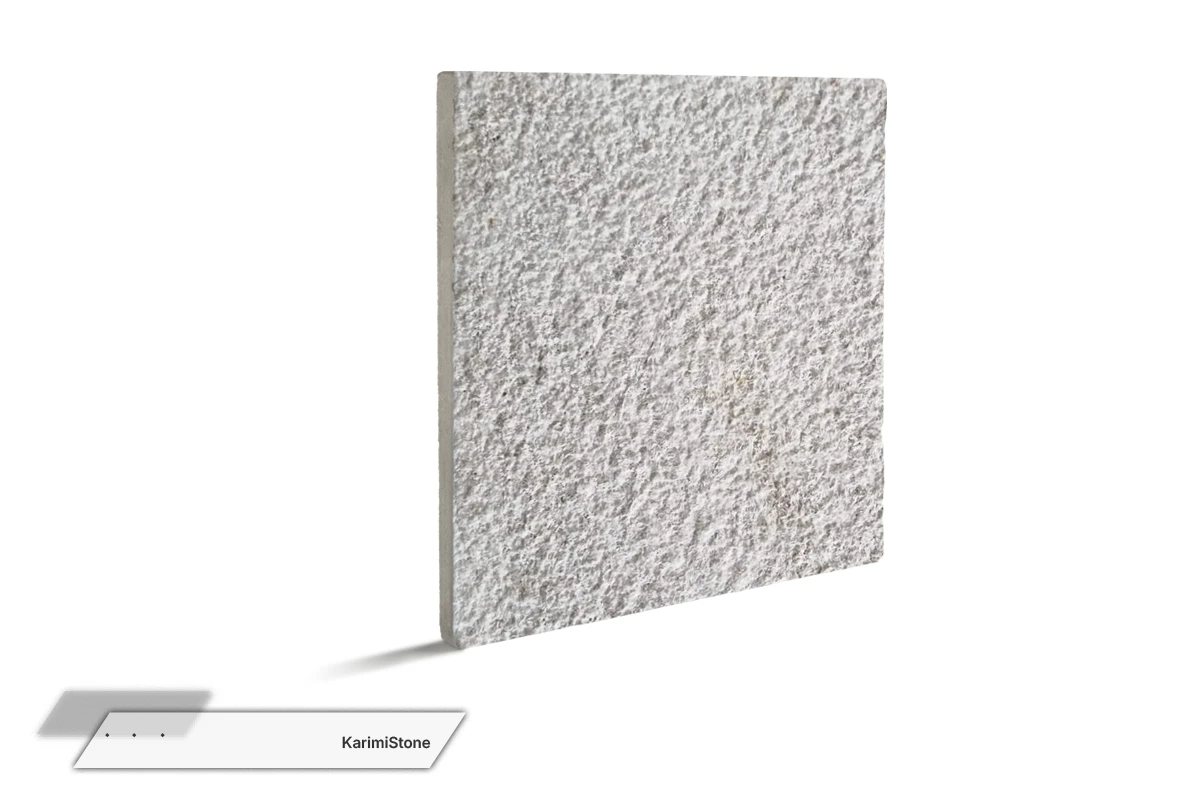
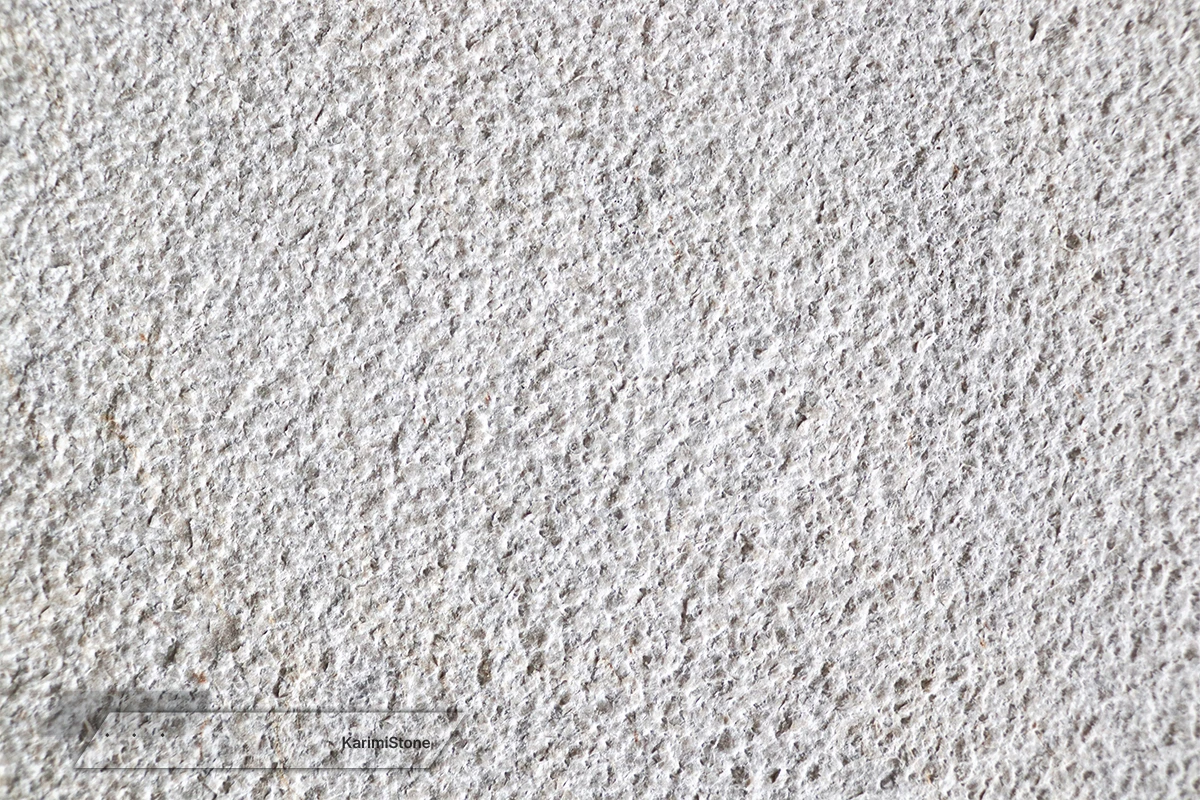
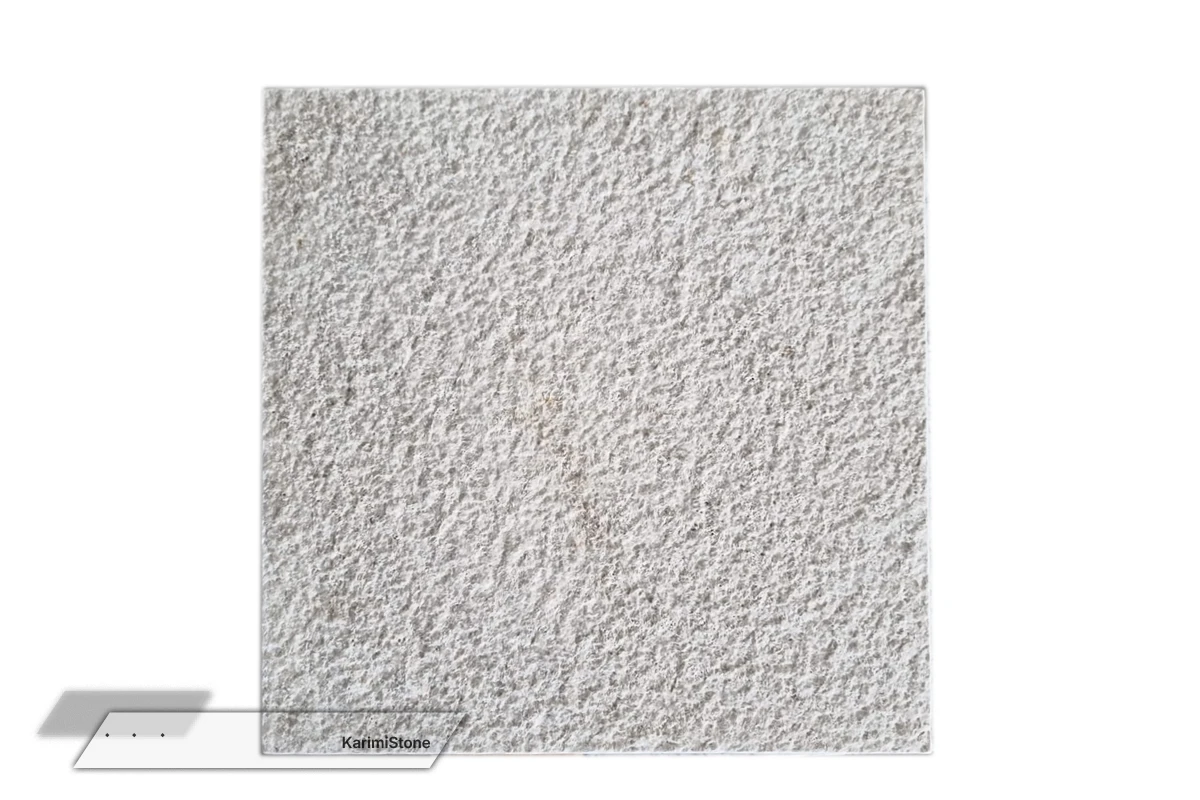
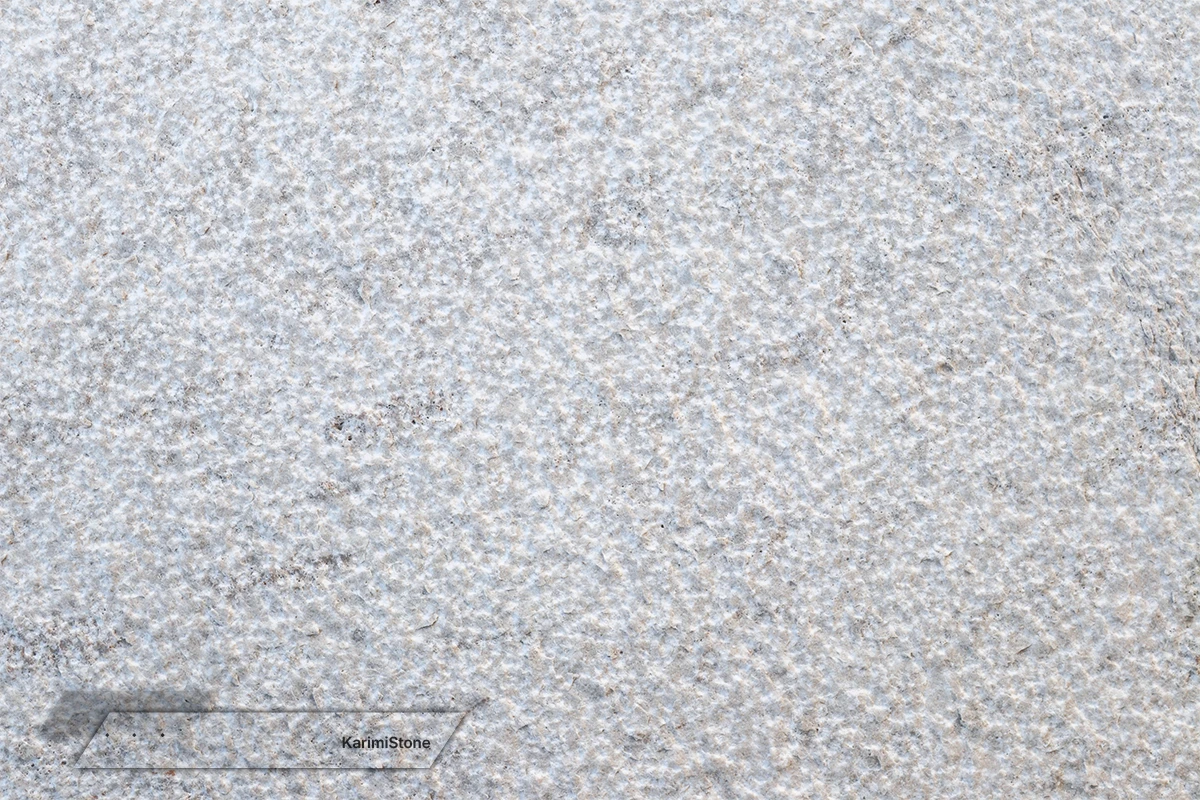
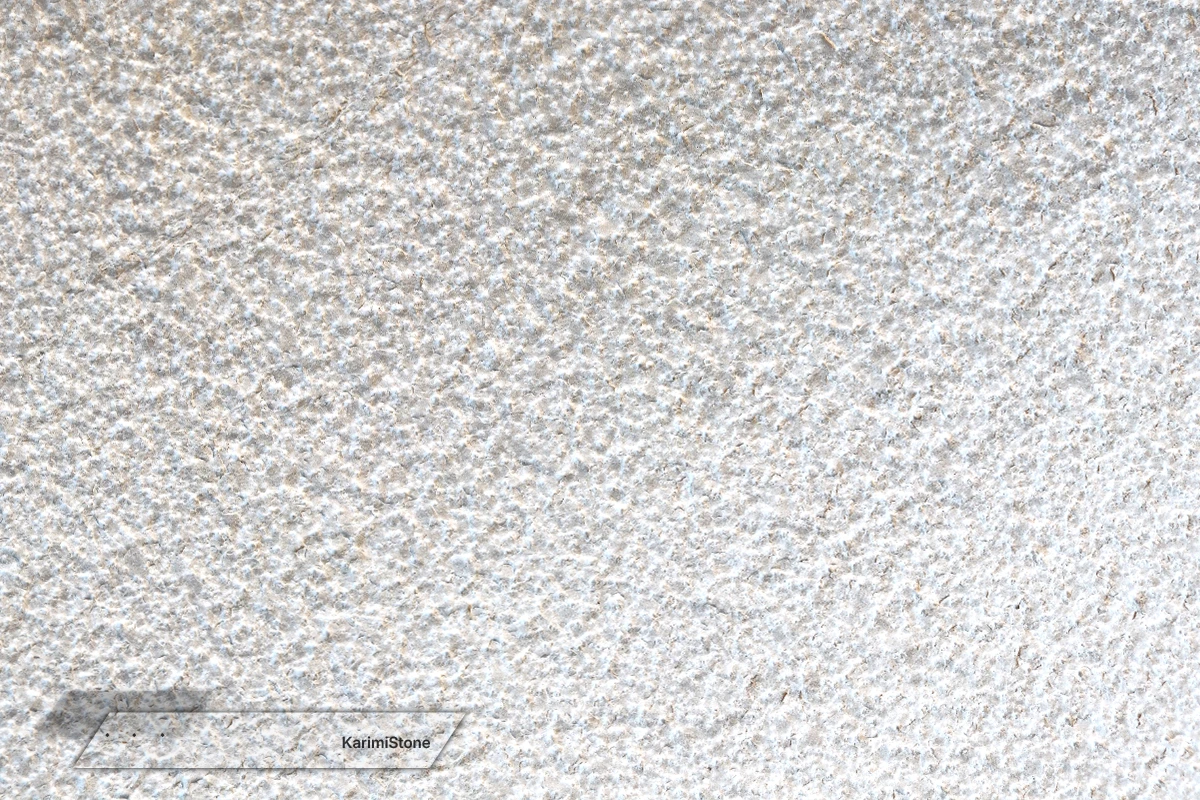
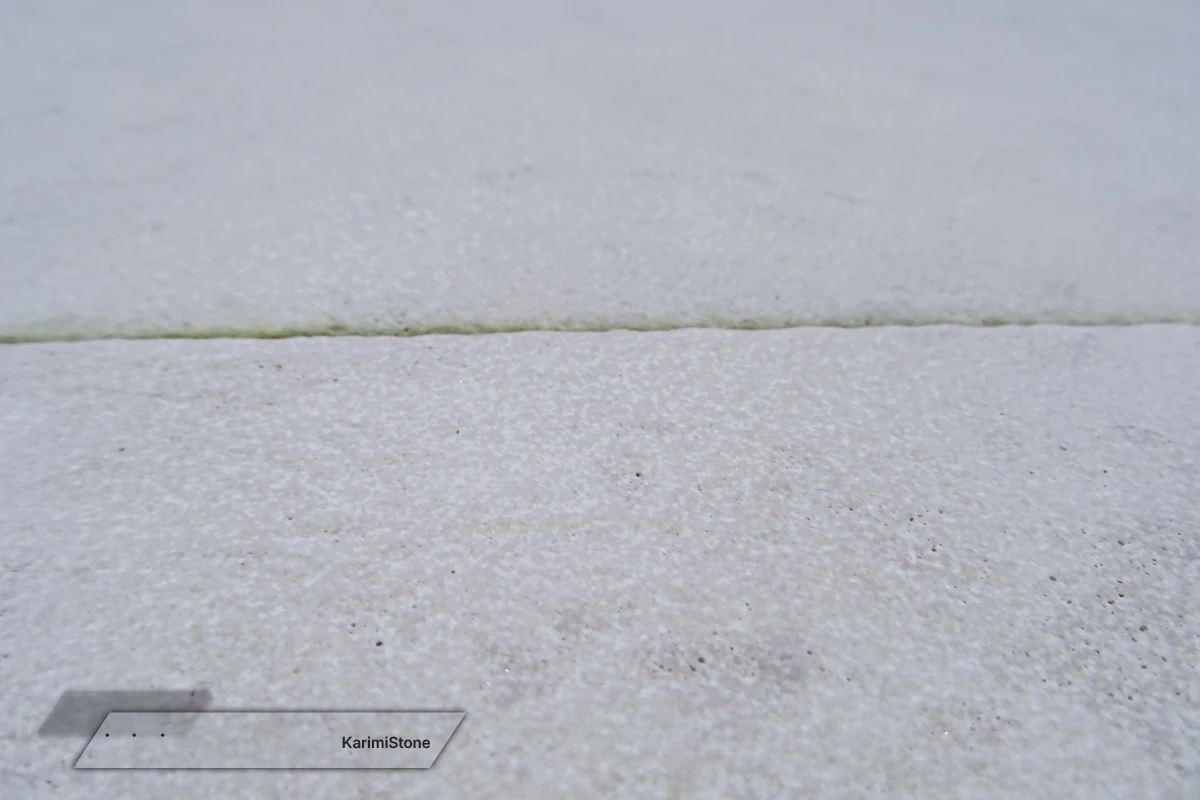
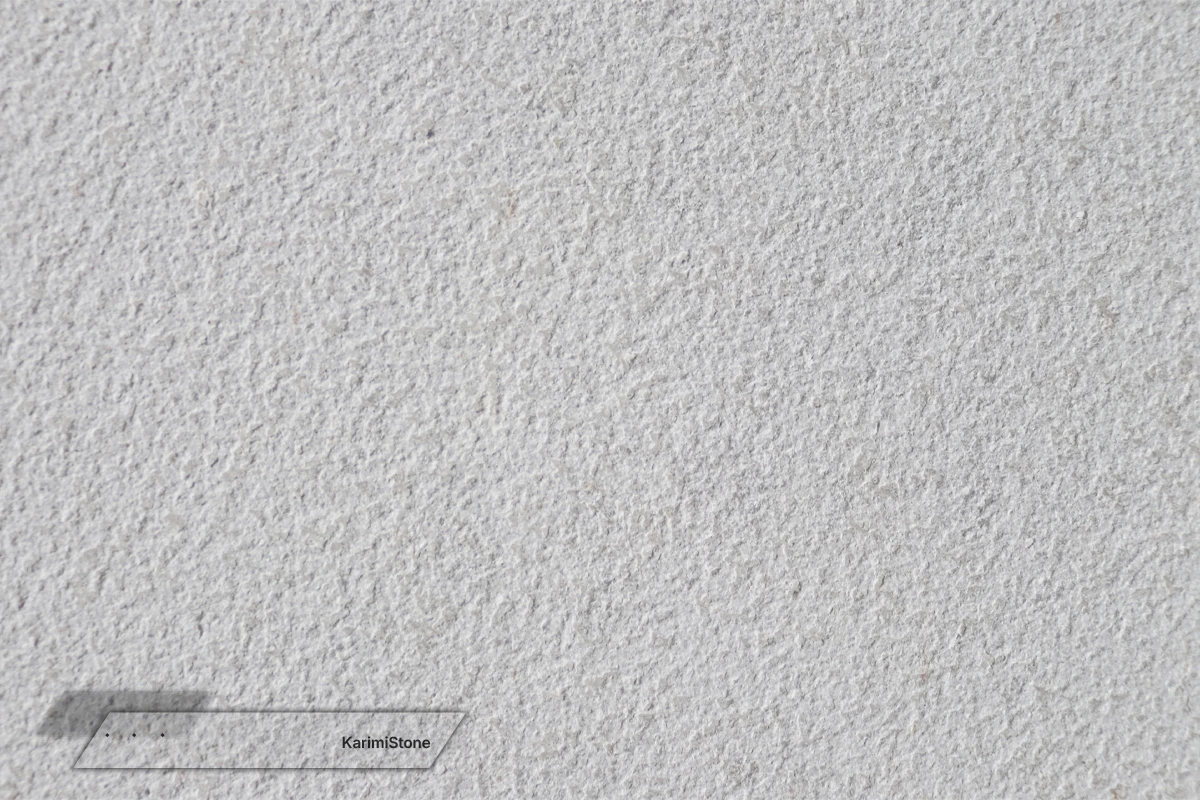
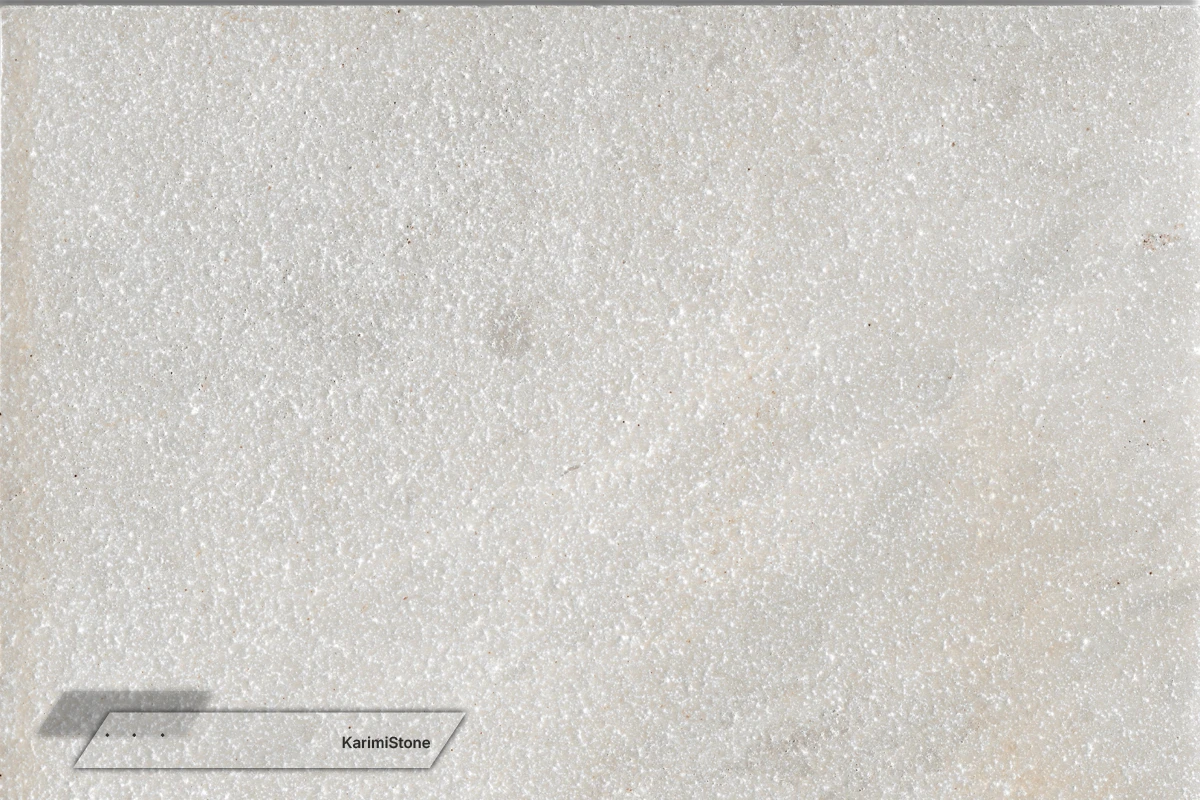
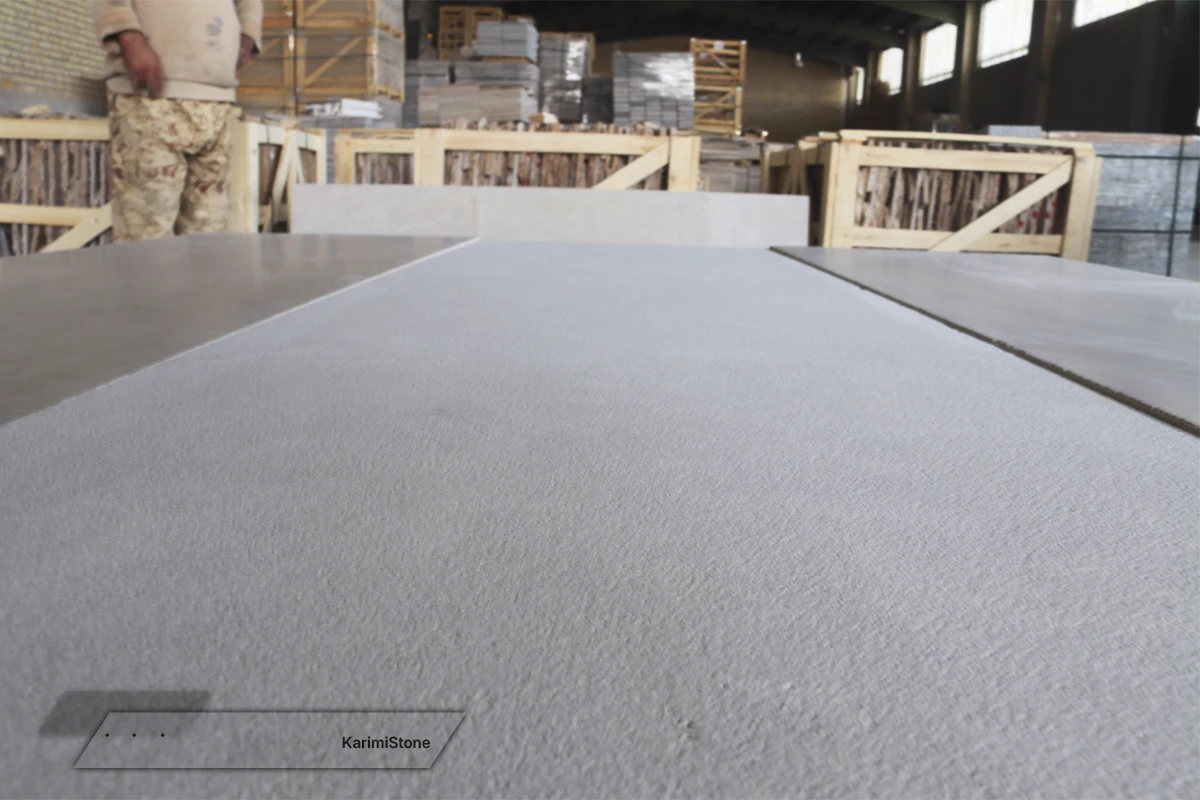
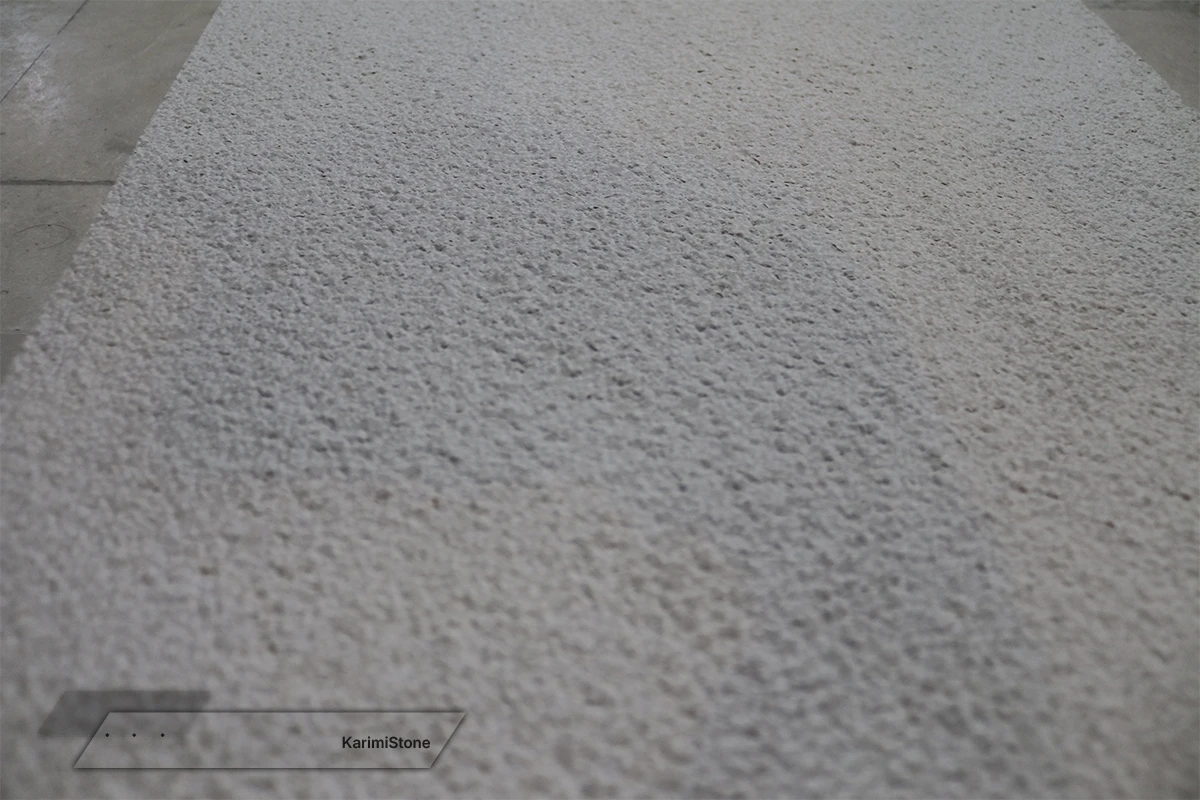
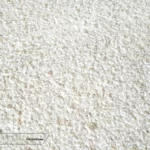
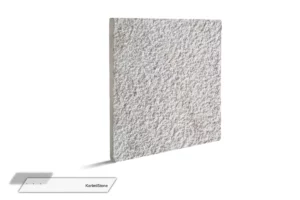
Gohare Bush-Hammered is a textured Iranian limestone developed for outdoor paving, walkways, stairs, plazas and architectural surfaces that require increased grip and reduced light reflection. Mechanical hammering creates a rough, evenly distributed texture across the stone face.
The base material is Gohare limestone, extracted near Khorramabad in Lorestan Province, western Iran. Its light cream-to-beige background, fine structure and relatively uniform appearance provide a suitable base for controlled bush-hammering.
What is Gohare Bush-Hammered?
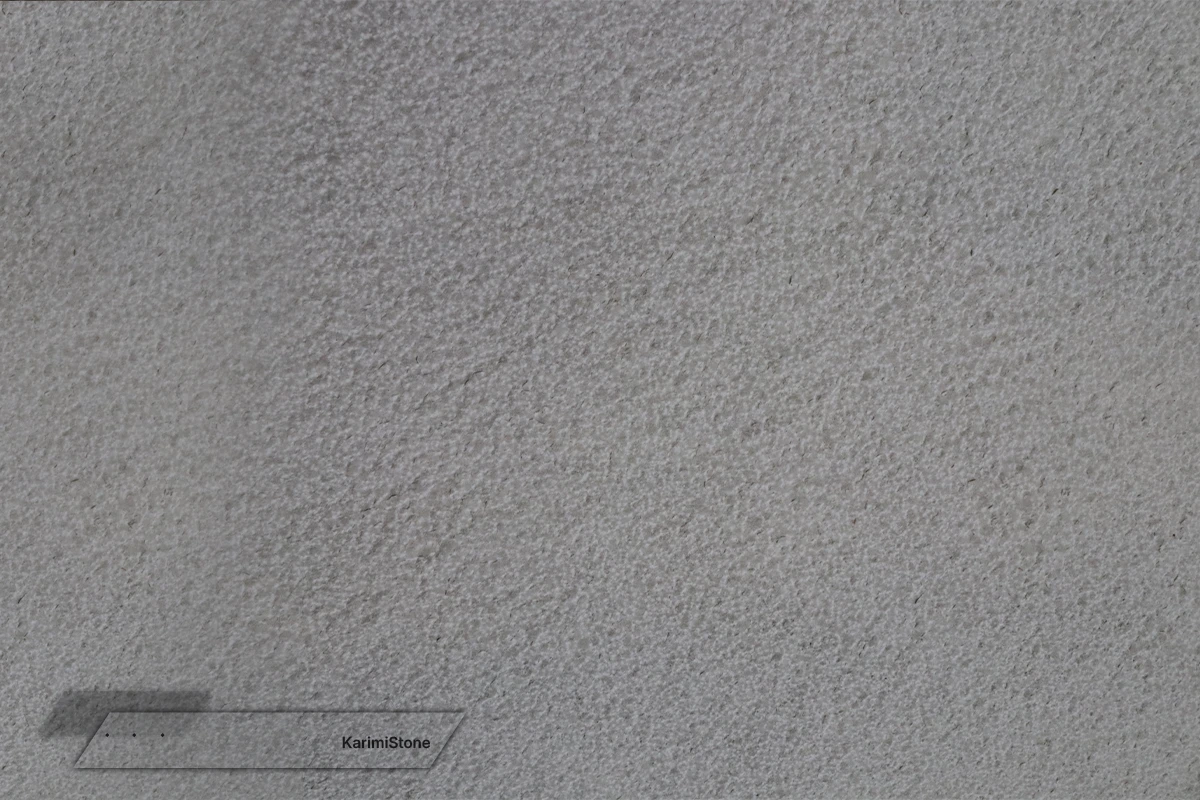
Gohare Bush-Hammered is produced by repeatedly striking the stone surface with a specialized head fitted with multiple carbide or metal points. These controlled impacts remove small particles from the surface and create a consistent field of shallow craters.
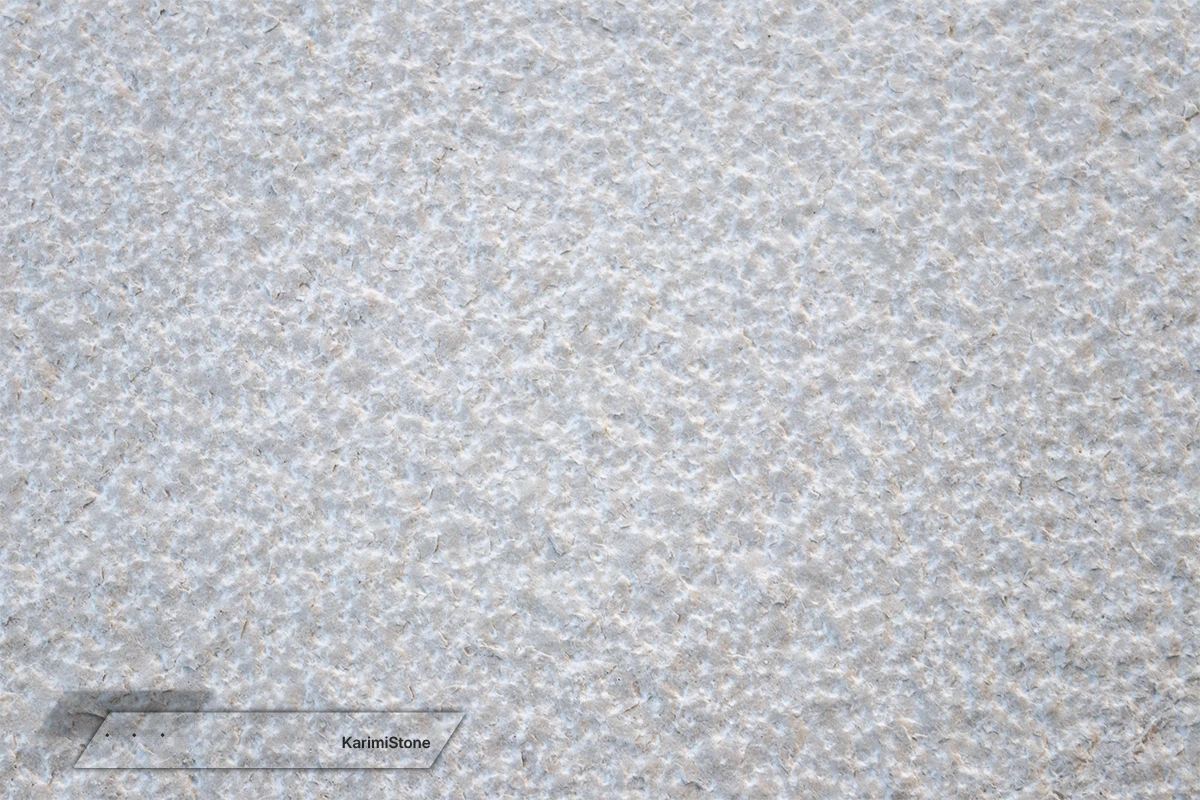
Unlike polished limestone, this finish does not reflect light like a mirror. It is also rougher and deeper than many sandblasted surfaces.
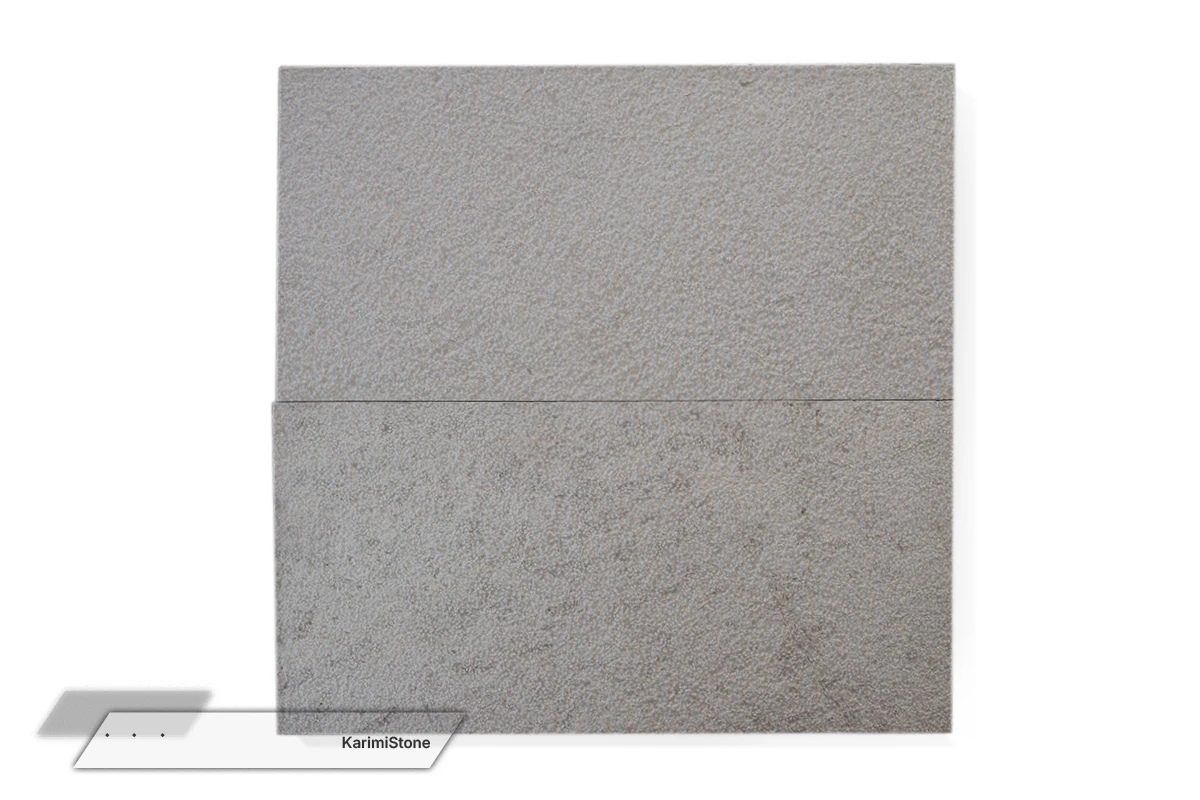
The final texture depends on the hammer-head design, point size, impact pressure, number of passes and stone thickness. A physical sample should be approved before mass production.
Bush-hammering production process
- Block selection: Blocks are checked for color, fossils and visible structural defects.
- Cutting: The blocks are converted into slabs, tiles, paving pieces or steps.
- Calibration: Pieces are adjusted to the specified thickness.
- Bush-hammering: Multi-point heads strike the surface in controlled passes.
- Edge processing: Edges are cut or finished according to the project drawing.
- Cleaning: Loose particles and production dust are removed.
- Inspection: Texture, thickness, dimensions and surface condition are checked.
The hammering process removes part of the surface. Therefore, the starting thickness must allow for processing loss and final dimensional tolerances.
Appearance and available sorting
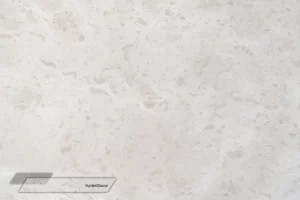
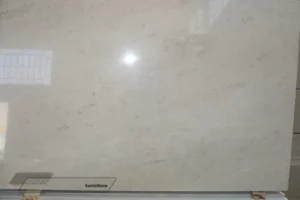
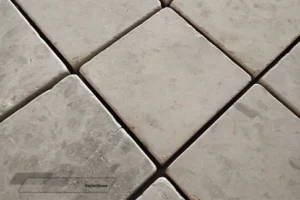
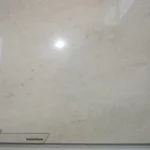
Gohare Bush-Hammered Limestone normally has a light cream, beige or slightly greyish-cream color. The rough treatment softens color contrast and makes the surface appear lighter and more matte than the same stone in a polished finish.
Natural grey fossils may still appear, although the bush-hammered texture often reduces their visual contrast. Available visual selections include:
- Low-fossil: Cleaner and more uniform background
- Medium-fossil: Moderate natural pattern
- High-fossil: More visible grey fossil concentration
These selections describe appearance and do not independently determine the technical quality of the stone.
Benefits of Gohare Bush-Hammered
- Increased surface friction: The rough texture can provide more grip than polished or smooth finishes.
- Reduced glare: The matte surface limits strong reflection under sunlight.
- Controlled texture: Factory processing creates a relatively consistent pattern.
- Suitable for outdoor use: The finish can be considered for walkways, stairs and landscaping after project assessment.
- Visual tolerance: Dust and minor wear are generally less visible than on a polished surface.
- Custom production: Texture depth, dimensions and edge treatment can be adjusted within production limits.
Technical specifications
The following figures are indicative values for Gohare limestone. Results can vary according to quarry section, block, production lot, sample orientation and laboratory method.
| Property | Indicative value | Reference |
|---|---|---|
| Stone classification | Natural limestone | Geological classification |
| Color | Light cream to beige | Visual sorting |
| Water absorption | Approximately 0.53% | ASTM C97 |
| Bulk density | Approximately 2661 kg/m³ | ASTM C97 |
| Porosity | Approximately 2.59% | ASTM C97 |
| Compressive strength | Approximately 19.4 MPa | ASTM C170 |
| Flexural strength | Approximately 12.4 MPa | Laboratory report |
| Abrasion test result | Approximately 59.31 mm | EN 14157 |
These values must be confirmed through the certificate for the supplied lot. ASTM C97/C97M covers absorption and bulk specific gravity testing for dimension stone.
Slip resistance is not established by the finish name alone. Information about slip, strength and natural-stone testing is available from the Natural Stone Institute.
Applications of Gohare Bush-Hammered Limestone
Gohare Bush-Hammered can be manufactured for several architectural and landscape applications:
- Outdoor paving: Courtyards, villa grounds and pedestrian areas
- Sidewalks: Public and private walking routes
- Exterior stairs: Steps, risers and entrance landings
- Urban plazas: Selected public spaces subject to engineering approval
- Garden pathways: Landscape routes with suitable foundations and drainage
- Ramps: After project-specific slip-resistance testing
- Wall cladding: Textured interior or exterior vertical panels
- Pool surroundings: Only after wet-slip, drainage and maintenance assessment
Slip resistance and pedestrian safety
The rough surface of Gohare Bush-Hammered can provide more friction than a polished surface, but the stone should not be described as completely non-slip. Actual performance depends on texture depth, moisture, contamination, footwear, slope and maintenance.
For public stairs, ramps, pool areas or wet paving, a slip-resistance test should be completed on the finished product. The tested sample must have the same texture and treatment as the supplied material.
Exterior use and freeze–thaw conditions
Bush-hammering does not make limestone waterproof or automatically frost-resistant. Suitability for exterior use depends on absorption, stone thickness, drainage, installation method and lot-specific freeze–thaw performance.
In cold regions, water must not remain beneath or inside the stone assembly. Correct slopes, drainage layers, suitable joints and compatible installation materials are important. A penetrating sealer may reduce moisture and staining but cannot replace correct construction details.
Installation considerations
- Use a stable and correctly prepared substrate.
- Provide sufficient slope for water drainage.
- Select mortar or adhesive compatible with natural limestone.
- Use movement joints according to the project design.
- Confirm the final thickness after bush-hammering.
- For façade panels, use an approved mechanical fixing system where required.
Cleaning and maintenance
- Use a pH-neutral or approved mildly alkaline stone cleaner.
- Avoid acidic products, vinegar and aggressive chemicals.
- Use a suitable non-metallic brush to clean the textured surface.
- Remove mud, salts and organic contamination regularly.
- Do not use uncontrolled high-pressure washing.
- Inspect exterior joints and drainage periodically.
Available formats
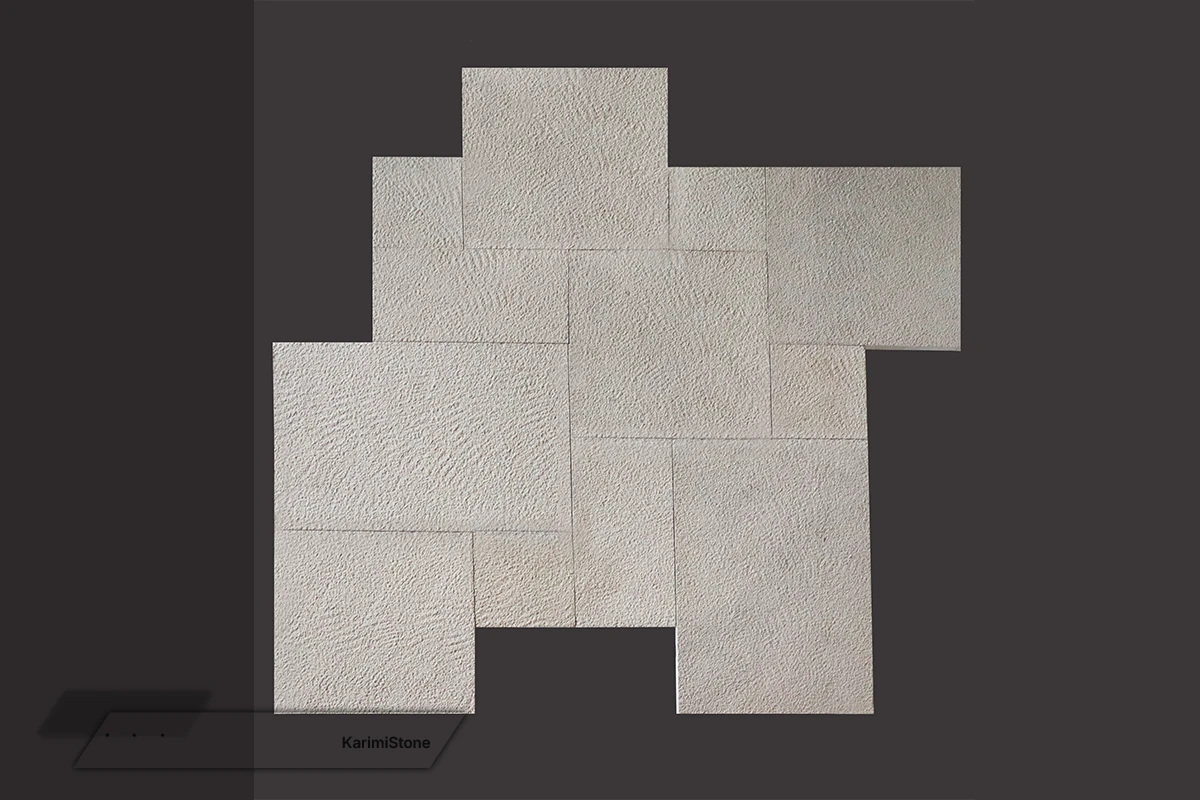
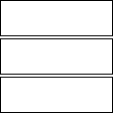
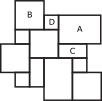
Negin Sang Karimi can manufacture Gohare Bush-Hammered as tiles, paving pieces, free-length products, pattern sets, steps and risers and custom cut-to-size components.
Related products include Gohare Sandblasted, Gohare Honed and the complete Gohare limestone collection.
Production and export by Karimi Stone
Negin Sang Karimi (Karimi Stone) manages block selection, cutting, calibration, bush-hammering, sorting, quality control and export preparation.
Quality control includes checking dimensions, final thickness, texture distribution, surface depth, edge condition and visible cracks. A reference sample should be approved before mass production to establish the accepted texture.
Export orders can be packed in reinforced wooden crates or pallets with suitable separation and edge protection. To request samples, technical documents or a quotation for Gohare Bush-Hammered, please contact Karimi Stone.
Frequently asked questions
Is Gohare Bush-Hammered completely non-slip?
No. The texture can improve grip, but wet and public applications require project-specific slip testing.
Can the texture depth be customized?
Yes. Tool type and processing intensity can be adjusted within the structural and dimensional limits of the stone.
Can it be used in freezing climates?
Suitability must be confirmed through lot-specific testing, correct drainage and an installation system designed for the local climate.
Is bush-hammered limestone suitable for indoor walls?
Yes. It can be used for interior walls where a rough, matte and structured surface is required.