
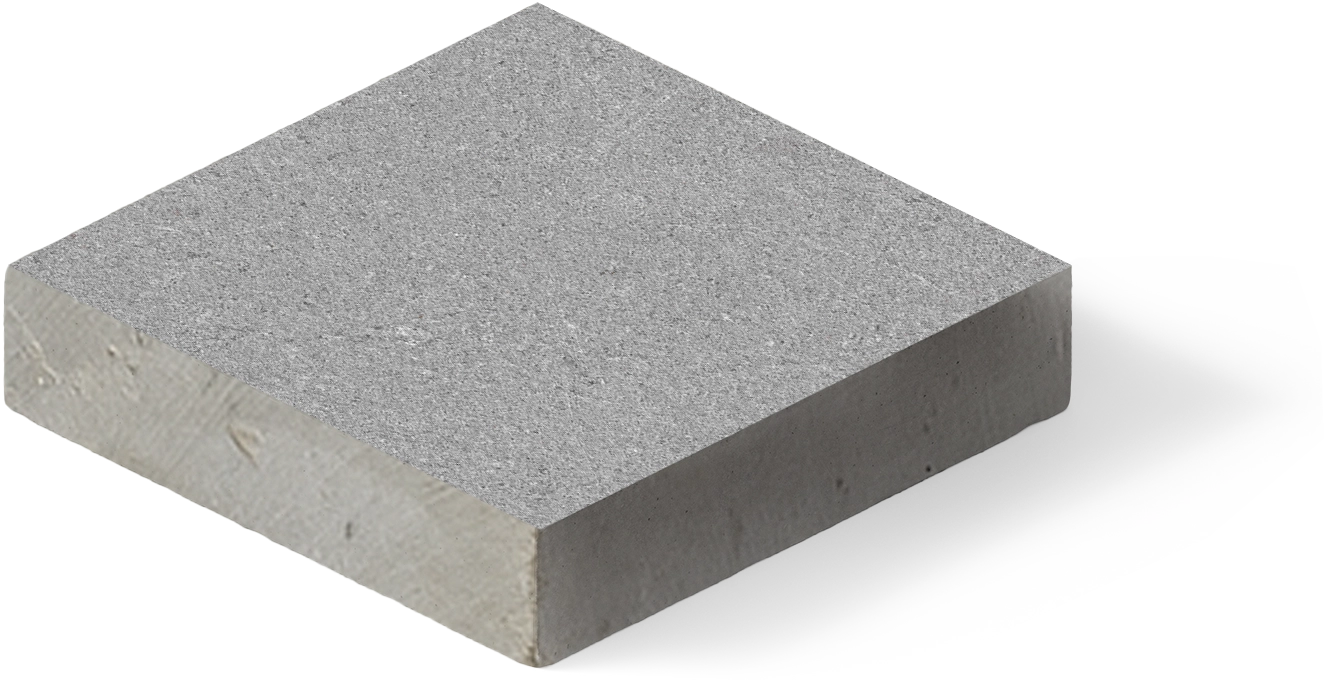
The sandblasted stone finish is produced by projecting controlled abrasive particles against the stone under pressure. The impact removes a small amount of surface material and creates a uniform, matte and finely textured appearance. Preparing and levelling the stone before blasting helps produce a cleaner and more consistent result.
Sandblasting may be performed manually or by automated machinery. Machine-controlled processing generally provides better consistency across large quantities of slabs, tiles and cut-to-size pieces. The abrasive medium, pressure, distance and processing time must be adjusted according to the stone’s hardness and structure. Production must also follow suitable dust-control and occupational-safety requirements.
Sandblasted stone is commonly used for façades, paving, garden paths, courtyards, stairs and public spaces. Its texture usually provides more grip than polished stone, but the finish should not be described as completely non-slip without project-specific testing.
Menu
Categories
Surface Finishes
- Finish
- Surface
- Stone Types
- Multiple materials
- Application
- Project based
- Supply
- Project + export
Browse Surface Finish
Explore stones available in this surface finish and use the filters to refine the collection.
Surface Finish Collection
Browse the natural stone products available with the selected surface finish.
About Surface Finish
What Is a Sandblasted Finish?
A sandblasted finish is a textured stone surface created by directing high-pressure abrasive media (such as sand or other mineral particles) onto the stone face. This process gently removes the top layer and creates a uniform, fine-grain texture with a matte, non-glossy appearance.
Unlike polished or honed finishes that produce smooth surfaces, sandblasted stone offers a controlled texture that improves surface grip and reduces glare. It keeps the stone’s natural color tone more muted and architectural, making it a common choice for contemporary design where practicality and surface safety are important.
Compared with bush-hammered or flamed finishes, sandblasted surfaces are typically finer and more uniform, with less aggressive texture depth. If you want to compare finishes, see our Bush-Hammered Finish and Flamed Finish pages.
How Sandblasted Stone Is Produced
Producing a consistent sandblasted surface requires controlled blasting pressure, correct abrasive selection, and careful quality inspection to ensure texture uniformity and dimensional stability.
1) Stone Cutting and Surface Preparation
Stone blocks are cut into slabs or tiles and prepared for finishing. The surface is typically sawn or lightly processed to ensure uniform blasting results and accurate texture development.
2) Abrasive Blasting Process
The stone face is treated using high-pressure blasting equipment that projects abrasive particles onto the surface. Operators control pressure, distance, and blasting time to achieve the desired texture level without damaging the stone’s structure.
3) Texture Intensity Control
Texture can be produced in different strengths, from light sandblasting (subtle matte) to heavier sandblasting (more traction and deeper texture). The goal is a consistent surface with controlled roughness based on project requirements.
4) Edge Processing and Optional Fabrication
Edges may be cut, beveled, or shaped based on the intended use. For stair grooves, drainage channels, or custom architectural elements, CNC fabrication may be required. For precision shaping, visit our CNC Stone Manufacturing page.
5) Quality Control, Sorting, and Packaging
Final inspection checks texture uniformity, thickness tolerance, color range, and surface stability. Batch sorting helps maintain consistent visual appearance in large architectural projects.
Most Common Applications of Sandblasted Stone in Buildings
Sandblasted stone is primarily selected for environments requiring a matte finish, improved traction, and durable performance. Below are the most common architectural applications:
Exterior Flooring, Walkways, and Terraces
Sandblasted stone is widely used for outdoor flooring and walkways where slip resistance is important. The textured surface performs reliably in wet conditions and maintains a clean architectural appearance.
Stairs, Steps, and Access Areas
Because safety is critical on stairs and access routes, sandblasted surfaces are often used for step treads, ramps, and entrance zones. For matching formats, see our Steps & Risers options.
Public Spaces and Commercial Buildings
Commercial facilities, public walkways, and municipal projects use sandblasted stone for its durability, controlled texture, and long-term performance under heavy foot traffic.
Interior Flooring in Functional Areas
Sandblasted finishes are also used indoors in functional spaces such as lobbies, corridors, and service areas where glare reduction and practical surface grip are desired.
Façade and Decorative Architectural Surfaces
Sandblasting can create a subtle matte texture on façade elements and wall cladding, offering a controlled visual effect without strong reflections.
Sandblasted Stone Options: Types, Colors, Sizes, and Formats
Our sandblasted product range includes multiple stone options and formats suitable for functional and architectural applications:
- Stone Types: Marble (selected), Limestone, Travertine, Granite, and other natural stones depending on project requirements.
- Colors: Cream, beige, grey, white, and darker tones depending on quarry origin and stone selection.
- Formats: Tiles, paving units, slabs, steps & risers, cut-to-size panels, and custom architectural elements.
- Sizes: Standard modular sizes and project-specific cut-to-size dimensions.
To review available products, visit our main catalog at All Products and filter by surface finish and application. For quotations and technical coordination, submit your request via Request a Quote.
Performance Notes and Standards
Sandblasted stone performance depends on material selection, texture intensity, thickness, and installation method. This finish is widely used where slip resistance and matte appearance are needed. For testing references and international guidance, many projects refer to standards published by ASTM International.
Local safety regulations, climate exposure, and maintenance practices should be considered during specification to ensure long-term performance.
Maintenance and Care Recommendations
Sandblasted stone is durable and easy to maintain with proper care:
- Regular cleaning with pH-neutral cleaners suitable for natural stone.
- Periodic washing to remove dirt buildup from textured surfaces.
- Use sealers when required, based on stone absorption and environmental exposure.
- Avoid harsh chemical cleaners that may discolor the stone or weaken the surface.
For project-specific sealing and maintenance guidance, contact our technical team.
FAQ: Sandblasted Finish Products
Is sandblasted stone slip resistant?
Yes, sandblasted stone provides improved slip resistance due to its fine textured surface, making it suitable for exterior paving, walkways, and access areas.
How does sandblasted finish compare to flamed finish?
Sandblasted finishes typically have a finer, more uniform texture, while flamed finishes produce a rougher thermal texture. The right choice depends on design and safety requirements.
Can sandblasted stone be used indoors?
Yes, sandblasted stone can be used indoors in functional areas where glare reduction and surface grip are beneficial.
Request Samples, Pricing, and Production Details
Need sandblasted stone for your project? Send your target dimensions, thickness, and quantities. Our team will recommend suitable materials, finishing options, and production solutions.
Contact Us for Sandblasted Products
Browse All Stone Products
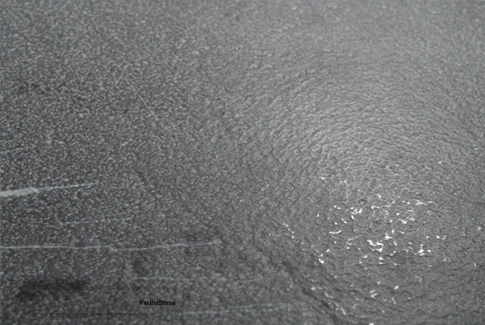
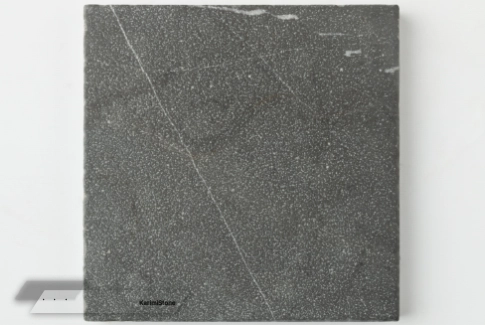


Pietra Grey Sandblasted & Brushed
Pietra Grey Sandblasted & Brushed Marble Pietra Grey Sandblasted & Brushed is an Iranian dark grey marble processed…
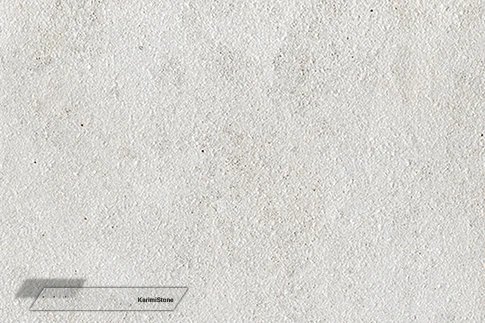
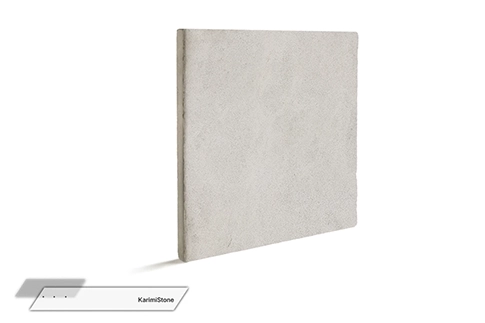


Gohare Limestone Sandblasted
Gohare Sandblasted Limestone Gohare Sandblasted is an Iranian cream limestone with a fine, matte and uniformly textured surface.…
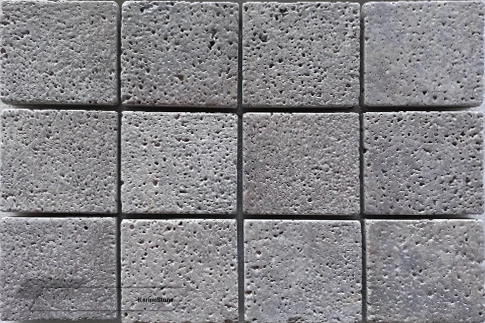
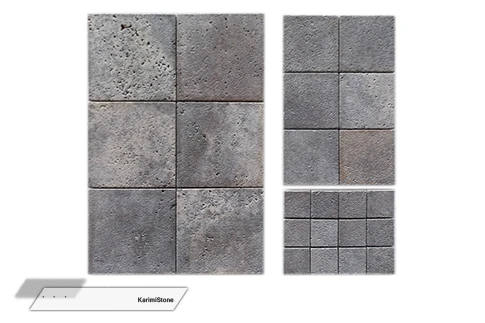


Silver Travertine Sandblasted & Brushed
Silver Travertine Sandblasted & Brushed is an Iranian natural travertine with silver-grey tones, warm brown movement, white mineral…
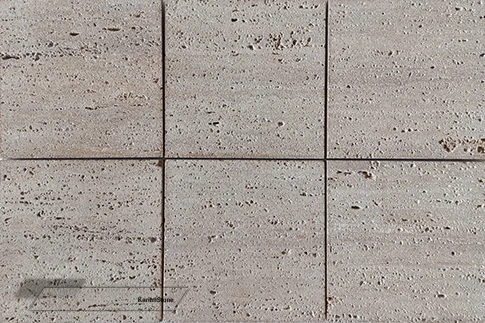
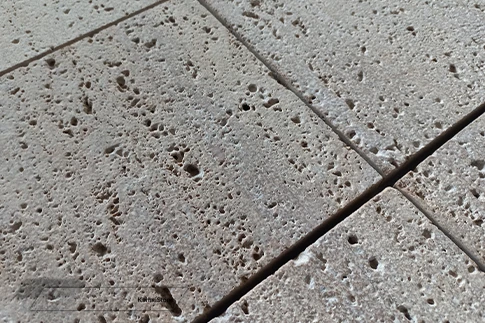

Beige Travertine Sandblasted & Brushed Vein-Cut
Beige Travertine Sandblasted & Brushed Vein-Cut is an Iranian natural stone with warm cream-to-beige tones, natural pores, long…
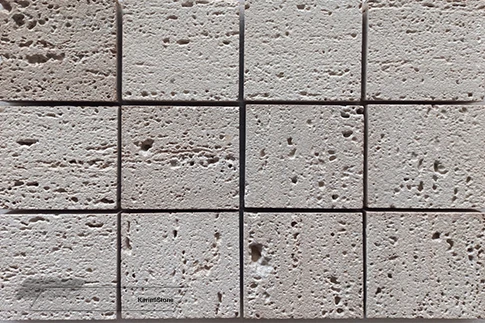
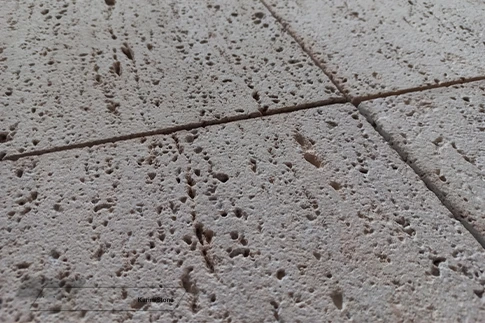
Beige Travertine Sandblasted Vein-Cut
Beige Travertine Sandblasted Vein-Cut is an Iranian natural stone with warm cream-to-beige colors, natural pores, long directional mineral…
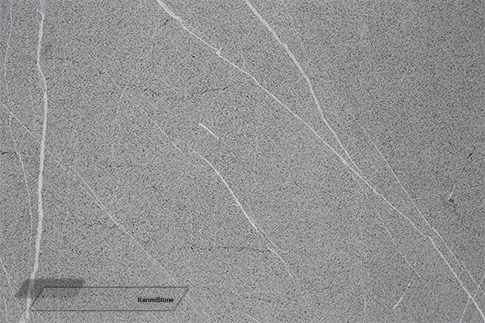
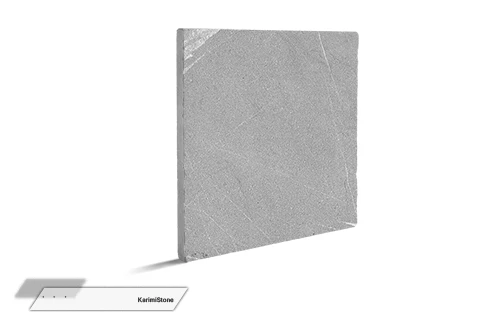
Pietra Grey Sandblasted
Pietra Grey Sandblasted Marble Pietra Grey Sandblasted is a dark grey Iranian marble with fine white veins and…
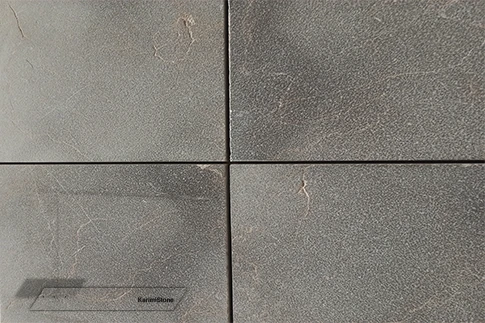
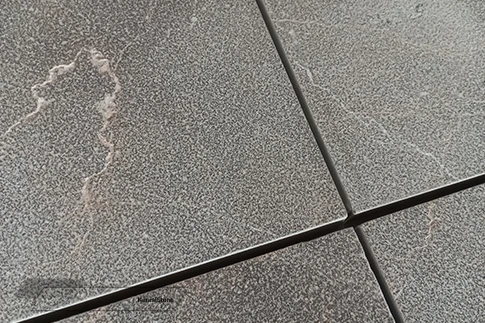
Grey Marble Sandblasted & Brushed
Grey Marble Sandblasted & Brushed is an Iranian natural stone with a calm grey background, dense marble structure,…
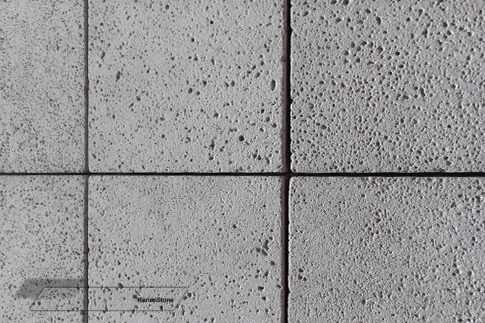
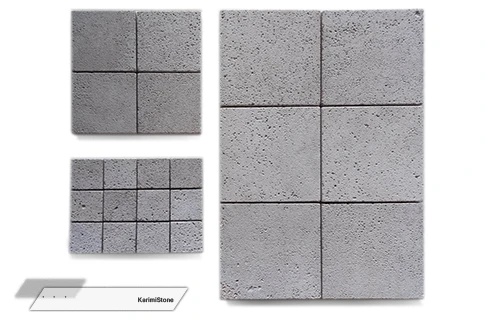
Silver Travertine Sandblasted Cross-Cut
Silver Travertine Sandblasted is an Iranian natural travertine with silver-grey and smoky tones, warm brown mineral movement, lighter…
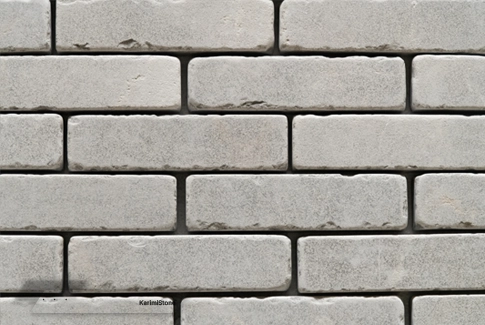
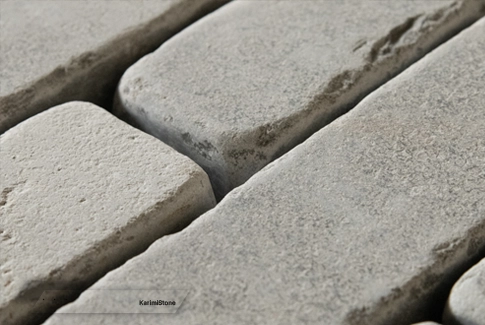
Grey Marble Sandblasted & Tumbled
Grey Marble Sandblasted & Tumbled is an Iranian natural stone with a calm grey background, dense marble structure,…
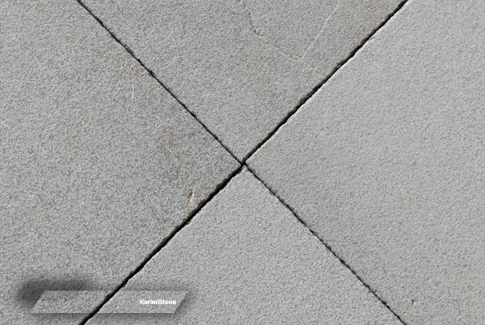
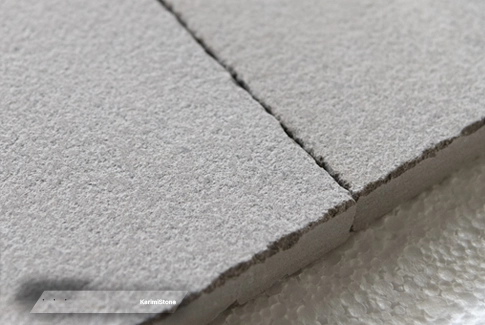
Grey Marble Sandblasted
Grey Marble Sandblasted is an Iranian natural stone with a calm grey color, dense marble structure, minimal strong…
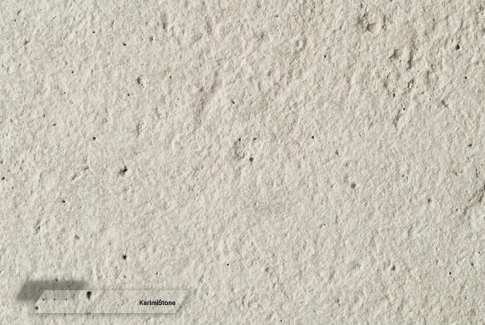
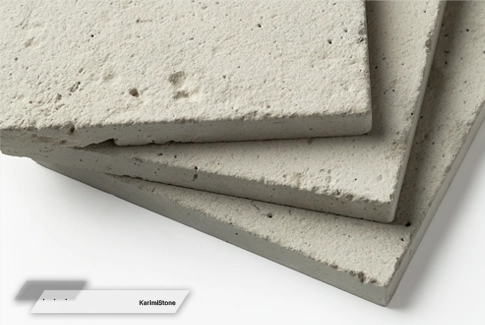
Vanak Limestone Sandblasted
Vanak Limestone Sandblasted Vanak Limestone Sandblasted is a natural Iranian limestone processed with controlled abrasive blasting to create…
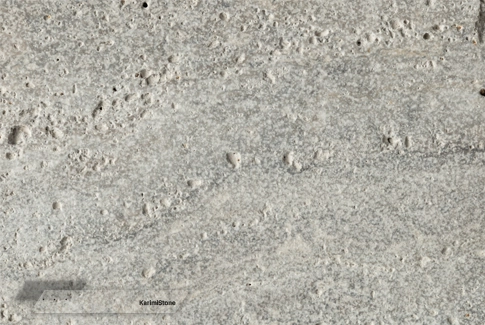
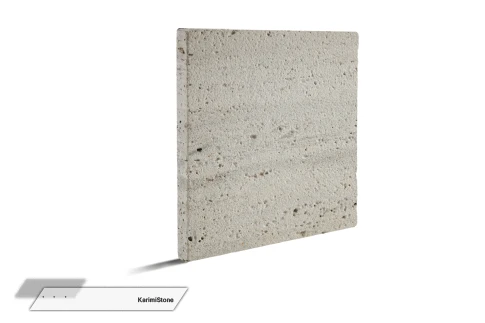
Silver Travertine Sandblasted Vein-Cut
Silver Travertine Sandblasted Vein-Cut is an Iranian natural travertine distinguished by silver-grey and smoky tones, warm brown mineral…
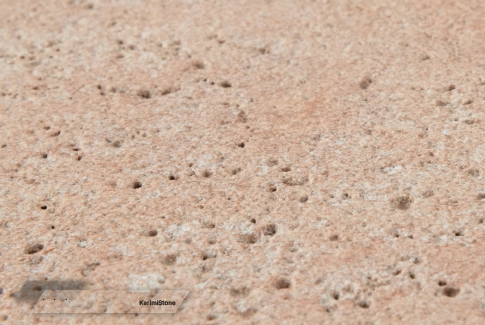
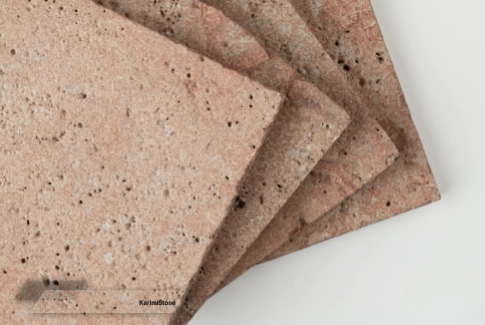
Red Travertine Cross-Cut Sandblasted
Red Travertine Cross-Cut Sandblasted Red Travertine Cross-Cut Sandblasted is an Iranian natural stone with a warm red background,…
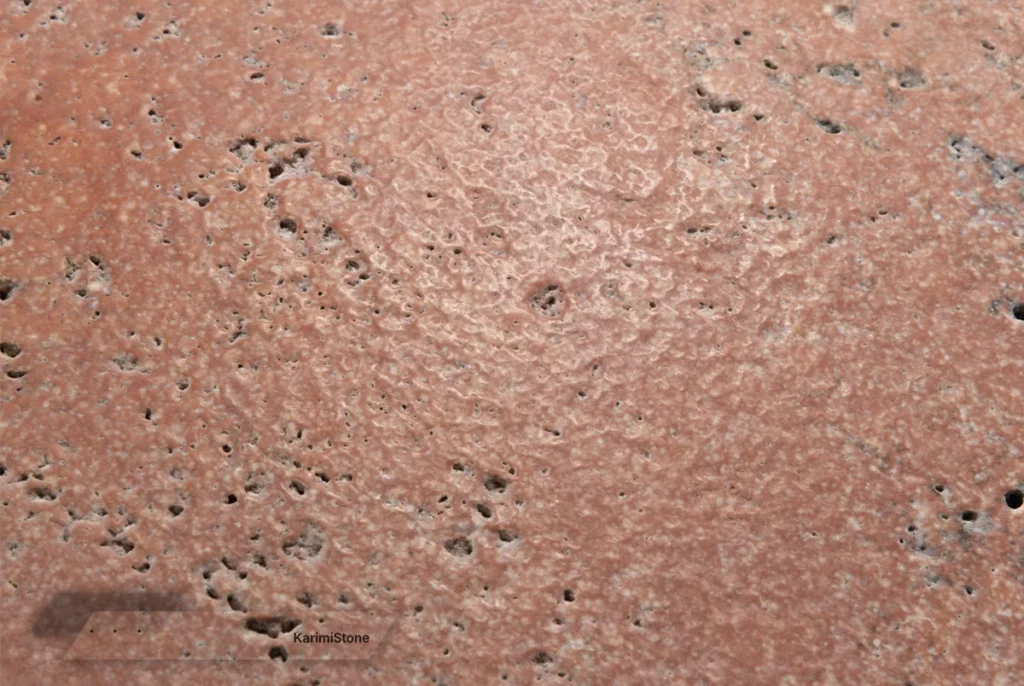
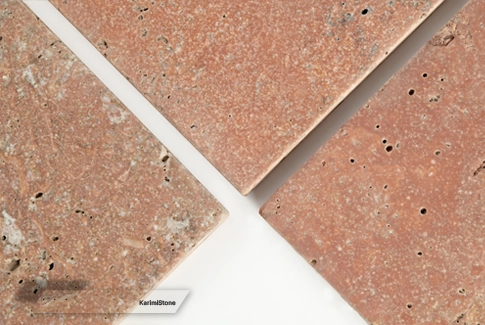
Red Travertine Cross-Cut Sandblasted and Brushed
Red Travertine Cross-Cut Sandblasted and Brushed Red Travertine Cross-Cut Sandblasted and Brushed is an Iranian natural stone with…
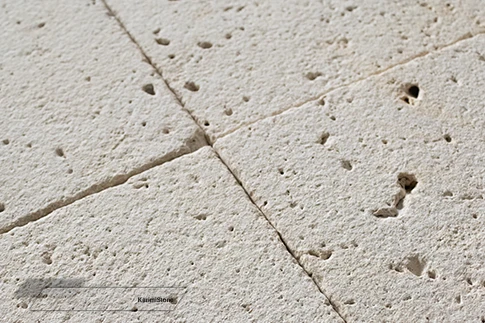
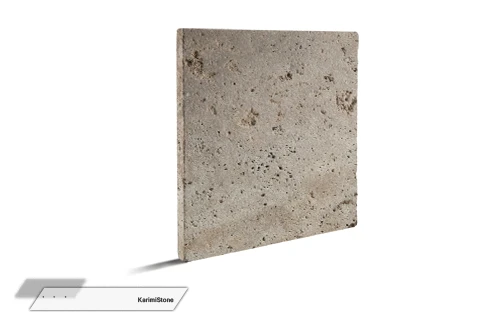
Beige Travertine Sandblasted Cross-Cut
Beige Travertine Sandblasted Cross-Cut is an Iranian natural stone with warm cream-to-beige tones, natural pores, a soft cloud-like…