
















Vanak Limestone Sandblasted
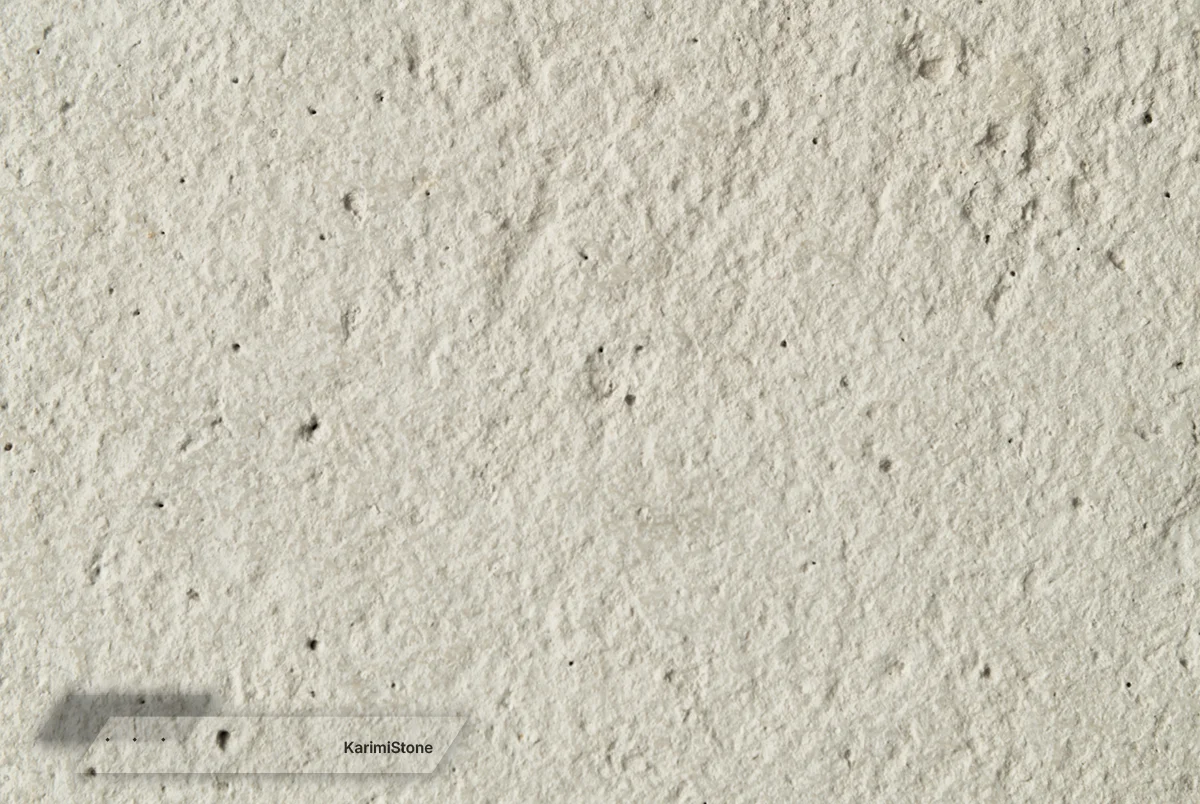
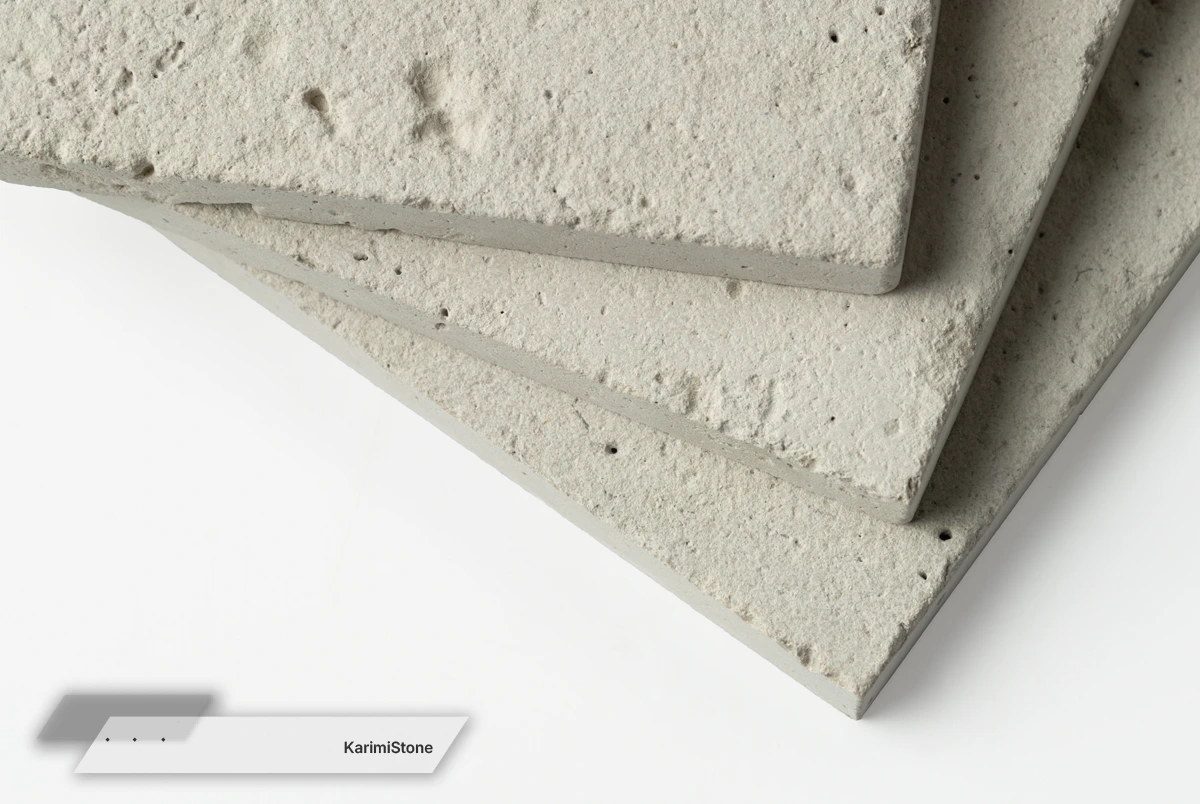
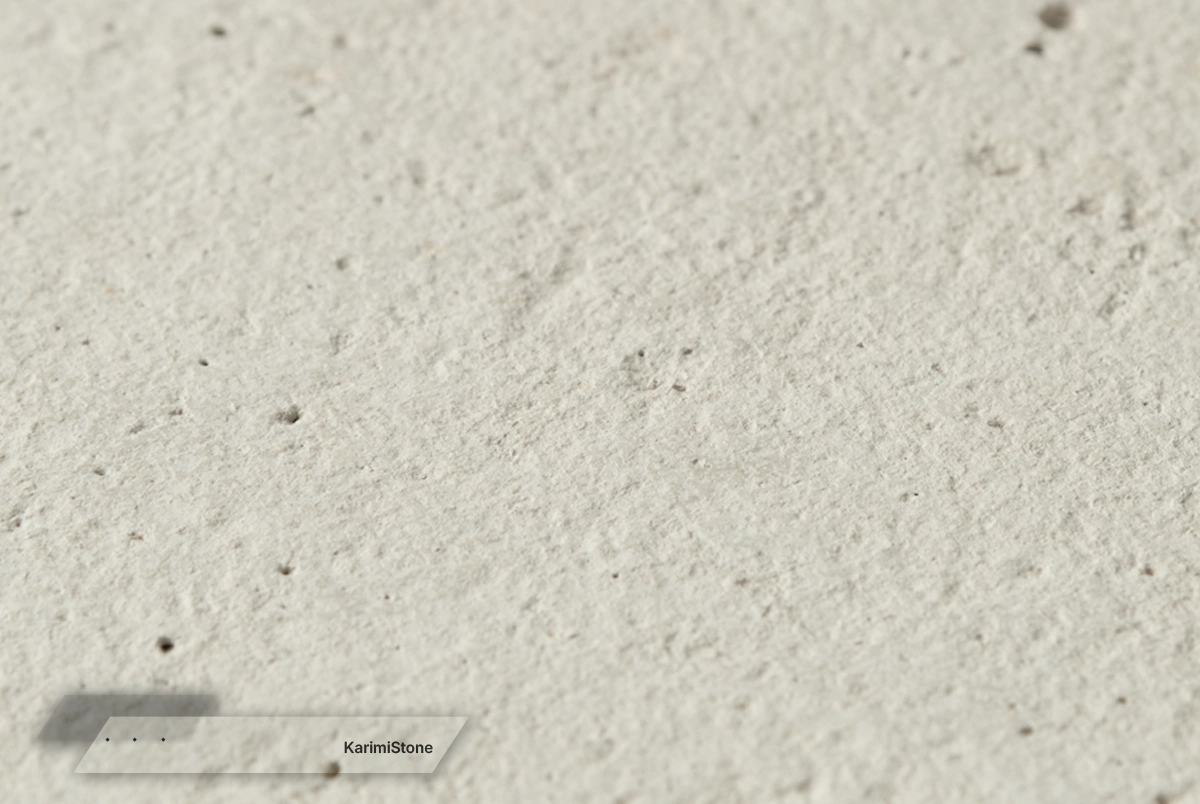
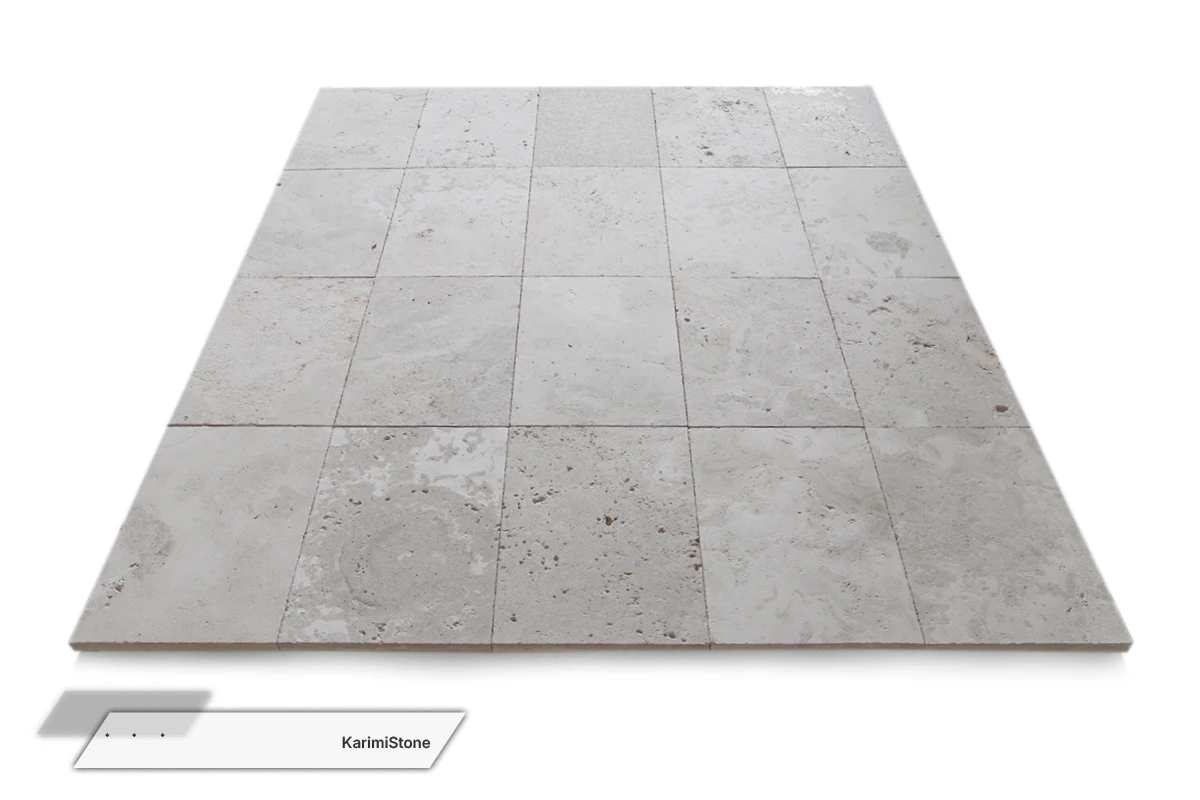
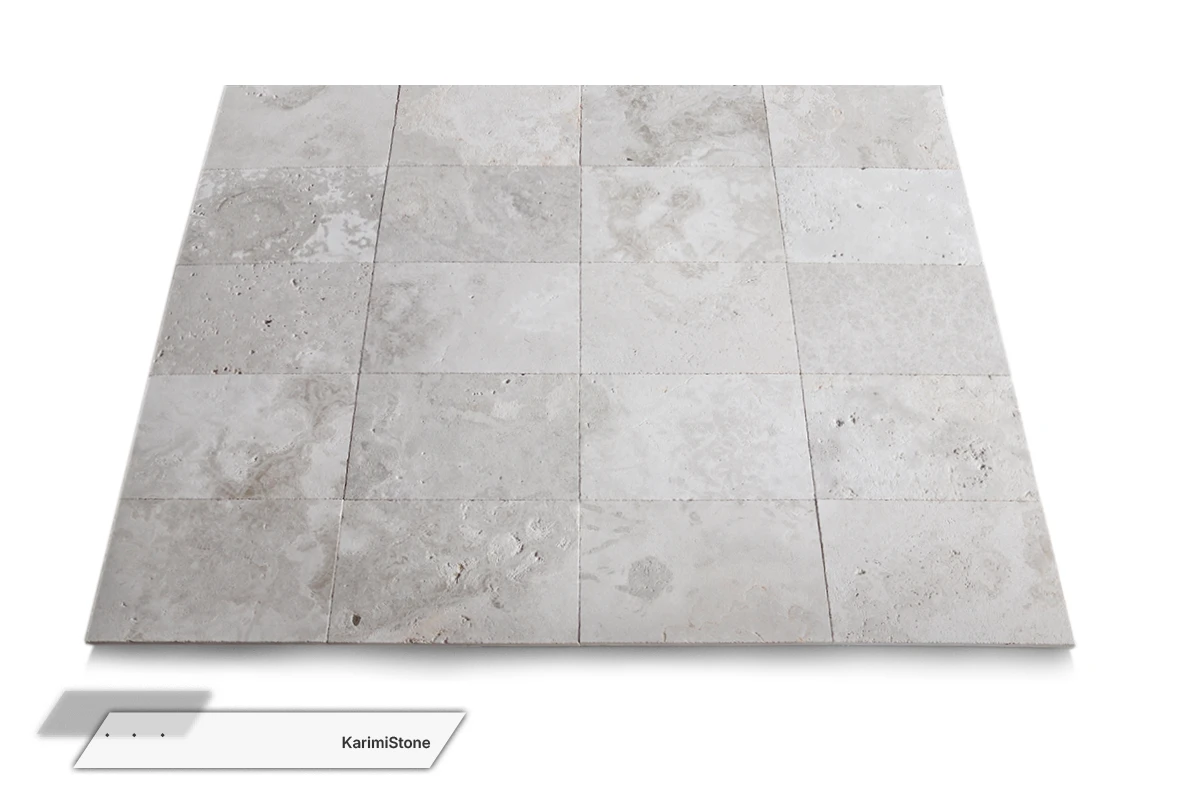
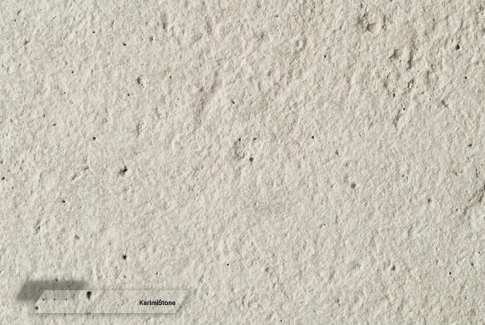
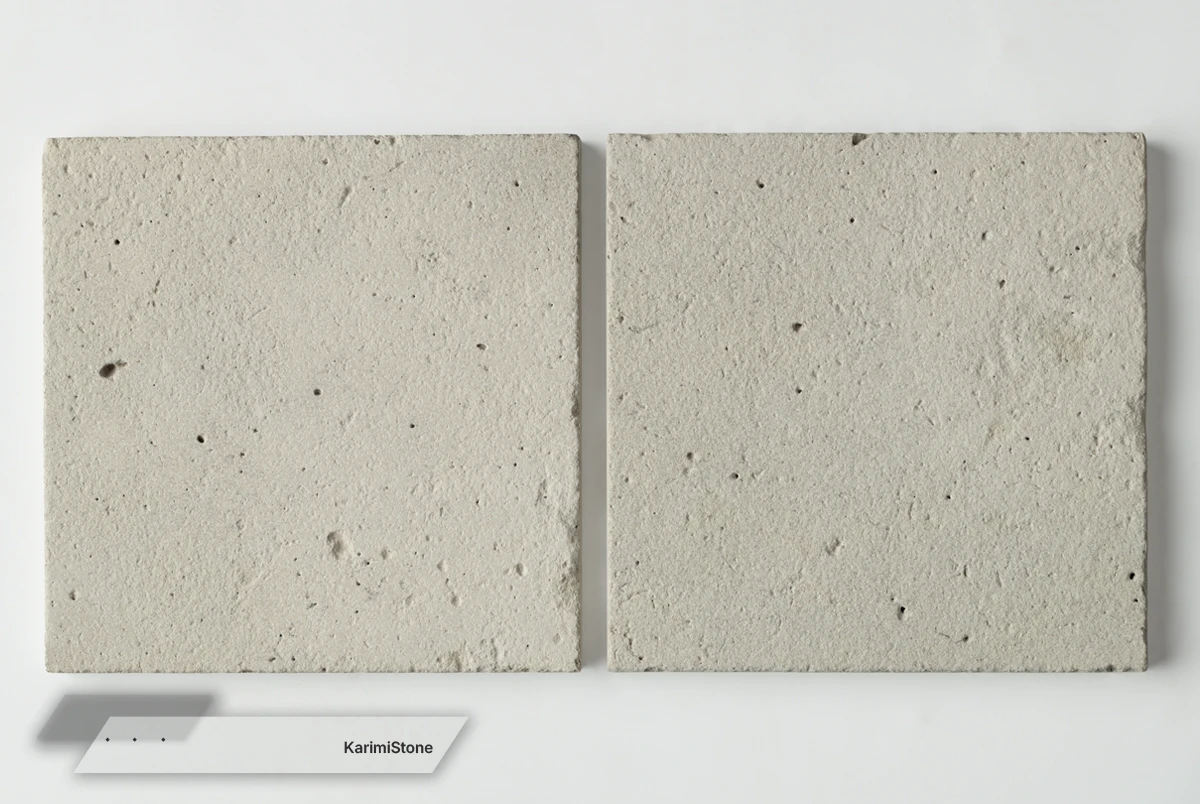
Vanak Limestone Sandblasted is a natural Iranian limestone processed with controlled abrasive blasting to create a uniform, textured and matte surface. This finish reduces direct light reflection while preserving the light cream-to-beige color and natural character of Vanak Limestone.
The sandblasted texture provides more surface grip than polished stone and makes minor dust and surface marks less visible. For these reasons, the product is frequently specified for façades, landscaping, pedestrian areas, courtyards and selected exterior flooring projects.
About Iranian Vanak Limestone
Vanak Limestone is extracted from the Vanak region in Isfahan Province, Iran. It is recognized for its relatively uniform cream background, workable limestone composition and suitability for different mechanical surface treatments.
Natural variations in color, fossils and mineral markings may occur between blocks and production lots. These geological differences should be assessed through representative physical samples before confirming a large architectural order.
How Is Vanak Limestone Sandblasted Produced?
To produce Vanak Limestone Sandblasted, the sawn stone is first calibrated and prepared to achieve a reasonably flat surface. Fine abrasive particles are then projected against the face of the stone under controlled pressure.
The abrasive impact removes a very small amount of material and forms a fine-grained texture. Pressure, abrasive size, processing time and distance from the stone must be controlled to obtain a consistent finish without unnecessarily weakening the surface.
- Block selection: checking color range, structure and visible defects.
- Primary cutting: producing slabs, tiles or project-sized pieces.
- Calibration: controlling thickness and surface evenness.
- Sandblasting: applying abrasive particles under adjusted pressure.
- Cleaning: removing loose particles and processing dust.
- Visual sorting: organizing the pieces according to color and texture.
- Quality control: checking dimensions, thickness, edges and visible cracks.
Characteristics of the Sandblasted Finish
- Matte appearance: reduces glare and mirror-like reflection.
- Fine surface texture: produces a more tactile face than polishing or honing.
- Improved grip: generally provides more traction than a smooth polished finish.
- Light cream color: preserves the natural tone of Vanak Limestone.
- Lower visibility of minor marks: dust and small surface scratches are less noticeable.
- Machine-controlled production: allows a repeatable texture range for project orders.
Other products with this finish are available in the sandblasted natural stone collection.
Applications of Vanak Limestone Sandblasted
Vanak Limestone Sandblasted can be considered for residential, commercial and urban projects, including:
- Exterior building façades
- Interior feature walls
- Courtyards and covered terraces
- Garden paths and landscape paving
- Pedestrian walkways
- Commercial outdoor areas
- Steps, risers and entrance zones
- Façade panels and architectural details
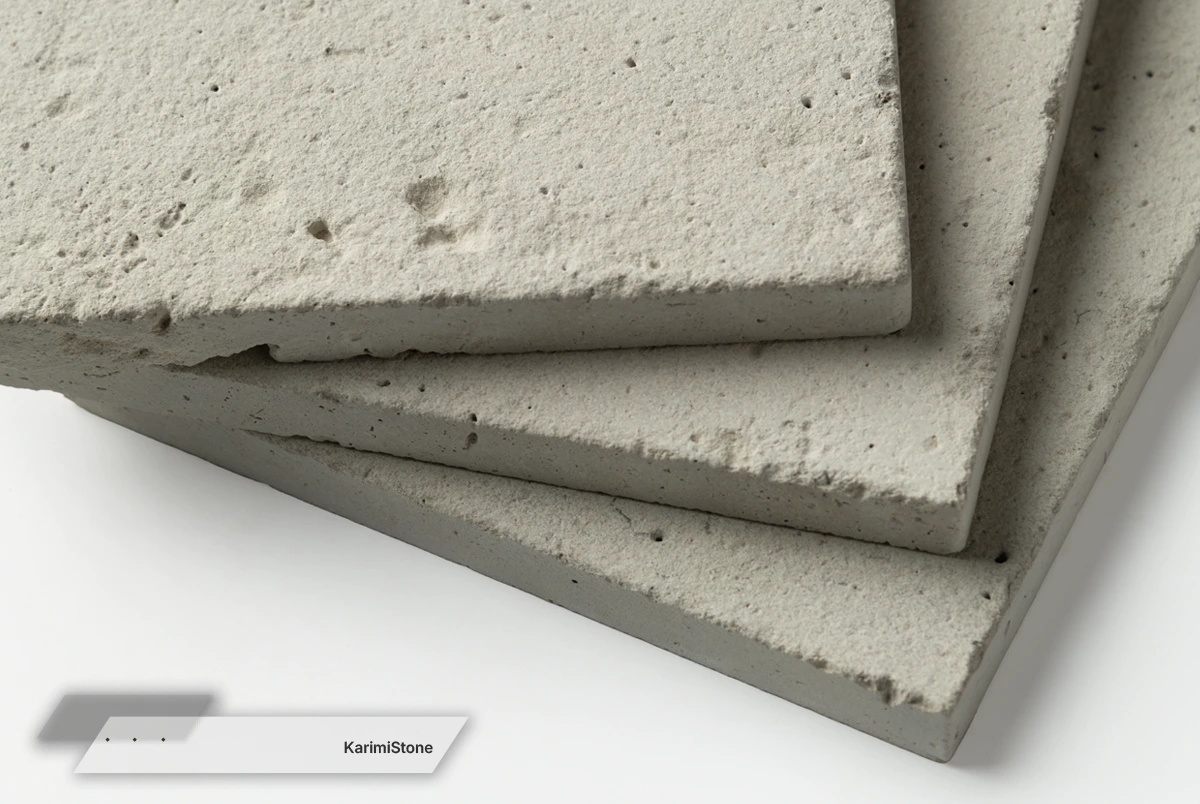
The material can be supplied as slabs, tiles, façade panels, paving pieces, steps and risers and custom-cut elements.
Slip Resistance and Wet Areas
The textured surface of Vanak Limestone Sandblasted usually provides more grip than polished stone. However, the finish should not be described as completely slip-proof. Actual safety depends on surface roughness, slope, drainage, contamination, footwear and project-specific slip testing.
For wet or public areas, the architect should specify the required slip-resistance standard and request test data from the relevant production lot.
Exterior Use and Cold Climates
Sandblasting changes the stone’s surface but does not make limestone waterproof or automatically frost-resistant. Exterior suitability depends on water absorption, freeze–thaw test results, panel dimensions, thickness, installation method, drainage and local climate.
In cold or wet regions, batch-specific laboratory results should be reviewed before approval. A compatible breathable sealer may reduce water and stain absorption, but it cannot replace correct detailing and drainage.
Installation Recommendations
- Approve physical samples representing the permitted color and texture range.
- Use adhesives, anchors and grout suitable for natural limestone.
- Provide adequate drainage and movement joints in exterior flooring.
- Follow engineering calculations for large façade panels.
- Avoid trapping moisture behind exterior stone installations.
- Test any sealer on a sample before general application.
Cleaning and Maintenance
- Remove dust with a soft brush or low-suction vacuum.
- Use a neutral-pH cleaner formulated for natural stone.
- Avoid vinegar, acidic cleaners and aggressive chemicals.
- Do not use uncontrolled high-pressure washing.
- Clean spills before they penetrate the textured surface.
Additional care instructions are available from the Natural Stone Institute.
Production and Export by Karimi Stone
Negin Sang Karimi (Karimi Stone) produces and exports Vanak Limestone Sandblasted for domestic and international construction projects. Production covers block selection, cutting, calibration, sandblasting, sorting, inspection and export packaging.
Before packing, the quality-control team checks dimensions, thickness, surface consistency, edge condition, visible cracks and the approved color range. Export orders are secured in reinforced wooden crates with suitable separators and protective materials.
Alternative finishes include polished, honed, brushed, bush-hammered, split-face and cut-broken. For samples, technical documents or a quotation for Vanak Limestone Sandblasted, visit the Karimi Stone contact page.
Frequently Asked Questions
Is sandblasted Vanak Limestone completely non-slip?
No. It generally has more grip than polished limestone, but safety must be evaluated according to the installation conditions and required testing standard.
Can it be used for exterior façades?
Yes, subject to correct stone thickness, fixing design, joint details, local climate and batch-specific technical assessment.
Does the sandblasted surface require sealing?
A compatible sealer may be recommended in areas exposed to moisture or stains. It should always be tested because it can change the stone’s appearance.
Can custom sizes be produced?
Yes. Tiles, panels, steps, paving units and cut-to-size pieces can be manufactured according to approved drawings and tolerances.