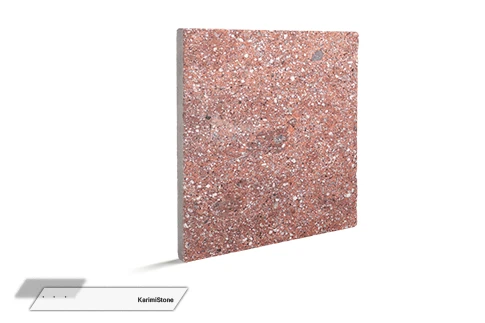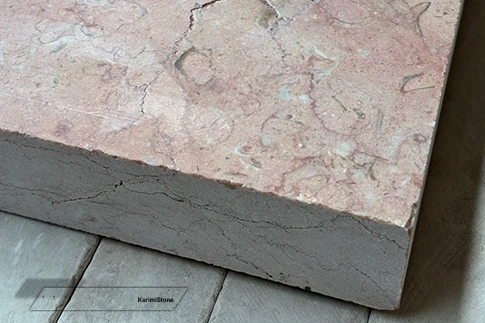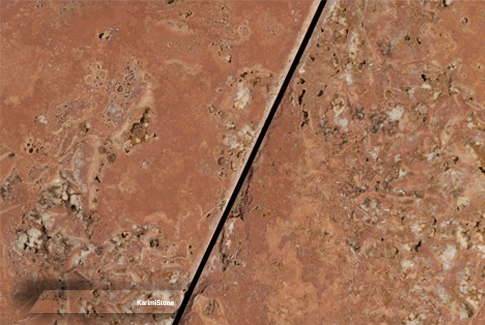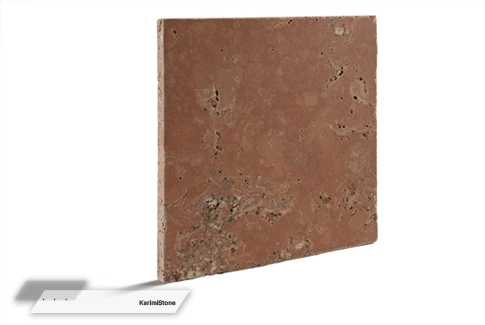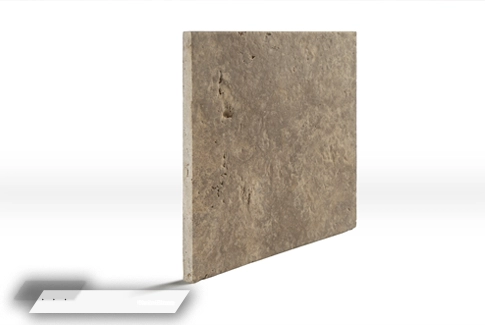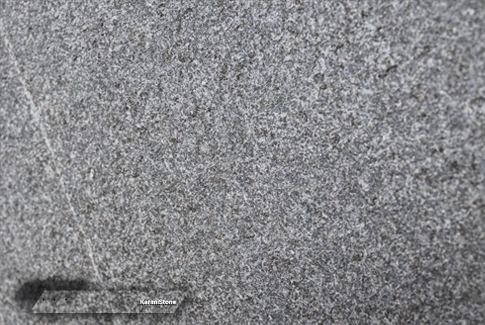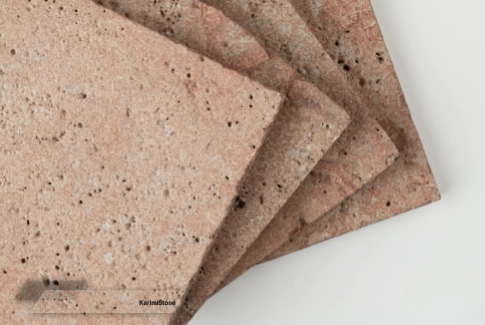
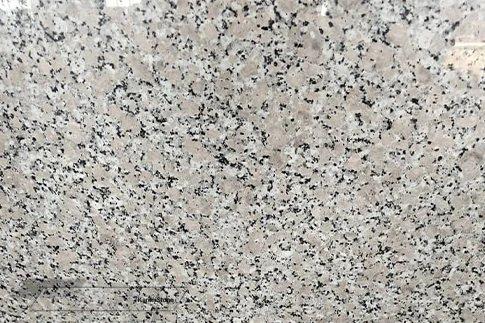
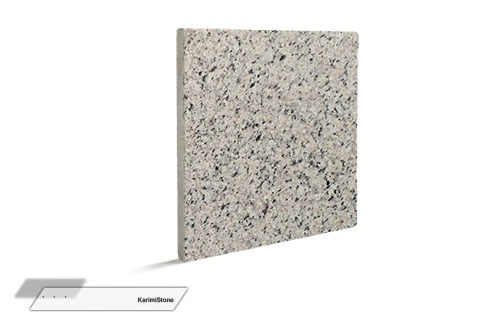


Peach Granite Polished: Properties, Uses and Global Supply Peach Granite Polished is a warm-coloured Iranian natural stone known…
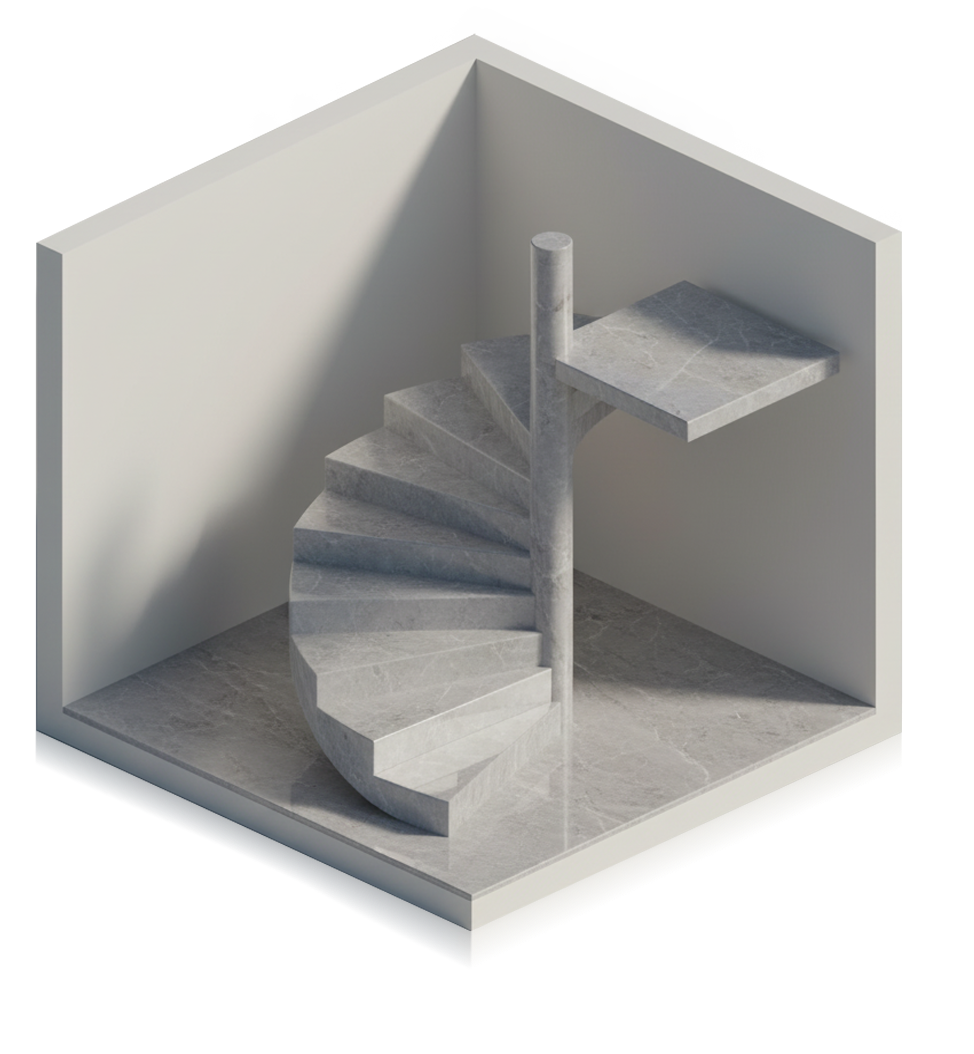
Natural stone for staircases must be selected according to location, traffic, structural support and exposure to moisture. Main entrances and public stairs require durable stone with controlled dimensions, strong edges and suitable abrasion resistance. Secondary stairs may use more economical materials, provided that they still meet the project’s technical and safety requirements.
For wet, exterior or frequently cleaned staircases, polished treads may become slippery. Sandblasting, honing, grooving or installing separate anti-slip strips can improve grip. The selected solution should extend across the walking line and comply with the required slip-resistance criteria.
Step edges may be finished with a bullnose, eased edge, chamfer or another profile. The profile must provide safety without reducing the strength of the stone edge.
Explore natural stone products suitable for this architectural application and use the filters to refine the collection by material, finish, color, and project requirements.
Browse natural stone products suitable for the selected application and compare available materials, finishes, colors, and fabrication options.
Choosing natural stone for staircases requires a balance between safety, abrasion resistance, mechanical performance, dimensional accuracy, surface finish, edge design, maintenance, and architectural appearance. Stone stairs are exposed to concentrated foot traffic at tread edges and nosings, making correct material selection and fabrication especially important.
The appropriate stone depends on whether the staircase is interior or exterior, residential or commercial, fully supported or structurally spanning, and how much pedestrian traffic it will receive.
Stair dimensions and safety requirements should always follow the applicable architectural drawings, local building regulations, accessibility requirements, and project specifications.
The best natural stone for stairs depends on traffic, indoor or outdoor exposure, desired finish, support system, architectural design, and the technical properties of the exact stone.
Granite stairs are commonly used in public buildings, commercial environments, entrances, exterior stairways, offices, residential projects, and high-traffic applications.
Many granite varieties provide good abrasion resistance, relatively low water absorption, and strong mechanical performance. Textured finishes can also be considered for exterior or frequently wet stairways.
However, granite characteristics vary between sources, so the actual stone, thickness, finish, support, and project loading should still be evaluated.
Marble staircases are widely used in luxury villas, hotels, premium residential projects, lobbies, boutiques, and refined interior architecture.
Natural veining can create a strong visual feature across treads, risers, landings, and side panels. Slab sequence and vein direction can be controlled to create a more continuous appearance.
Many marbles are calcitic and may be sensitive to acidic cleaning products. Abrasion behavior and surface finish should also be matched to the expected traffic level.
Limestone stairs create a warm, calm architectural character and can work well in villas, residential interiors, hotels, and selected commercial spaces.
The exact limestone should be evaluated for abrasion resistance, porosity, thickness, edge strength, finish, and expected pedestrian traffic.
Travertine stairs are commonly used in villas, residential interiors, classical architecture, hospitality spaces, and design-focused projects.
Travertine can be supplied with open or filled pores and with finishes such as Honed, Brushed, Tumbled, Sandblasted, and others.
For stair applications, pore condition, filling material, nosing details, thickness, finish, traffic, and cleaning requirements should be considered together.
Explore available natural stone slabs and natural stone tiles for staircase production.
A complete natural stone staircase can include several fabricated components that must work together dimensionally and visually.
These elements should be coordinated from the same stone selection or approved matching batches where visual continuity is required.
Stone stair treads carry repeated foot traffic and require particular attention to thickness, finish, nosing, support, and dimensional accuracy.
Important considerations include:
Large unsupported or partially supported treads require different structural evaluation from stone installed over a continuous concrete stair substrate.
Risers can be produced from the same stone as the tread or from a contrasting material to create a different visual effect.
Design options include:
Riser thickness and fabrication should be coordinated with tread projection, substrate, adhesive system, and the final staircase dimensions.
Landings typically use larger-format stone pieces or coordinated tiles and should visually connect adjacent stair flights.
Consider:
Where large slabs are used, substrate flatness, handling, support, and joint planning become particularly important.
Nosing design influences appearance, durability, visibility, and comfort.
Nosing geometry should retain sufficient stone thickness and should not create fragile thin edges.
Grooves or textured strips can be fabricated near the front of stair treads where required by the project.
Possible details include:
Anti-slip grooves should not be treated as a universal guarantee of slip resistance. Groove geometry, stone finish, water, contaminants, wear, footwear, maintenance, and applicable safety requirements all affect stair performance.
Finish selection affects appearance, cleaning, wear visibility, tactile feel, and walking safety.
No finish should automatically be classified as completely slip-resistant. The actual finished stone should be evaluated according to project conditions.
Explore available natural stone surface finishes.
Interior stone stairs can be used in villas, apartments, hotels, offices, shopping environments, reception areas, and public interiors.
Indoor design considerations include:
Polished or Honed stone can create a refined interior appearance, but safety should be evaluated according to moisture conditions and the actual staircase use.
Exterior stone stairs require additional consideration because they are exposed to rain, sunlight, dirt, temperature variation, and in some climates freeze-thaw cycles.
Important factors include:
Low water absorption alone does not guarantee freeze-thaw performance.
Lighting plays an important role in stair safety and architectural appearance.
Design may consider:
Strong reflections, deep shadows, or insufficient contrast can make changes in level harder to recognize even when stair dimensions are correct.
Consistency between consecutive steps is essential for comfortable and predictable stair use.
Fabrication and installation should coordinate:
Required tread and riser geometry should be taken from the approved architectural drawings and applicable building regulations rather than using one universal dimension for every project.
The required stone thickness depends on stone type, dimensions, support arrangement, tread geometry, edge processing, loading, and installation method.
Common support conditions include:
Self-supporting, cantilevered, or structurally spanning stone stairs require project-specific engineering. Density or compressive strength alone is not sufficient to determine structural suitability.
Natural stone stair components can be manufactured according to approved architectural and fabrication drawings.
Dimensional schedules can help maintain consistent fabrication across large residential, hotel, commercial, or multi-floor projects.
CNC processing can be used for accurate repeated stair elements and custom architectural details.
Machining depth, natural fissures, remaining stone thickness, edge strength, and handling should be reviewed before production.
For custom stair production, send your drawings and fabrication requirements through Karimi Stone.
Curved stairs, spiral stairs, and radius landings require more complex geometry than standard straight flights.
Fabrication information may include:
Accurate CAD drawings, templates, or site-verified measurements help reduce cumulative dimensional errors.
The direction of natural veins can significantly affect the appearance of a staircase.
Design options may include:
For visually important staircases, pre-layout and slab selection can help coordinate color and pattern across multiple steps.
Explore natural stone pattern types when planning feature staircases.
Natural stone can create durable and refined stairs for villas, houses, duplexes, and apartment interiors.
Hotels and resorts use stone staircases in lobbies, reception areas, restaurants, spa environments, and premium circulation spaces.
Higher pedestrian traffic requires careful selection of abrasion resistance, finish, nosing details, and maintenance.
Public staircases require particular attention to durability, visibility, accessibility, and applicable safety requirements.
Stone can be used for garden steps, villa entrances, terraces, landscape changes in level, plazas, and exterior circulation routes.
Installation should be coordinated with the supporting structure and final architectural dimensions.
Uneven setting-bed thickness can alter finished riser heights and should therefore be carefully controlled.
Not every stone staircase requires the same sealing treatment.
The need for a sealer depends on:
A compatible sealer may reduce liquid absorption or staining in some stones, but it does not make the staircase completely waterproof or prevent acid etching on sensitive calcitic stones.
For general professional information about natural stone selection, installation, fabrication, and care, visit the Natural Stone Institute.
There is no single best stone for every staircase. Granite, marble, limestone, travertine, and other stones can be suitable depending on traffic, location, finish, thickness, support, and maintenance requirements.
Yes, many stones can be used outdoors when the exact material, finish, water absorption, freeze-thaw performance, drainage, thickness, and installation system are appropriate.
No finish is universally best. Honed, Brushed, Sandblasted, Bush-Hammered, Flamed, Polished, and other finishes have different visual and performance characteristics.
Yes. Grooves and other anti-slip details can be fabricated, but they should be used as part of the complete stair-safety design rather than treated as a guarantee of slip resistance.
Yes. Treads, risers, landings, skirting, nosings, radius pieces, and custom components can be manufactured according to approved drawings and dimensional schedules.
Potentially, but unsupported or cantilevered stone treads require project-specific structural engineering based on the exact stone, dimensions, support system, loads, and connection details.
Some stones may benefit from sealing while others may not require it. The need depends on porosity, finish, location, exposure, and maintenance.
Need natural stone for a villa staircase, hotel, office, public building, exterior stairway, curved stair, or commercial project? Send Karimi Stone your drawings, tread and riser dimensions, landing sizes, preferred stone, finish, thickness, nosing profile, quantities, and installation requirements.
Request a Quote for Natural Stone Staircases
Browse Natural Stone Slabs
Explore Surface Finishes
Peach Granite Polished: Properties, Uses and Global Supply Peach Granite Polished is a warm-coloured Iranian natural stone known…
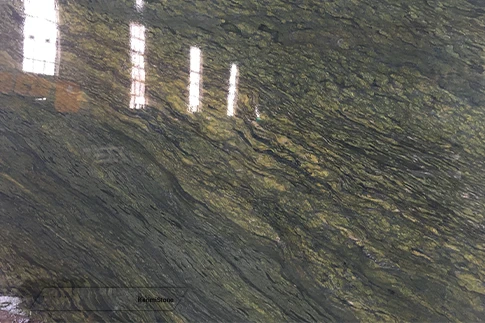
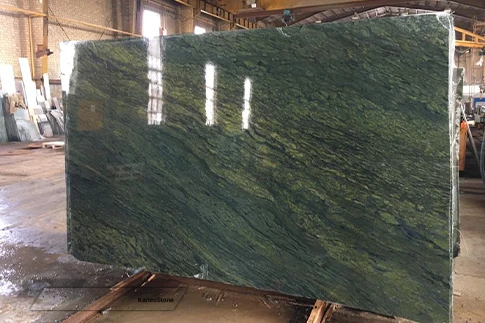
Green Granite Polished: Properties, Uses and Global Supply Green Granite Polished is an Iranian natural stone with a…
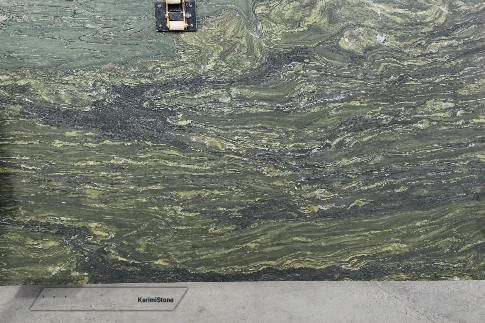
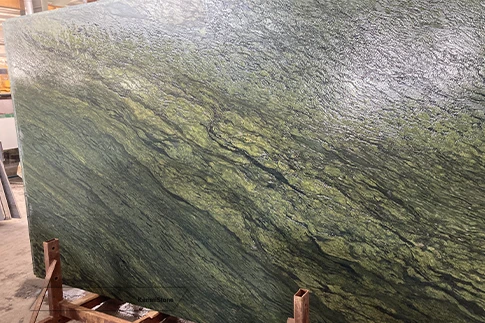
Green Granite Brushed: Properties, Applications and Global Supply Green Granite Brushed is a durable Iranian natural stone that…
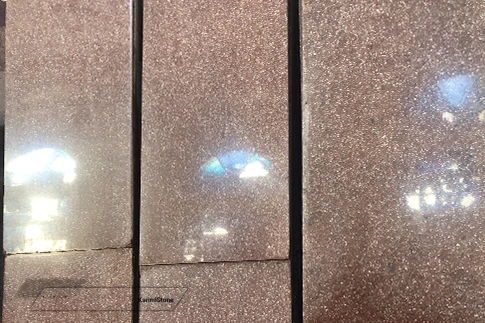
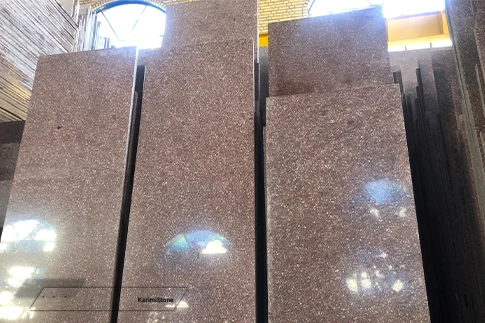
Red Granite Polished: Gloss, Colour Depth and Visual Impact Red Granite Polished is selected when a project wants…

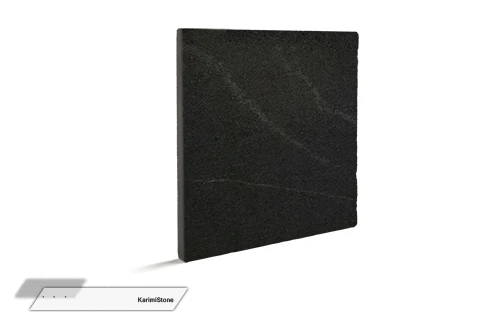
Black Granite Polished is a natural stone with a dark background, visible mineral detail and a smooth, reflective…
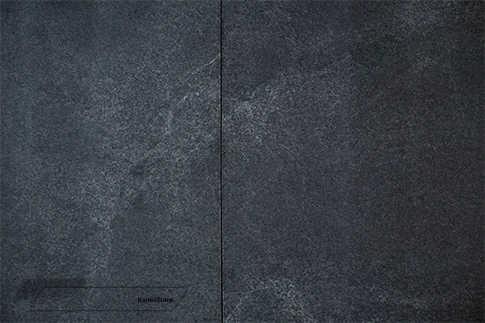
Black Granite Honed: a smooth matte finish with controlled reflection Black Granite Honed is produced by grinding the…

White Granite Polished: Features, Applications and Global Supply White Granite Polished is a bright Iranian natural stone with…
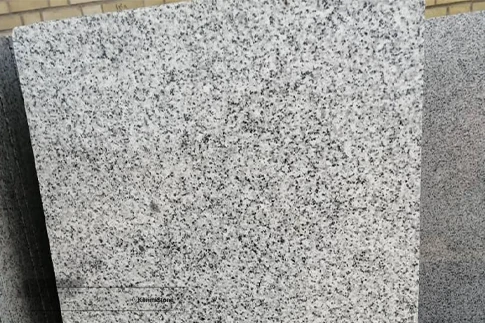
White Granite Honed: Matte Finish, Applications and Global Supply White Granite Honed is a dense Iranian natural stone…
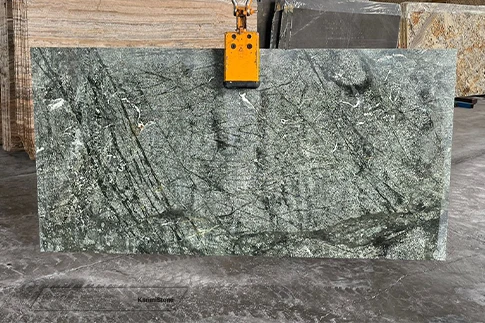
Green Granite Honed: Properties, Applications and Global Supply Green Granite Honed is an Iranian natural stone that combines…
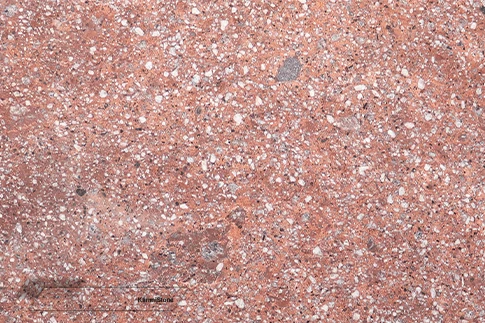
Red Granite Honed: A Matte Finish for Architectural Surfaces Red Granite Honed combines the mineral character of Iranian…
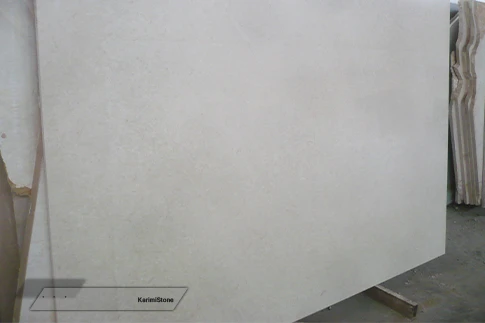
Vanak Limestone Polished Vanak Limestone Polished is an Iranian natural limestone with a light cream-to-beige background, compact structure…
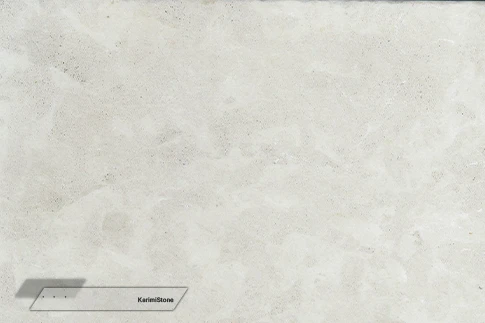
Vanak Limestone Honed Vanak Limestone Honed is an Iranian natural limestone with a light cream-to-beige background and a…
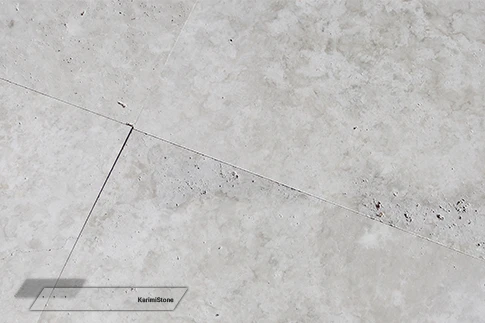
Vanak Limestone Brushed Vanak Limestone Brushed is an Iranian natural limestone with a light cream-to-beige color and a…

Gohare Limestone Honed: Technical Data, Applications and Global Supply Gohare Limestone Honed is an Iranian natural limestone with…
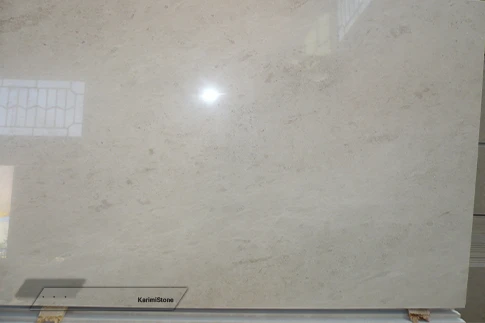
Gohare Limestone Polished: Iranian Cream Limestone Gohare Limestone Polished is a high-quality Iranian natural stone with a smooth,…
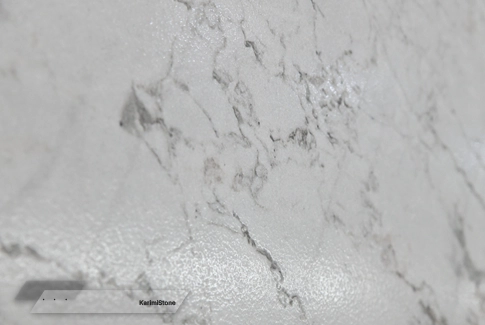
Scato Bush Hammered & Brushed is an Iranian Crystal Marble with a white to light-grey background, distinctive grey…
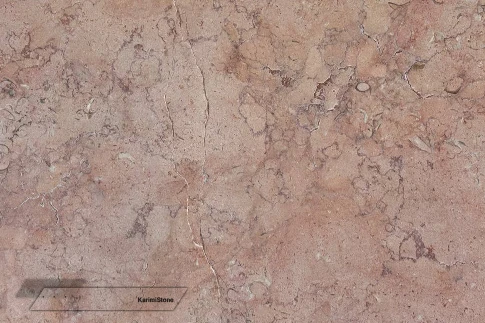
Pink Marble Honed Pink marble honed is a natural stone finish chosen for projects that need a soft…
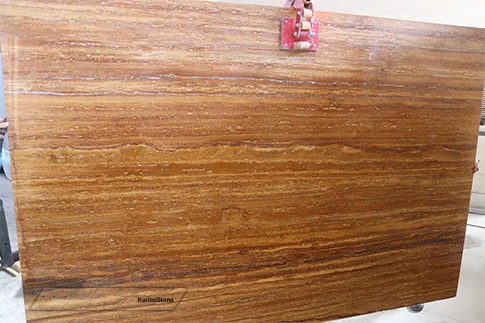
Yellow Travertine Polished Technical & Product Overview Yellow travertine polished is a popular natural stone choice for projects…
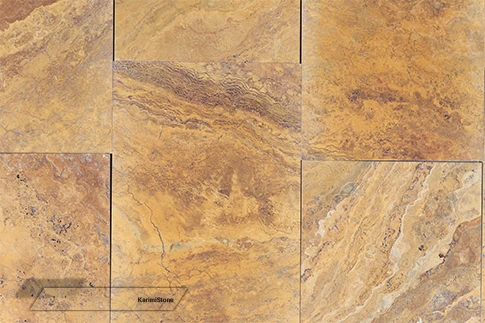
Yellow Travertine Brushed Technical & Product Overview Yellow travertine brushed is a natural stone option chosen for projects…
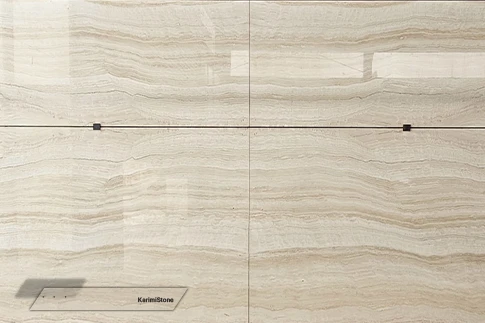
White Travertine Polished Vein-Cut Introduction to White Travertine Polished Vein-Cut White travertine is one of the most recognizable…
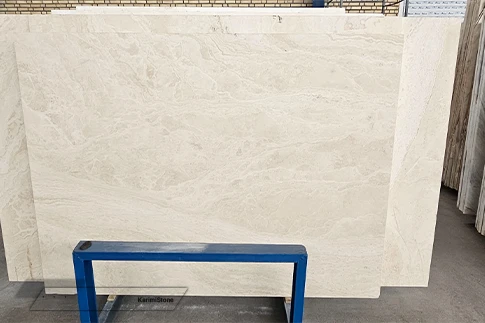
White Travertine Polished Introduction to White Travertine White travertine is one of the most popular natural stones used…
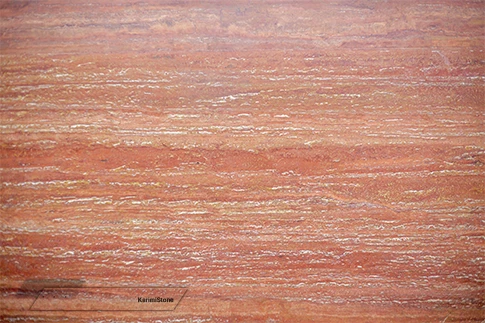
Red Travertine Vein-Cut Honed Red Travertine Vein-Cut Honed is an Iranian natural stone distinguished by its warm red…
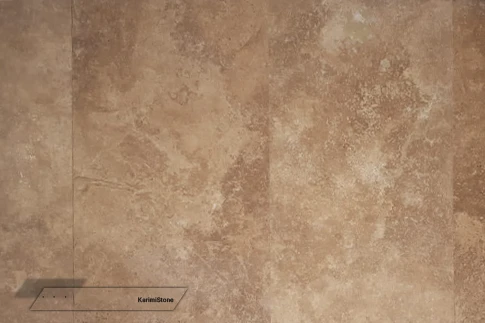
Brown Travertine Honed Cross-Cut is an Iranian natural stone characterized by warm brown, coffee, honey, beige-brown, and chocolate…
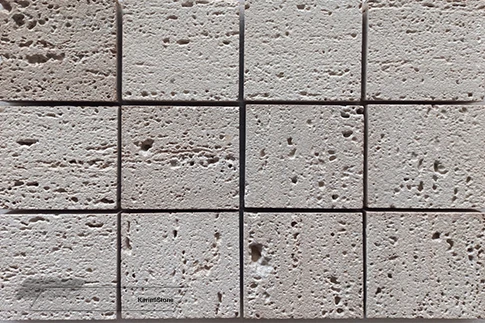
Beige Travertine Sandblasted Vein-Cut is an Iranian natural stone with warm cream-to-beige colors, natural pores, long directional mineral…
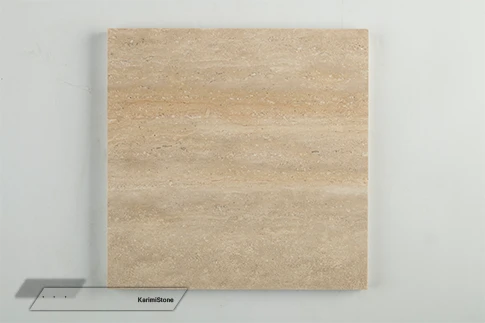
Beige Travertine Honed Vein-Cut is an Iranian natural stone with warm cream-to-beige tones, natural pores, long directional mineral…
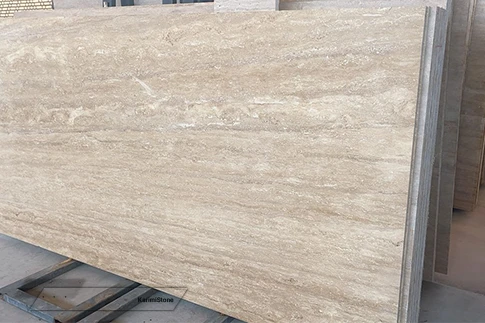
Beige Travertine Brushed is an Iranian natural stone characterized by warm cream-to-beige tones, natural pores, linear mineral layers,…
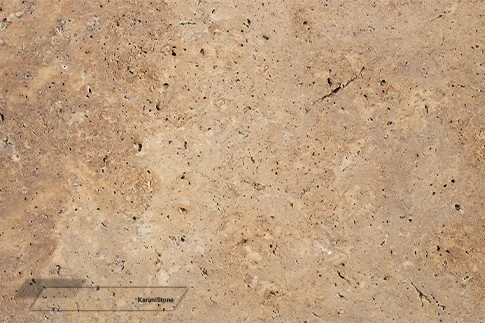
Beige Travertine Honed is an Iranian natural stone with warm cream-to-beige colors, natural pores, subtle mineral movement, and…
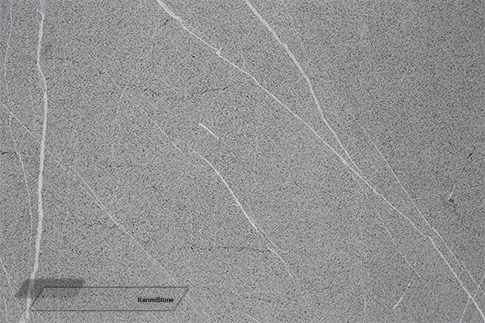
Pietra Grey Sandblasted: a finish defined by controlled surface texture Pietra Grey Sandblasted is an Iranian dark-grey marble…
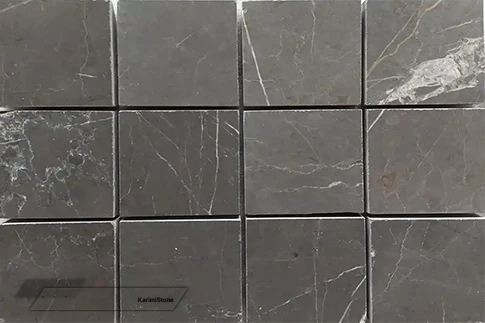
Pietra Grey Honed Marble Pietra Grey Honed is a dark grey Iranian marble with a smooth matte surface…
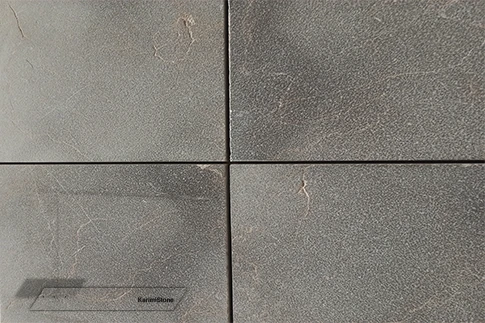
Grey Marble Sandblasted & Brushed is an Iranian natural stone with a calm grey background, dense marble structure,…
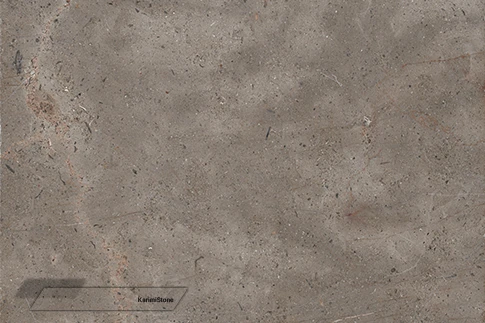
Grey Marble Honed is an Iranian natural stone with a calm grey color, dense marble structure, minimal strong…
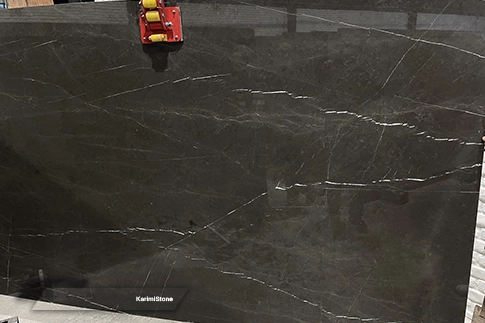
Pietra Grey Polished Marble Pietra Grey Polished is a dark grey Iranian marble with a smooth reflective surface…
Scato Polished is an Iranian Crystal Marble with a bright white to light-grey crystalline background, distinctive grey and…
Red Travertine Polished Red Travertine Polished is an Iranian natural stone with a rich red background, contrasting mineral…
Cream Travertine Polished Vein-Cut is an Iranian natural stone with a bright cream-to-ivory color palette, natural pores, long…
Beige Travertine Polished Cross-Cut is an Iranian natural stone characterized by warm cream-to-beige colors, natural pores, a smooth…
Dehbid Light Polished Dehbid Light Polished is made from carefully selected Dehbid marble blocks. The blocks are cut,…
Dehbid Botticino Polished Processing Overview Dehbid Botticino Polished is produced using selected marble blocks extracted from the Dehbid…
Azna Polished Marble – Technical Features, Performance, and Design Value Azna Polished is a premium white crystal marble…
White Marble Polished is an Iranian natural marble from the Aligudarz region of Lorestan Province, characterized by a…
Beige Travertine Polished Vein-Cut is an Iranian natural stone characterized by warm cream and beige colors, natural pores,…
Red Travertine Cross-Cut Honed Red Travertine Cross-Cut Honed is an Iranian natural stone with a warm red background,…
Brown Travertine Brushed Vein-Cut is an Iranian natural stone distinguished by warm brown and coffee tones, natural pores,…
Black Granite Flamed: A Durable and Slip-Resistant Stone for Outdoor Projects Black Granite Flamed combines the high strength…
White Granite Flamed: Outdoor Paving, Cubic Stones and Global Supply White Granite Flamed is a dense Iranian natural…
Grey Marble Sandblasted is an Iranian natural stone with a calm grey color, dense marble structure, minimal strong…
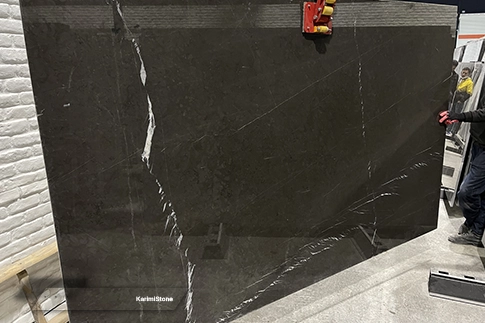
Vanak Limestone Sandblasted Vanak Limestone Sandblasted is a natural Iranian limestone processed with controlled abrasive blasting to create…
Yellow Travertine Honed Technical & Product Overview Yellow travertine honed is a natural stone solution selected for projects…
Silver Travertine Sandblasted Vein-Cut is an Iranian natural travertine distinguished by silver-grey and smoky tones, warm brown mineral…
Red Travertine Cross-Cut Sandblasted Red Travertine Cross-Cut Sandblasted is an Iranian natural stone with a warm red background,…
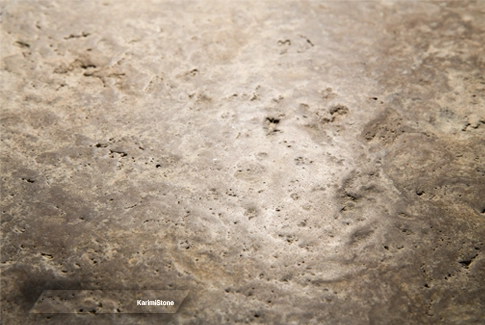
Red Travertine Cross-Cut Sandblasted and Brushed Red Travertine Cross-Cut Sandblasted and Brushed is an Iranian natural stone with…
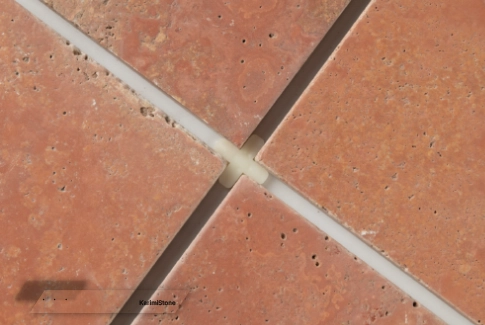
Red Travertine Brushed Red Travertine Brushed is an Iranian natural stone with a warm red background and a…