










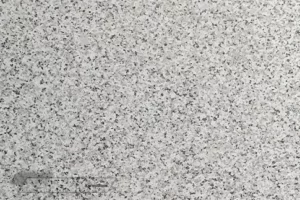
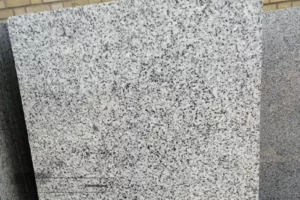
Gohare Split-face Limestone
Technical Overview & Surface Character
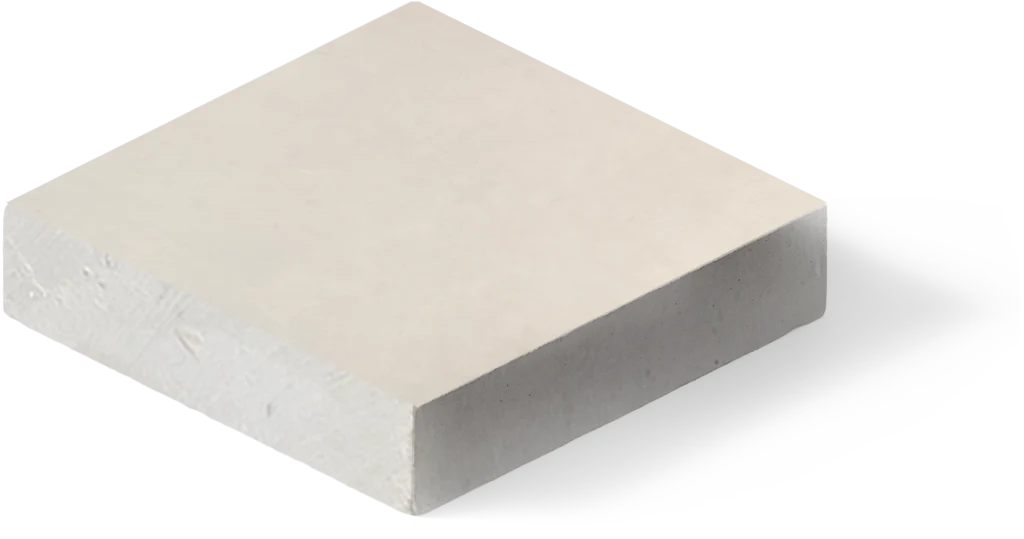
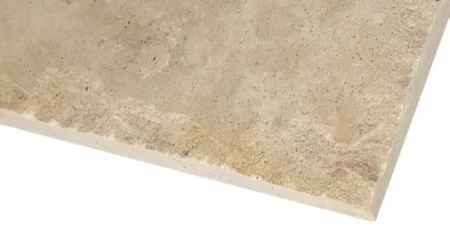
Gohare Split-face Limestone is a textured architectural finish derived from Gohare Limestone, one of Iran’s most recognized cream limestone materials. Extracted from the Gohare region in Lorestan Province, this stone is known for its neutral cream-to-beige background, fossil-based sorting system, and structural density suitable for façade and wall applications.
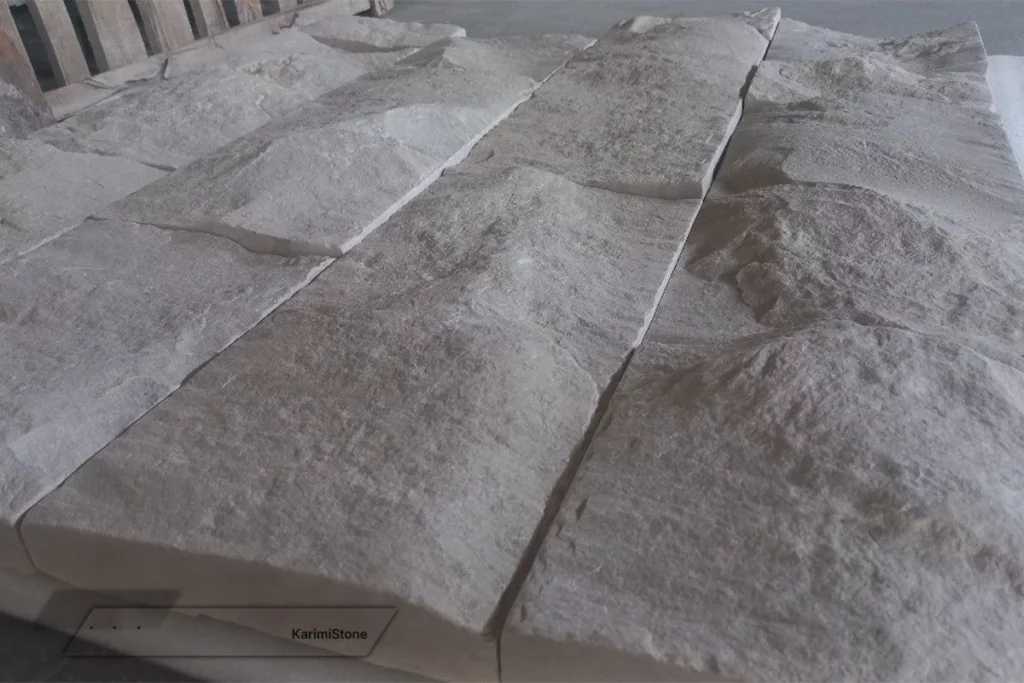
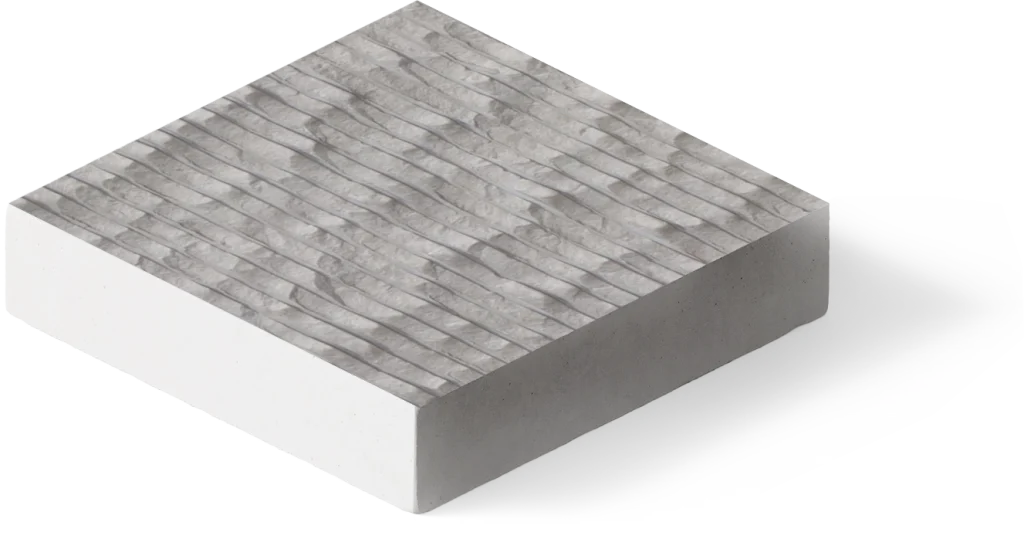
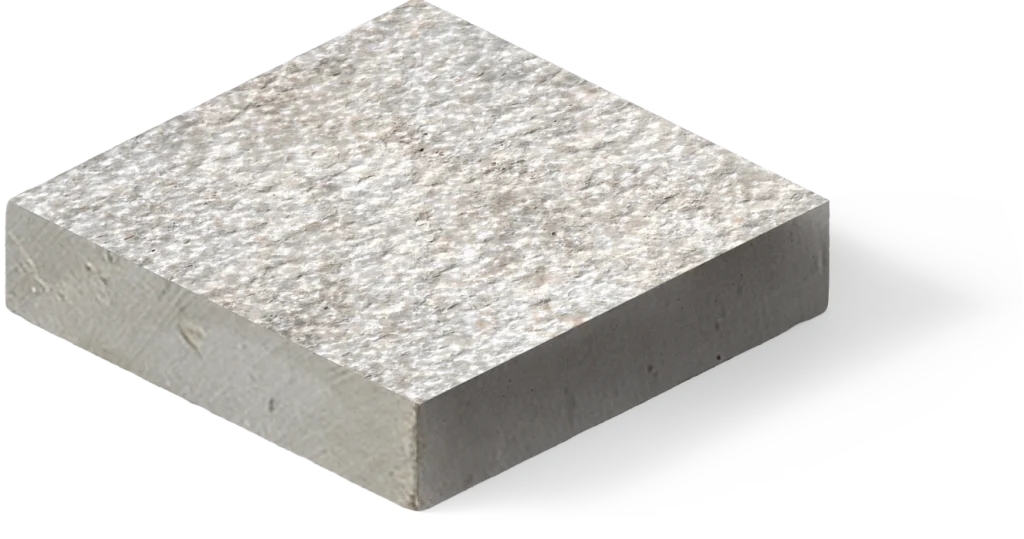
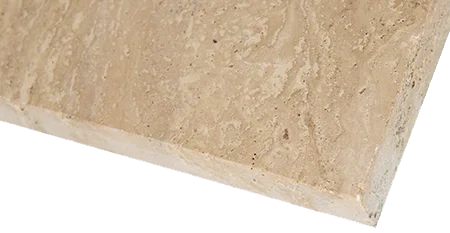
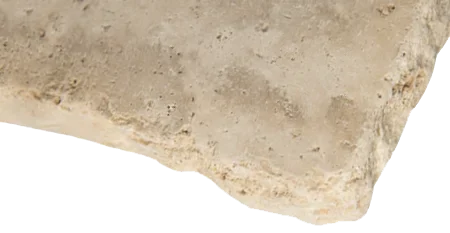
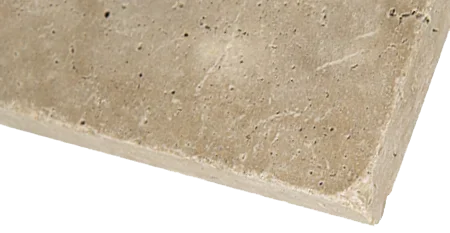
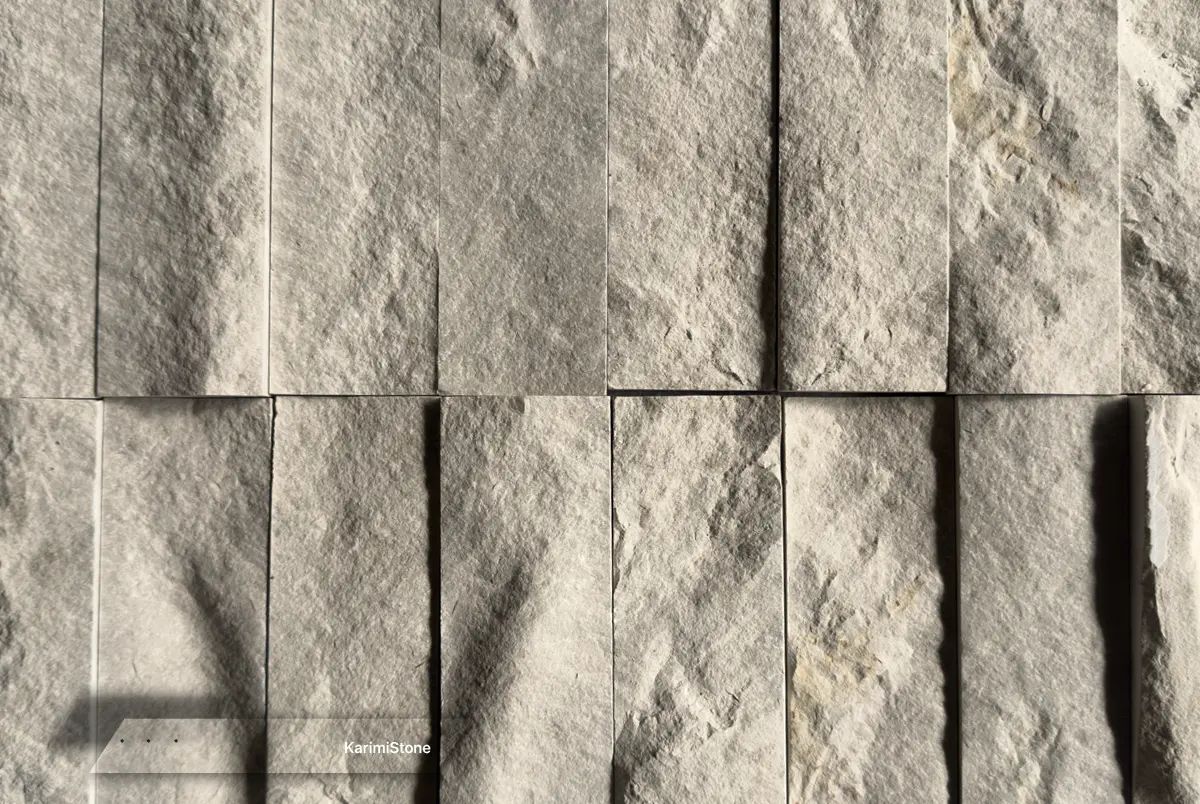
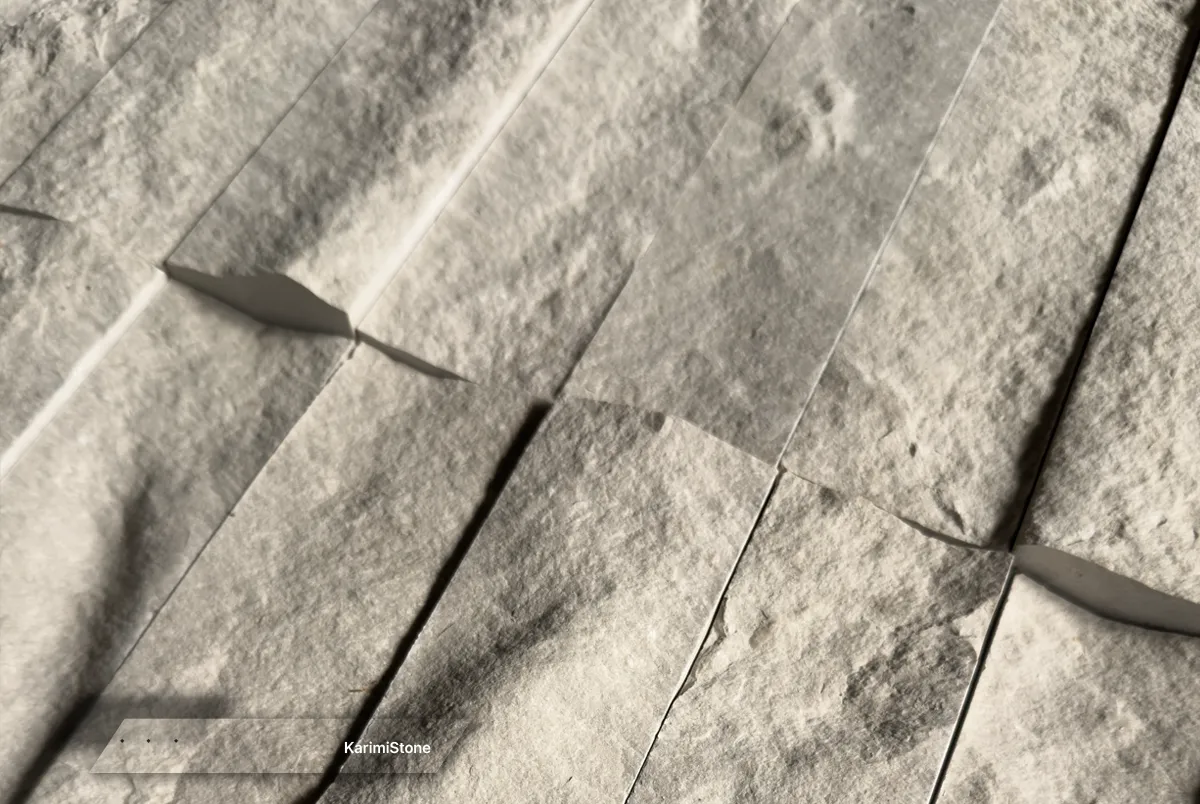
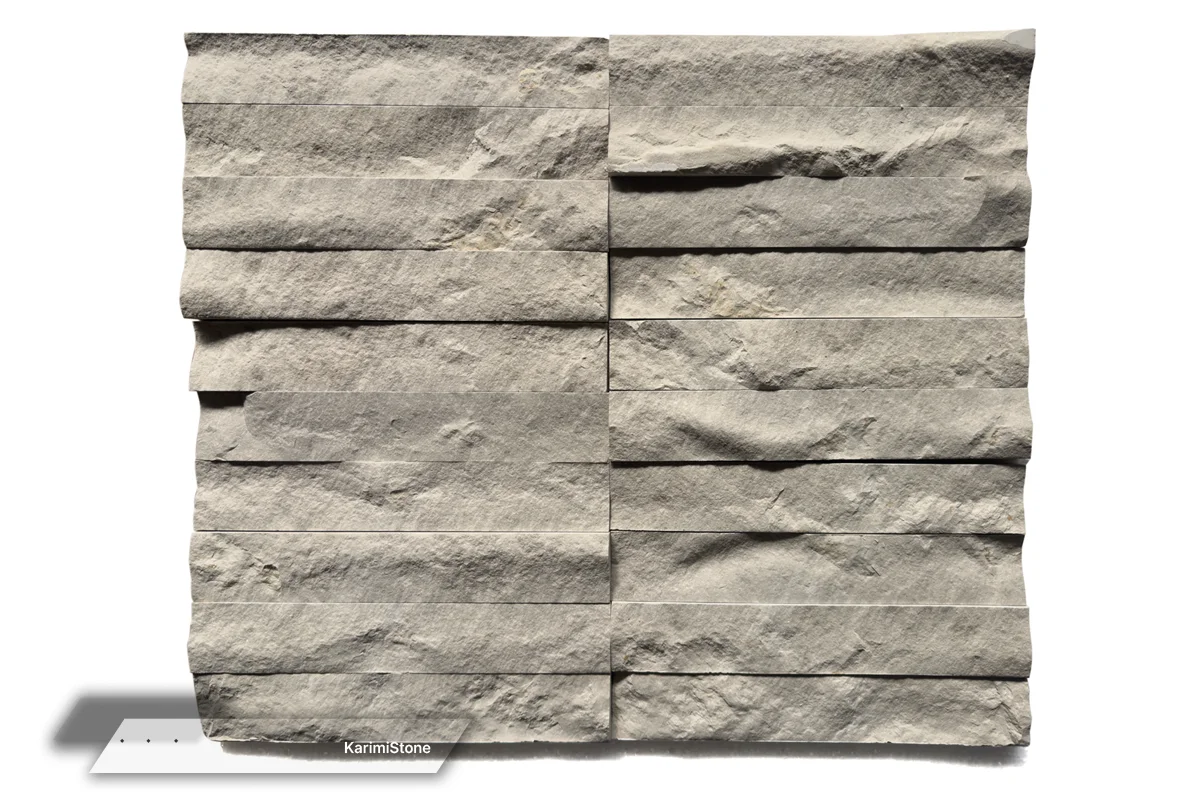
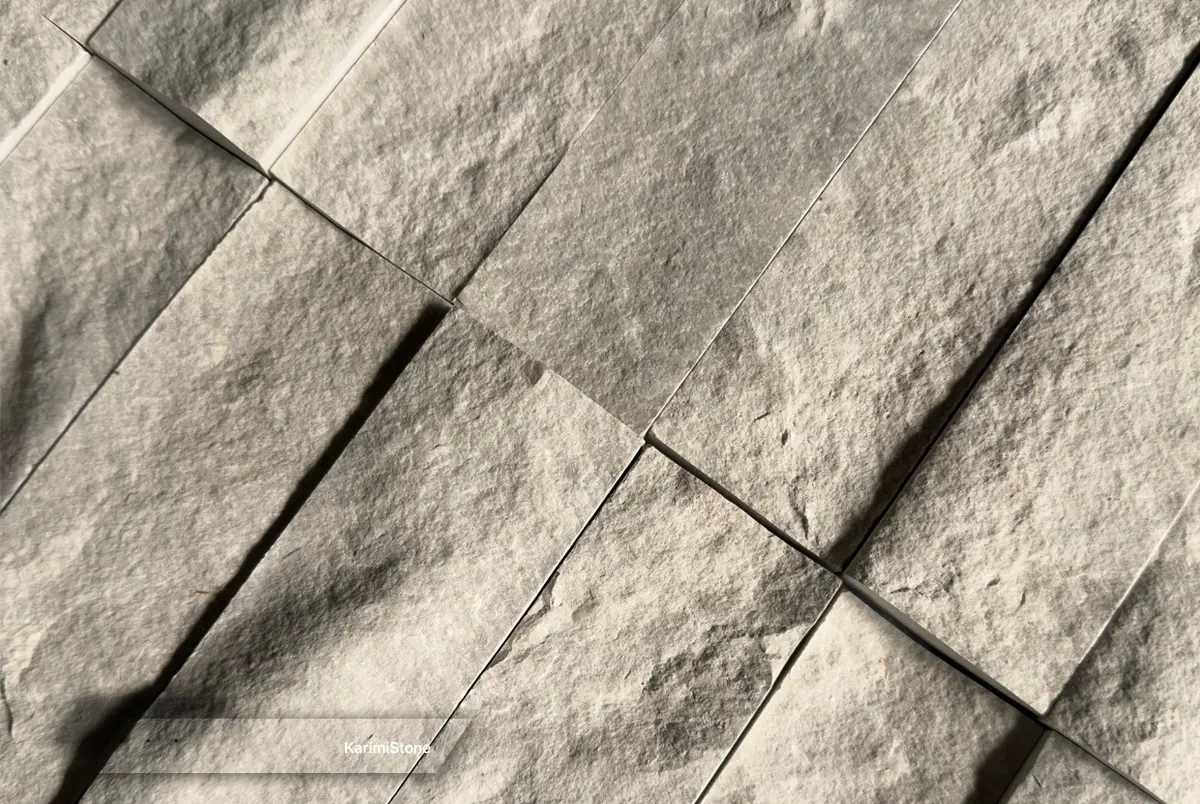
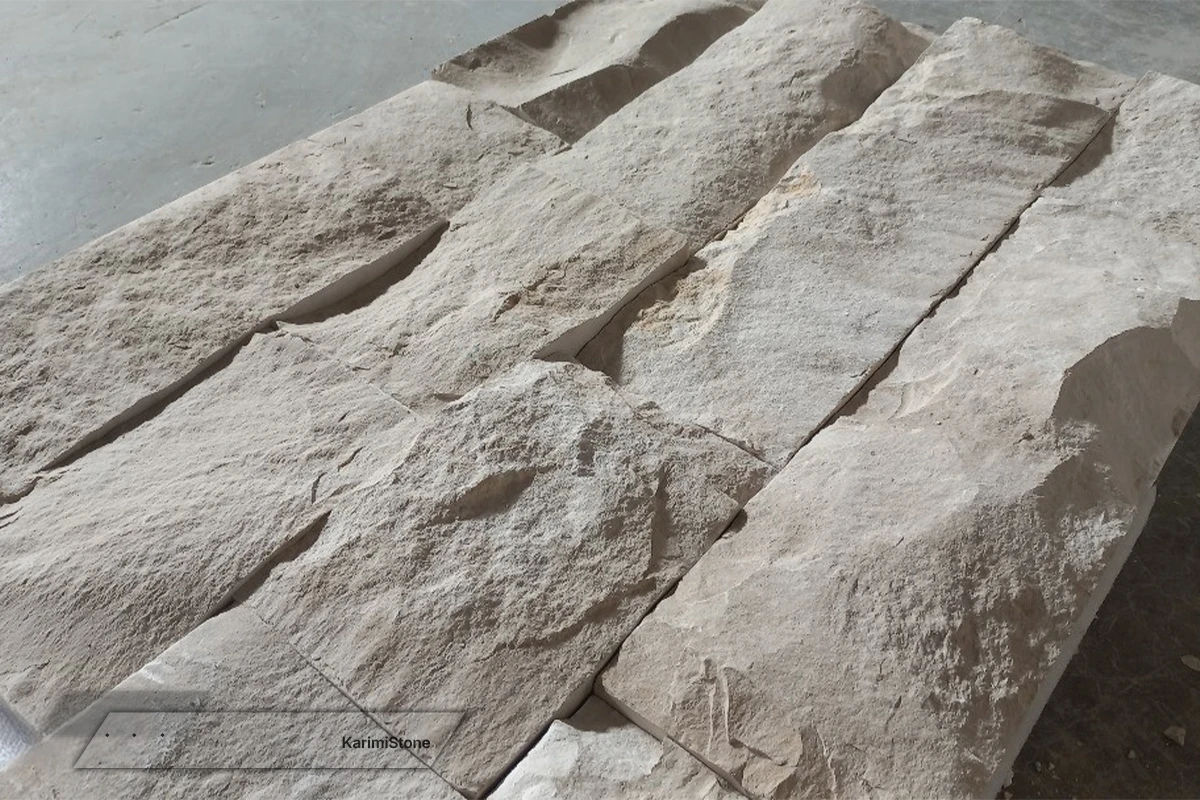
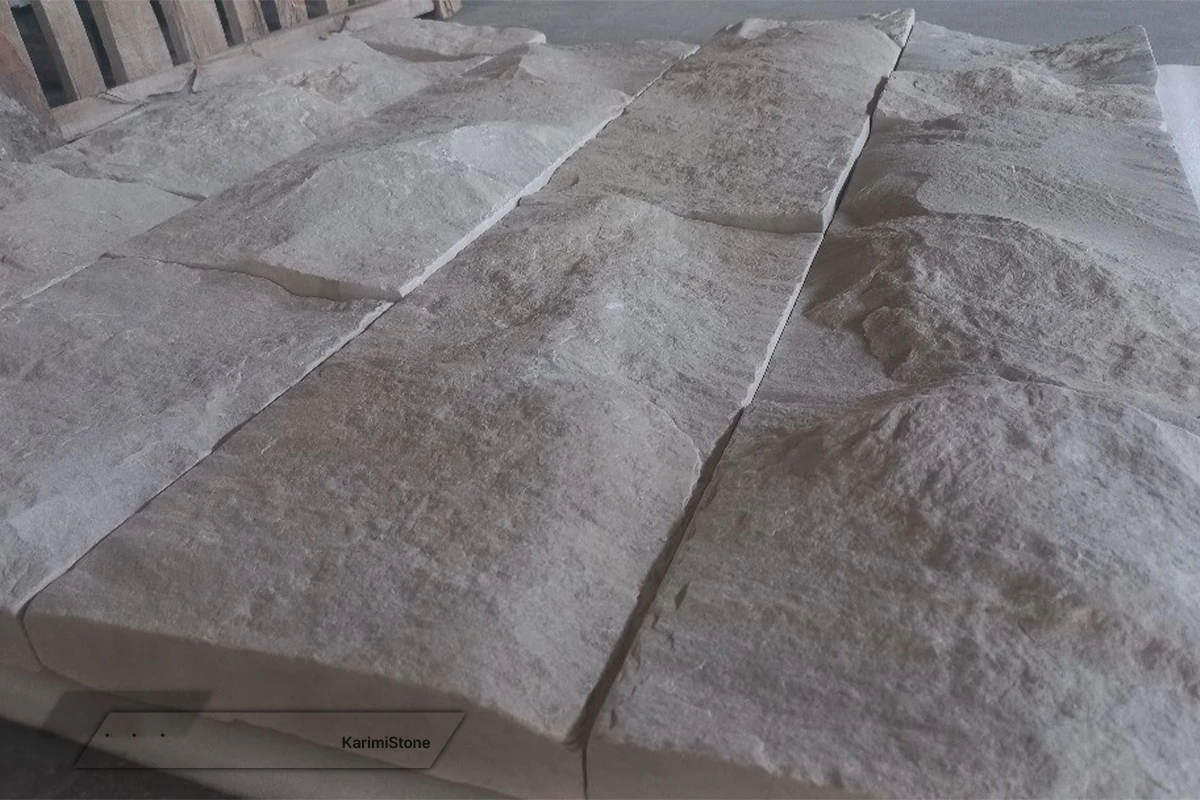
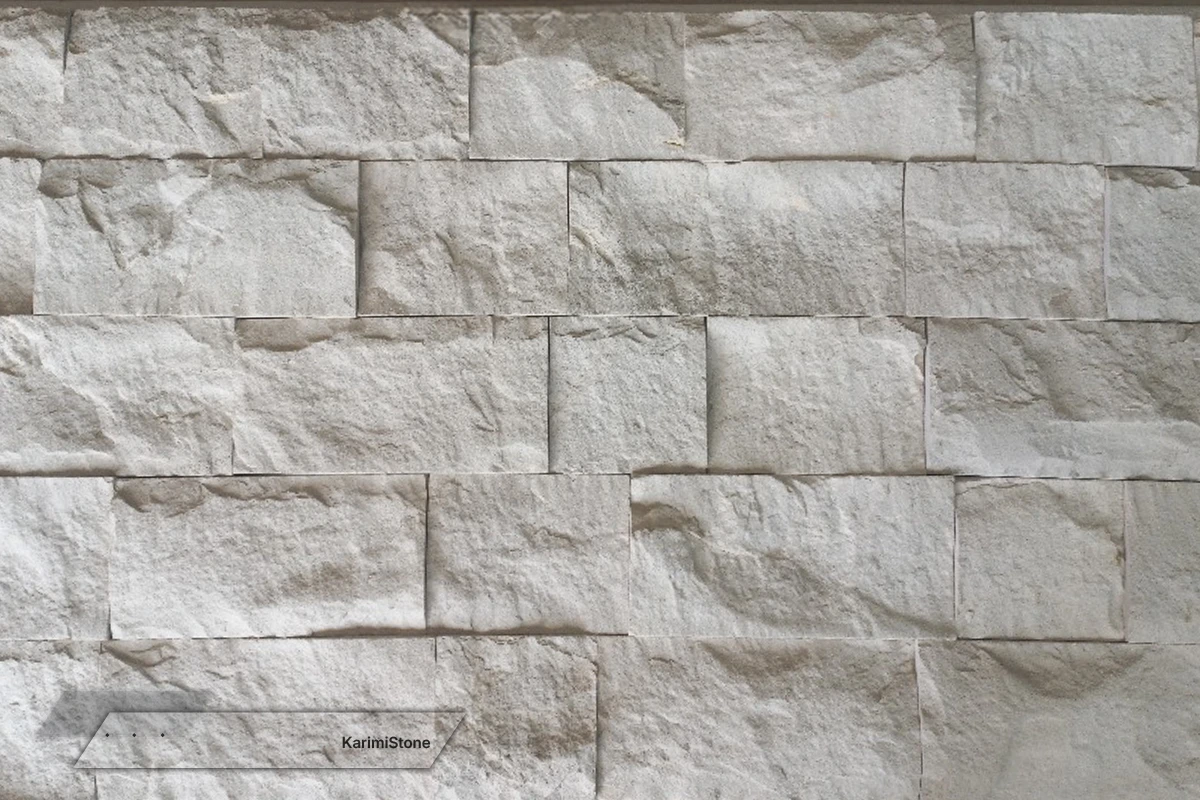
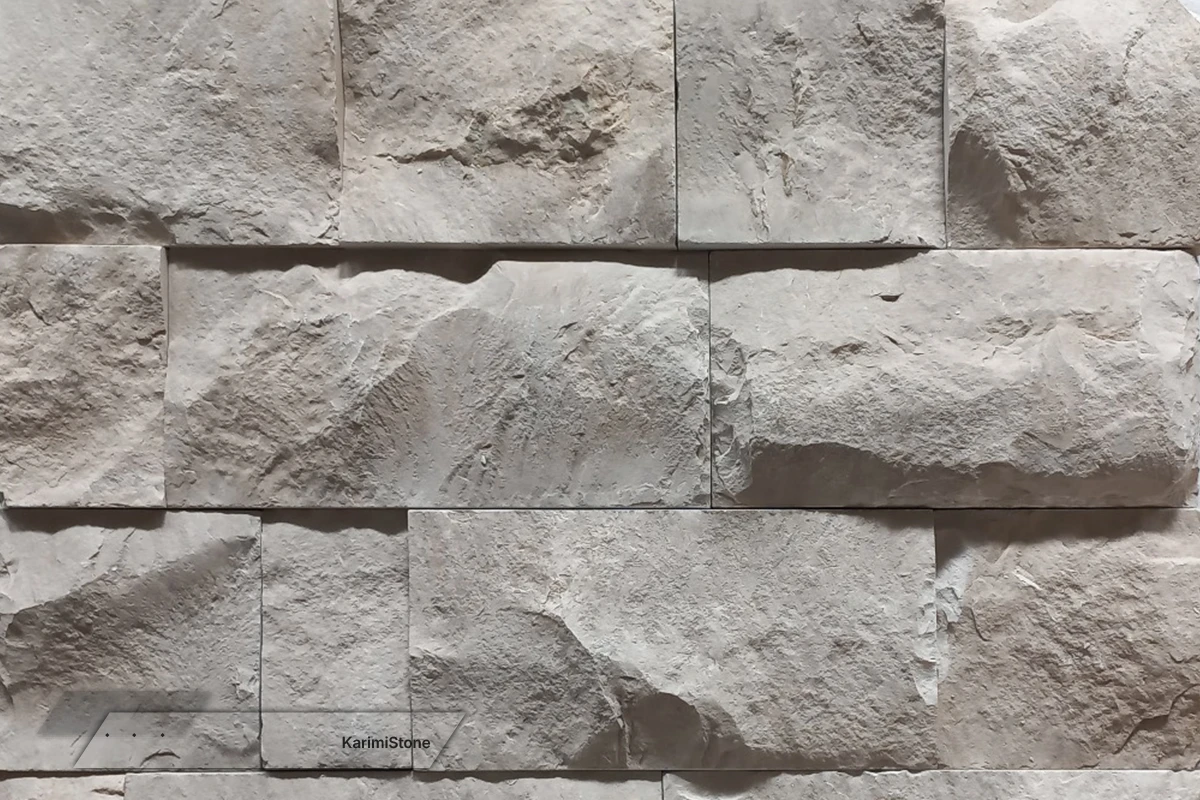
With its naturally fractured surface, Gohare Split-face Limestone offers a three-dimensional texture that enhances shadow lines and creates strong visual depth. Unlike smooth finishes, this surface emphasizes raw mineral character while maintaining the structural strength of Gohare Limestone.
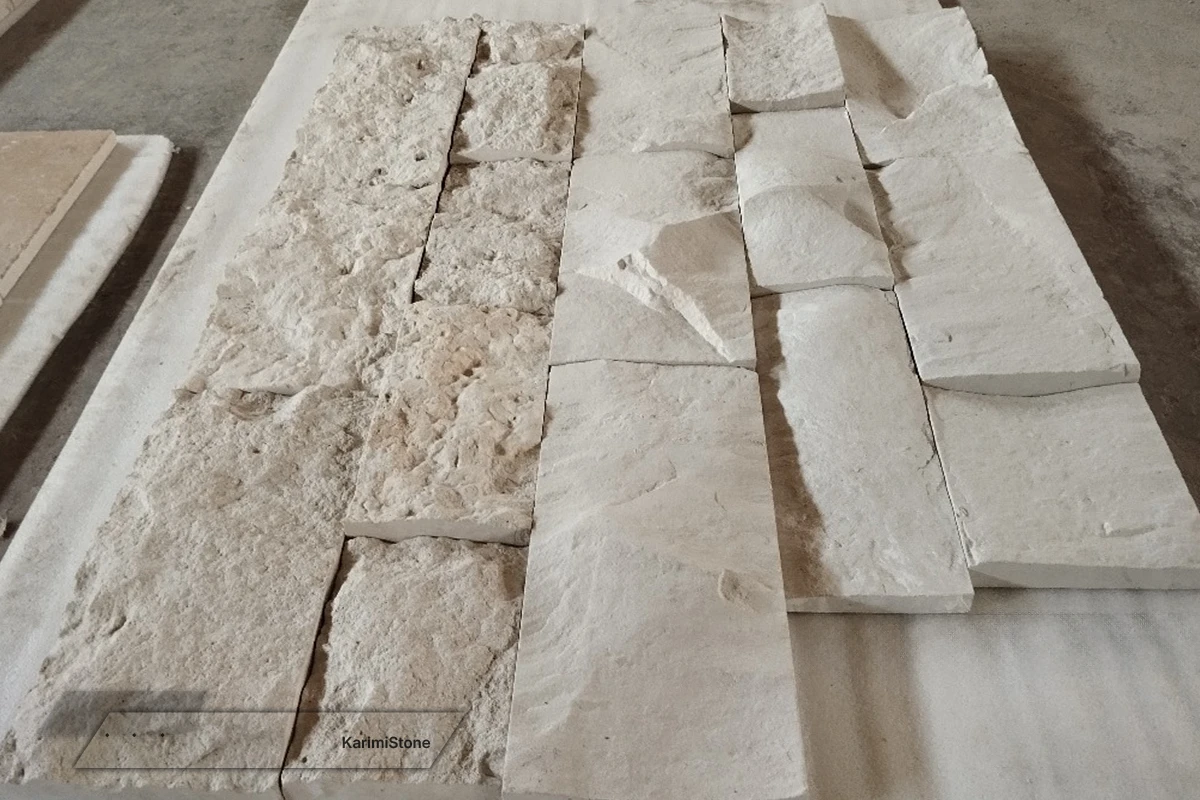
Gohare Limestone typically presents light cream tones with varying fossil intensity (low, medium, and high fossil sorts). These visual variations allow designers to select the appropriate appearance depending on architectural style, project scale, and lighting conditions.
What Is the Split-face Finish?
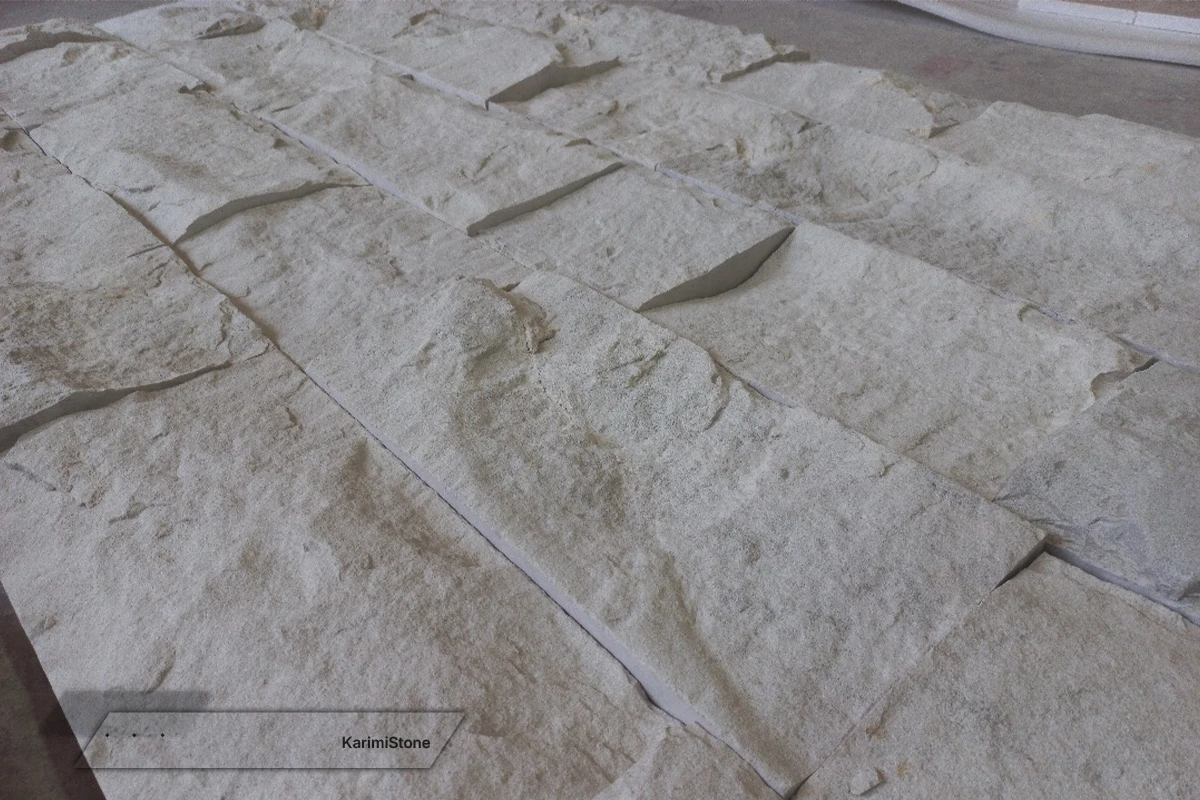
The Split-face finish is a decorative surface treatment created by mechanically splitting the stone block to expose its natural internal structure. During production, rectangular stone pieces are cut and then split using hydraulic pressure or mechanical tools. The splitting action creates a rough and uneven surface with natural ridges and broken textures.
Unlike polished or honed finishes, Gohare Split-face Limestone does not rely on surface abrasion. Instead, the texture is formed by controlled breaking along the stone’s natural lines. The result is a rustic, dimensional surface that enhances light and shadow contrast and creates strong architectural expression.
This finish is widely used in vertical applications where architectural texture and natural character are required without additional decorative cladding elements.
Technical Characteristics of Gohare Split-face Limestone
Although the surface texture differs, the core properties remain those of original Gohare Limestone:
- Density: approximately 2550–2650 kg/m³
- Water absorption: typically low compared to many limestones
- Good abrasion resistance
- Suitable compressive strength for façade applications
- Strong compatibility with CNC cutting before splitting
Because of its density and mechanical strength, Gohare Limestone is sometimes visually compared to marble, although it remains a limestone in geological classification.
For exterior applications, especially in cold climates or moisture-exposed environments, waterproof coating and proper installation methods are recommended to improve long-term durability.
Applications and Architectural Use
Gohare Split-face Limestone is primarily used in vertical architectural applications where strong visual texture and natural depth are required. The three-dimensional surface structure creates strong shadow effects that enhance building volume and strengthen the visual identity of both modern and classical designs.
This finish is commonly used in:
- Exterior façade cladding
- Architectural feature walls
- Commercial building exteriors
- Residential façade design
- Landscape and decorative walls
- Interior accent surfaces
Its natural irregularity provides a timeless architectural character while maintaining structural reliability and long-term performance.
Durability and Maintenance
Due to its dense structure and natural composition, Gohare Split-face Limestone provides reliable durability under normal environmental conditions. Proper installation, sealing treatments, and periodic maintenance help preserve surface appearance and performance over time.
Compared to smooth finishes, the textured surface helps reduce the visibility of minor scratches, wear, and surface aging, making it suitable for long-term architectural use in both interior and exterior environments.
Quarry & Supply Background
Gohare Limestone is extracted from quarries located in Khorramabad, Lorestan Province, with more than 75 years of continuous extraction history. The quarry’s geological consistency allows for large-scale production and stable sorting based on fossil intensity rather than quality grade.
This geological stability ensures consistent color tone, reliable technical properties, and uniform block supply for large architectural projects.
The Role of Negin Sang Karimi (Karimi Stone)
Negin Sang Karimi (Karimi Stone), as the quarry owner, exporter, and producer of Gohare Limestone, manages the production and export of Gohare Split-face Limestone in controlled and consistent volumes.
Owning the quarry allows Karimi Stone to maintain uniform block selection, precise fossil-based sorting, and stable pricing for both domestic and international projects. All stages, from block extraction to splitting, dimensional cutting, quality control, packaging, and shipment, are supervised within the company’s production system.
Karimi Stone supplies Gohare Split-face in various formats including slab-based cut sizes, tiles, batten pieces, and custom dimensions prepared for façade projects. Export-standard packaging and structured logistics planning ensure safe and timely delivery to multiple international markets, including Europe and Russia.
Through strict QC procedures and production monitoring, Karimi Stone guarantees consistent texture, accurate dimensions, and reliable supply for architectural-scale projects.
Related Products and Further Information
Explore related limestone products and finishes:
Gohare Limestone
Limestone Collection
For general geological information about limestone, visit:
Limestone – Encyclopaedia Britannica.