
Share With
- Petro Travertine Quarry
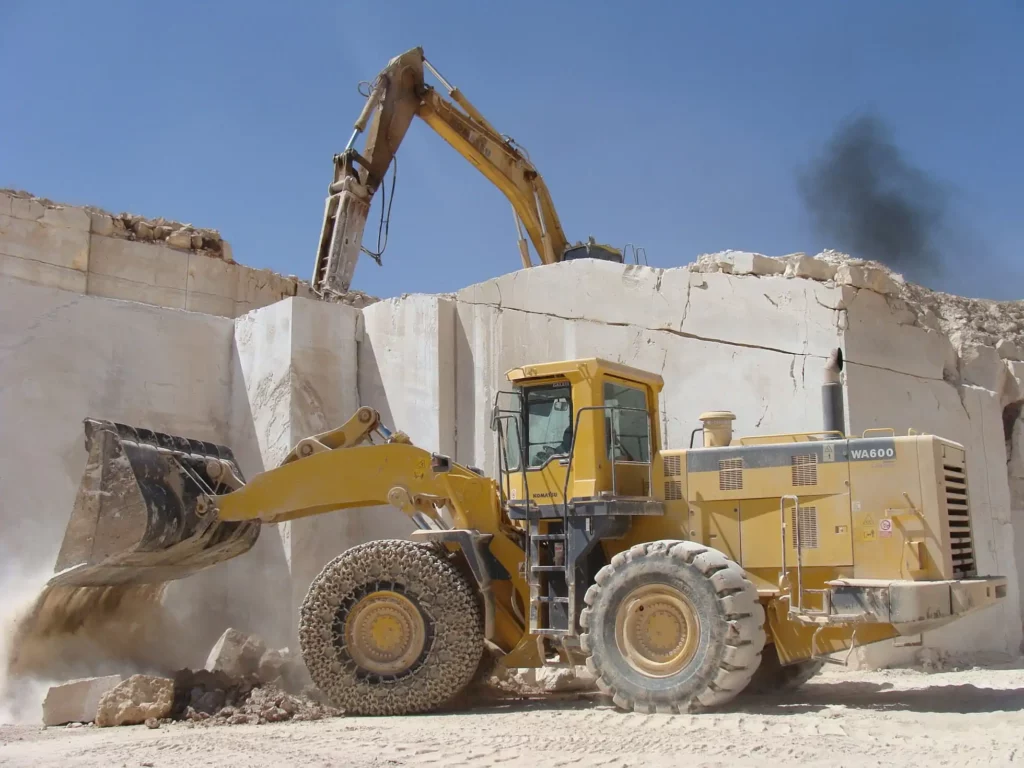
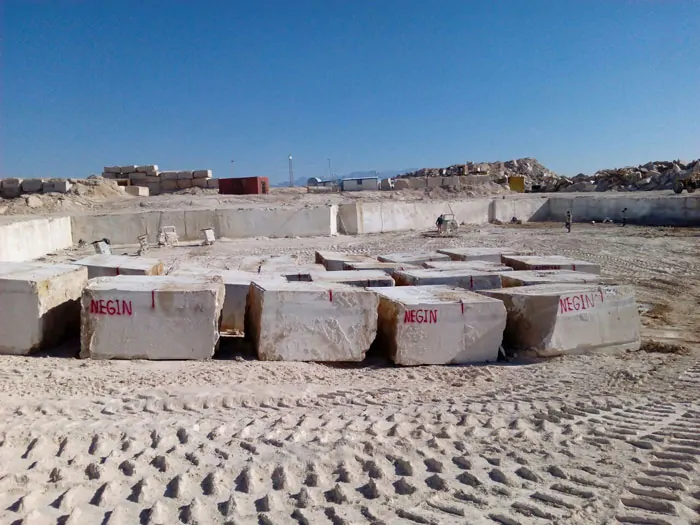
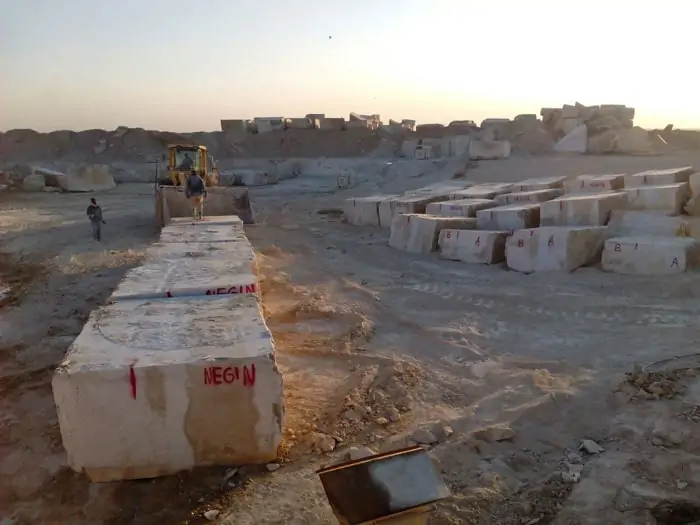
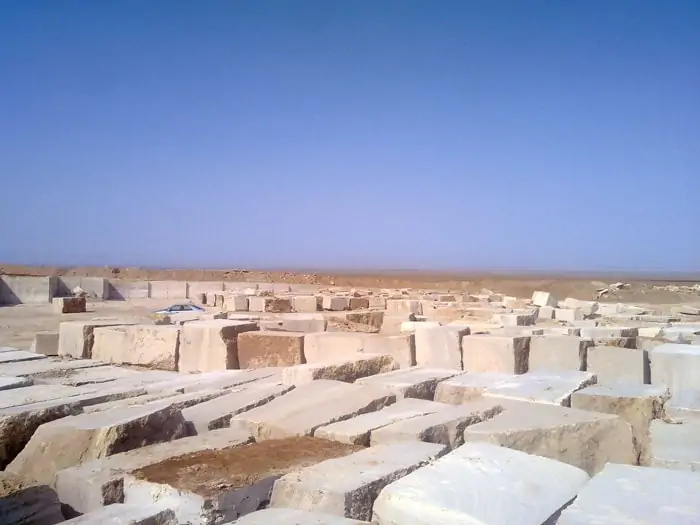
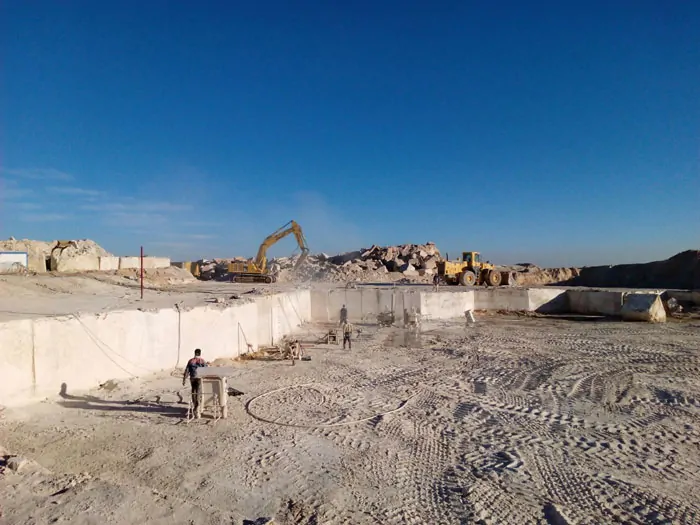
The Varton region is located in the city of Isfahan. The Varton Beige Travertine Quarry is also known as Petro Beige Travertine. This quarry has proven reserves of 600,000 tons and covers an area of 2 square kilometers.
- Packing
Petro Travertine Quarry in Isfahan, Iran
Petro Travertine is a well-known Iranian travertine stone extracted from the Varton region in the city of Isfahan. Commonly referred to as Petro Beige Travertine, this material is sourced from an active quarry with proven reserves of approximately 600,000 tons and a quarry area covering nearly 2 square kilometers. The stable geological structure of the quarry allows for continuous extraction and long-term supply, making it suitable for large-scale architectural and construction projects that require material consistency over time.
Geological Characteristics of Petro Travertine
This beige travertine is formed through natural mineral deposition over long geological periods, resulting in a compact yet workable structure. It is characterized by a beige to light cream background, uniform texture, and controlled porosity. These features contribute to good thermal behavior, reliable weather resistance, and stable performance in both interior and exterior environments.
Compared to many other Iranian travertine stones, Petro Travertine demonstrates improved color stability across different quarry sections and production batches, which is especially important for façade projects, large wall surfaces, and urban developments where visual continuity is critical.
Extraction and Block Quality
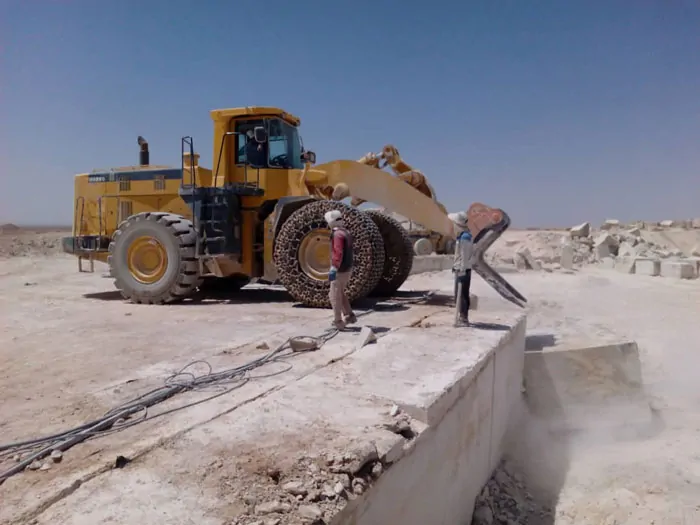
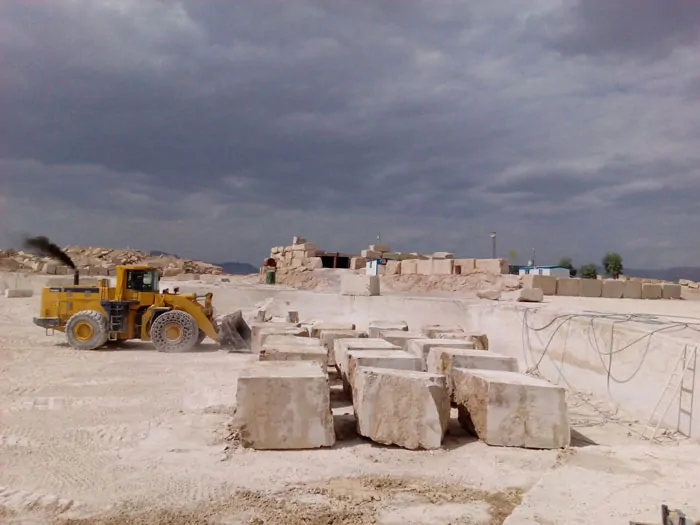
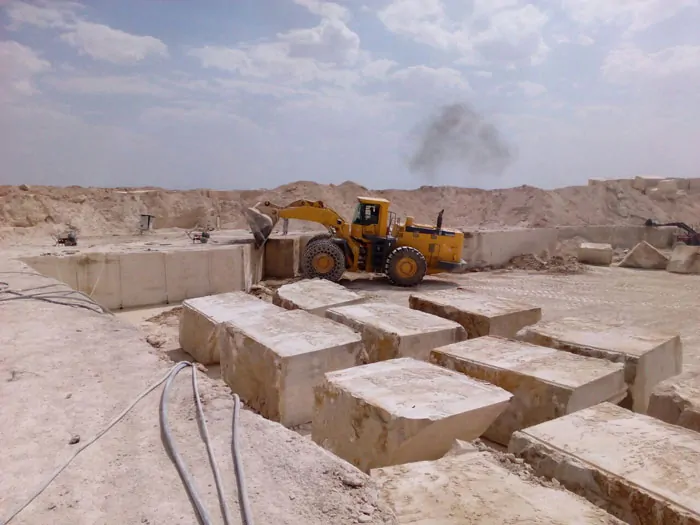
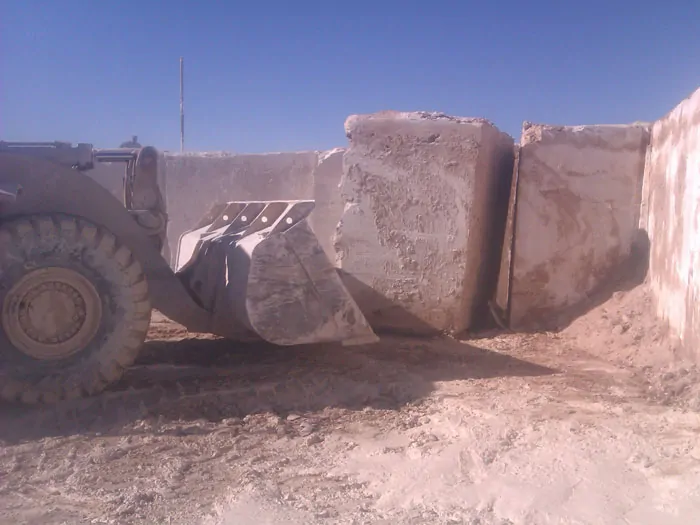
Blocks extracted from the quarry are selected based on vein orientation, density, and internal structure. Controlled extraction techniques help reduce hidden fractures and ensure higher recovery rates during processing. As a result, the material is well suited for producing slabs, tiles, steps, and custom architectural elements with predictable output.
Processing Types and Surface Finishes
After extraction, the stone is processed using professional finishing techniques according to project requirements. Common surface finishes include:
- Honed
- Leathered
- Sandblasted
- Bush-hammered
- Tumbled
Each finish highlights different visual and functional qualities, ranging from smooth architectural surfaces to textured, slip-resistant applications for outdoor use.
Applications of Petro Travertine
This material is widely applied in residential, commercial, and public projects, including:
- Building façades
- Interior and exterior flooring
- Staircases and steps
- Wall cladding
- Landscaping and outdoor paving
Its neutral appearance allows it to integrate seamlessly into both modern and classical architectural styles.
Performance Standards and Industry References
Selection and application of natural stone for construction projects are typically guided by internationally recognized technical recommendations. Organizations such as the Natural Stone Institute emphasize the importance of quarry consistency, proper processing, and suitable surface finishes to ensure long-term performance and durability in architectural applications.
Petro Travertine Supply and Export
Petro Travertine is supplied under controlled quality standards with options for custom dimensions, thicknesses, and finishes. Export-grade packaging systems are used to protect the stone during handling and long-distance transportation.
With structured quarry management, consistent production capacity, and established logistics procedures, this travertine remains a dependable option for international architectural stone supply and long-term construction projects.
Suitability for Long-Term Architectural Projects
In large-scale architectural developments, material reliability and long-term availability play a critical role in project success. Petro Travertine is particularly suitable for projects that require phased execution, repeated orders, or future extensions. The consistency of quarry output allows architects and contractors to maintain the same visual and technical standards across different construction stages without noticeable variation.
This advantage is especially valuable in residential complexes, commercial buildings, and public spaces where material continuity directly affects overall design integrity. By ensuring stable color tone, predictable processing behavior, and controlled surface quality, this travertine supports cohesive architectural results over extended timelines.
Workability and Installation Advantages
From a fabrication and installation perspective, Petro Travertine offers balanced workability. The stone can be cut, shaped, and finished with precision, allowing for accurate installation and reduced material waste on site. This contributes to faster installation cycles and improved efficiency during construction.
Installers benefit from its consistent thickness and structural behavior, which simplifies alignment and joint control. These practical characteristics reduce installation challenges and help maintain high-quality finishing standards throughout the project lifecycle.
Climate Adaptability and Performance
Thanks to its natural porosity and mineral composition, Petro Travertine performs well across a wide range of climate conditions. It demonstrates reliable resistance to temperature fluctuations, moisture exposure, and environmental stress when applied with appropriate finishes and installation methods.
This adaptability makes the stone suitable for use in both hot and cold regions, supporting applications in outdoor façades, paving, and semi-exposed architectural elements without compromising durability or appearance.