Stone loading and secured shipment procedures for export
Natural stone is a heavy and sensitive material that requires controlled handling throughout the entire export process. Stone loading and secured shipment begins with precise planning to prevent surface damage, edge breakage, or structural stress during long-distance transportation. Improper positioning or insufficient securing can directly affect material integrity, which is why each shipment is prepared according to export-oriented loading standards.
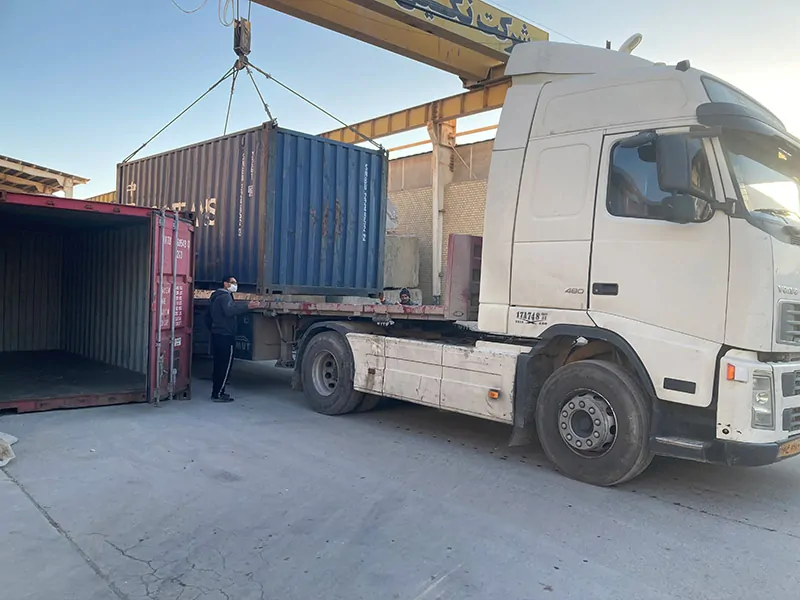
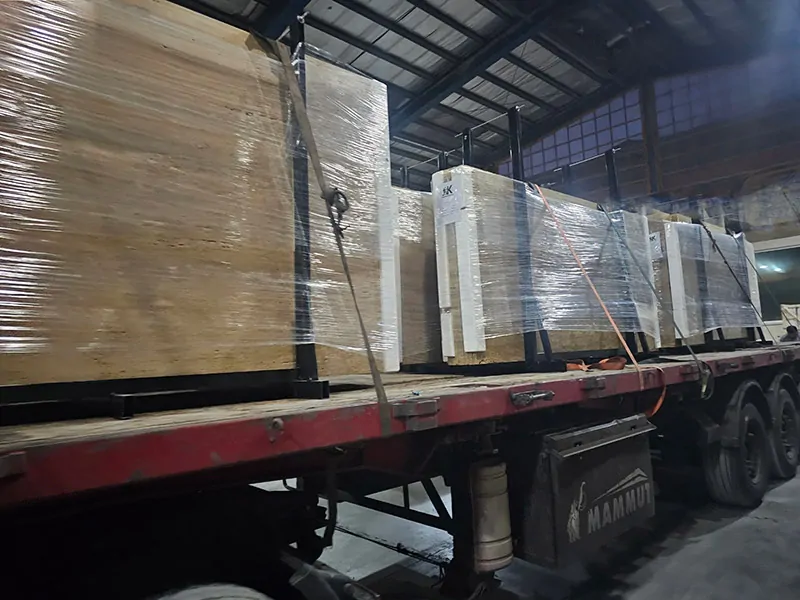
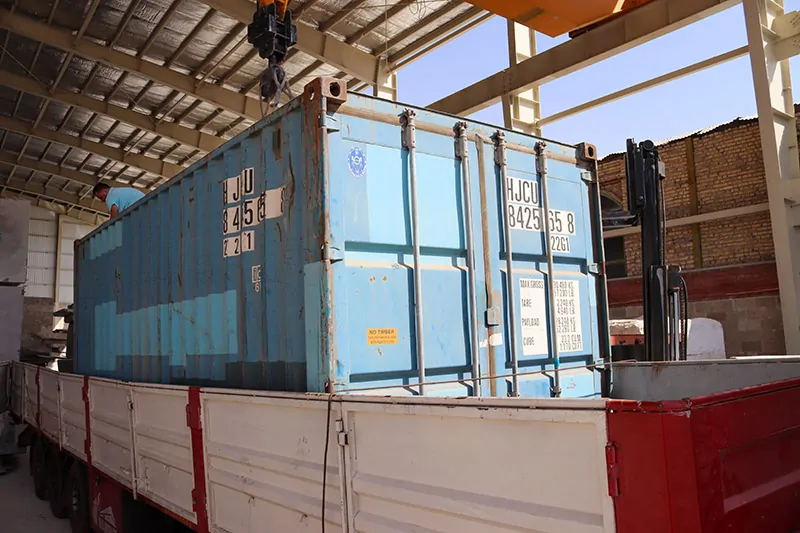
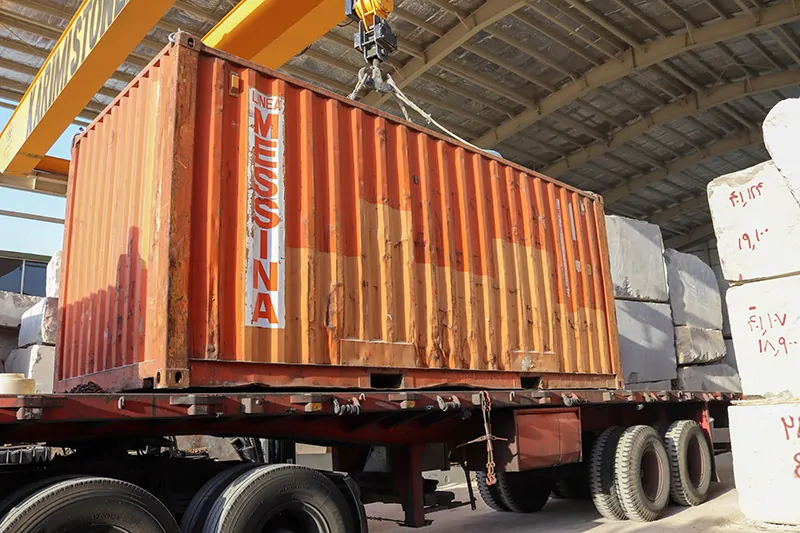
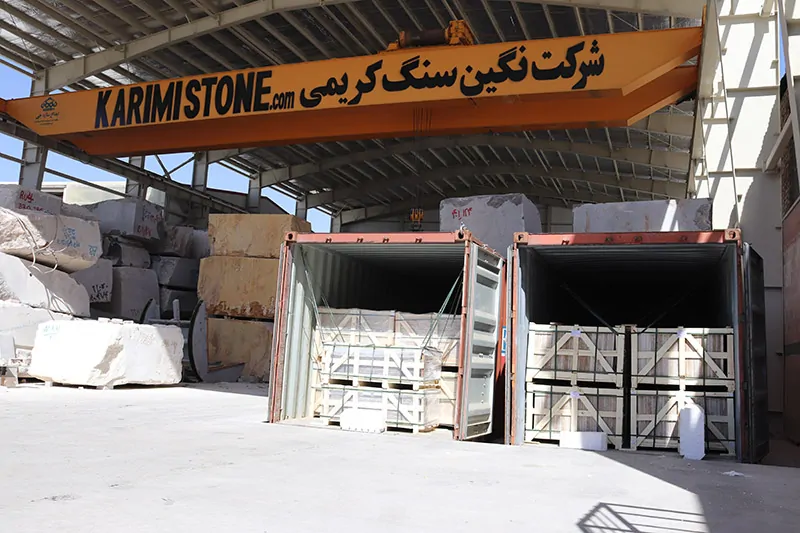
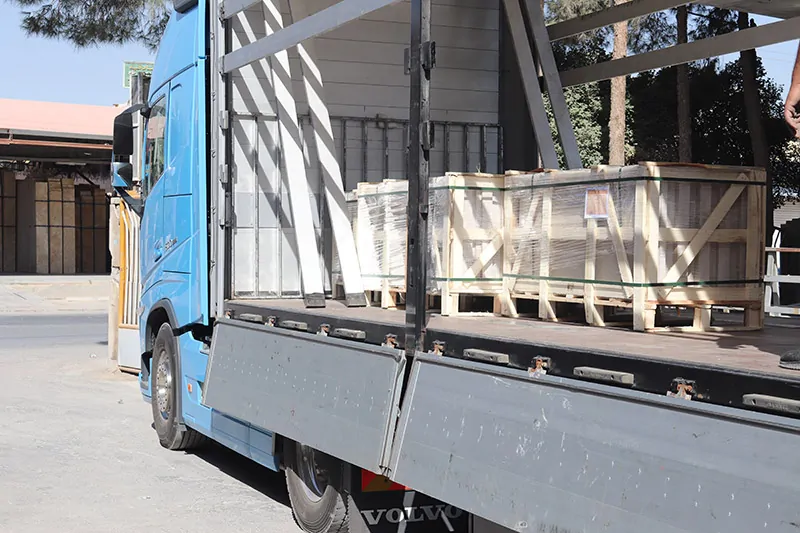
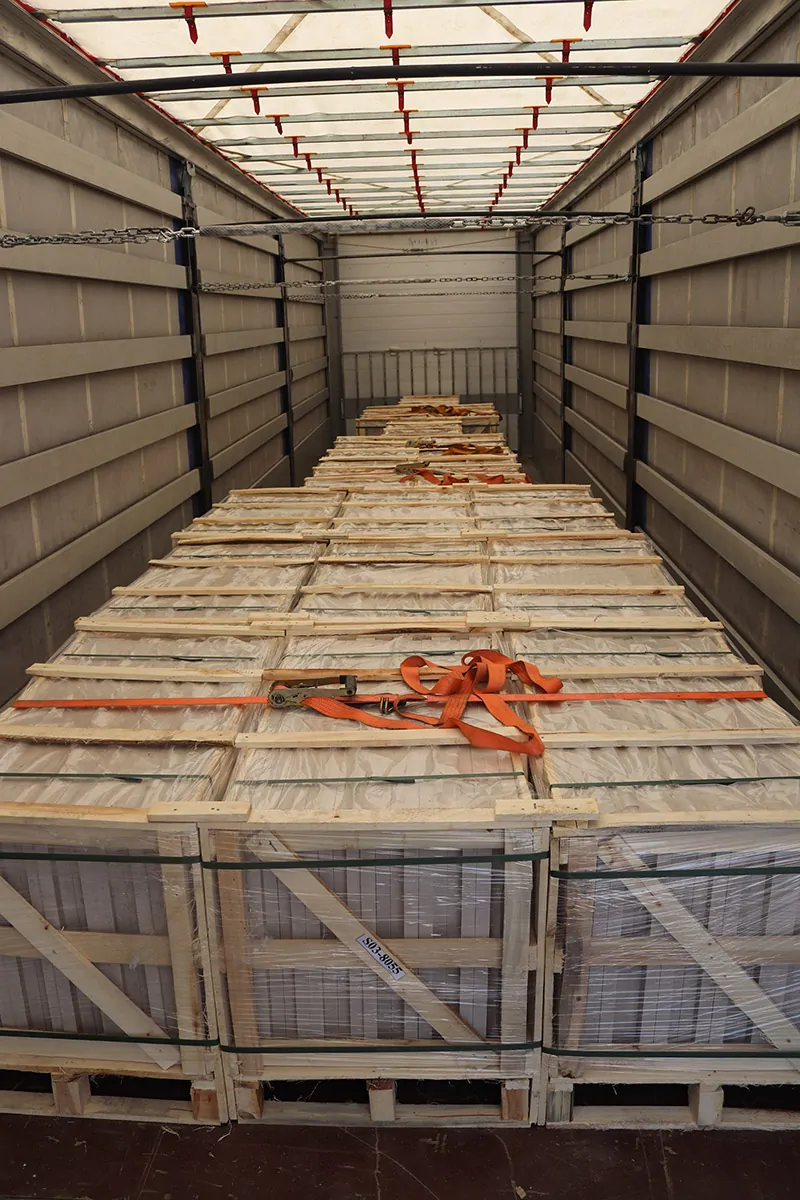
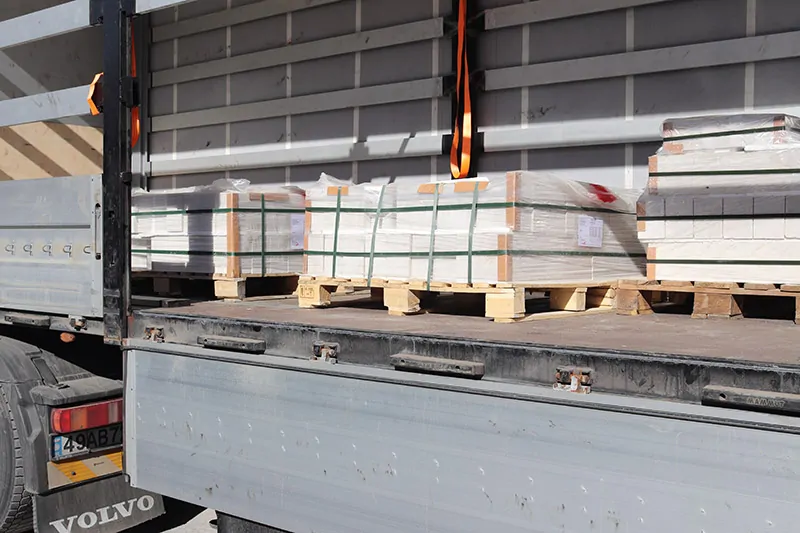
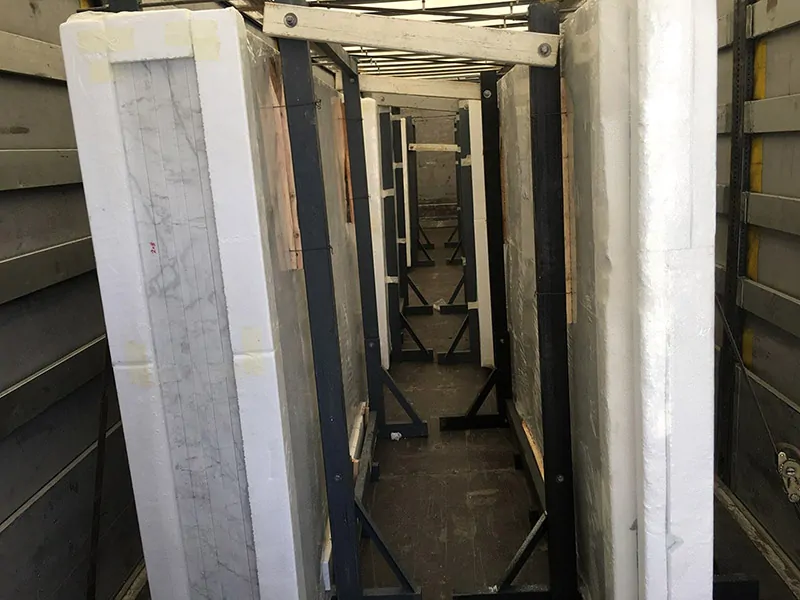
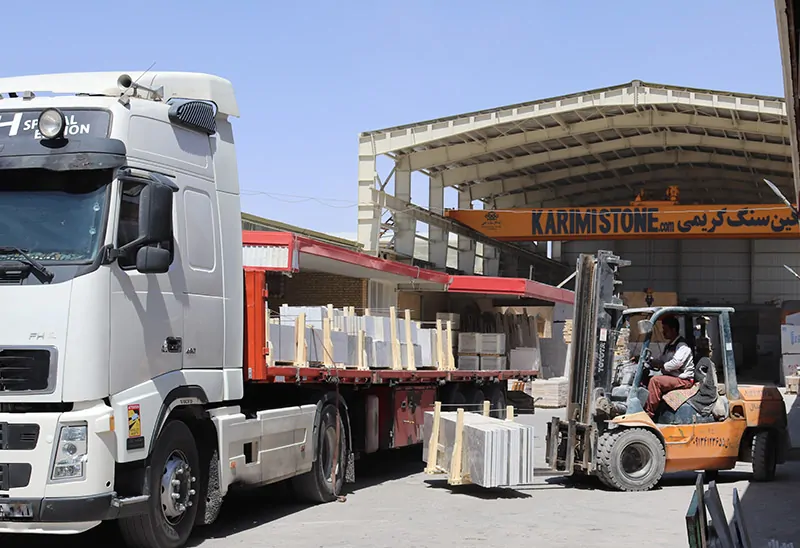
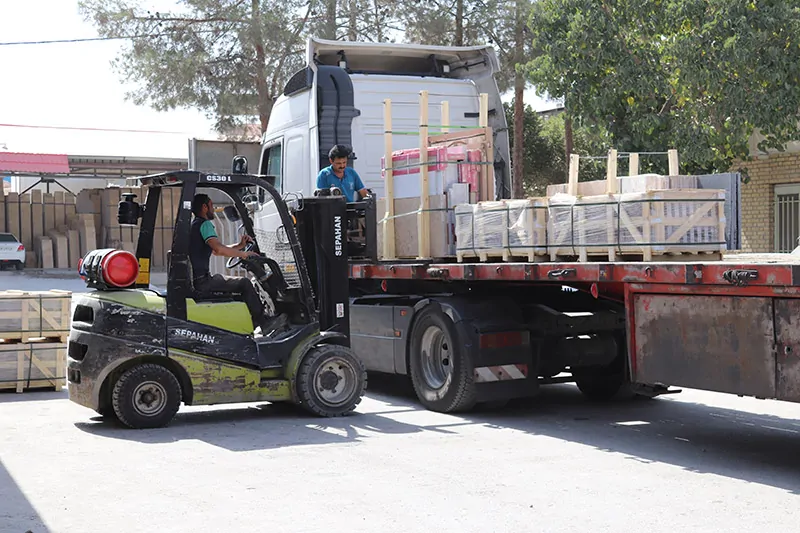
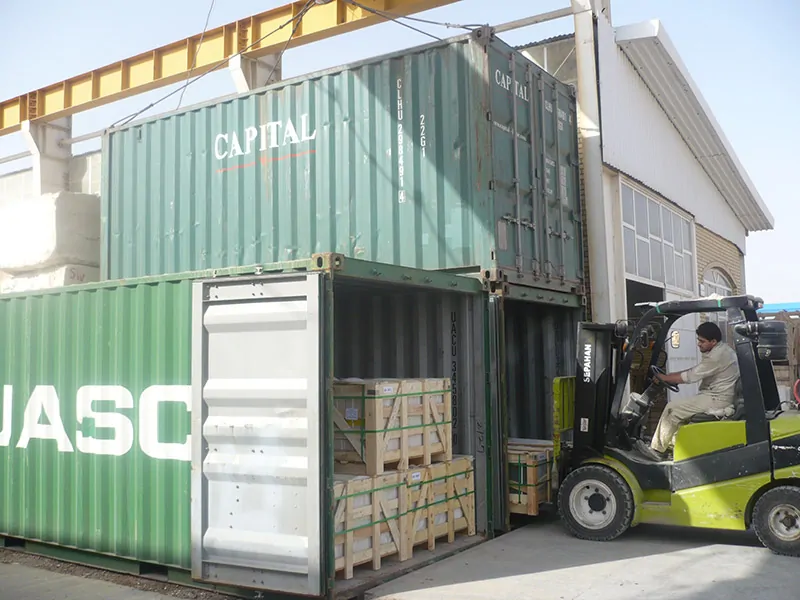
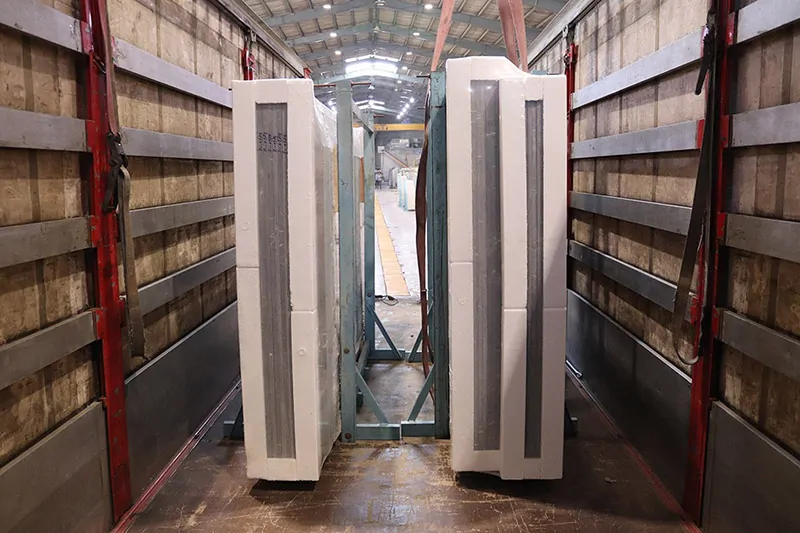
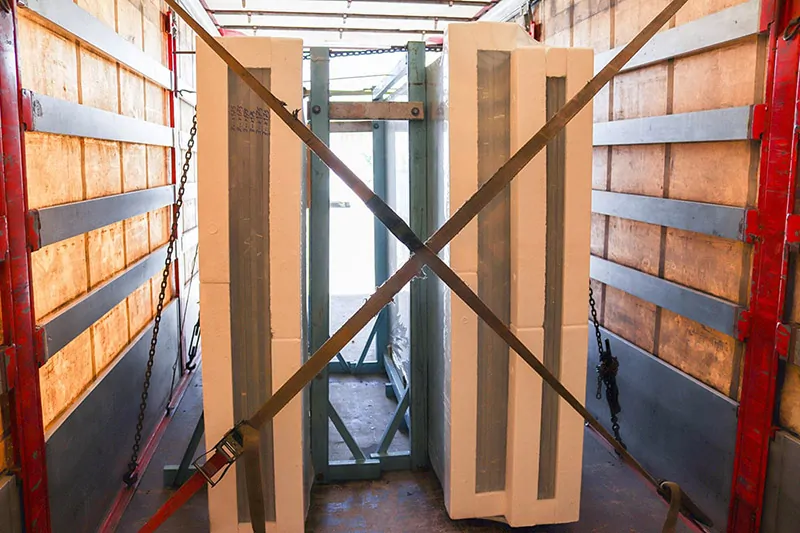
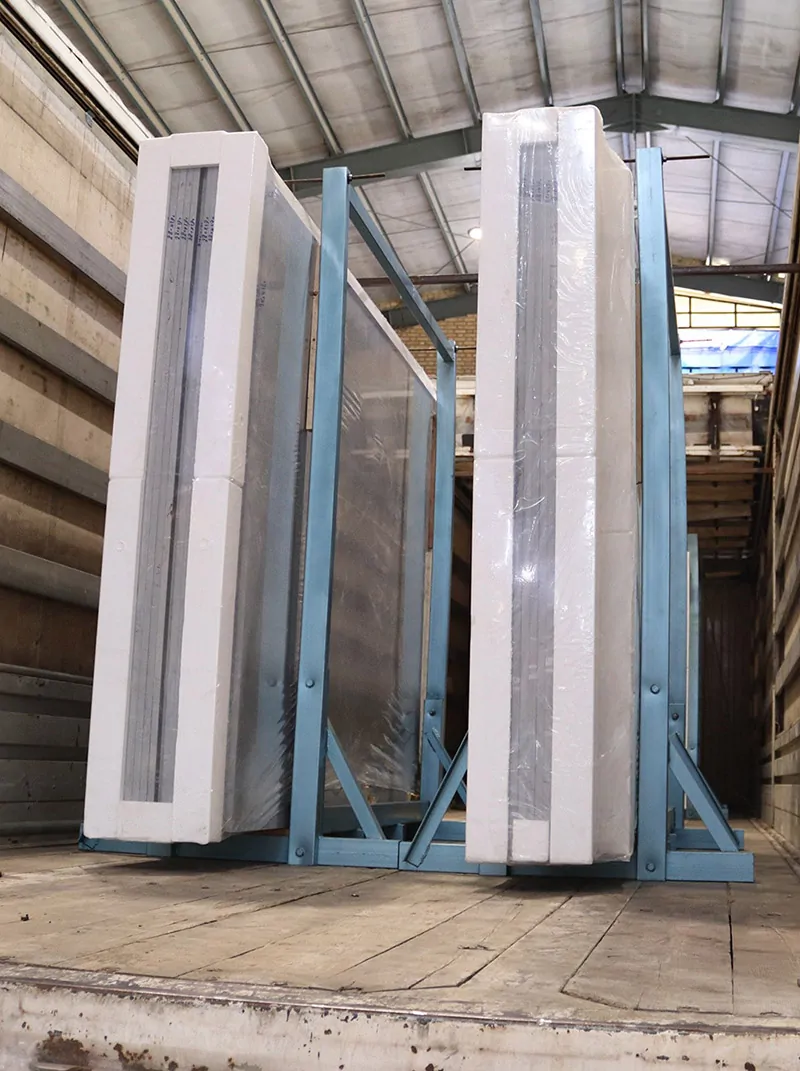
Before loading starts, shipment layouts are carefully reviewed to determine the safest positioning method based on stone type, dimensions, packaging format, and transport route. This preparation stage allows operators to distribute weight evenly, minimize pressure points, and avoid unnecessary repositioning during loading. During the loading process, stone products are placed with controlled spacing and protective separators to prevent direct contact, vibration, and friction. Special attention is given to balance inside containers and trucks to ensure stability under movement, braking, and road conditions. Once positioning is completed, all units undergo full securing through professional lashing systems as part of the stone loading and secured shipment workflow.
Final inspections include alignment checks, lashing tension verification, and stability assessment before container sealing and dispatch approval. This structured approach reduces transit risk, supports safe unloading at destination, and ensures that stone products arrive in the same condition as they leave the factory.
Stone Loading and Secured Shipment Standards
Proper handling of natural stone at the loading stage is a critical requirement for safe and reliable transportation. Due to the high weight, structural sensitivity, and precise dimensions of
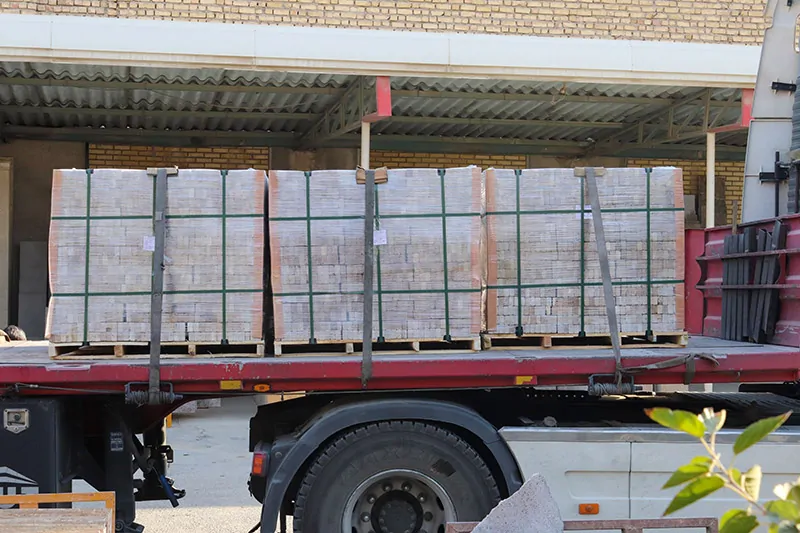
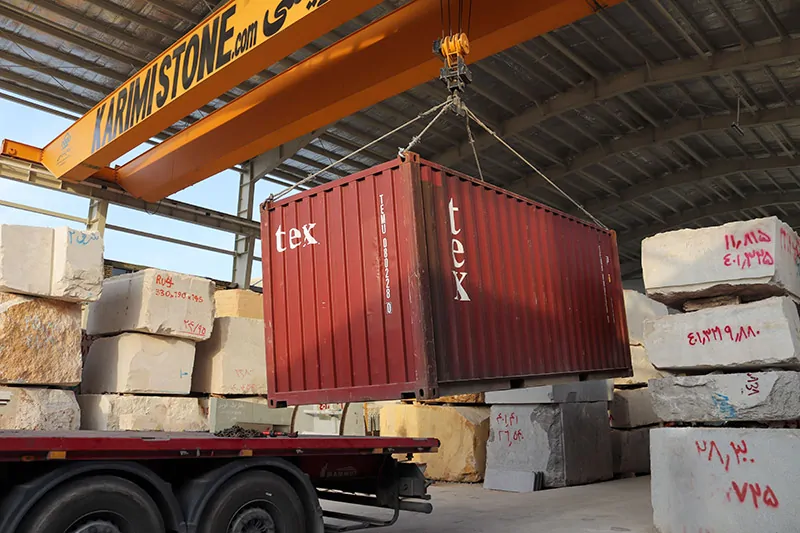
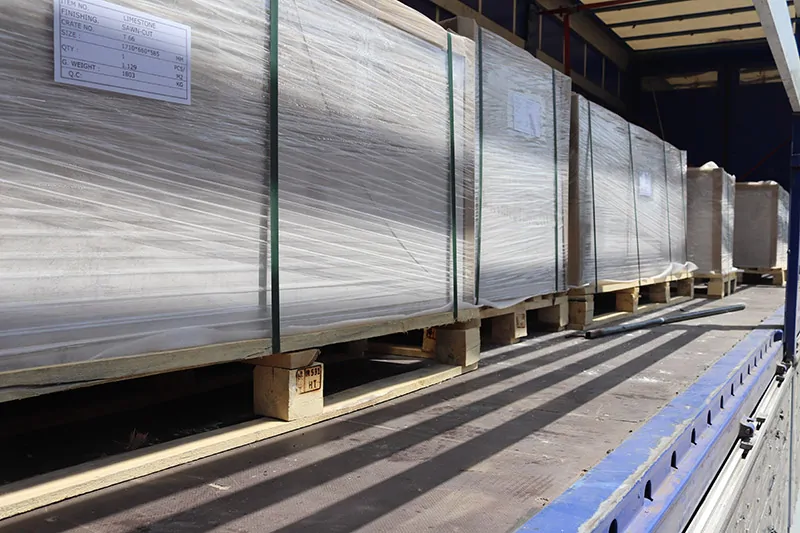
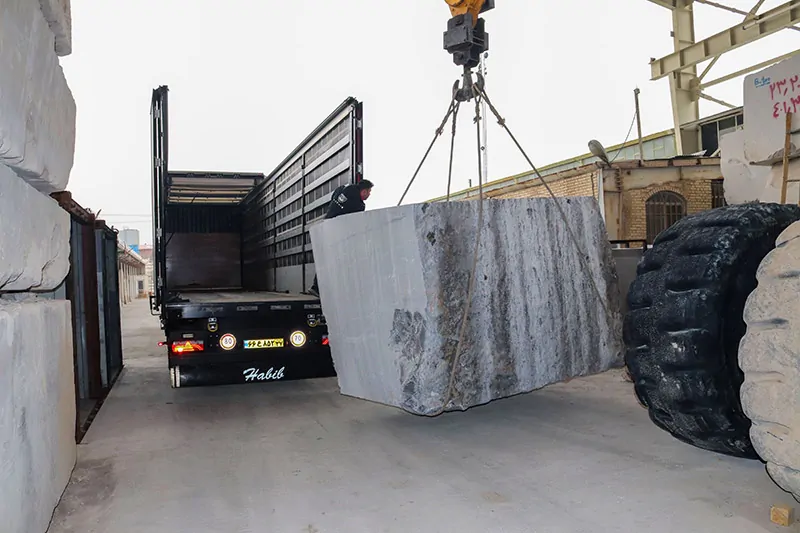
stone materials, each shipment must follow clearly defined procedures to prevent damage during transit. Stone loading and secured shipment are performed according to controlled, export-grade standards to protect both material quality and project timelines. Bundles, pallets, crates, and slabs are positioned using certified lifting equipment operated by experienced personnel, while load layouts are carefully engineered to ensure balanced weight distribution and eliminate pressure points inside trucks or containers.
Reinforced Packaging and Container Securing
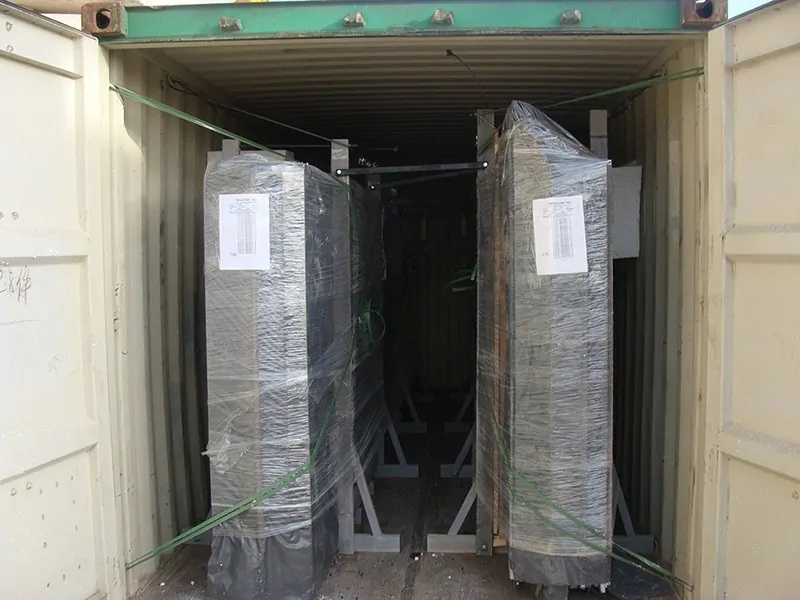
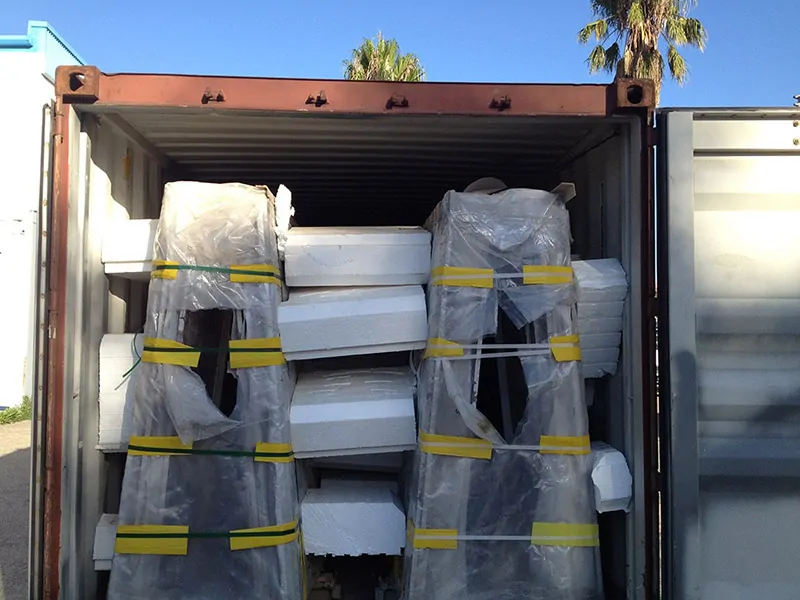
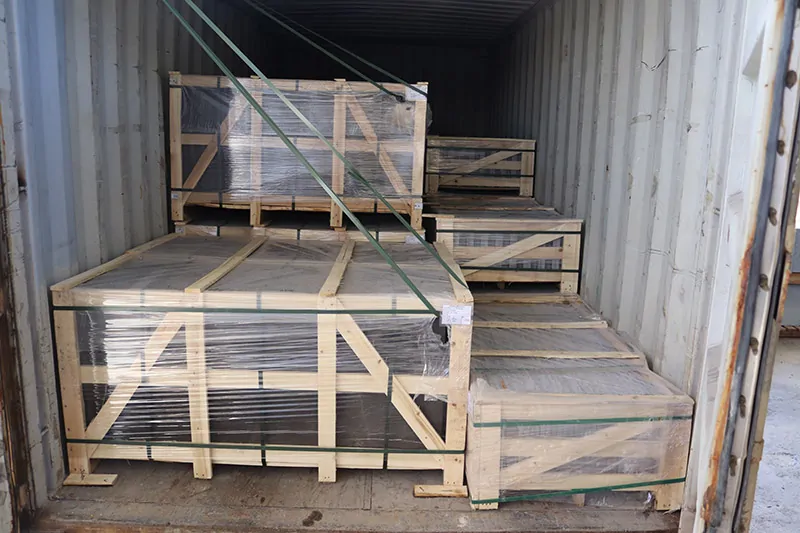
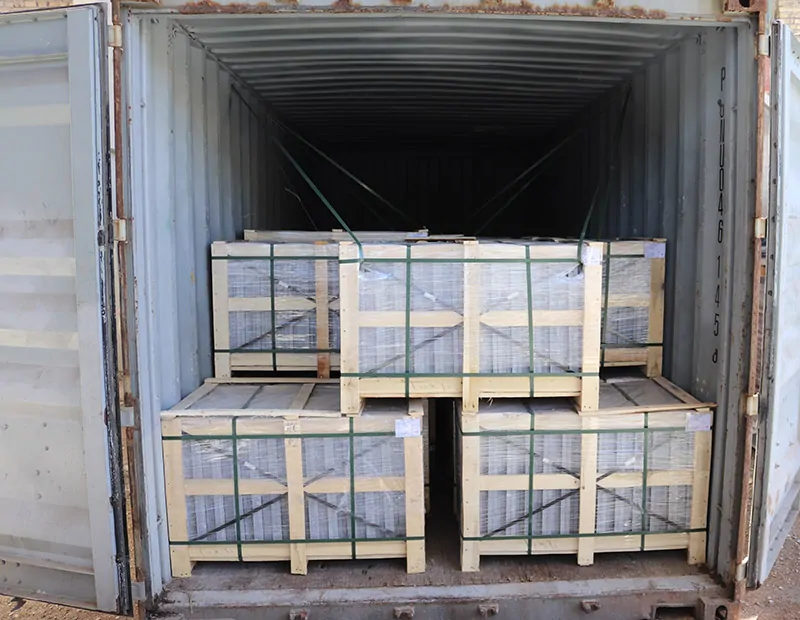
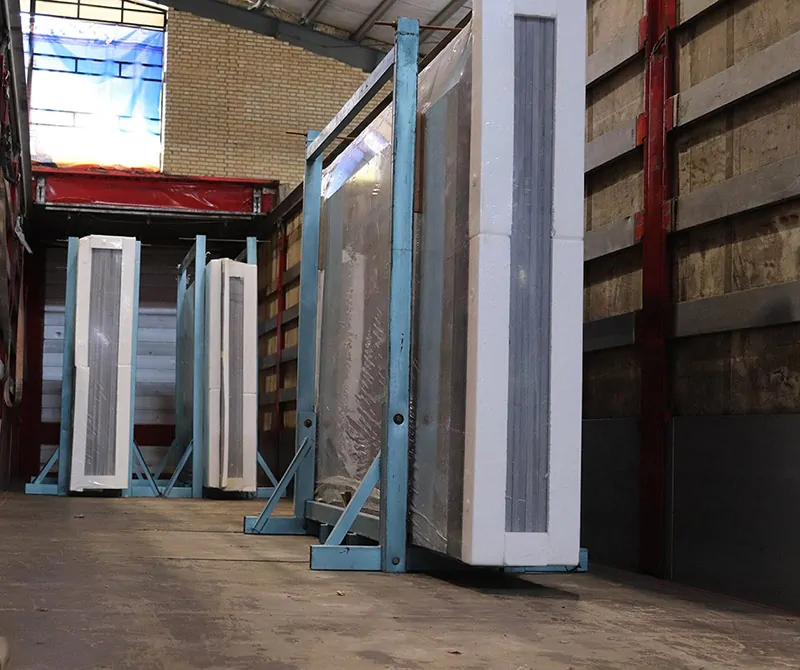
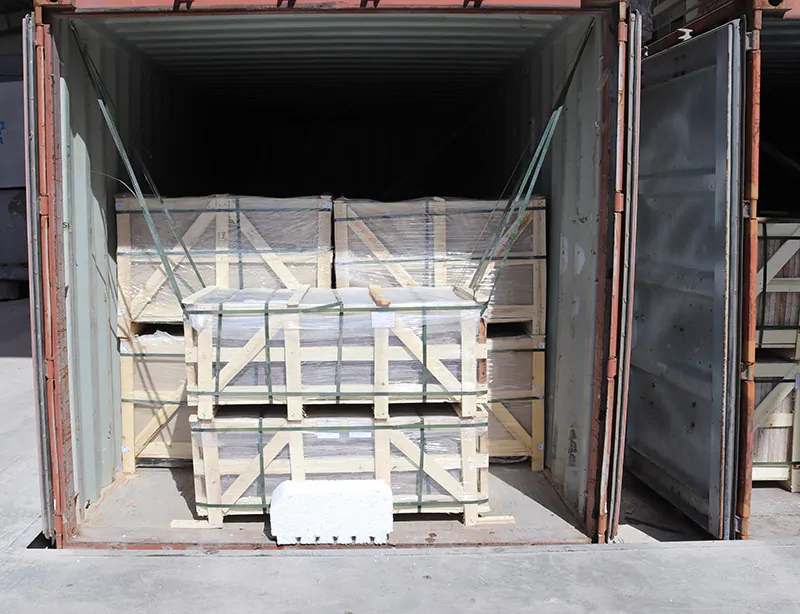
Before loading begins, every stone unit is prepared using reinforced packaging systems designed specifically for long-distance transport. Protective corners, wooden spacers, steel bands, and shock-absorbing layers are selected based on stone type, thickness, format, and shipment conditions. These elements form the first line of protection against impact and vibration.
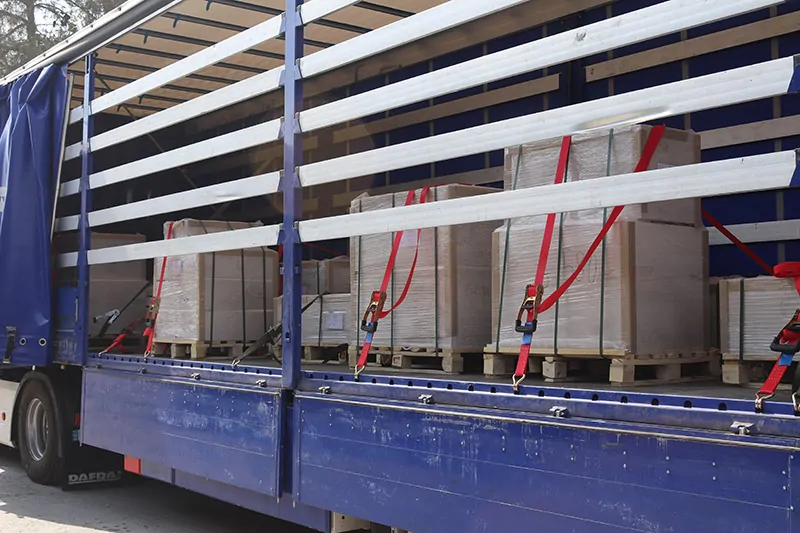
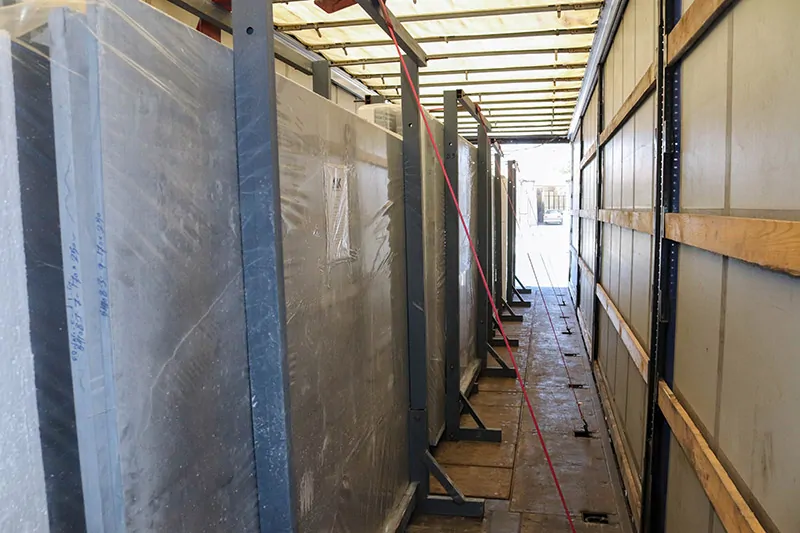
Once inside the container or truck, stone loading and secured shipment procedures continue with a full lashing and fixing process. Tension belts, steel wire anchoring, anti-slip mats, and structural blocking are applied to prevent movement, vibration, or collision throughout the journey. This systematic securing process ensures that stone materials remain stable from departure to final delivery.
Quality Control During Loading Operations
Every loading operation is monitored by trained quality control personnel to ensure compliance with safety, export, and internal standards. Visual inspections, alignment checks, and final securing verification are completed before sealing the container. These inspections confirm that stone loading and secured shipment requirements have been fully met.
This controlled approach significantly reduces the risk of hidden damage, improves unloading efficiency at the destination, and ensures that stone products arrive in the same condition as they leave the production facility.
Prepared for International Transport Conditions
Loading and shipment procedures are developed specifically for international stone transport. Whether shipments are delivered by truck, container, or combined logistics routes, methods are adapted to distance, climate variations, and handling conditions along the transport chain. Stone loading and secured shipment play a decisive role in preserving material integrity during export operations.
When loading and securing are executed according to defined standards, the likelihood of damage, delays, and handling issues during international transportation is substantially reduced.
Why Proper Loading and Shipment Protection Matters
A structured loading process ensures that heavy stone products remain stable, protected, and undamaged from factory dispatch to final project delivery. Reliable stone loading and secured shipment support predictable logistics, minimize operational risk, and contribute directly to successful installation at the destination. For professional exporters, this stage is treated as a critical technical operation rather than a routine task.
Planning and Risk Assessment Before Loading
Before any physical loading begins, a detailed planning and risk assessment phase is carried out. This step identifies potential challenges related to stone weight, dimensions, fragility, and transport routes. Container size, truck capacity, stacking limitations, and handling equipment are evaluated in advance to avoid last-minute adjustments that increase risk.
During this phase, loading sequences are defined to ensure heavier elements are positioned correctly and that access for securing and inspection remains available. Oversized slabs, long stone pieces, and mixed shipments receive special attention. Early planning allows stone loading and secured shipment operations to proceed smoothly and safely.
Equipment Selection and Handling Discipline
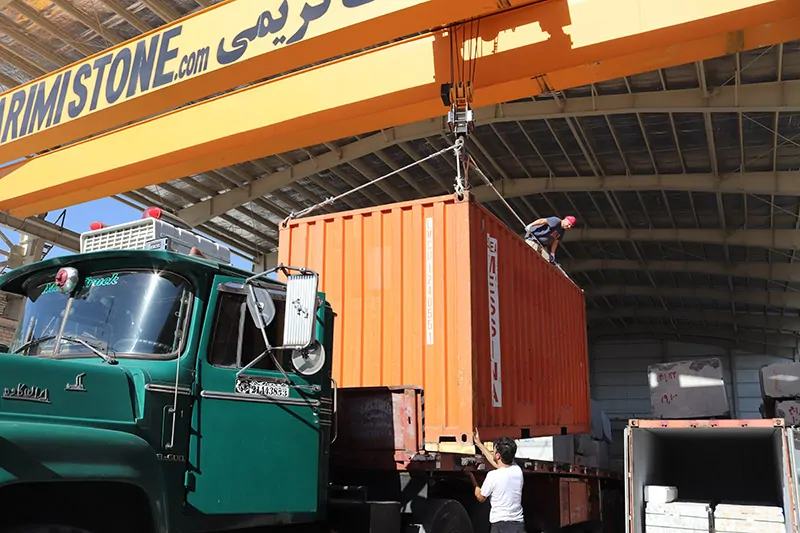
The correct choice of equipment is essential for professional stone loading and secured shipment. Forklifts, cranes, lifting clamps, and spreader beams are selected based on stone weight and format to avoid uneven stress or point loading. Operators are trained to handle stone slowly and precisely, maintaining full control during lifting and placement.
Strict handling discipline is enforced throughout the loading area. Clear communication between operators and supervisors ensures that each movement follows the predefined loading plan. This disciplined workflow minimizes the risk of micro-cracks, edge damage, or surface abrasion that may not be immediately visible.
Container Optimization and Space Management
Efficient use of container space is another key element of
secure stone shipment. Space is optimized without compromising safety or stability. Wooden blocks, spacers, and structural supports are used to fill gaps and prevent lateral movement, while maintaining access for inspection and airflow.
Correct spacing between bundles and pallets allows securing systems to function effectively and prevents friction between stone units. This balanced approach supports both shipment safety and logistical efficiency.
Traceability and Shipment Documentation
Each shipment is documented as part of the quality assurance process. Load photographs, securing details, and packaging methods are recorded to provide full traceability. This documentation supports coordination with logistics partners and provides reference data for inspections, insurance reviews, or client verification.
Consistent records also help standardize stone loading and secured shipment practices across repeated exports, ensuring reliable performance over time.
Long-Term Impact on Project Success
Stone loading and secured shipment have a direct influence on project timelines, installation quality, and overall client satisfaction. Properly loaded stone arrives ready for installation, reducing delays, waste, and on-site handling issues. This reliability strengthens supply chain performance and supports long-term cooperation in
international stone trade.
Consistency Across Repeated Shipments
For large-scale and long-term projects, consistency in stone loading and secured shipment is essential. When procedures are standardized and carefully documented, the same level of protection can be achieved across multiple deliveries. This consistency reduces variation, simplifies coordination between production and logistics teams, and ensures that stone materials arrive in uniform condition at every destination.
By maintaining disciplined loading standards,
exporters preserve material value, protect their reputation, and deliver dependable results across global markets.