
Share With

- Browse Categories
Granite Natural Stone Products for Modern Architecture
Granite is one of the most durable and widely used natural stones in modern construction, valued for its exceptional strength, high density, and long-term performance in demanding environments. Formed naturally under extreme geological conditions, granite provides outstanding resistance to wear, weather exposure, and mechanical impact. On this page, you can explore our granite stone products across multiple colors, sizes, and finishes—designed for architects, engineers, and developers who require structural reliability, durability, and consistent architectural performance.
Menu
Categories
Surface Finishes
- All Granite Product
What Is Granite Stone?
Granite is a natural igneous rock formed from the slow crystallization of molten magma beneath the Earth’s surface. This process occurs under high pressure and temperature over millions of years, creating a dense crystalline structure composed mainly of quartz, feldspar, and mica.
Because of this mineral composition, granite is significantly harder and more durable than many other natural stones such as limestone or marble. Its structure gives it exceptional resistance to abrasion, impact, moisture penetration, and environmental stress.
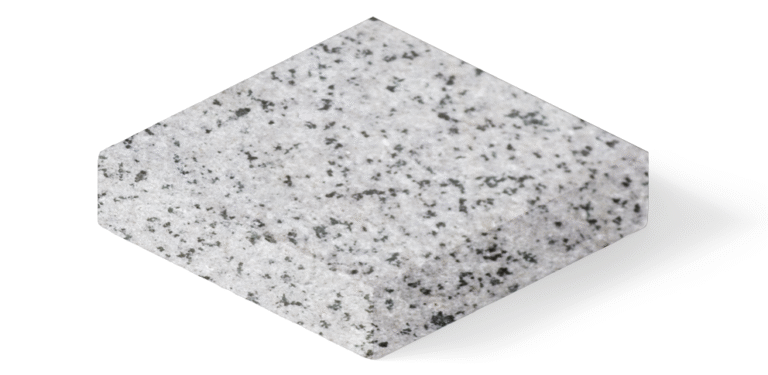
Visually, granite typically presents a granular texture with natural mineral patterns and color variations. The appearance can range from uniform fine grain to complex multi-color patterns depending on its geological origin.
For international technical references related to natural stone testing and performance, many projects follow standards provided by
ASTM International.
How Granite Is Formed (Geological Formation)
Granite formation is a natural geological process that takes place deep within the Earth’s crust:
1) Magma Cooling
Molten rock cools slowly beneath the Earth’s surface, allowing mineral crystals to grow and interlock.
2) Crystallization Process
Quartz, feldspar, and mica minerals form a dense and compact crystalline structure that gives granite its strength and durability.
3) Quarry Extraction
Granite blocks are extracted from quarries using controlled cutting and separation methods to preserve block integrity.
4) Industrial Processing
Extracted blocks are processed into slabs, tiles, and architectural elements through cutting, calibration, and surface finishing. For precision fabrication, visit our CNC Stone Manufacturing page.
Key Advantages of Granite Stone
Granite is widely used in construction because of its superior physical and mechanical properties:
- Extremely High Strength: Excellent resistance to compression, impact, and heavy loads.
- High Abrasion Resistance: Performs well in high-traffic areas and demanding environments.
- Weather and Frost Resistance: Suitable for exterior use in harsh climates.
- Low Water Absorption: Dense structure limits moisture penetration.
- Long Service Life: Maintains structural integrity and appearance over decades.
- Heat Resistance: Performs well under temperature variations.
- Wide Color Range: Available in multiple natural mineral colors.
These properties make granite one of the most reliable natural stones for structural and architectural applications.
Most Common Applications of Granite in Buildings
Due to its durability and strength, granite is widely used in both structural and decorative architectural applications.
Exterior Cladding and Facades
Granite provides long-term weather resistance and structural stability for building facades and exterior wall systems. See our Exterior Wall Solutions.
Flooring and High-Traffic Areas
Granite is commonly used in public buildings, commercial spaces, and transportation hubs due to its high wear resistance.
Stairs, Steps, and Pavements
Because of its strength and abrasion resistance, granite performs well in staircases and circulation areas. Explore our Steps & Risers formats.
Interior Architectural Surfaces
Granite is used for interior flooring, wall cladding, and decorative elements where durability and natural appearance are required.
Urban and Infrastructure Projects
Public paving, municipal projects, and infrastructure developments frequently use granite due to its long-term performance.
Granite Color Variations and Product Categories
Our granite product range includes multiple natural color options and formats suitable for different architectural styles:
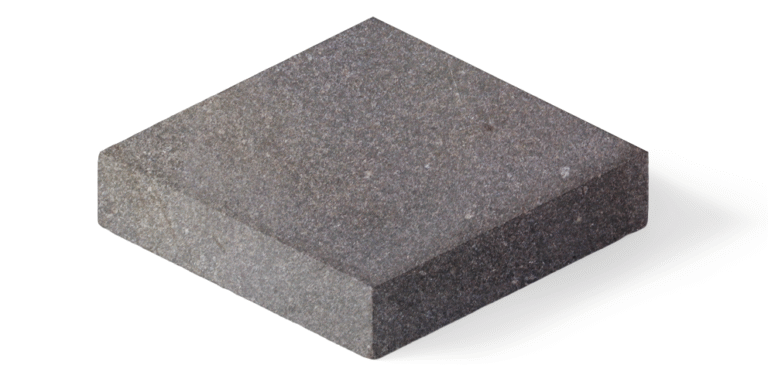
- Black Granite: Deep and uniform appearance for modern architectural design.
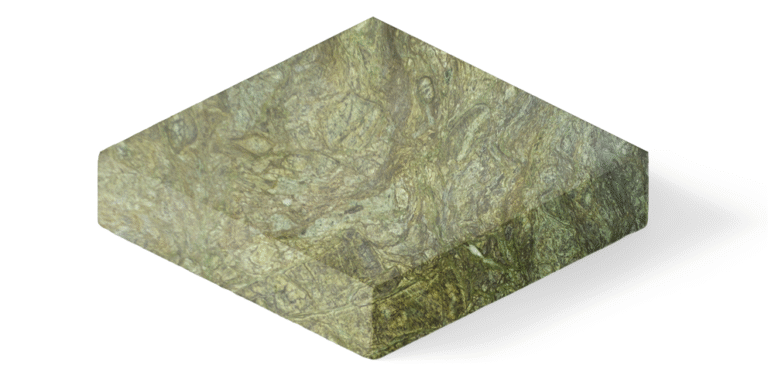
- Green Granite: Natural mineral patterns with distinctive visual character.
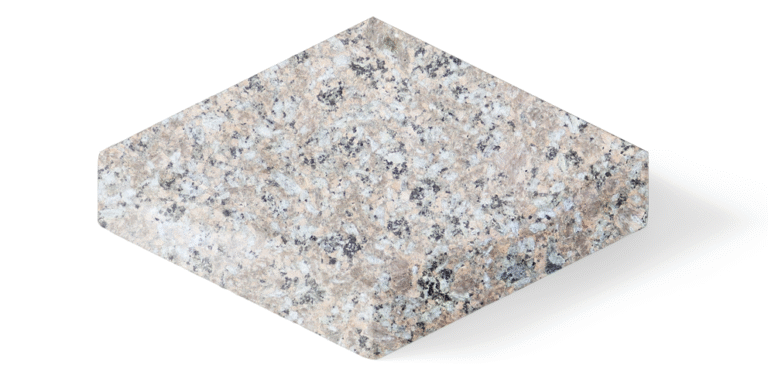
- Peach Granite: Warm tone suitable for decorative and architectural surfaces.
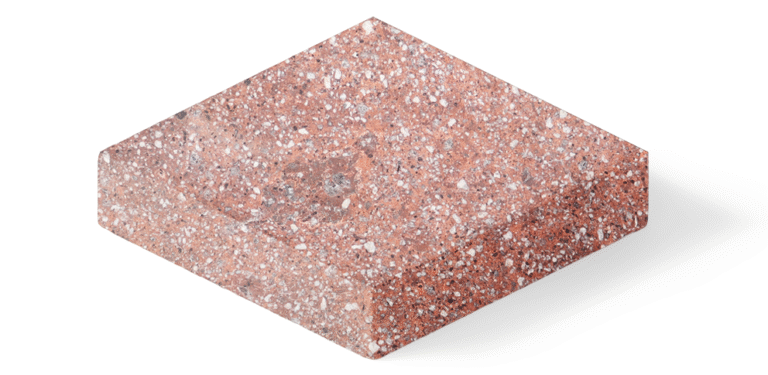
- Red Granite: Strong visual identity with rich mineral color.
- White Granite: Clean and bright appearance for contemporary projects.
Granite products are available in slabs, tiles, cut-to-size panels, paving units, and custom architectural elements. To explore all available materials, visit our All Products catalog.
Performance Notes and Technical Standards
Granite performance depends on mineral composition, density, and installation method. Its high mechanical strength and low porosity make it suitable for demanding environments including exterior architecture and heavy-use surfaces.
Many international construction projects refer to testing standards provided by
ASTM International
for evaluating stone durability, strength, and slip resistance.
Project specifications, installation methods, and environmental exposure should be considered for optimal performance.
Maintenance and Care Recommendations
Granite is relatively easy to maintain with proper care:
- Clean regularly using pH-neutral stone cleaners.
- Apply sealers when required depending on project conditions.
- Avoid aggressive chemical cleaners.
- Inspect joints and installation areas periodically.
For project-specific maintenance guidance, contact our technical team.
FAQ: Granite Stone Products
Is granite suitable for exterior use?
Yes, granite is highly resistant to weather, moisture, and temperature changes, making it ideal for exterior applications.
Why is granite considered very durable?
Granite has a dense crystalline structure formed under extreme pressure, giving it high mechanical strength and low water absorption.
Where is granite most commonly used?
Granite is widely used for flooring, cladding, stairs, paving, and architectural elements in both residential and commercial projects.
Request Samples, Pricing, and Production Details
Need granite stone for your project? Send your target dimensions, technical requirements, and quantities. Our team will recommend suitable stone options and production solutions.