
Share With
- Browse Categories
Limestone Natural Stone Products for Modern Architecture
Limestone is one of the most widely used natural building stones in architecture, valued for its natural appearance, workability, and reliable structural performance. Formed over millions of years through sedimentary processes, limestone offers a warm natural color palette, consistent texture, and excellent compatibility with architectural design.
On this page, you can explore our limestone stone products across multiple types, sizes, colors, and finishes—designed for architects, builders, and developers who seek natural beauty, durability, and efficient construction performance.
Menu
Categories
Surface Finishes
- All Limestone Product
What Is Limestone?
Limestone is a sedimentary natural stone primarily composed of calcium carbonate (CaCO₃), formed from marine organisms such as shells, coral, and skeletal fragments that accumulated and compacted over millions of years.
Unlike igneous stones such as granite, limestone forms through natural sediment deposition, creating a uniform internal structure with warm tones and soft natural texture. This geological formation gives limestone its distinctive appearance and makes it easier to process into architectural elements.
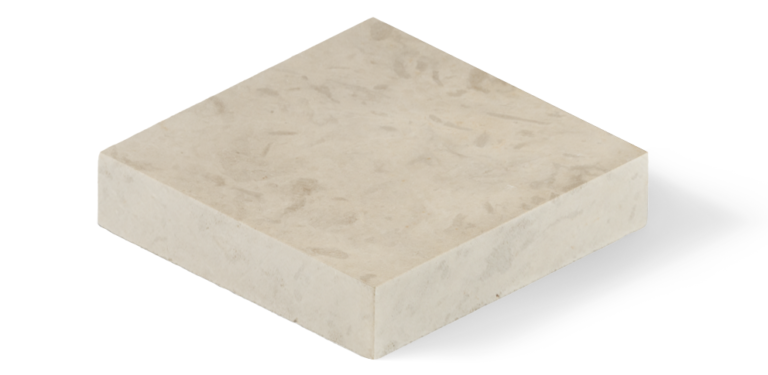
Limestone typically features light cream, beige, or grey tones with subtle natural variations, fossils, or mineral patterns depending on quarry origin.
For technical performance evaluation and international testing standards, many construction projects follow guidelines provided by
ASTM International.
How Limestone Is Formed (Geological Formation)
Limestone formation is a natural sedimentary process that occurs over long geological periods:
1) Marine Deposition
Organic materials such as shells, coral, and marine organisms accumulate on the seabed.
2) Compression and Lithification
Over time, pressure compacts the sediment layers, forming solid limestone rock.
3) Quarry Extraction
Large limestone blocks are extracted from quarries using controlled cutting methods to preserve structural quality.
4) Industrial Processing
Blocks are processed into slabs, tiles, and architectural elements through cutting, calibration, and surface finishing. For precision shaping, visit our CNC Stone Manufacturing page.
Key Advantages of Limestone Stone
Limestone is widely used in architecture due to its balanced performance and natural aesthetics:
- Natural Warm Appearance: Soft cream and beige tones create a timeless architectural look.
- Uniform Texture: Consistent structure suitable for large-scale projects.
- Good Workability: Easy cutting and shaping for architectural elements.
- Light Weight Compared to Granite: Efficient installation and reduced structural load.
- Good Thermal Performance: Suitable for exterior cladding applications.
- Versatile Finishing Options: Compatible with honed, brushed, sandblasted, bush-hammered, and split-face finishes.
- Cost-Effective Natural Material: Efficient solution for large construction projects.
These characteristics make limestone a preferred material for façade systems, architectural panels, and large building surfaces.
Most Common Applications of Limestone in Buildings
Limestone is widely used in modern and traditional construction due to its workability and natural appearance.
Building Facades and Exterior Cladding
Limestone is commonly used for façade panels due to its uniform color and architectural consistency. See our Exterior Wall Solutions.
Interior Wall Cladding
Its natural texture and warm tone make limestone ideal for interior architectural surfaces and feature walls.
Flooring and Architectural Elements
Limestone is used for flooring, steps, and decorative components in residential and commercial buildings. Explore our Steps & Risers.
Urban and Commercial Projects
Public buildings, commercial developments, and residential complexes frequently use limestone due to its aesthetic consistency.
Restoration and Classical Architecture
Limestone has been widely used in historic architecture and restoration projects due to its traditional appearance.
Limestone Product Categories and Variations
Our limestone collection includes multiple high-quality materials from different quarries:
- Gohare Limestone: Light cream limestone with uniform structure, high density, and excellent frost resistance for façade applications.
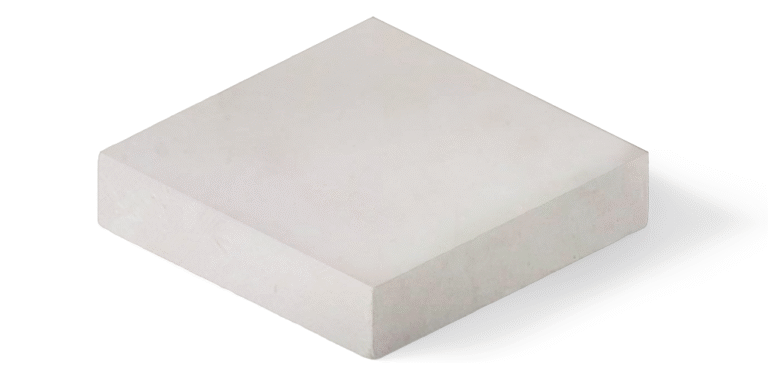
- Islamabad Limestone: Clean and consistent texture with soft color tone, widely used in architectural and interior applications.
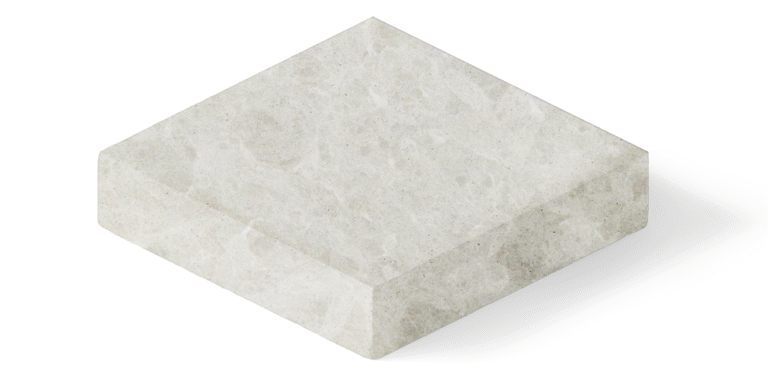
- Vanak Limestone: Dense limestone with elegant natural appearance suitable for premium architectural projects.
Limestone products are available in slabs, tiles, cut-to-size panels, façade elements, and custom architectural components. To explore all available materials, visit our All Products catalog.
Performance Notes and Technical Standards
Limestone performance depends on density, absorption rate, and installation conditions. Proper stone selection and finishing method should be determined based on project environment and climate exposure.
Many international projects refer to technical testing standards provided by
ASTM International
for evaluating strength, durability, and water absorption.
Installation detailing, anchoring methods, and environmental conditions should be considered for optimal long-term performance.
Maintenance and Care Recommendations
Limestone surfaces require proper care to maintain appearance and performance:
- Clean regularly using pH-neutral cleaners.
- Apply sealers when required depending on exposure conditions.
- Avoid acidic cleaners that may damage calcium-based stone.
- Inspect installation areas periodically.
For project-specific maintenance guidance, contact our technical team.
FAQ: Limestone Stone Products
Is limestone suitable for exterior use?
Yes, limestone is widely used for exterior cladding when proper finishing and installation methods are applied.
What makes limestone different from granite?
Limestone is a sedimentary stone with softer structure and warmer appearance, while granite is an igneous stone with higher hardness and density.
Where is limestone most commonly used?
Limestone is commonly used for façade cladding, interior walls, architectural panels, and building elements.
Request Samples, Pricing, and Production Details
Need limestone for your project? Send your target dimensions, technical requirements, and quantities. Our team will recommend suitable materials and production solutions.