
Share With
- Browse Categories
Marble Natural Stone Products for Modern Architecture
Marble is one of the most iconic natural stones in architecture, valued for its elegant veining, refined surface quality, and timeless visual depth. Formed through metamorphic transformation under heat and pressure, marble delivers a premium aesthetic while remaining highly versatile for interior and selected exterior applications. On this page, you can explore our marble stone products across multiple types, colors, sizes, and finishes—designed for architects, designers, and developers who seek luxury appearance, precision fabrication, and reliable project performance.
Menu
Categories
Surface Finishes
- All Marble Product
What Is Marble?
Marble is a metamorphic natural stone primarily formed when limestone or dolomite is subjected to intense heat and pressure deep within the Earth’s crust. During this transformation, the original carbonate minerals recrystallize, creating a denser and more crystalline structure. This process also produces marble’s signature visual character—natural veining, cloud-like movement, and mineral patterns that vary by quarry origin.
Compared with sedimentary stones, marble typically offers a more refined crystalline appearance and higher visual depth, making it a preferred material for luxury interiors, wall cladding, and architectural detailing. Depending on composition and quarry, marble can range from pure white to grey, black, beige, pink, and complex multi-tone patterns.
For technical performance evaluation and international testing standards, many construction projects follow guidelines provided by
ASTM International.
How Marble Is Formed (Geological Formation)
Marble formation is a natural metamorphic process that occurs over long geological periods:
1) Carbonate Rock Origin
The process begins with limestone or dolomite deposits formed by sedimentation in marine environments.
2) Metamorphism (Heat and Pressure)
Over millions of years, tectonic forces push these carbonate rocks deeper into the Earth where heat and pressure cause recrystallization, transforming them into marble.
3) Quarry Extraction
Large marble blocks are extracted from quarries using controlled cutting methods to preserve block integrity, vein direction, and quality consistency.
4) Industrial Processing
Extracted blocks are processed into slabs, tiles, and architectural elements through cutting, calibration, and surface finishing. For precision shaping, visit our CNC Stone Manufacturing page.
Key Advantages of Marble Stone
Marble is widely selected for architectural projects because of its premium appearance and fabrication flexibility:
- Luxury Visual Identity: Natural veining and crystalline depth create high-end architectural surfaces.
- Wide Finish Compatibility: Works exceptionally well in polished, honed, brushed, sandblasted (selected), and custom textures.
- Excellent Workability: Suitable for precise cutting, profiling, CNC detailing, and custom architectural elements.
- Timeless Design Value: Used for centuries in classic and modern architecture.
- Wide Color Range: Available in white, grey, beige, pink, and dark architectural tones.
- Premium Interior Performance: Ideal for controlled indoor environments with long-term aesthetics.
Marble is typically used where visual quality, detail, and material elegance are the main priorities.
Most Common Applications of Marble in Buildings
Marble is primarily used in architectural spaces where design, refinement, and premium appearance are required.
Interior Wall Cladding and Feature Walls
Marble is widely used for interior wall cladding, lobbies, reception walls, and feature surfaces where its veining and depth create strong visual impact. Explore our Interior Wall Solutions.
Flooring in Luxury Residential and Commercial Areas
Marble flooring is used in luxury homes, hotel lobbies, showrooms, and premium corridors where architectural elegance is prioritized.
Bathrooms, Vanity Tops, and Wash Areas
Marble is commonly specified for vanity tops and bathroom walls. Proper sealing and correct cleaning products are essential for long-term performance in wet areas.
Stairs, Steps, and Architectural Details
Marble is used in staircases, steps, skirting, and decorative elements. For matching formats, see our Steps & Risers options.
Custom Architectural Elements and CNC Projects
Columns, moldings, wall frames, and custom profiles are frequently produced in marble due to its workability and premium surface quality.
Marble Product Categories and Variations
Our marble collection includes multiple materials suitable for different architectural styles and project needs:
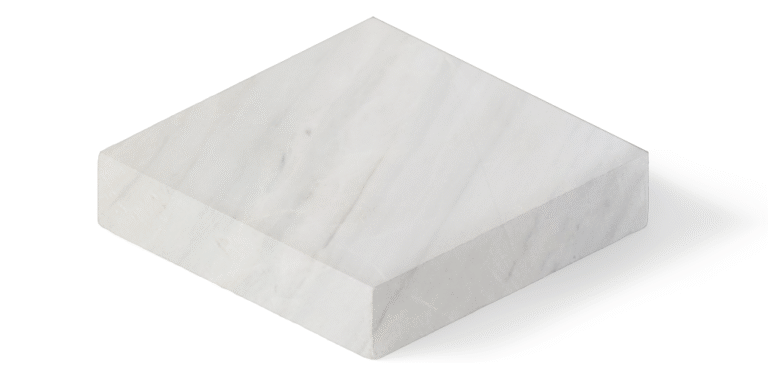
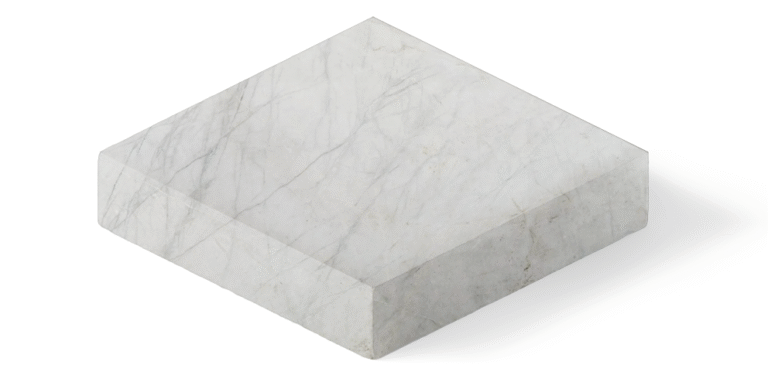
- Azna Marble: Bright and elegant marble, widely used for luxury interior spaces and clean architectural surfaces.
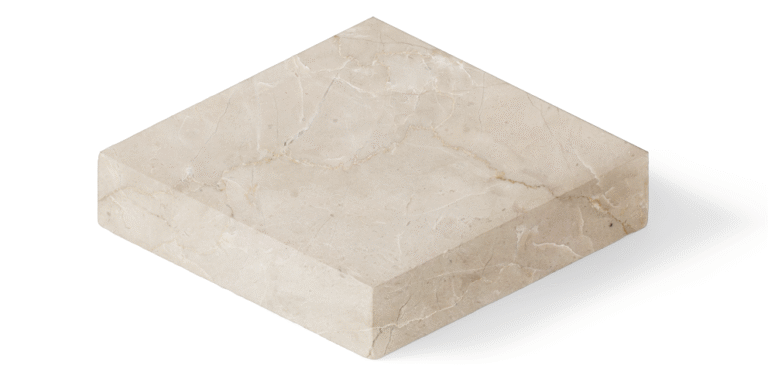
- Dehbid Botticino Marble: Warm beige tone marble with classic character, suitable for refined interiors and premium projects.
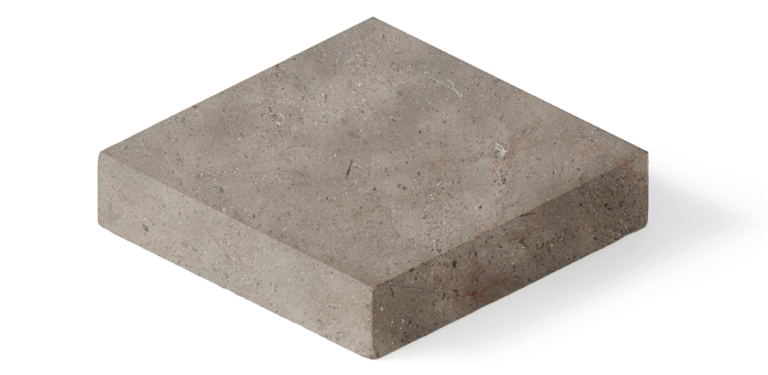
- Grey Marble: Neutral grey tones for modern architecture, widely used for large floors, walls, and minimal design concepts.
- Neyriz Marble: Durable marble with natural pattern movement, suitable for architectural cladding and interior surfaces.
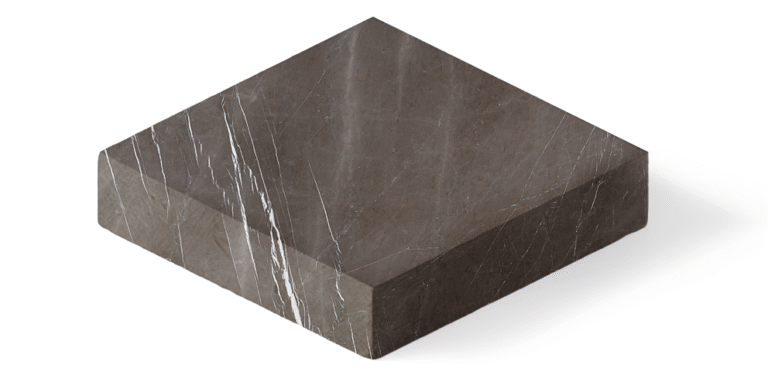
- Pietra Grey Marble: Dark grey marble with elegant white veining, highly popular for modern luxury interiors.
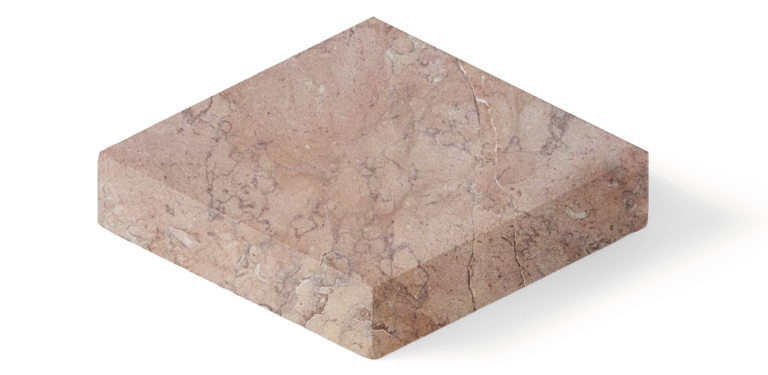
- Pink Marble: Distinctive warm tone for decorative projects, feature walls, and high-identity interior design.
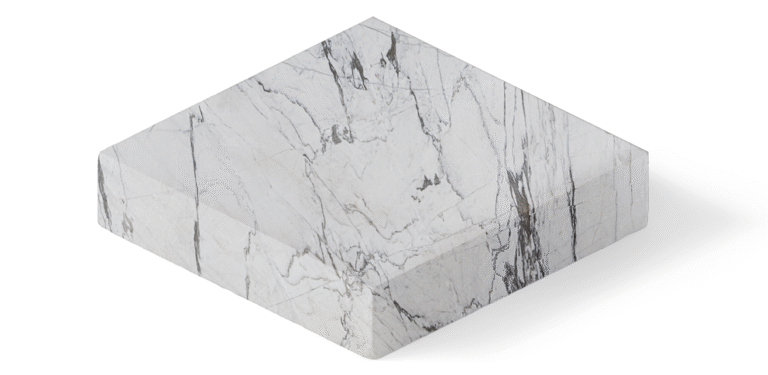
- Scato Marble: Character-rich marble with strong natural movement, ideal for statement surfaces and premium architectural compositions.
Marble products are available in slabs, tiles, cut-to-size panels, vanity tops, steps & risers, and custom architectural elements. To explore all available materials, visit our All Products catalog.
Performance Notes and Technical Standards
Marble performance depends on mineral composition, density, absorption rate, and project environment. Marble is generally best suited for interior applications and controlled environments. For exterior use, project conditions and stone selection must be evaluated carefully, especially regarding freeze-thaw exposure, pollution, and maintenance.
Many international projects refer to technical testing standards provided by
ASTM International
for evaluating strength, absorption, and durability.
Project specifications, installation methods, and maintenance expectations should guide final selection.
Maintenance and Care Recommendations
Marble requires correct care to preserve its appearance, especially in high-visibility areas:
- Clean regularly using pH-neutral cleaners designed for natural stone.
- Avoid acidic cleaners (common bathroom acids) that may etch carbonate stone.
- Apply sealers when required based on absorption and application conditions.
- Use protective pads and avoid abrasive tools on polished surfaces.
For project-specific maintenance guidance and sealing recommendations, contact our technical team.
FAQ: Marble Stone Products
Is marble suitable for exterior use?
Marble can be used outdoors in certain climates and applications, but stone selection, finish choice, and installation detailing are critical. Many projects prefer marble primarily for interior use.
What makes marble different from limestone?
Marble is a metamorphic stone formed from limestone under heat and pressure, resulting in a crystalline structure and often more refined veining. Limestone is sedimentary and generally has a softer, more uniform texture.
Where is marble most commonly used?
Marble is most commonly used for interior wall cladding, luxury floors, bathrooms, vanity tops, and premium architectural elements.
Request Samples, Pricing, and Production Details
Need marble for your project? Send your target dimensions, finish type, thickness, and quantities. Our team will recommend suitable marble options and production solutions.