
Share With
- Browse Categories
Travertine Natural Stone Products for Modern Architecture
Travertine is one of the most popular natural stones in architectural design, valued for its warm color range, natural porosity, and timeless character. Formed around mineral springs and limestone-rich waters, travertine develops distinctive natural voids and layered movement that make it instantly recognizable in both classic and modern projects. On this page, you can explore our travertine stone products across multiple colors, sizes, and finishes—designed for architects, builders, and developers who seek natural beauty, reliable performance, and versatile applications for facades and interiors.
Menu
Categories
Surface Finishes
- All Travertine Product
What Is Travertine Stone?
Travertine is a natural sedimentary stone and a variety of limestone, formed when calcium carbonate precipitates from mineral-rich water—typically around hot springs, waterfalls, and limestone caves. As these minerals deposit over time, they create layered stone structures with natural pores and cavities, which are part of travertine’s signature texture and visual identity.
Because of its formation, travertine often shows linear movement, soft clouding, and naturally occurring holes. These voids can be left open for a more natural look or filled with resin/cement depending on design preference, application, and finishing method.
Travertine is widely selected for architecture because it offers a warm, natural palette and strong compatibility with multiple finishes such as honed, brushed, sandblasted, tumbled, and filled-and-polished options.
For technical performance evaluation and international testing standards, many construction projects follow guidelines provided by
ASTM International.
How Travertine Is Formed (Geological Formation)
Travertine formation is a natural process linked to mineral water activity and carbonate deposition:
1) Mineral-Rich Water Flow
Water rich in calcium carbonate flows through limestone areas, springs, or geothermal sources.
2) Carbonate Precipitation and Layering
As the water loses carbon dioxide, calcium carbonate precipitates and deposits in layers, gradually forming solid stone.
3) Natural Porosity Development
Gas release and organic traces during deposition create natural pores and cavities, giving travertine its characteristic structure.
4) Quarry Extraction and Industrial Processing
Travertine blocks are extracted and processed into slabs, tiles, and architectural elements through cutting, calibration, filling (optional), and surface finishing. For precision fabrication and custom shaping, visit our CNC Stone Manufacturing page.
Key Advantages of Travertine Stone
Travertine is widely used in construction because it balances natural beauty with practical architectural performance:
- Timeless Warm Appearance: Natural beige, cream, silver, and earthy tones suit both classic and modern design.
- Distinctive Natural Texture: Characteristic pores and layered movement create strong architectural identity.
- Versatile Finishing Options: Works well in honed, brushed, sandblasted, tumbled, filled, and polished variations.
- Good Workability: Suitable for cut-to-size panels, cladding systems, and architectural elements.
- Facade-Friendly Material: Widely used for exterior cladding due to its natural aesthetics and stable performance when properly selected.
- Comfortable Surface Feel: Matte and textured finishes provide a pleasant tactile experience in interior spaces.
- Project Flexibility: Available in multiple colors and formats for different building styles and budgets.
Travertine is often selected for facades, wall cladding, and architectural surfaces where natural warmth and design continuity are required.
Most Common Applications of Travertine in Buildings
Travertine is widely used in modern architecture due to its natural appearance and broad application range.
Exterior Facades and Wall Cladding
Travertine is one of the most common stones for façade cladding thanks to its warm tones and architectural consistency. See our Exterior Wall Solutions.
Interior Wall Cladding and Feature Walls
Travertine creates calm and natural interiors with soft movement and warm texture, suitable for lobbies, living spaces, and reception areas. Explore our Interior Wall Solutions.
Flooring in Residential and Commercial Areas
Honed or brushed travertine is used for interior floors where a natural, non-glossy look is preferred. For circulation formats, see Steps & Risers.
Bathrooms and Wash Areas
Travertine is popular for bathroom walls, vanity areas, and spa-style interiors. Sealing and proper care are essential due to natural porosity.
Architectural Details and Custom Elements
Travertine can be produced as window surrounds, cornices, moldings, and custom architectural pieces using CNC or profiling.
Travertine Color Variations and Product Categories
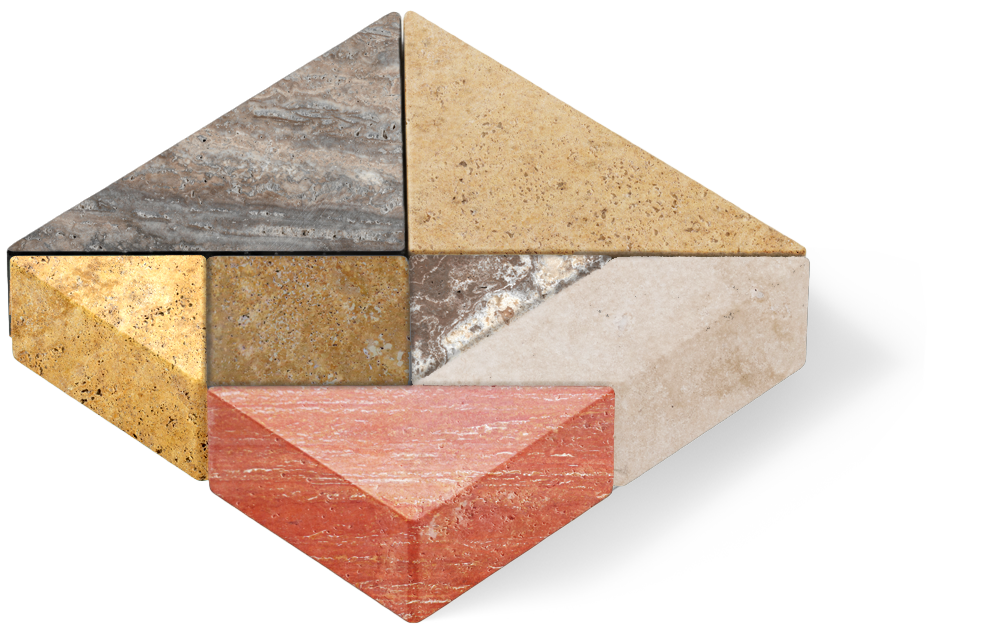
Our travertine product range includes multiple natural color options and formats suitable for different architectural styles:
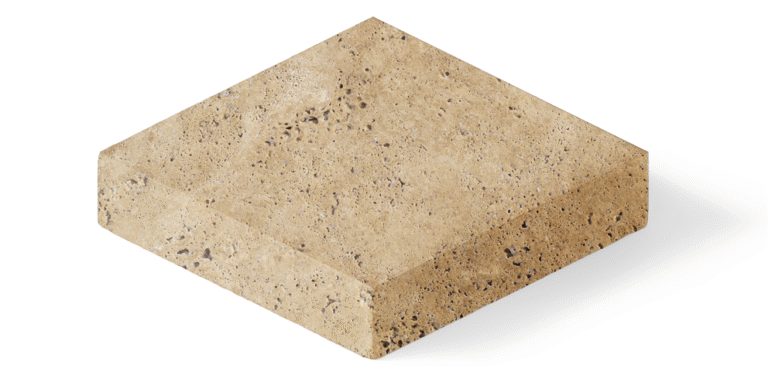
- Beige Travertine: Warm neutral tone suitable for facades, walls, and classic architectural surfaces.
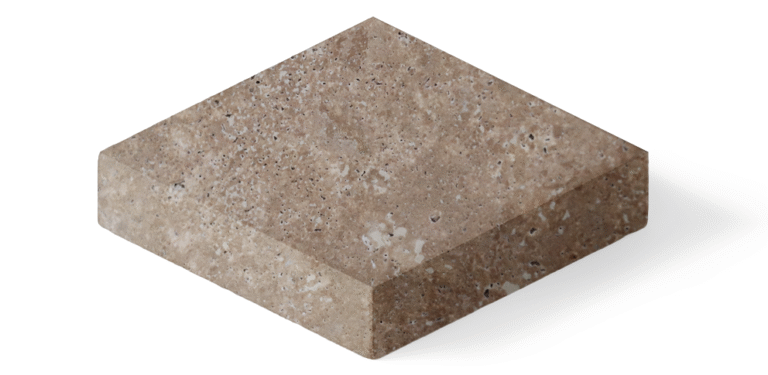
- Brown Travertine: Deeper earthy tones for strong architectural identity and natural design concepts.
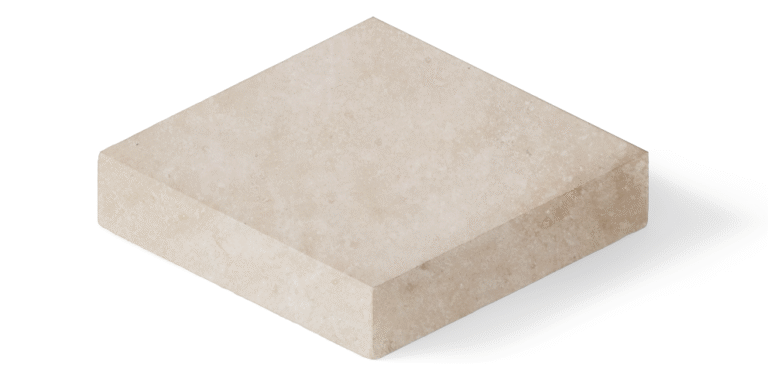
- Cream Travertine: Light warm appearance widely used in modern facades and interior wall cladding.
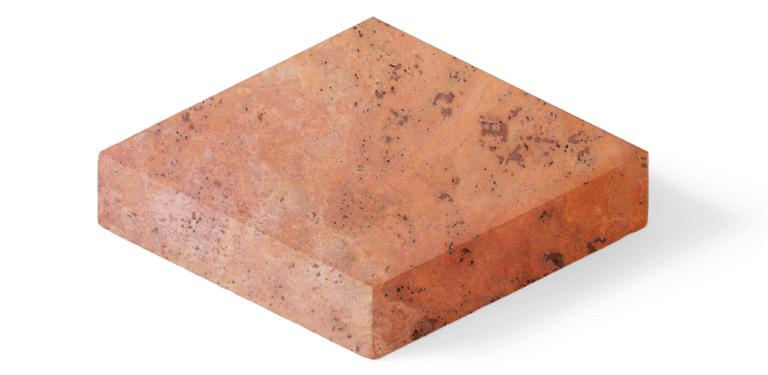
- Red Travertine: Distinctive warm-red tone for feature walls and decorative architectural applications.
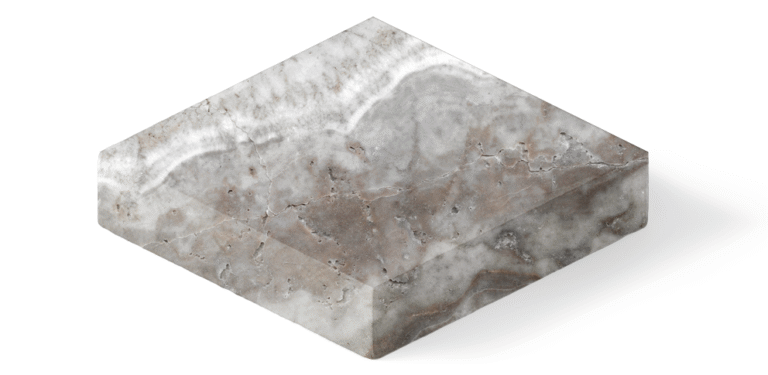
- Silver Travertine: Grey-silver layered movement ideal for contemporary architecture and modern facades.
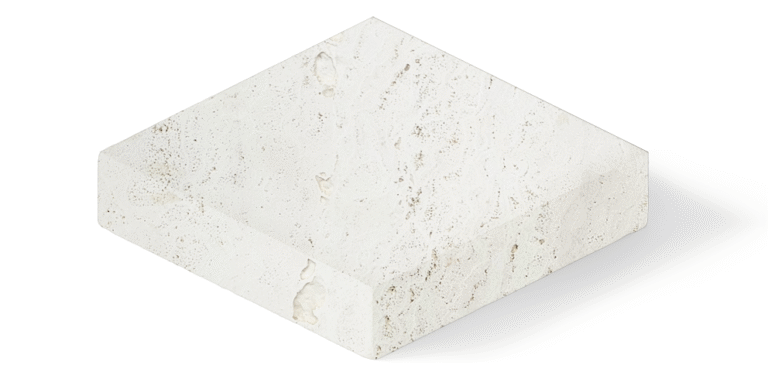
- White Travertine: Clean and bright tone for minimal design concepts and premium interiors.
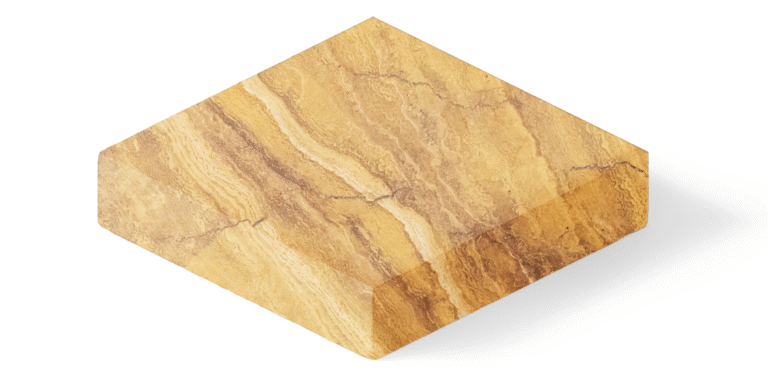
- Yellow Travertine: Golden warm tone suitable for classic facades and warm architectural palettes.
Travertine products are available in slabs, tiles, cut-to-size panels, façade elements, steps & risers, and custom architectural components. To explore all available materials, visit our All Products catalog.
Performance Notes and Technical Standards
Travertine performance depends on density, porosity, filling method (filled/unfilled), thickness, and installation conditions. Proper stone selection and finishing method should be determined based on project environment, climate exposure, and maintenance expectations.
Many international projects refer to technical testing standards provided by
ASTM International
for evaluating strength, durability, and absorption.
Installation detailing, anchoring methods, and sealing strategy should be considered for optimal long-term performance—especially in exterior applications.
Maintenance and Care Recommendations
Travertine requires routine care adapted to its natural porosity:
- Clean regularly using pH-neutral cleaners designed for natural stone.
- Apply sealers when required, especially for wet areas and exterior applications.
- Avoid acidic cleaners that may etch carbonate stone and damage surface finish.
- For textured surfaces, periodic washing may be needed to remove dust from pores.
For project-specific care guidance and sealing recommendations, contact our technical team.
FAQ: Travertine Stone Products
Is travertine suitable for exterior facades?
Yes, travertine is widely used for facades. Correct selection, thickness, finishing choice, and installation detailing are essential for long-term performance.
Should travertine holes be filled?
It depends on the application and design preference. Filled travertine is commonly used for smoother surfaces (floors, wall panels), while unfilled travertine can be selected for a more natural, rustic look.
Where is travertine most commonly used?
Travertine is widely used for exterior facades, interior wall cladding, flooring, bathrooms, and architectural elements in both residential and commercial projects.
Request Samples, Pricing, and Production Details
Need travertine stone for your project? Send your target dimensions, finish type, thickness, and quantities. Our team will recommend suitable travertine options and production solutions.
Contact Us for Travertine Products
Browse All Stone Products