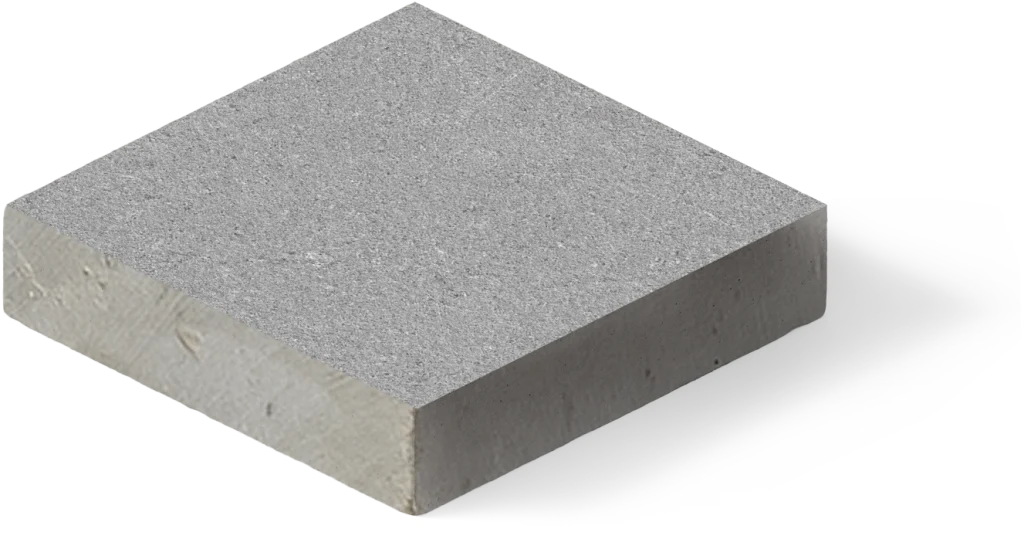
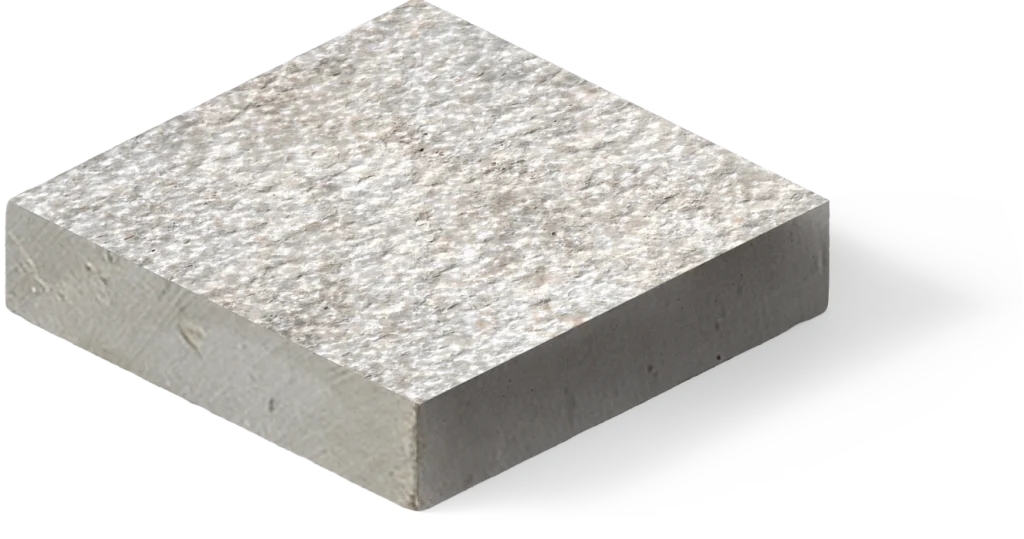
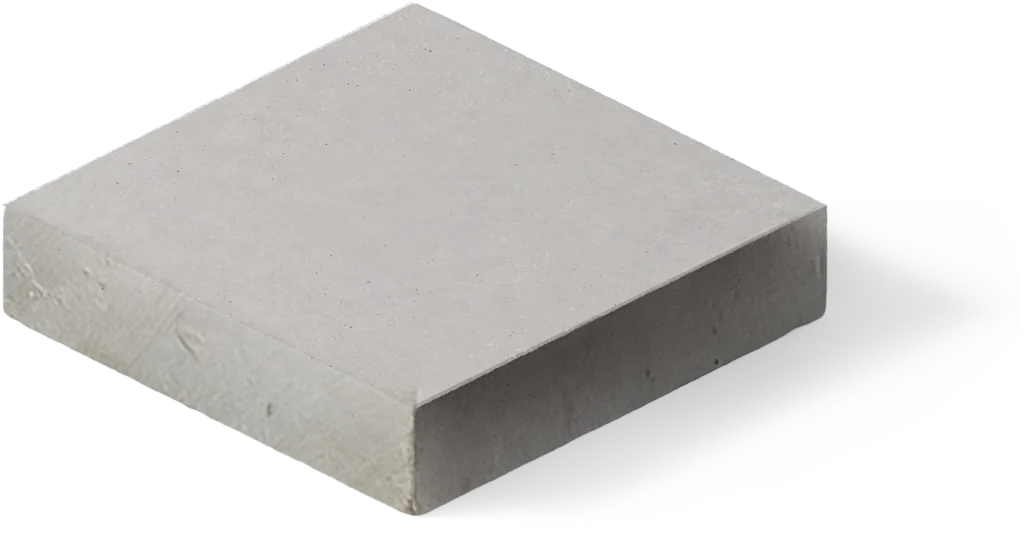
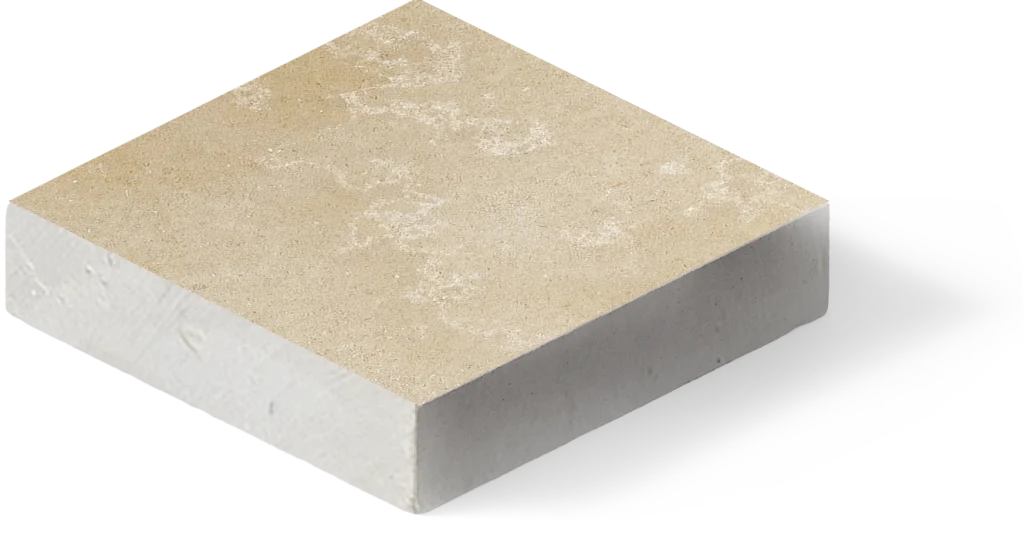
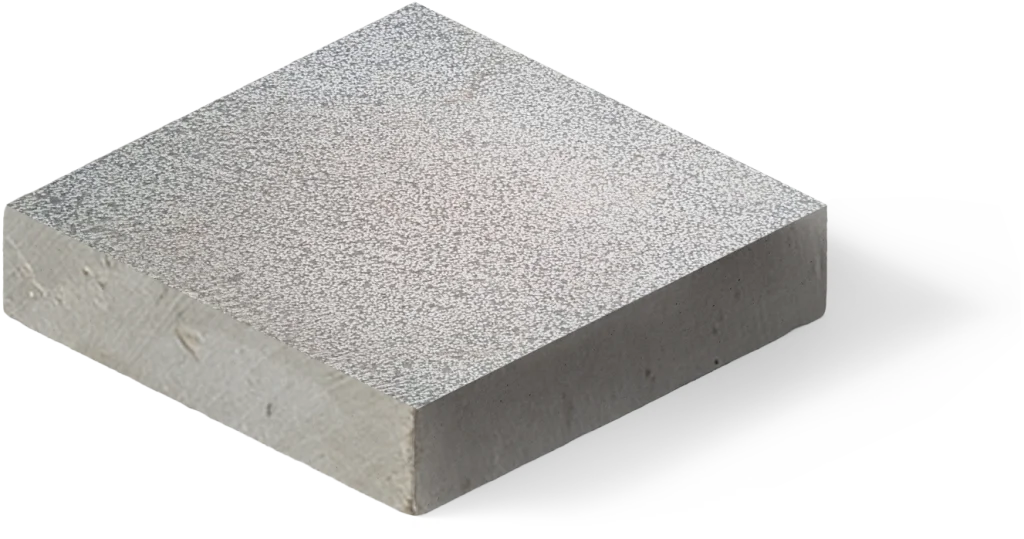
Sandblasting is a surface treatment widely used in architectural Stone Products to create non-slip textures and reduce the risk of slipping. At karimi stone, achieving a high-quality sandblasted finish starts with preparing the stone to a honed or semi-honed surface before sandblasting. This preparation ensures a clean, even, and controlled final texture.
Sandblasting can be carried out either manually or by machine; however, machine-based processing delivers far more uniform and consistent results. In professional Stone Products manufacturing at karimi stone, the process is performed by projecting silica grains or iron filings onto the stone surface under high pressure, creating a durable and evenly textured finish.
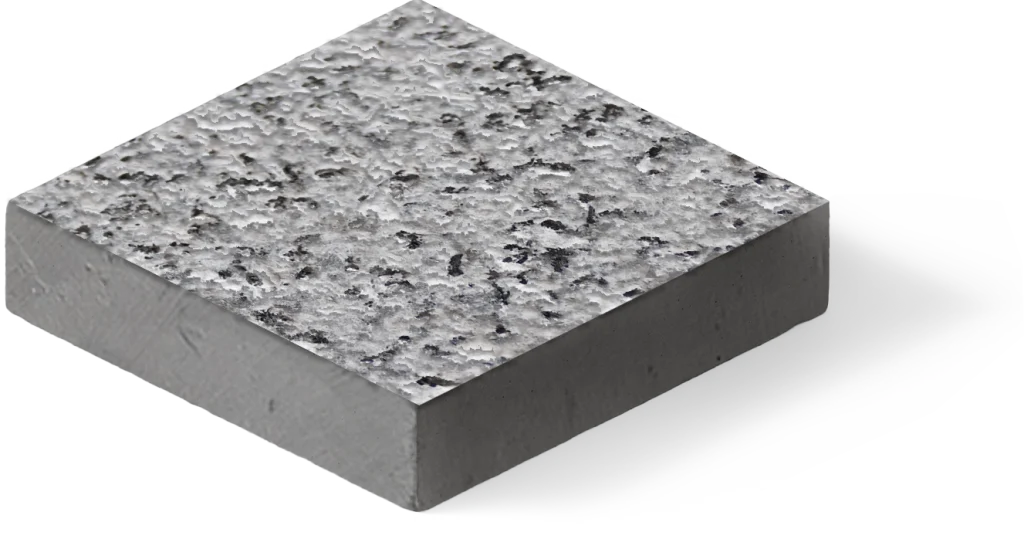
The flamed finish is a surface treatment in which a smooth stone surface is exposed to high-intensity flame. This rapid heating followed by sudden cooling causes the surface minerals to expand, burst, and flake, creating a rough and textured surface commonly used in architectural Stone Products. At karimi stone, this process is carefully controlled to achieve consistent texture and long-term performance.
This treatment is typically applied to strong and dense stones such as granite and hard marble. Flamed Stone Products from karimi stone are mainly used in outdoor applications, where the rough surface provides excellent slip resistance along with a natural, rugged appearance suited to exterior environments.
The Hand-hammered finish is a traditional stone surface treatment primarily practiced in Iran and performed entirely by hand. This technique is rarely found in other countries, where mechanical methods are typically used to achieve a similar texture known internationally as the bush-hammered finish. In artisanal Stone Products crafted by karimi stone, this traditional method preserves the authenticity and character of the stone.
During the Hand-hammered process, skilled craftsmen use specialized hammers with various head types to create fine, coarse, or uniform surface patterns. Because the work is done manually, this finish gives Stone Products from karimi stone a distinctive artistic quality and a natural appearance, making it one of the defining expressions of Iran’s stone craftsmanship.
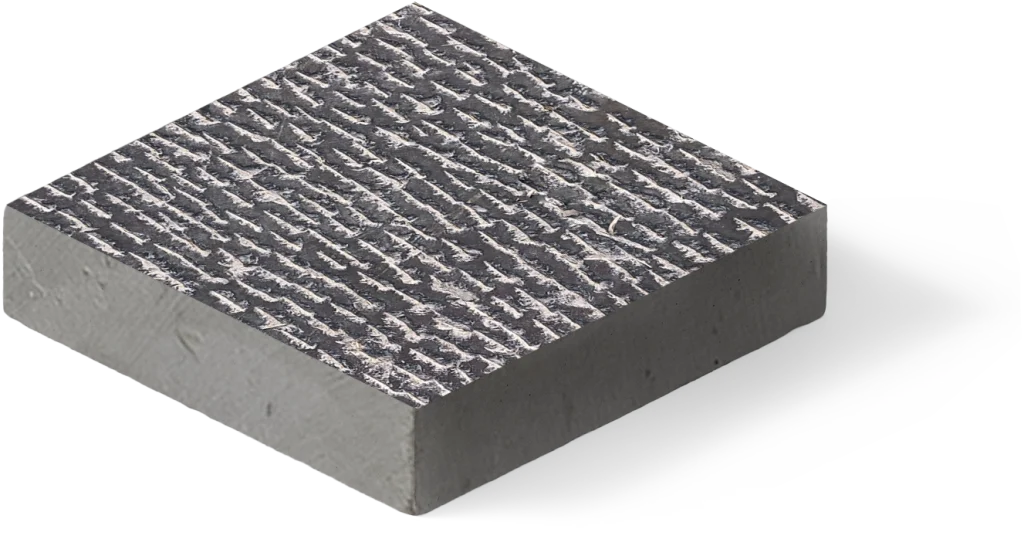
Bush-hammering is a surface treatment that creates a rougher texture than sandblasting, commonly used in high-performance Stone Products. In this process, the stone surface is mechanically chipped using specialized bush-hammer heads, resulting in an uneven, highly anti-slip texture. At karimi stone, this finish is carefully applied to ensure durability and consistent surface quality.
Bush-hammered Stone Products from karimi stone are especially suitable for outdoor applications such as yards, pavements, and areas exposed to rain or snow, where enhanced slip resistance and long-term performance are essential.
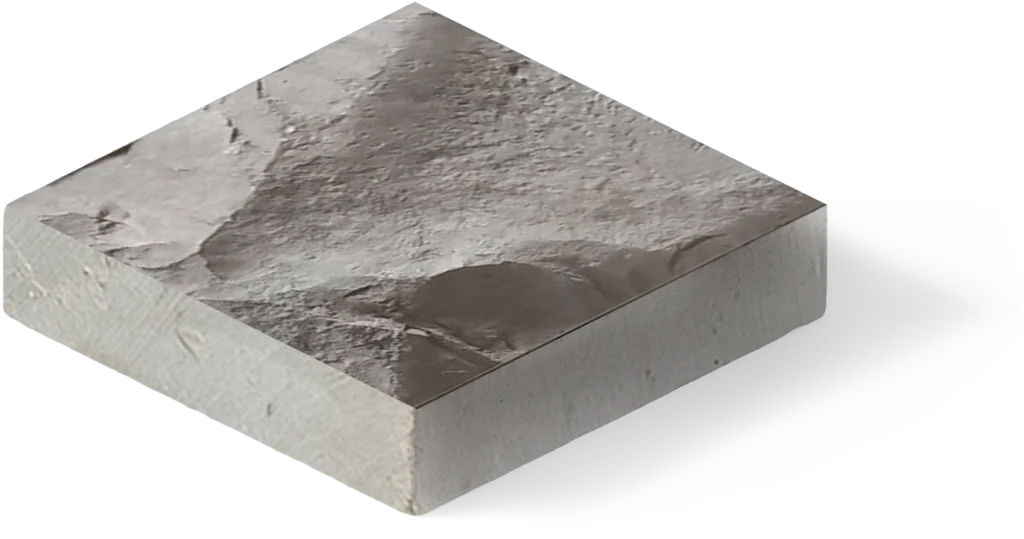
The term split means “separated.” In the split-face process, a stone block is divided into two parts by applying mechanical pressure with blades from both the top and bottom. The stone breaks naturally along its internal structure, creating a rough and uneven surface widely used in architectural Stone Products. At karimi stone, this process is carefully controlled to preserve the stone’s natural character.
This surface treatment is also known as chiseled or, in older terminology, hand-split. Split-face Stone Products from karimi stone offer a natural, rustic appearance and are commonly used for exterior applications such as garden walls, villas, and decorative outdoor façades.
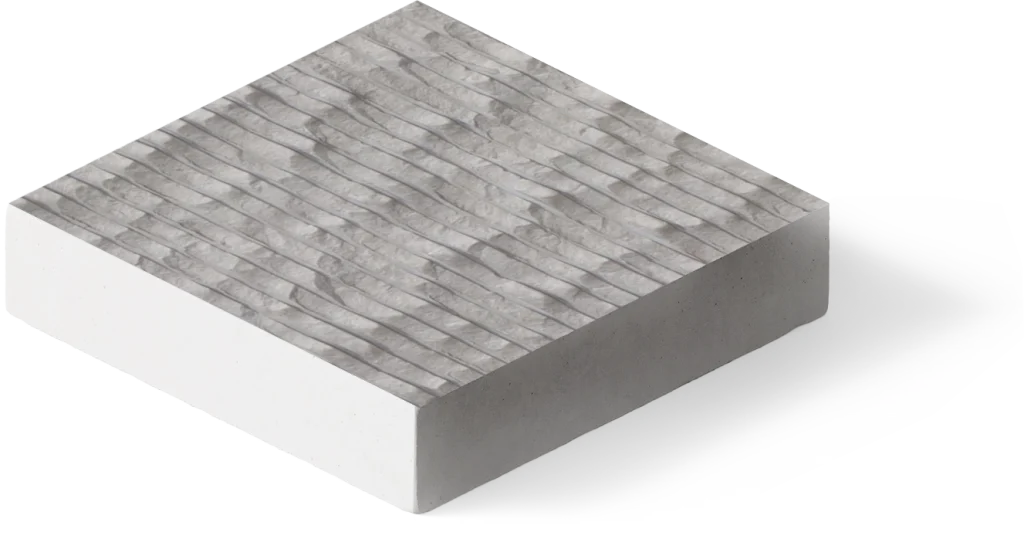
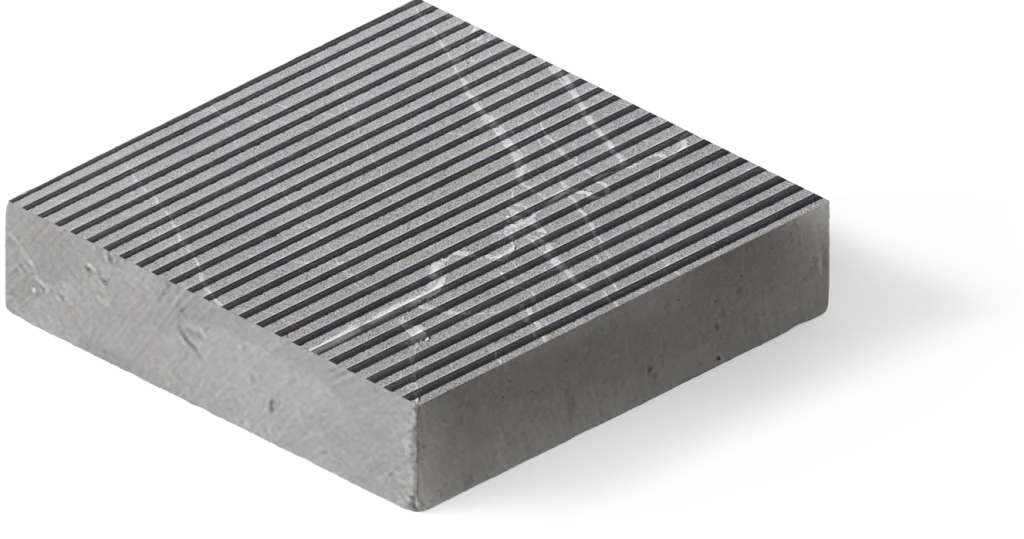
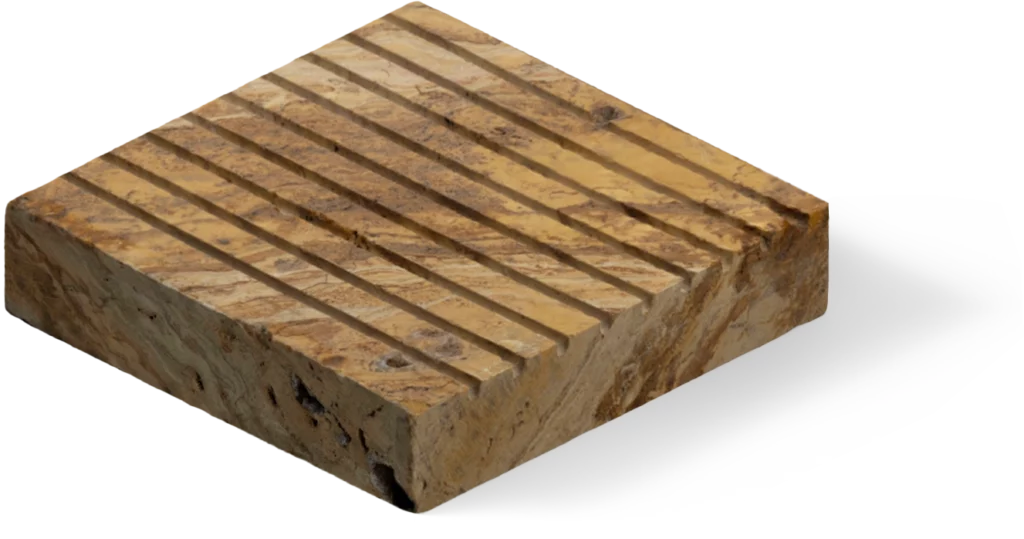
A grooved finish is an additional or secondary surface treatment that can be applied to various types of stone and base finishes in architectural Stone Products. In this process, precision cutting blades create parallel grooves on the stone surface with controlled spacing, width, and depth. At karimi stone, grooving is executed with accuracy to meet both technical and design requirements.
This type of finish is mainly used for decorative and design-focused Stone Products, enhancing visual appeal while also adding functional surface characteristics to the stone.
In the scratch finish, parallel and uniform lines are engraved onto the stone surface, creating a modern textured appearance while increasing surface friction in architectural Stone Products. At karimi stone, this finish is applied with controlled precision to ensure consistency across the surface.
When light or dark stones receive fine scratch lines, they appear more matte, while gray stones typically become slightly lighter in tone. As the scratch lines become wider and more spaced, the level of visible color change in the Stone Products decreases.
From a technical standpoint, scratch-finished Stone Products from karimi stone are suitable for both interior and exterior wall cladding applications.
In the cut-broken process, the stone surface is first grooved and then the grooved edges are broken either manually or mechanically. This method creates irregular and natural edges that add character to architectural Stone Products. At karimi stone, this process is carefully controlled to maintain consistency while preserving a natural look.
The resulting cut-broken Stone Products from karimi stone feature a decorative, rustic appearance, making them well suited for façade applications and design-oriented architectural projects.
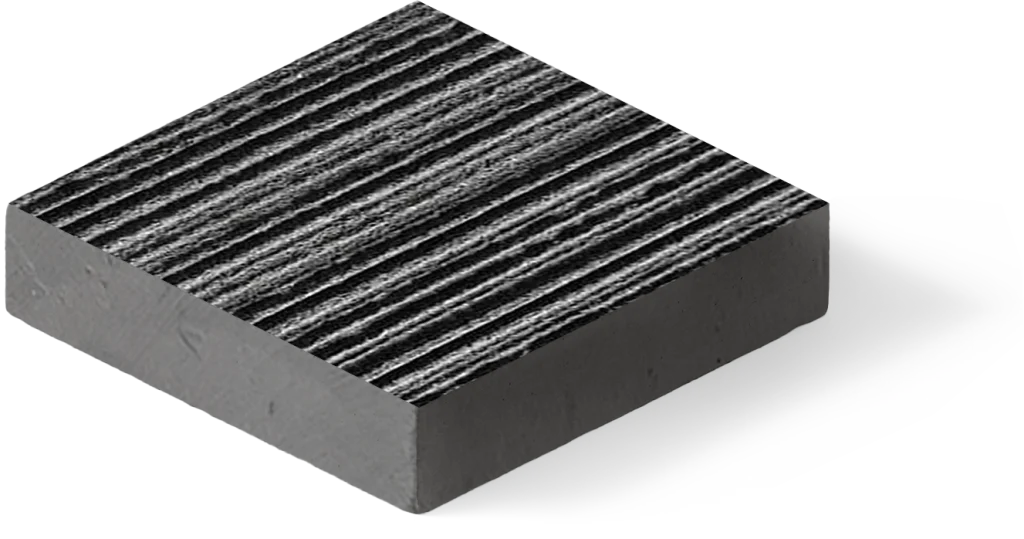
In stone finishing, the term leathered refers to a slightly uneven yet soft surface texture that resembles natural leather, commonly used in high-end Stone Products. At karimi stone, this finish is produced using controlled factory processes that enhance both texture and visual depth.
To achieve a leathered finish, wire brushes are used instead of hard polishing abrasives. These brushes penetrate weaker areas and microscopic pores of the stone surface, gently deepening them while polishing the veins and edges at the same time. The result is Stone Products from karimi stone with a textured, irregular surface that maintains a naturally soft and refined feel.
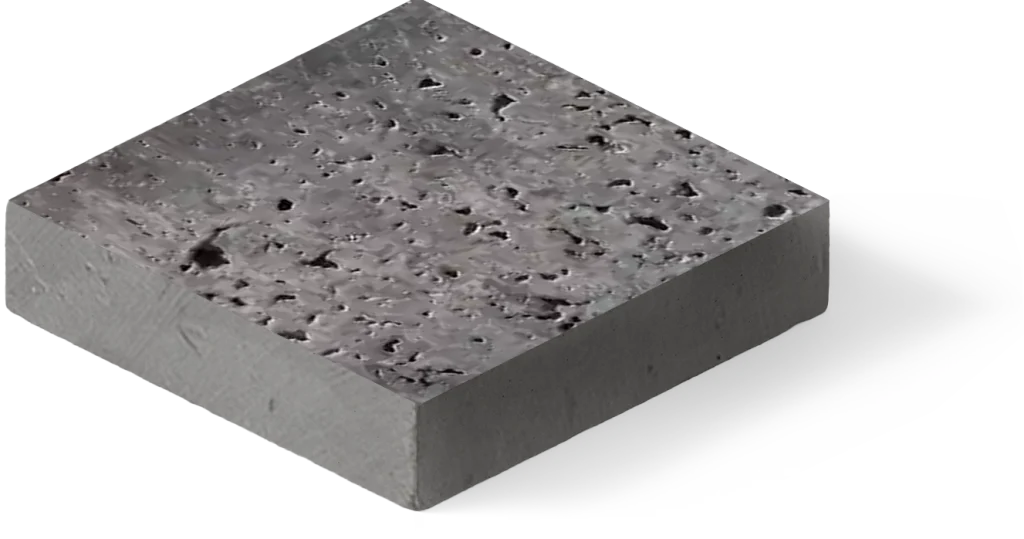
The acid-wash finish is a secondary surface treatment in which acid is applied to the stone surface, creating a distinctive etched and slightly rough texture in architectural Stone Products. At karimi stone, this process is carefully controlled to achieve consistent results while preserving the stone’s natural character.
Typically, a honed stone is selected for acid washing to introduce a subtly coarse and natural surface feel. The acid reacts differently with the various minerals within the stone, resulting in uneven etching across the surface. After the process, Stone Products from karimi stone become rougher and slightly irregular, making this finish particularly suitable for outdoor applications where improved slip resistance is required.
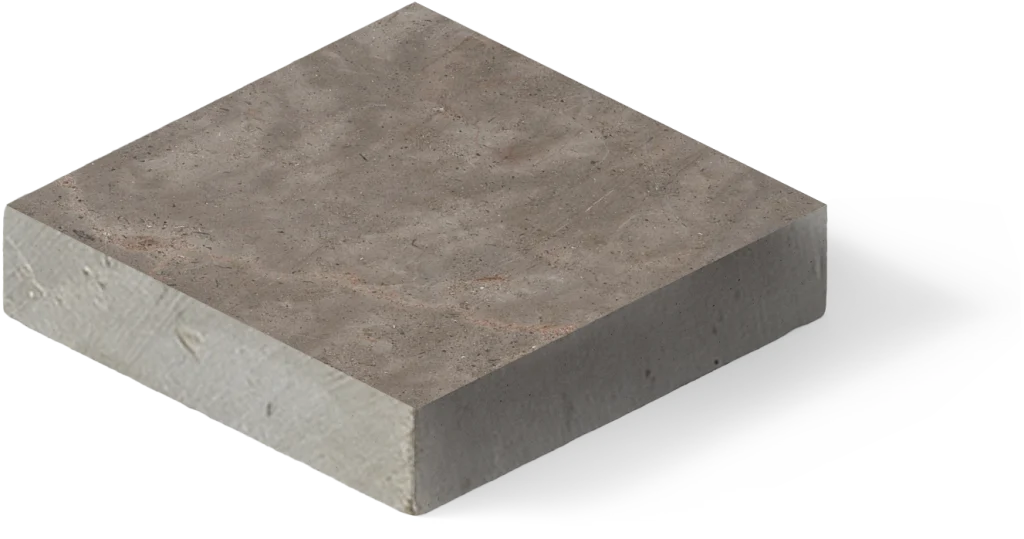
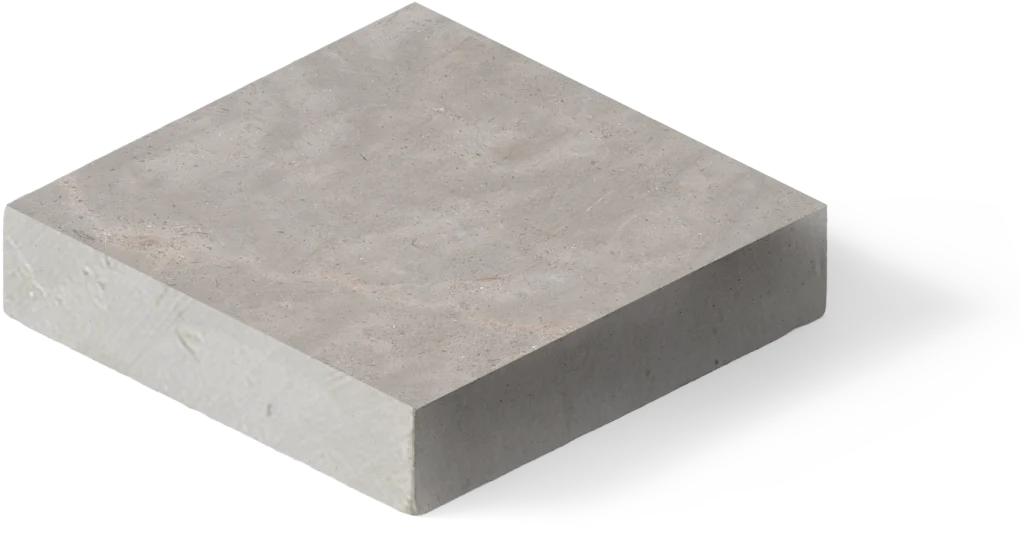
The honed surface is a stone finish in which the material is fully smoothened by polishing machines but remains matte, with no light reflection or gloss, making it a popular choice for architectural Stone Products. At karimi stone, this finish is produced with precise control to ensure uniform smoothness across the surface.
During the honing process, the same initial polishing heads used for polished stones are applied; however, the final gloss-producing heads are replaced with specialized honing abrasives. As a result, Stone Products from karimi stone achieve a smooth yet non-reflective surface. Essentially, the only difference between honed and polished finishes is the absence of shine in the honed surface.
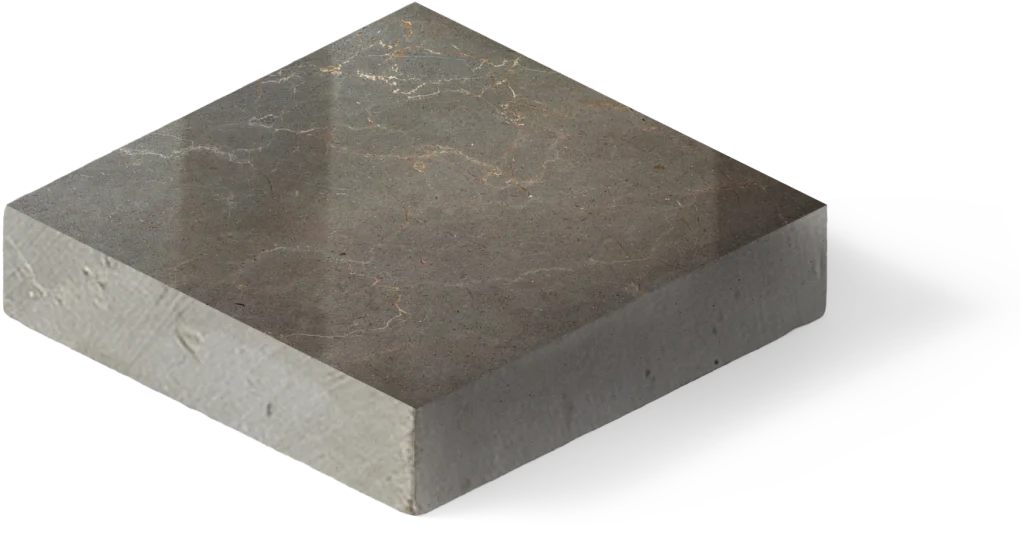
In the polished finish, after the stone is calibrated, it enters the polishing line where the surface is processed using a minimum of eight and up to fourteen polishing heads. This method is widely applied in high-quality architectural Stone Products. At karimi stone, polishing parameters are carefully controlled to achieve consistent surface clarity and gloss.
The initial polishing heads remove calibration scratches and level the stone surface. Subsequent heads carry out pre-polishing and full polishing stages, while the final heads are dedicated to acid treatment and final gloss enhancement. The higher the number of polishing heads, the faster the processing speed and the higher the surface quality of the polished Stone Products produced by karimi stone.
Polished Stone Products from karimi stone are commonly used in building interiors, including floors, lobby walls, and other interior architectural areas where visual clarity and reflectivity are desired.
As the name suggests, raw stone refers to stone with no applied surface treatment and is supplied exactly as it is cut, retaining natural saw marks on the surface. This finish is commonly used in specific architectural Stone Products where a natural and unfinished appearance is desired. At karimi stone, raw stone is produced with precise cutting to ensure dimensional accuracy.
For improved usability, raw Stone Products from karimi stone are typically calibrated and, if required, lightly smoothed using a single polishing head. This optional step helps enhance handling and installation while preserving the stone’s natural character.