




Select your preferred language
Share With
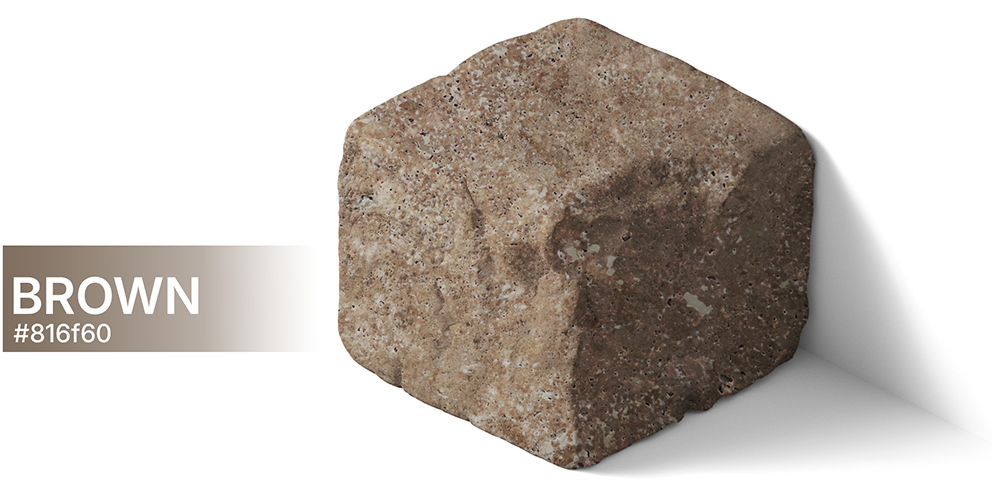
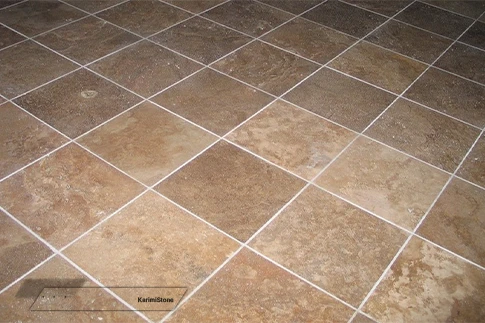
Brown natural stone represents strength, warmth, and earthy elegance in architectural materials. This rich, grounding tone—ranging from medium walnut and chocolate to deep coffee shades—appears in popular varieties such as travertine, limestone, and marble. Formed through sedimentary and metamorphic processes, brown hues primarily result from iron oxides and other mineral impurities that introduce these warm, organic colors. Brown stones provide timeless sophistication, creating cozy and stable environments while blending seamlessly with wood, metals, and various design styles in both interior and exterior applications.
✓

✓
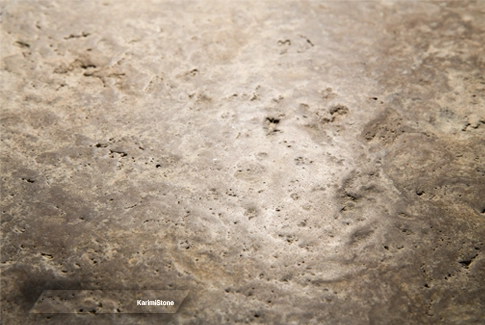
Brown natural stones mainly come from sedimentary rocks like travertine and limestone, and metamorphic marble. Travertine forms as calcium carbonate precipitates from mineral-rich waters around hot springs or geothermal areas, creating its porous, layered texture. Limestone accumulates from marine sediments compacted over time. The brown coloration stems largely from iron oxides (such as hematite or limonite), clay minerals, and organic matter present during formation—these oxidize to yield shades from tan to deep brown. In marble, recrystallized under heat and pressure from limestone, brown tones and veining emerge from iron impurities or original sediments. Unique patterns in each slab reflect natural variations in mineral content and deposition.
Brown natural stones suit projects needing depth, warmth, and natural appeal, commonly used in residential, commercial, and outdoor settings.
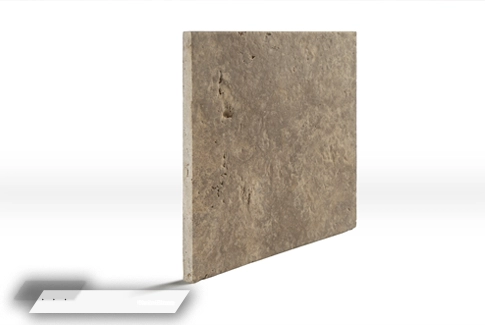
Brown natural stones—including marble, travertine, and limestone—are chosen for designs valuing warmth, sophistication, and organic beauty. Darker brown travertine adds rustic charm to contemporary spaces, while brown marble lends luxury to kitchens and bathrooms. Traditional or Mediterranean homes gain timeless appeal from these earthy hues. Travertine excels outdoors on patios and pools due to its texture and moisture handling. Properly sealed and cared for, brown stones preserve their rich colors, resist stains, and age beautifully—making them excellent for homes, hotels, restaurants, and landscapes seeking balanced, inviting environments.