
Share With
- Browse Categories
Grooved Natural Stone Products for Modern Architecture
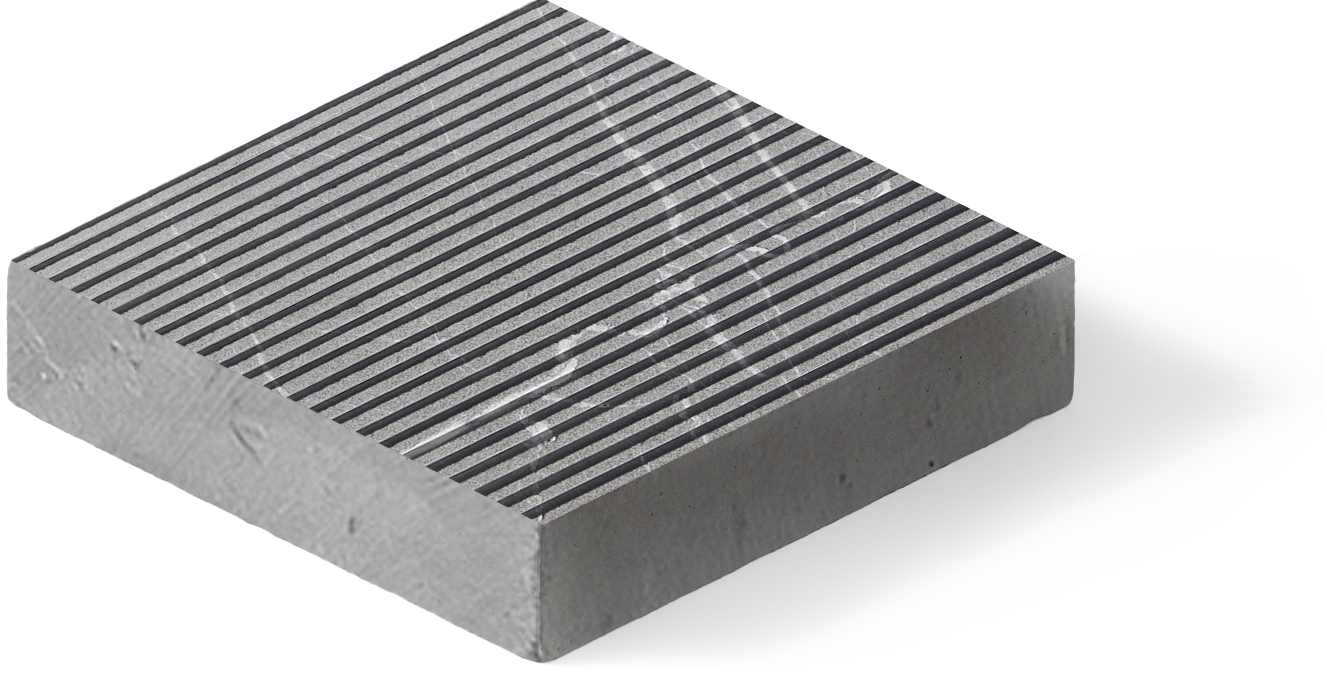
Grooved stone is a functional and architectural surface finish widely used in contemporary construction for its enhanced slip resistance, linear texture, and precise geometric appearance. This finish features parallel grooves cut into the stone surface, improving traction while creating a structured and modern design effect. On this page, you can explore our grooved stone products across multiple stone types, sizes, colors, and formats—designed for architects, engineers, and developers who prioritize safety, durability, and architectural precision.
Menu
Categories
Surface Finishes
- All Grooved Product
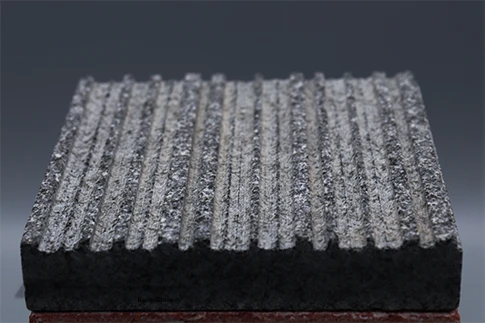
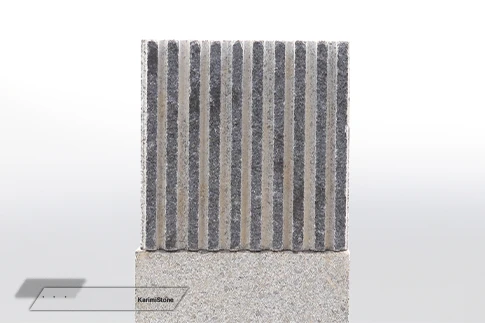


Black Granite Grooved
✓

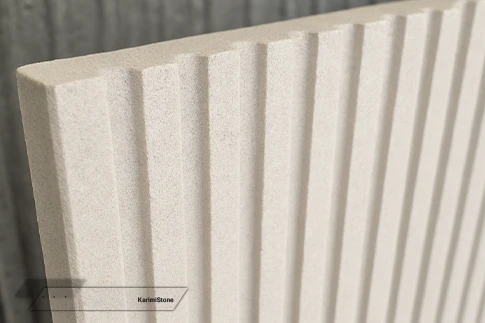
Gohare Grooved
Gohare Grooved Limestone Gohare Grooved Limestone is a structured and textured architectural stone surface developed from Gohare Limestone,…
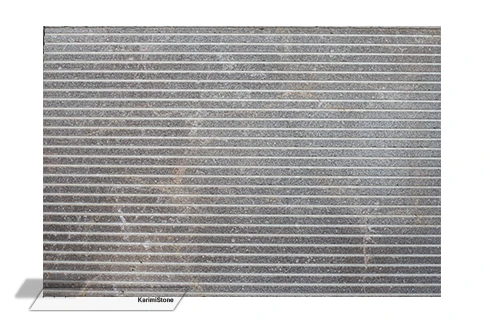
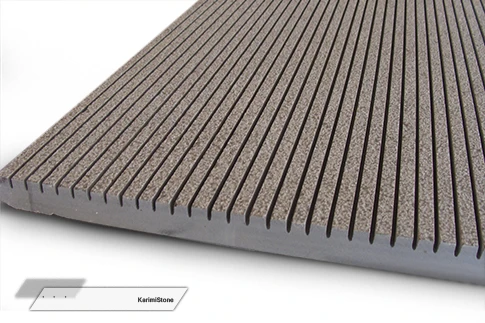
Grey Marble Grooved
✓
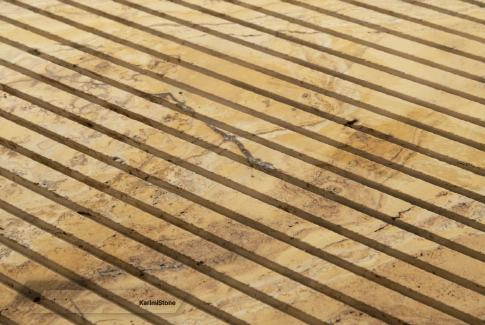
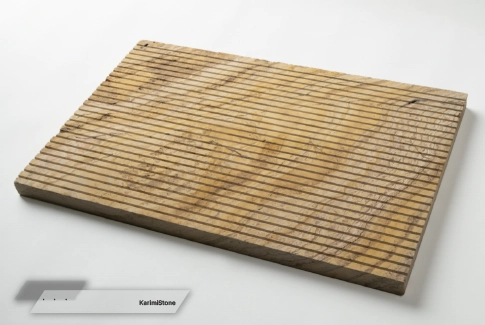


Yellow Travertine Grooved
Yellow Travertine Grooved Technical & Product Overview Yellow travertine grooved is a functional and architectural stone solution designed…
What Is a Grooved Finish?
A grooved finish is a textured stone surface created by cutting linear channels or grooves into the stone using specialized cutting tools or CNC machinery. These grooves are typically parallel and evenly spaced, producing a structured surface that improves slip resistance and enhances the stone’s visual character.
Unlike honed or polished finishes that create smooth surfaces, grooved stone introduces controlled surface texture through precise mechanical cutting. The finish creates a clean, technical appearance while maintaining the natural beauty of the stone.
Compared with bush-hammered or flamed finishes, grooved stone provides a more geometric and uniform texture with clearly defined lines rather than irregular roughness. If you want to compare finishes, see our Flamed Finish and Bush-Hammered Finish pages.
How Grooved Stone Is Produced
Producing a consistent grooved surface requires precise cutting technology, dimensional control, and careful inspection to ensure uniform spacing and depth.
1) Stone Cutting and Surface Preparation
Natural stone blocks are cut into slabs or tiles with precise dimensions. The surface is prepared to ensure flatness and accurate groove placement, which is essential for consistent results.
2) CNC or Mechanical Groove Cutting
Linear channels are cut into the stone surface using specialized blades or CNC machines. The spacing, depth, and pattern of grooves are carefully controlled according to project specifications.
3) Pattern and Depth Control
Manufacturers adjust groove width and depth to achieve the required level of traction and visual effect. Grooves may be shallow for decorative purposes or deeper for enhanced slip resistance.
4) Edge Finishing and Custom Fabrication
Edges may be beveled, shaped, or profiled depending on the application. For stairs, drainage channels, or custom architectural elements, CNC fabrication may be required. For precision shaping, visit our CNC Stone Manufacturing page.
5) Quality Control and Sorting
Final inspection ensures consistent groove alignment, uniform depth, dimensional accuracy, and proper packaging. Batch sorting maintains visual consistency in large-scale installations.
Most Common Applications of Grooved Stone in Buildings
Grooved stone is widely used in architectural projects where safety, functionality, and structured design are required. Below are the most common building applications:
Stairs, Steps, and Safety Surfaces
Grooved stone is commonly used on stair treads and step edges to improve traction and reduce slipping risks. The linear grooves provide reliable grip and enhance safety in both interior and exterior environments. See our Steps & Risers formats.
Exterior Flooring and Walkways
The grooved texture improves slip resistance on pedestrian paths, entrance areas, and high-traffic walkways where surface safety is essential.
Building Entrances and Commercial Areas
Commercial buildings and public facilities use grooved stone for entrance zones and circulation areas to ensure safe access under wet or heavy-use conditions.
Façade and Decorative Architectural Surfaces
The linear texture of grooved stone creates a modern architectural effect, making it suitable for façade cladding and decorative wall panels where structured design is desired.
Industrial and Public Infrastructure
Transportation hubs, public buildings, and industrial facilities use grooved stone for durability, traction, and long-term performance.
Grooved Stone Options: Types, Colors, Sizes, and Formats
Our grooved product range includes multiple stone types and formats suitable for functional and architectural applications:
- Stone Types: Granite, Limestone, Marble, Travertine, and other natural stones depending on project requirements.
- Colors: Cream, beige, grey, white, and darker architectural tones based on quarry origin.
- Formats: Slabs, tiles, stair treads, paving units, cut-to-size panels, and custom architectural elements.
- Sizes: Standard modular sizes and project-specific dimensions.
To explore available options, visit our main catalog at All Products and filter by surface finish and application. For project coordination, submit your requirements via Request a Quote.
Performance Notes and Standards
The performance of grooved stone depends on the stone type, groove depth, and project environment. This finish is widely used for safety surfaces due to its enhanced traction and controlled texture. Many international projects follow technical testing references provided by ASTM International for evaluating stone performance.
Project specifications, climate conditions, and installation methods should be considered to ensure optimal long-term performance.
Maintenance and Care Recommendations
Grooved stone surfaces are durable and easy to maintain when properly cared for:
- Regular cleaning to prevent dirt accumulation inside grooves.
- Use pH-neutral cleaners suitable for natural stone.
- Periodic inspection of high-traffic areas.
- Application of sealers when required based on stone type and exposure conditions.
For project-specific maintenance recommendations, contact our technical team.
FAQ: Grooved Finish Products
Is grooved stone slip resistant?
Yes, grooved stone provides enhanced slip resistance because the linear channels increase surface traction, especially in wet or high-traffic environments.
Can groove patterns be customized?
Yes, groove spacing, width, and depth can be customized depending on project requirements and design specifications.
Where is grooved stone most commonly used?
Grooved stone is widely used for stairs, walkways, entrance areas, and architectural surfaces where safety and structured design are important.
Request Samples, Pricing, and Production Details
Need grooved stone for your project? Send your target dimensions, technical requirements, and quantities. Our team will recommend suitable materials, fabrication details, and production solutions.