
Share With
- Browse Categories
Split-Face Natural Stone Products for Modern Architecture
Split-face stone is a bold and highly architectural surface finish widely used in contemporary and classic design for its natural fractured texture, strong shadow depth, and authentic stone character. This finish is created by splitting the stone to expose its natural interior structure, resulting in an irregular relief surface that delivers powerful visual impact. On this page, you can explore our split-face stone products across multiple stone types, sizes, colors, and formats—designed for architects, designers, and developers who want strong texture, durability, and distinctive façade and wall solutions.
Menu
Categories
Surface Finishes
- All Split-face Product
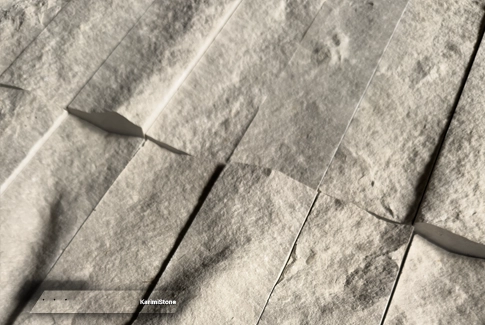
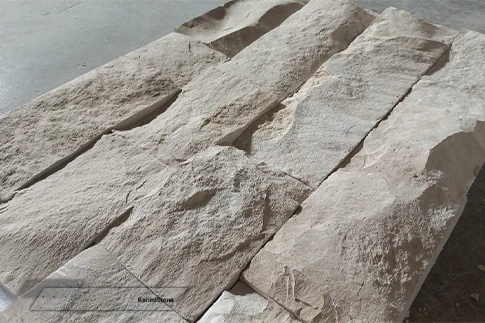


Gohare Split-face
Gohare Split-face Limestone Technical Overview & Surface Character Gohare Split-face Limestone is a textured architectural finish derived from…
What Is a Split-Face Finish?
A split-face finish is a textured stone surface created by mechanically splitting the stone along its natural grain or fracture lines to expose a rugged, uneven face. Unlike finishes that are produced by grinding, polishing, or blasting, split-face surfaces reveal the stone’s natural internal structure—creating a raw, authentic texture with strong depth and shadow.
Split-face stone is commonly associated with architectural wall applications because the rough relief creates visual dimension and a “crafted-from-nature” appearance. The finish highlights natural layering, fossils, and tonal variations—especially in limestone and travertine—while delivering a strong and durable surface.
Compared with cut-broken finishes, split-face stone typically emphasizes the natural fractured face more strongly, often with less “controlled” refinement on the surface relief, while still maintaining installation-ready edges depending on the product format. If you want to compare finishes, see our Cut-Broken Finish and Bush-Hammered Finish pages.
How Split-Face Stone Is Produced
Producing split-face products requires precise cutting for dimensional control and a controlled splitting process to achieve consistent texture while maintaining structural integrity.
1) Stone Cutting and Dimensioning
Natural stone blocks are cut into strips, tiles, or cladding units with defined thickness and sizing. Dimensional accuracy is essential for proper installation and clean joint alignment—especially on large wall surfaces.
2) Mechanical Splitting (Creating the Natural Face)
The exposed face is created by splitting the stone using specialized splitting machines or controlled tools. This process follows the stone’s natural structure, producing an irregular relief with authentic texture.
3) Texture Sorting and Depth Control
Because split-face texture naturally varies, producers sort pieces by relief depth and visual character to ensure balanced appearance in each batch. This is especially important for feature walls and façade panels where uniform visual rhythm is required.
4) Edge Processing and Optional Fabrication
Depending on the product type, edges may be sawn for tight joints or left natural for a more rustic look. Split-face pieces can also be produced in modular cladding systems, corner units, and custom shapes. For precision fabrication and custom design elements, visit our CNC Stone Manufacturing page.
5) Quality Control and Packaging
Final inspection checks dimensional accuracy, thickness tolerance, structural integrity, and consistent shade range. Proper packaging is essential to protect textured surfaces and minimize edge damage during transport.
Most Common Applications of Split-Face Stone in Buildings
Split-face stone is primarily used for vertical architectural applications where texture, depth, and natural character are important. Below are the most common building uses:
Interior Feature Walls and Accent Surfaces
Split-face stone is widely used for interior feature walls in lobbies, reception areas, fireplaces, and living spaces. The textured surface creates strong shadow depth and adds a premium natural identity. Explore our Interior Wall solutions.
Exterior Facades and Architectural Cladding
On building facades, split-face stone creates a strong, timeless architectural appearance. The natural relief works well in both modern and traditional projects, especially when combined with minimal detailing and clean joint layouts.
Boundary Walls and Landscape Architecture
Split-face stone is frequently used for garden walls, boundary structures, and outdoor landscape elements where natural texture integrates with the environment.
Commercial and Hospitality Projects
Hotels, restaurants, retail spaces, and public buildings use split-face stone to create signature walls and façade identities that feel strong, natural, and memorable.
Architectural Details and Decorative Elements
Split-face finishes can be used in columns, pilasters, niches, and architectural panels to create textured, high-impact surfaces.
Split-Face Stone Options: Types, Colors, Sizes, and Formats
Our split-face product range includes multiple stone types and formats to match different architectural requirements:
- Stone Types: Limestone, Travertine, Marble (selected), Granite (selected), and other natural stones depending on project requirements.
- Colors: Cream, beige, grey, white, and darker natural tones based on quarry origin and selection.
- Formats: Split-face strips, cladding panels, modular wall units, corner pieces, cut-to-size items, and custom architectural elements.
- Sizes: Standard modular sizes and project-specific dimensions based on design and installation method.
To explore available products, visit our main catalog at All Products and filter by surface finish and application. For quotations and technical coordination, submit your request via Request a Quote.
Performance Notes and Standards
Split-face stone performance depends on stone type, density, absorption, and installation detailing. This finish is commonly used for vertical applications and architectural cladding due to its durable texture and natural appearance. Many international projects reference technical testing guidance provided by ASTM International.
For exterior installations, climate exposure, anchoring method, and water management details should be considered to ensure long-term performance.
Maintenance and Care Recommendations
Split-face stone is durable, but its relief texture can collect dust in some environments. Recommended practices include:
- Routine cleaning using pH-neutral cleaners suitable for natural stone.
- Use soft brushes or low-pressure washing for textured surfaces when needed.
- Apply sealers when required based on stone type and exposure conditions.
- Avoid acidic cleaners on carbonate stones such as many limestones and marbles.
For project-specific maintenance guidance, contact our technical team.
FAQ: Split-Face Finish Products
Is split-face stone suitable for flooring?
Split-face finishes are primarily used for walls. For flooring, more controlled textures such as flamed, sandblasted, or bush-hammered are typically preferred.
How is split-face different from cut-broken?
Split-face focuses on exposing a naturally fractured stone surface with strong relief, while cut-broken typically combines precise cutting with controlled breaking for a more installation-controlled texture.
Which stones are commonly used for split-face?
Limestone and travertine are widely used for split-face finishes because their structure produces strong texture and natural depth, while maintaining durability in architectural cladding.
Request Samples, Pricing, and Production Details
Need split-face stone for your project? Send your target dimensions, thickness, and quantities. Our team will recommend suitable stone options, sorting strategy, and production solutions.
Contact Us for Split-Face Products
Browse All Stone Products