


Share With

Peach
Peach

Stone Name: Peach Granite
Origin: Iran
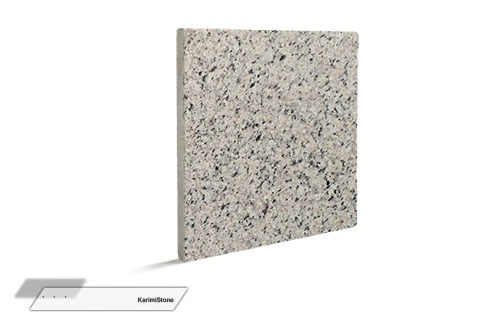
Cut Types: Slab, Tile, Cubic, Step & Riser
Finishes: Polished, Honed, Flamed, Sandblasted, Scratched / Grooved (Linear) , Bush-hammered, (most common in the domestic market)

Epoxy resin treatment (used in some grades)

Granite

Peach

Key Properties:

  • Lowwater absorption
  • Very low porosity
  • High compressive strength
  • High abrasion resistance (suitable for high-traffic areas)
  • High resistance to weather conditions (suitable for indoor and outdoor use)
  • Good to very good polishability (bright, glossy, clean surface)
  • High durability and long service life
  • High impact resistance
  • High density and weight-bearing capability

Applications:

  • Exterior and interior façades (when installed under suitable height and conditions)
  • Flooring in office/commercial units and residential common areas
  • Elevator floors and lobbies
  • Steps, risers, and staircase cladding
  • Parking floor and wall cladding
  • Outdoor paving in courtyards, parks, and sidewalks
  • Stone curbstones and urban elements
  • Kitchen worktops/countertops (with suitable thickness and finish selection)

Availability at Karimi Stone

Product

Supplier

Exporter

Producer

Quarry Owner

Peach Granite


General Description:

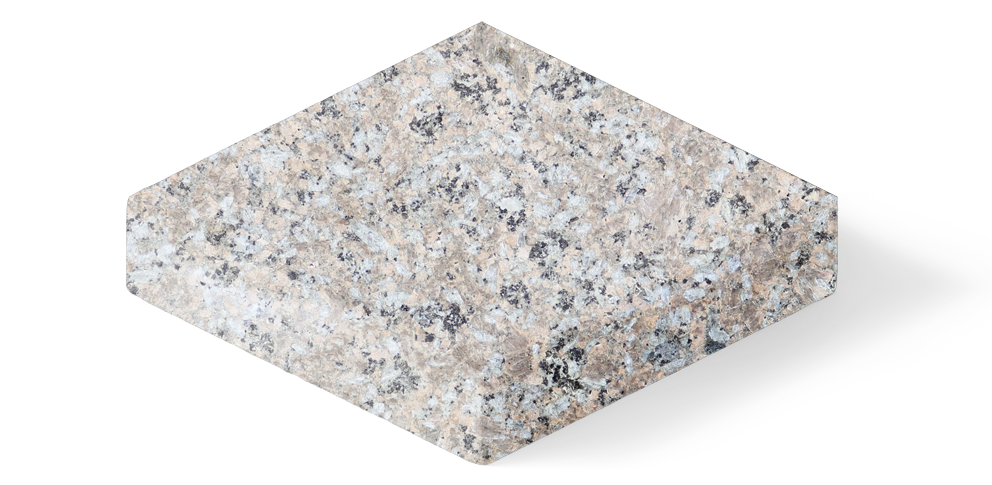
Peach Granite is one of Iran’s distinctive warm-toned granites, known for its peach to orange background with soft pink tones and coarse grains of white, pink, and black minerals.
As an intrusive igneous rock, it offers high density, very low porosity, lowwater absorption, and strong compressive and abrasion resistance. For this reason, it is widely used in high-traffic areas such as flooring, staircases, and outdoor paving, as well as in interior spaces and building façades.

Thanks to its warm color, high durability, and economic pricing, peach granite is considered a strong alternative to many imported granites. Well-known Iranian varieties such as Taybad Peach Granite, Khalkhal Peach Granite, and Khorramdarreh Peach Granite are each recognized in the market for their specific visual characteristics.

In this context, Karimi Stone plays an important role through stable supply, precise grading, supply in high-demand sizes, and professional preparation for both domestic and export markets—supporting building projects and international clients with reliable quality.

Introduction to Peach Granite:

Peach Granite is a warm-colored and unique Iranian granite with a peach/orange to light pink background and coarse white, pink, and black grains. Due to its intrusive igneous origin, it has high density, very low porosity, lowwater absorption, and high compressive and abrasion strength. Therefore, it is suitable for both high-traffic projects (flooring, steps, outdoor areas) and interior spaces and façades.

In the domestic market, peach granite is known as an affordable and visually warm option, and in many projects, it can replace imported granite types with similar appearance.

Geological Origin & Structure:

  • Stone Type: Intrusive igneous rock (Granite)
  • Formation: Slow cooling of magma deep underground (dense crystalline structure)
  • Common Minerals: Quartz + Feldspar + Mica + dark minerals
  • Result: High strength, low water absorption, long-term durability

Appearance & Color Characteristics:

  • Color Range: Peach / orange / light pink (warm and bright)
  • Texture & Grain: Mostly coarse-grained with scattered white, pink, and black grains
  • Grading note: Lower grades may show more black spots/inclusions or color inconsistency, which affects pricing.
  • Design benefit: Peach granite balances the “cool feel” of granite with a warm and friendly color tone.

Advantages of Peach Granite:

  • Warm and distinctive color among domestic granites
  • Low water absorption, suitable for different climates
  • High density and strength with long-term durability
  • High abrasion resistance for high-traffic areas
  • Good polishability and a clean glossy look after polishing
  • More economical price compared to many similar imported options

Buying & Quality Control Notes:

  • Fewer black spots/inclusions → higher quality and higher price
  • Less veining and more uniform color → higher value
  • Larger sizes and better processing quality → higher price
  • Grade selection (Premium / First Grade / Commercial Grade) directly affects price and appearance

Key Iranian Peach Granite Types:

1) Taybad Peach Granite (also known as Orange Ousan)

  • Quarry location: Razavi Khorasan Province, near Taybad (close to the Iran–Afghanistan border)
  • Appearance: Orange/peach background with coarse white, pink, and black grains
  • Highlight: Similar look to certain imported granites and suitable as an import replacement
  • Common production: Polished, mainly in tiles and planks
  • Main applications: Façades, interiors, office/commercial floors, landscaping, and common areas
  • Grading note: Lower grades may contain more black spots, with lower pricing

2) Khalkhal Peach Granite

Khalkhal is known for colored granites and is commonly recognized for warm peach/pink tones.
Typical granite performance applies here: high compressive and abrasion strength, low water absorption, and strong suitability for flooring and high-traffic areas.
Best choice for projects where a warm color is a design priority.
Color uniformity and spot level determine grading and price.

3) Khorramdarreh Peach Granite

  • Color range: Khorramdarreh produces various granites including peach/pink (along with other tones such as shell/grey-golden).
  • Technical note: Some grades may show higher natural voids; in such cases resin treatment is used to fill micro-porosity.
  • Applications: Depending on grade and finish, it can be used for floors, steps, outdoor paving, and public spaces.

Buying note: If resin-treated, epoxy/resin quality and surface uniformity must be carefully checked.

The Role of Karimi Stone in Supply & Export:

  • Stable supply of peach granite for domestic projects and large-volume orders
  • Production in high-demand sizes: tiles, planks, steps & risers, and project-specific cut-to-size
  • Quality control during grade selection: color uniformity, spots/inclusions, and stone integrity
  • Export preparation: suitable finish selection, standard thickness, secure packaging, and reliable logistics
Read More >