
Share With
- Browse Categories
Bush-Hammered Natural Stone Products for Modern Architecture
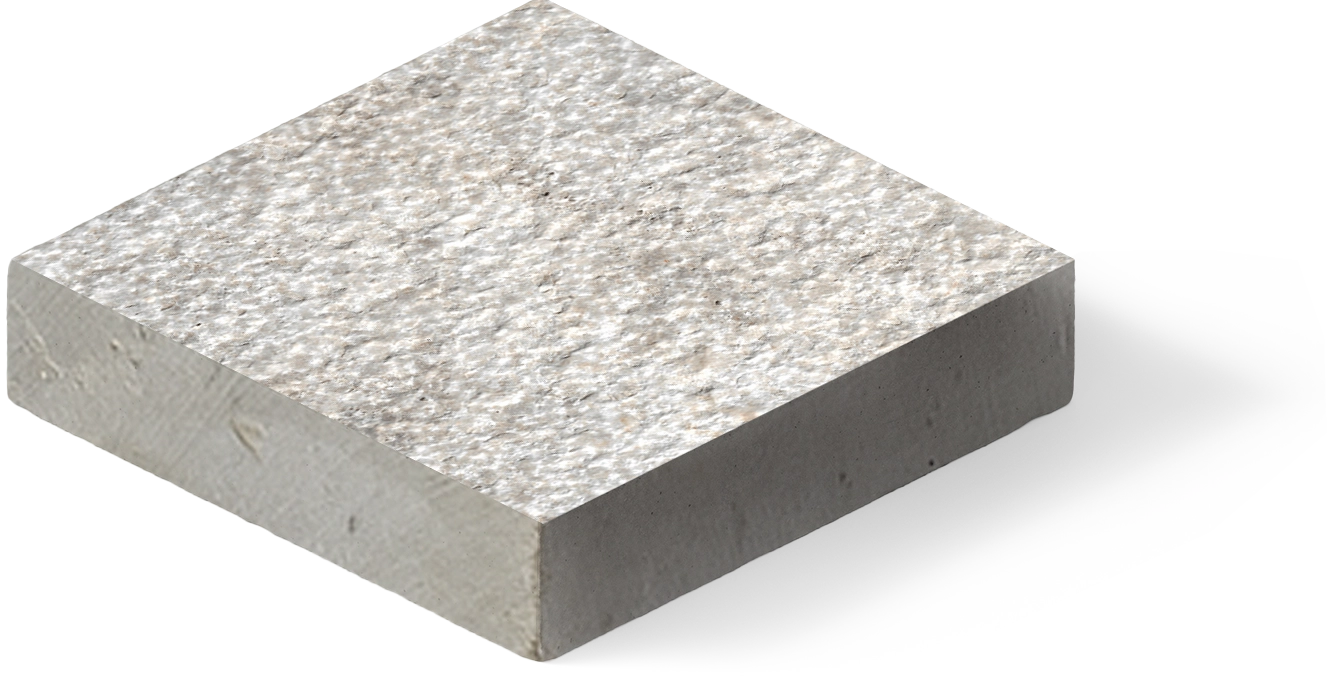
Bush-hammered stone is a highly durable surface finish widely used in contemporary and traditional architecture for its strong texture, slip resistance, and robust performance. This finish creates a uniformly rough surface that enhances the natural strength of the stone while providing maximum functionality in demanding environments. On this page, you can explore our bush-hammered stone products across multiple stone types, sizes, colors, and formats—designed for architects, engineers, and developers who prioritize safety, durability, and long-term performance.
Menu
Categories
Surface Finishes
- All Bush-hammered Product
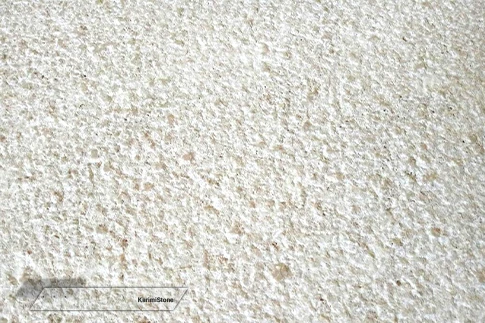
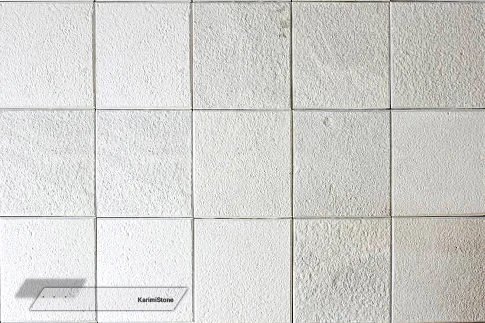


Vanak Bush hammered
✓

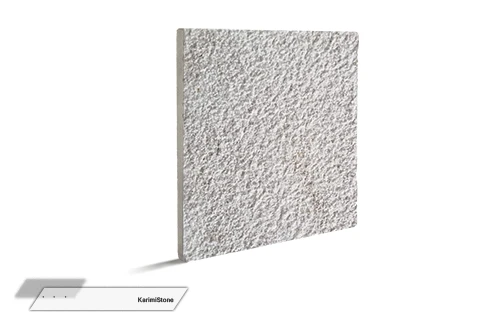

Gohare Bush-hammered
Gohare Bush-hammered Limestone Introduction to Gohare Bush-hammered Limestone Gohare Bush-hammered Limestone is a high-performance textured surface finish of…
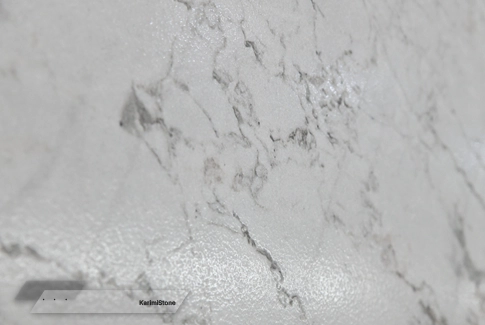
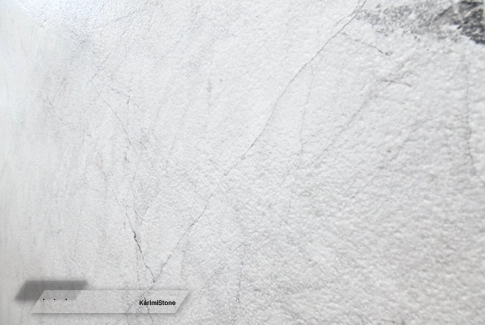

Scato Bush hammered & Brushed
✓
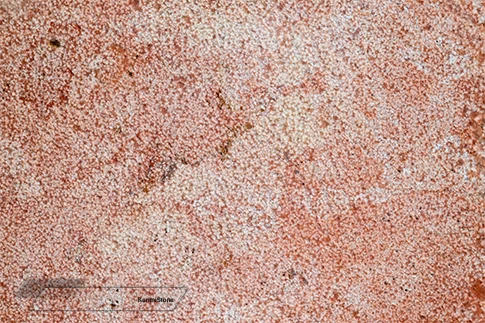
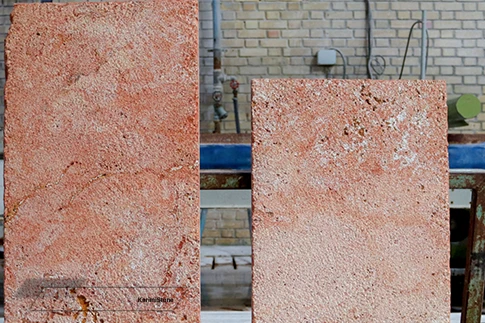


Red Travertine Bush Hammered
✓
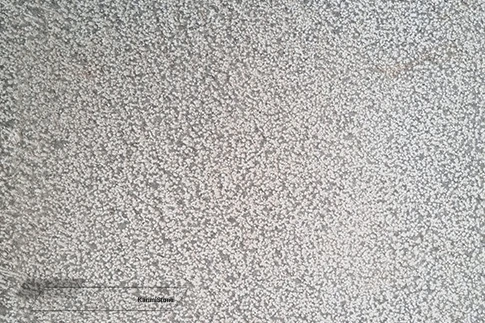
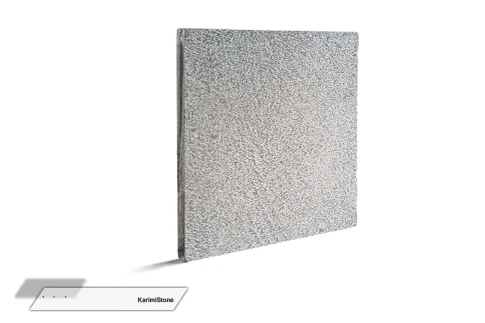
Grey Marble Bush Hammered
✓
What Is a Bush-Hammered Finish?
A bush-hammered finish is a heavily textured stone surface created by mechanically impacting the stone with a specialized hammering tool equipped with multiple small points. This process removes the top layer of the stone and produces a uniformly rough, granular texture with high slip resistance and strong visual character.
Unlike honed or polished finishes that create smooth surfaces, bush-hammered stone provides a rugged, natural appearance with a clearly defined texture. The finish enhances the structural integrity of the stone and improves grip, making it ideal for functional architectural applications.
Compared with brushed or honed finishes, bush-hammered stone offers the highest level of surface roughness and durability, making it particularly suitable for exterior environments and heavy-use areas. If you want to compare finishes, see our Honed Finish and Brushed Finish pages.
How Bush-Hammered Stone Is Produced
Producing a consistent bush-hammered surface requires controlled mechanical processing and careful quality control. The process modifies the stone’s surface structure to improve durability and slip resistance while maintaining dimensional accuracy.
1) Surface Preparation and Calibration
After cutting the stone blocks into slabs or tiles, the surface is calibrated to achieve uniform thickness and flatness. This ensures accurate installation and consistent performance in large-scale construction projects.
2) Mechanical Hammering Process
The stone surface is treated using pneumatic or mechanical bush-hammering machines equipped with multiple impact points. These tools repeatedly strike the surface, removing small fragments and creating a dense, evenly textured finish.
3) Texture Density Control
Manufacturers control the intensity of hammering to achieve different texture depths. Light bush-hammering creates a moderate texture, while heavy treatment produces a deeper, more pronounced surface suitable for maximum slip resistance.
4) Edge Processing and Optional Treatments
Edges may be cut, beveled, or CNC-shaped according to project specifications. Additional treatments such as sealing or protective coatings may be applied depending on the application. For custom shaping, visit our CNC Stone Manufacturing page.
5) Quality Control and Inspection
Final quality checks ensure consistent texture, uniform impact distribution, structural integrity, and proper packaging. Batch sorting is essential for maintaining visual and technical consistency in large architectural projects.
Most Common Applications of Bush-Hammered Stone in Buildings
Bush-hammered stone is primarily selected for projects requiring maximum durability, slip resistance, and structural performance. Below are the most common architectural applications:
Exterior Flooring and Pavements
Bush-hammered stone is widely used for outdoor flooring, sidewalks, and pedestrian areas where safety and durability are critical. The textured surface provides excellent grip and performs well in wet or high-traffic environments.
Public Spaces and Urban Architecture
Municipal projects, plazas, and commercial developments often use bush-hammered stone for its long-term resistance to wear and environmental exposure. The finish maintains performance under heavy pedestrian use and changing weather conditions.
Stairs, Ramps, and Access Areas
Bush-hammered finishes are commonly applied to stairs and ramps to enhance safety and reduce slipping risks. The textured surface improves traction in both interior and exterior installations. See our Steps & Risers formats.
Façade Cladding and Exterior Walls
The strong texture of bush-hammered stone provides depth and architectural character for façade systems. It creates a durable surface that resists environmental wear while delivering a natural and powerful visual impact.
Industrial and High-Traffic Environments
Because of its structural strength and resistance to abrasion, bush-hammered stone is frequently used in industrial facilities, transportation hubs, and commercial infrastructure.
Bush-Hammered Stone Options: Types, Colors, Sizes, and Formats
Our bush-hammered product range includes multiple stone types and formats suitable for demanding construction projects:
- Stone Types: Granite, Limestone, Marble (selected), Travertine, and other natural stones depending on project requirements.
- Colors: Light cream, beige, grey, and darker tones based on quarry origin and selection.
- Formats: Slabs, tiles, paving units, steps & risers, cut-to-size panels, and custom architectural elements.
- Sizes: Standard modular sizes and project-specific dimensions for large developments.
To explore available options, visit our main catalog at All Products and filter by surface finish and application. For project coordination, submit your requirements via Request a Quote.
Performance Notes and Standards
The performance of bush-hammered stone depends on the stone type, density, and project environment. This finish is widely used in exterior applications due to its superior slip resistance and resistance to mechanical wear. Many international projects follow technical testing guidelines provided by ASTM International for evaluating stone performance.
Project specifications, climate conditions, and installation methods should be carefully considered to ensure optimal performance.
Maintenance and Care Recommendations
Bush-hammered stone surfaces are highly durable and require minimal maintenance when properly installed. Recommended practices include:
- Regular cleaning using pH-neutral stone cleaners.
- Periodic inspection in high-traffic areas.
- Application of sealers when required depending on stone type.
- Avoid harsh chemical cleaners that may damage the stone structure.
For professional maintenance guidance, contact our technical team.
FAQ: Bush-Hammered Finish Products
Is bush-hammered stone slip resistant?
Yes, bush-hammered stone provides excellent slip resistance due to its rough surface texture, making it suitable for exterior flooring and high-traffic areas.
Is bush-hammered finish suitable for interior use?
While primarily used outdoors, bush-hammered stone can be applied in interior spaces where strong texture and durability are required.
Which stone types are best for bush-hammering?
Granite and dense limestone are commonly used for bush-hammered finishes due to their strength and ability to maintain structural integrity under impact treatment.
Request Samples, Pricing, and Production Details
Need bush-hammered stone for your construction project? Send your dimensions, technical requirements, and quantities. Our team will recommend suitable materials, surface treatments, and production solutions.
Contact Us for Bush-Hammered Products
Browse All Stone Products