
Share With
- Browse Categories
Flamed Natural Stone Products for Modern Architecture
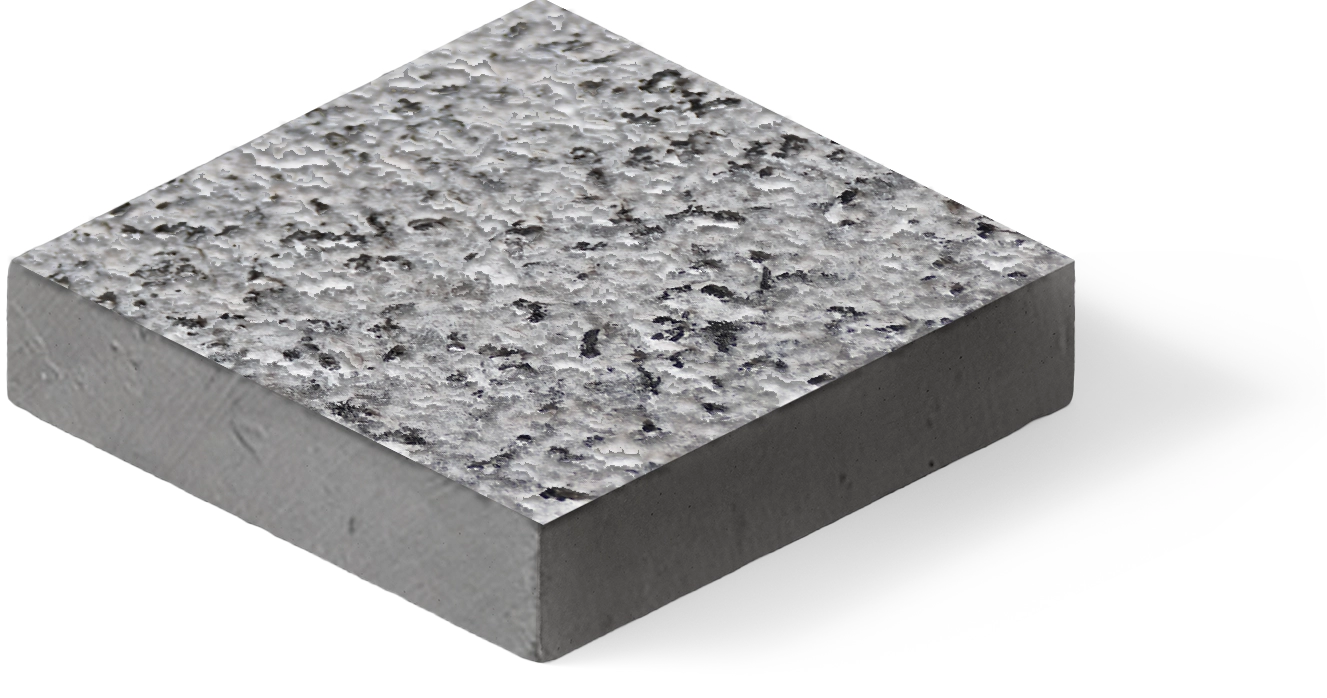
Flamed stone is a high-performance surface finish widely used in modern and traditional architecture for its excellent slip resistance, weather durability, and clean natural texture. This finish is created through thermal treatment, producing a roughened surface that improves traction and makes the stone suitable for demanding exterior and high-traffic environments. On this page, you can explore our flamed stone products across multiple stone types, sizes, colors, and formats—designed for architects, engineers, and developers who prioritize safety, long-term outdoor performance, and architectural reliability.
Menu
Categories
Surface Finishes
- All Flamed Product
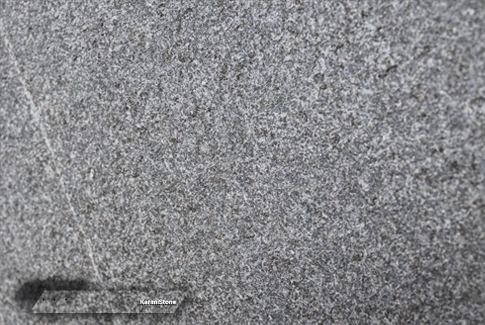
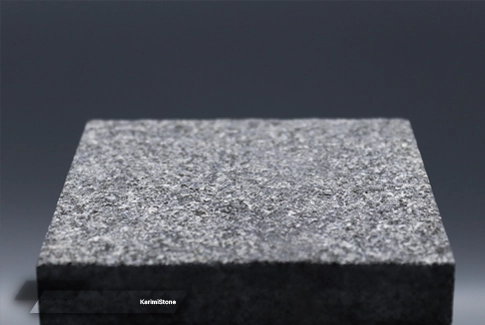


Black Granite Flamed
✓
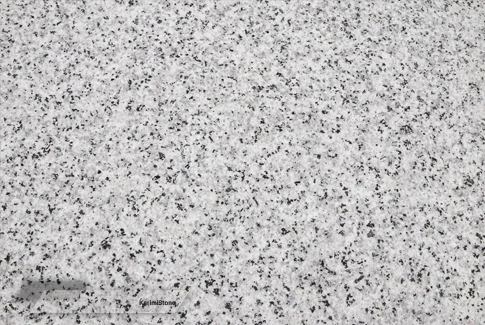
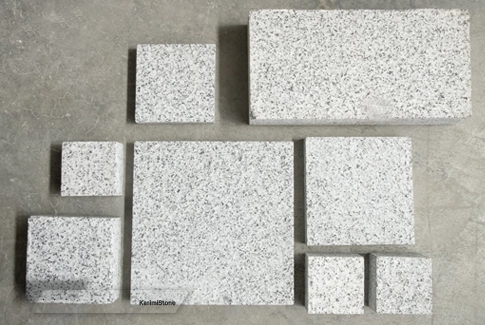

White Granite Flamed
✓
What Is a Flamed Finish?
A flamed finish is a textured stone surface created by exposing the stone to high-temperature flames (typically from controlled gas torches) followed by rapid cooling. This thermal shock causes the stone’s surface crystals and minerals to expand and fracture slightly, producing a uniformly rough texture with strong grip and a natural, non-reflective appearance.
Unlike honed or polished finishes that create smooth surfaces, flamed stone emphasizes functionality and safety. The finish provides a clean architectural look with enhanced traction, making it a common specification for exterior paving, stairs, and public spaces.
Compared with bush-hammered surfaces, flamed finishes generally produce a more uniform, “crisp” texture with less deep pitting, while still offering strong slip resistance. If you want to compare finishes, see our Bush-Hammered Finish and Honed Finish pages.
How Flamed Stone Is Produced
Producing a consistent flamed surface requires controlled thermal processing, correct stone selection, and careful quality inspection. Because flaming depends on mineral structure, it is most commonly applied to certain stones—especially granite and some dense igneous or quartz-rich materials.
1) Stone Selection and Surface Preparation
Blocks are cut into slabs or tiles, and the surface is prepared (often sawn or lightly ground) to ensure even exposure to heat. Stone selection is critical: materials with suitable crystalline structure respond best to thermal texturing.
2) Thermal Flaming (High-Temperature Treatment)
The stone surface is exposed to a controlled high-temperature flame. The heat causes micro-fracturing on the surface, creating texture. The operator adjusts intensity and speed to achieve the target roughness while maintaining structural integrity.
3) Rapid Cooling and Surface Stabilization
Immediately after heating, the surface is cooled (often with water). This rapid cooling stabilizes the texture and helps achieve consistent roughness across the stone face.
4) Edge Processing and Optional Fabrication
Edges are cut, beveled, or profiled to match project requirements. For stairs, nosing, drainage grooves, or custom profiles, CNC fabrication may be required. For precision shaping, visit our CNC Stone Manufacturing page.
5) Quality Control, Sorting, and Packaging
Final inspection checks texture uniformity, thickness tolerance, color consistency, and surface stability. Since flamed textures can slightly vary with mineral composition, batch sorting helps maintain consistent visual and technical performance for large installations.
Most Common Applications of Flamed Stone in Buildings
Flamed stone is primarily selected for areas that require high traction, durability, and weather resistance. Below are the most common architectural applications:
Exterior Flooring, Paving, and Sidewalks
Flamed stone is widely used for outdoor floors, pedestrian paving, and sidewalks where safety is essential. The rough texture improves slip resistance in rain, snow, or wet cleaning conditions, making it suitable for public and commercial environments.
Stairs, Steps, and Ramps
Because traction is a key requirement on stairs and access routes, flamed surfaces are often specified for step treads and ramp surfaces. For matching architectural formats, see our Steps & Risers options.
Building Entrances and High-Traffic Access Areas
Entrance zones, outdoor lobbies, commercial walkways, and public access routes frequently use flamed stone due to its long-term abrasion resistance and reliable grip.
Terraces, Balconies, and Rooftop Areas
Flamed stone performs well in terraces and semi-outdoor spaces where surfaces are exposed to climate changes. The finish maintains stable traction and reduces glare under strong sunlight.
Urban Architecture and Public Projects
Plazas, municipal paving, transportation hubs, and commercial developments use flamed stone for long-term durability, consistent texture, and reliable performance under heavy pedestrian use.
Flamed Stone Options: Types, Colors, Sizes, and Formats
Our flamed product range includes multiple stone options and formats suitable for exterior and high-traffic architectural projects:
- Stone Types: Granite (most common), selected dense stones suitable for thermal finishing, and other options based on project requirements.
- Colors: Grey, black, white, and mixed mineral tones depending on quarry origin and stone composition.
- Formats: Paving tiles, slabs, steps & risers, cut-to-size panels, and custom architectural elements.
- Sizes: Standard modular sizes and project-specific cut-to-size dimensions for large developments.
To review available options, visit our main catalog at All Products and filter by surface finish and application. For technical coordination and quotations, submit your request via Request a Quote.
Performance Notes and Standards
Flamed stone performance depends on material selection, mineral structure, thickness, and installation method. This finish is widely used outdoors due to its resistance to weather exposure and its slip-resistant surface. For testing references and international guidance, many projects refer to standards published by ASTM International.
For slip resistance and pedestrian safety, designers typically follow local regulations and project-specific test requirements. Climate exposure, cleaning routines, and drainage detailing should be considered during specification.
Maintenance and Care Recommendations
Flamed stone is durable and relatively easy to maintain. Recommended practices include:
- Regular cleaning with pH-neutral cleaners suitable for natural stone.
- Periodic washing in outdoor areas to remove dirt buildup from textured surfaces.
- Use sealers when required, based on stone absorption and project exposure conditions.
- Avoid harsh chemicals that may discolor or weaken the stone over time.
For project-specific care guidance and sealing recommendations, contact our technical team.
FAQ: Flamed Finish Products
Is flamed stone slip resistant?
Yes, flamed stone is considered highly slip resistant due to its thermally textured surface, making it a common choice for exterior paving, steps, and public areas.
Which stones can be flamed?
Flaming is most commonly applied to granite and other stones with suitable crystalline structures. Stone selection should be confirmed based on mineral composition and project requirements.
Can flamed stone be used indoors?
Yes, flamed stone can be used indoors where a textured, non-slip surface is needed, such as entry zones or industrial-style interiors. However, the finish is most widely used in exterior environments.
Request Samples, Pricing, and Production Details
Need flamed stone for your project? Send your target dimensions, thickness, and quantities. Our team will recommend suitable materials, fabrication details, and production solutions.