
Share With
- Browse Categories
Sawn-Cut Natural Stone Products for Modern Architecture
Sawn-cut stone is a precise and widely used surface finish in contemporary construction, valued for its clean saw-line texture, high dimensional accuracy, and strong compatibility with further processing. This finish is produced directly by cutting stone blocks into slabs or tiles using industrial saws, leaving a natural, linear surface pattern that is controlled and architectural. On this page, you can explore our sawn-cut stone products across multiple stone types, sizes, colors, and formats—designed for architects, engineers, and developers who prioritize technical reliability, consistent sizing, and project-ready fabrication.
Menu
Categories
Surface Finishes
- All Sawn-cut Product
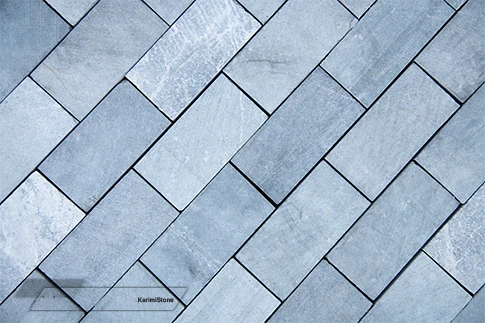
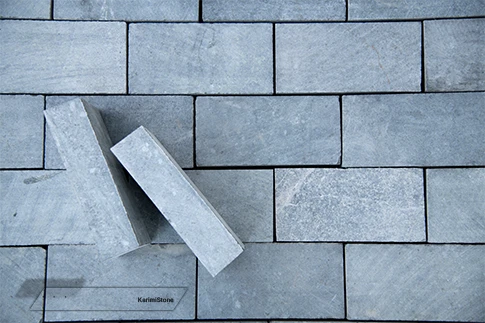


Black Granite Sawn-cut
✓
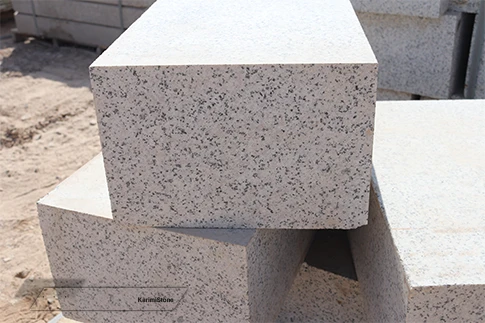
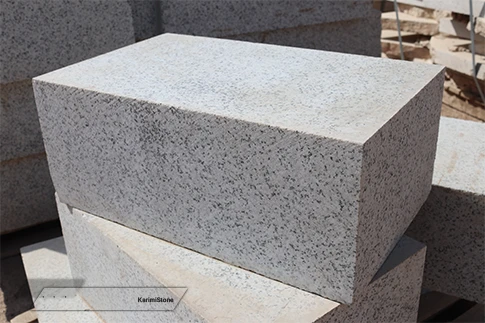

White Granite Sawn-cut
✓
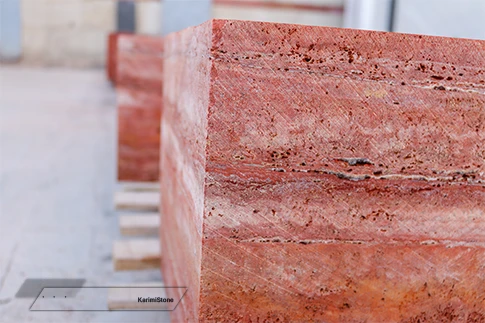
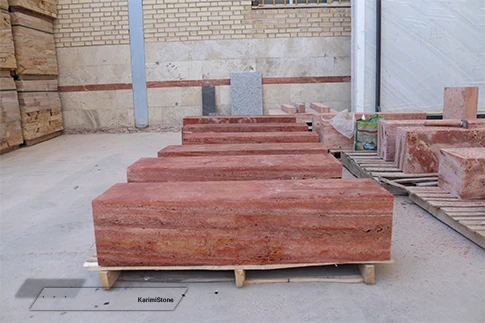


Red Travertine Sawn-cut
✓
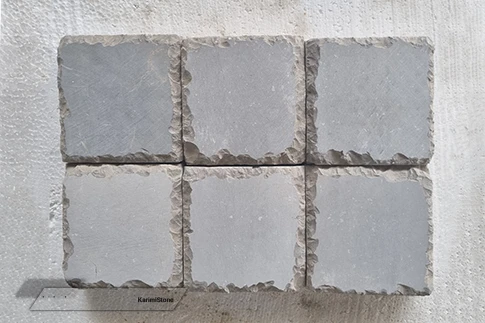
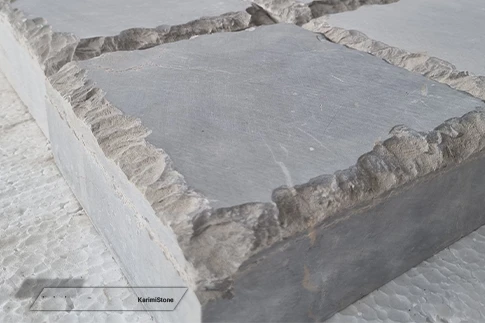
Grey Marble Sawn-cut
✓
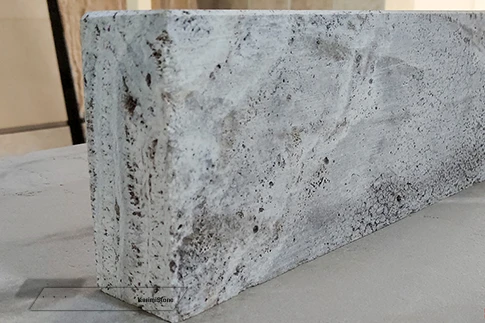
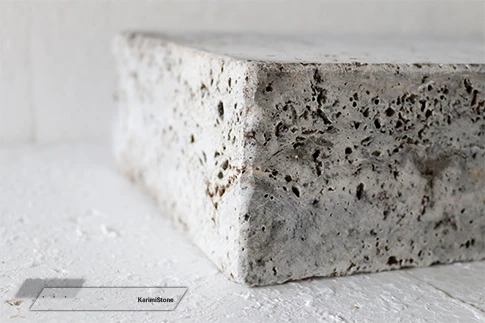

Silver Travertine Sawn-cut
✓
What Is a Sawn-Cut Finish?
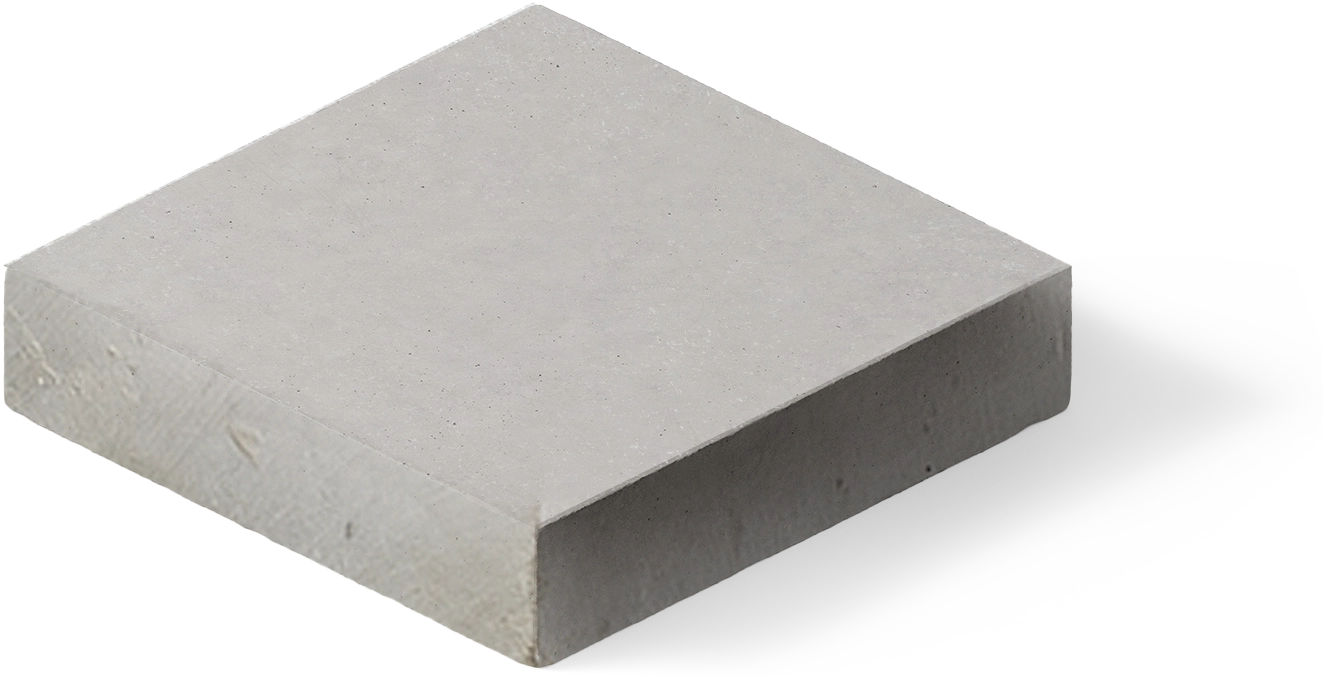
A sawn-cut finish is the natural surface texture left on stone after it is cut with industrial saw blades (such as gang saws, multi-wire saws, or bridge saws). The resulting face typically shows fine linear marks that reflect the cutting direction, creating a clean and honest “as-cut” appearance.
Unlike polished or honed finishes that require additional abrasion and refinement, sawn-cut stone preserves an authentic factory-cut texture. Depending on the stone type and cutting method, the surface can range from slightly rough to relatively smooth, while keeping visible saw patterns.
Compared with sandblasted or bush-hammered finishes, sawn-cut stone is less textured and is often selected when a controlled, technical look is preferred or when the stone will later receive another finish. If you want to compare finishes, see our Honed Finish and Sandblasted Finish pages.
How Sawn-Cut Stone Is Produced
Producing consistent sawn-cut products depends on accurate cutting technology, controlled tolerances, and quality inspection. Because this finish is created during cutting, dimensional precision and surface stability are key.
1) Block Selection and Cutting Planning
Stone blocks are selected and planned for cutting direction, veining orientation, and yield optimization. Proper planning improves visual consistency across slabs or tiles—especially important for façade panels and large projects.
2) Primary Cutting: Gang Saw / Wire Saw / Bridge Saw
Blocks are cut into slabs using industrial cutting systems. The cutting method influences the surface texture: wire saws can create finer, more uniform lines, while traditional saw blades may leave stronger linear marks.
3) Tile Cutting and Dimensional Calibration
Slabs can be further cut into tiles or cut-to-size panels. Where required, calibration ensures consistent thickness and improved installation quality. This step is essential for large-scale flooring, wall cladding systems, and modular layouts.
4) Edge Finishing and Custom Fabrication
Edges can be straight-cut, beveled, bullnosed, or CNC-profiled depending on the application. Sawn-cut surfaces are also commonly used as a base for grooving, drainage channels, or custom architectural pieces. For precision fabrication, visit our CNC Stone Manufacturing page.
5) Quality Control, Sorting, and Packaging
Final inspection checks thickness tolerance, dimensional accuracy, surface consistency, and packaging integrity. Batch sorting may be used to maintain consistent shade range and pattern distribution for large installations.
Most Common Applications of Sawn-Cut Stone in Buildings
Sawn-cut stone is selected for projects that need accurate sizing, clean lines, and a technical or minimal aesthetic. It is also frequently used as a base surface for additional finishes. Below are the most common architectural applications:
Cladding Panels and Architectural Facades
Sawn-cut stone is commonly used for façade panels and wall cladding where a linear, modern texture is desired. The natural saw-line pattern provides a subtle architectural effect, especially in large panel installations. Explore our Interior Wall solutions.
Interior Flooring and Functional Spaces
In functional interiors, sawn-cut stone can be used to achieve a more industrial or minimal look. It is also practical for spaces where additional finishing is planned after installation.
Cut-to-Size Elements and Project Fabrication
Because sawn-cut products are defined by accurate cutting, they are widely used in cut-to-size building elements, including wall panels, skirting, and architectural modules.
Stairs, Thresholds, and Technical Surfaces
Sawn-cut stone can be used for steps and thresholds, particularly when combined with additional safety features such as grooves or anti-slip treatments. For formats, see our Steps & Risers options.
Base Finish for Further Processing
Many advanced finishes start from a sawn-cut surface. It is frequently used as a base for honing, polishing, brushing, sandblasting, flaming, or CNC texturing depending on project specification.
Sawn-Cut Stone Options: Types, Colors, Sizes, and Formats
Our sawn-cut product range includes multiple stone options and formats for architectural and construction needs:
- Stone Types: Limestone, Marble, Travertine, Granite, and other natural stones depending on project requirements.
- Colors: Cream, beige, grey, white, and darker tones depending on quarry origin and selection.
- Formats: Slabs, tiles, cut-to-size panels, cladding units, steps & risers, and custom architectural elements.
- Sizes: Standard modular sizes and project-specific cut-to-size dimensions.
To review available products, visit our main catalog at All Products and filter by surface finish and application. For quotations and technical coordination, submit your request via Request a Quote.
Performance Notes and Standards
Sawn-cut performance depends on stone type, density, absorption, thickness, and installation method. As a base finish, it is often chosen for its dimensional accuracy and compatibility with further treatments. For technical references and testing guidance, many projects refer to standards provided by ASTM International.
Project specifications, tolerances, and installation detailing should guide the final selection.
Maintenance and Care Recommendations
Sawn-cut stone surfaces are generally easy to maintain, but care should be adapted to the stone type and application environment:
- Clean regularly with pH-neutral cleaners suitable for natural stone.
- Use sealers when required, based on stone absorption and exposure conditions.
- Remove construction dust promptly after installation to keep surfaces clean.
- Avoid harsh chemicals that may damage the stone surface or alter appearance.
For project-specific care guidance and sealing recommendations, contact our technical team.
FAQ: Sawn-Cut Finish Products
Is sawn-cut stone slippery?
Slip resistance depends on stone type, the degree of saw texture, and the environment. Sawn-cut can provide more grip than polished surfaces, but safety requirements should be verified based on project conditions.
Can sawn-cut stone be used outdoors?
Yes, it can be used outdoors depending on stone durability and project design. Many outdoor projects select additional texturing (such as sandblasting, flaming, or grooving) for increased traction.
Is sawn-cut a final finish or a base finish?
Both. Sawn-cut can be used as a final architectural finish for a clean linear look, or as a base surface for further processing such as honing or polishing.
Request Samples, Pricing, and Production Details
Need sawn-cut stone for your project? Send your target dimensions, thickness, and quantities. Our team will recommend suitable stone options, fabrication details, and production solutions.