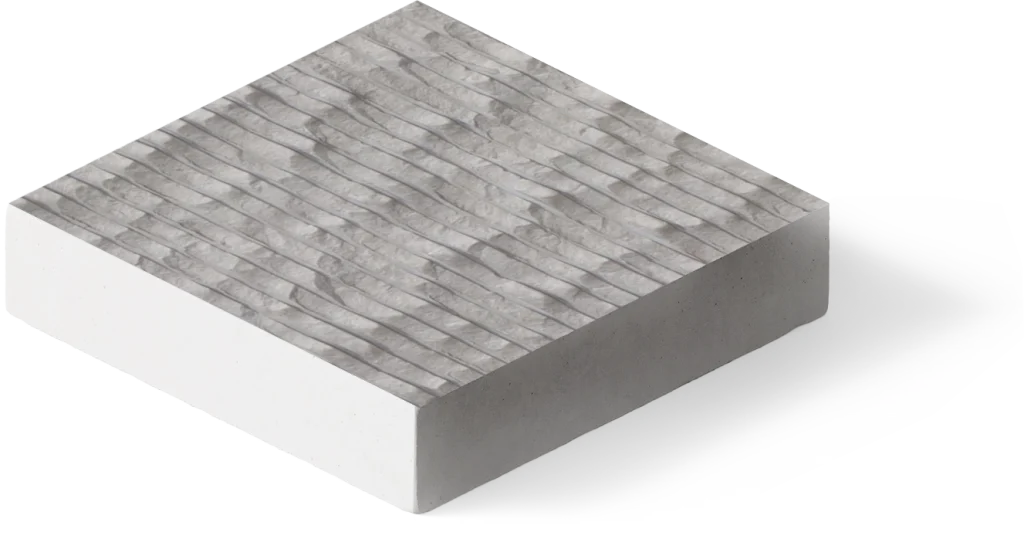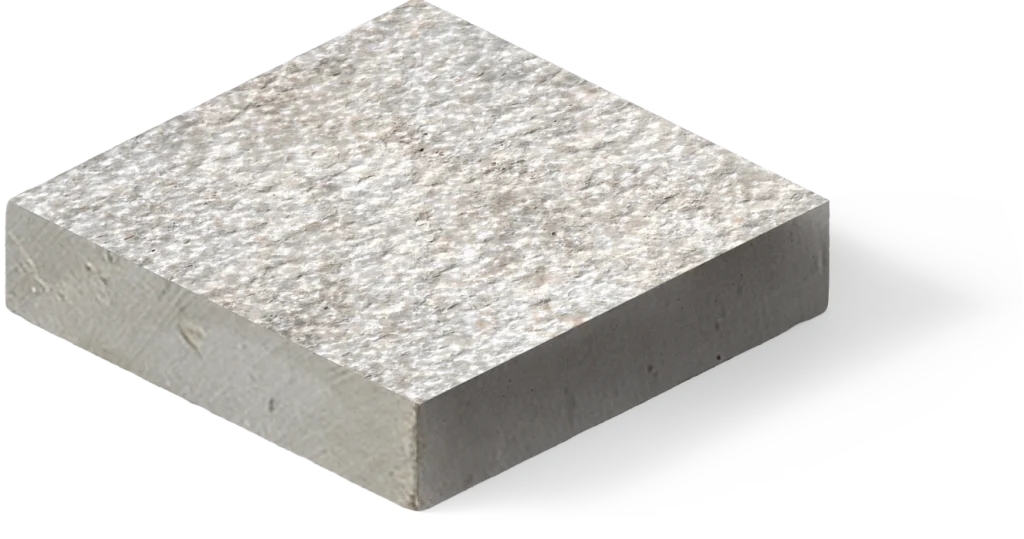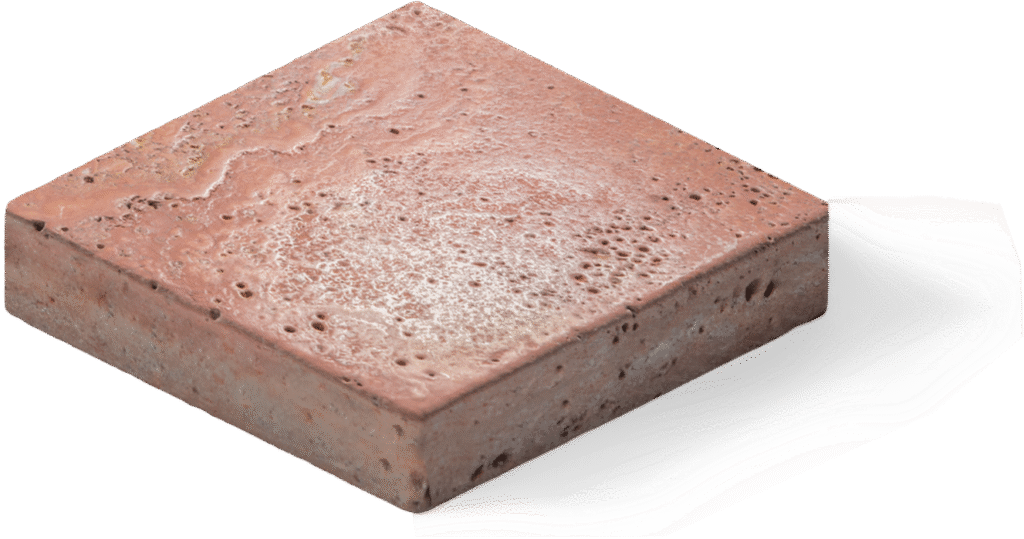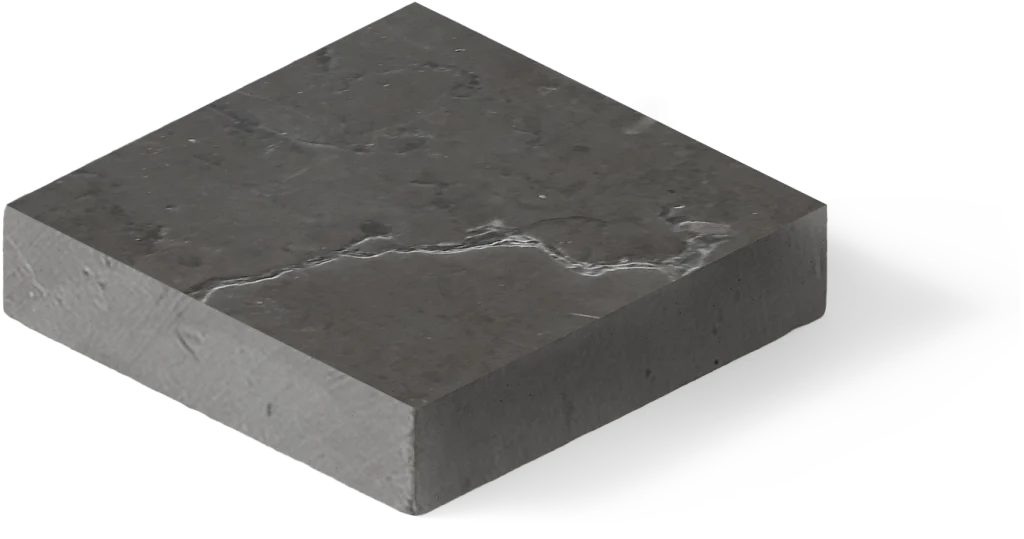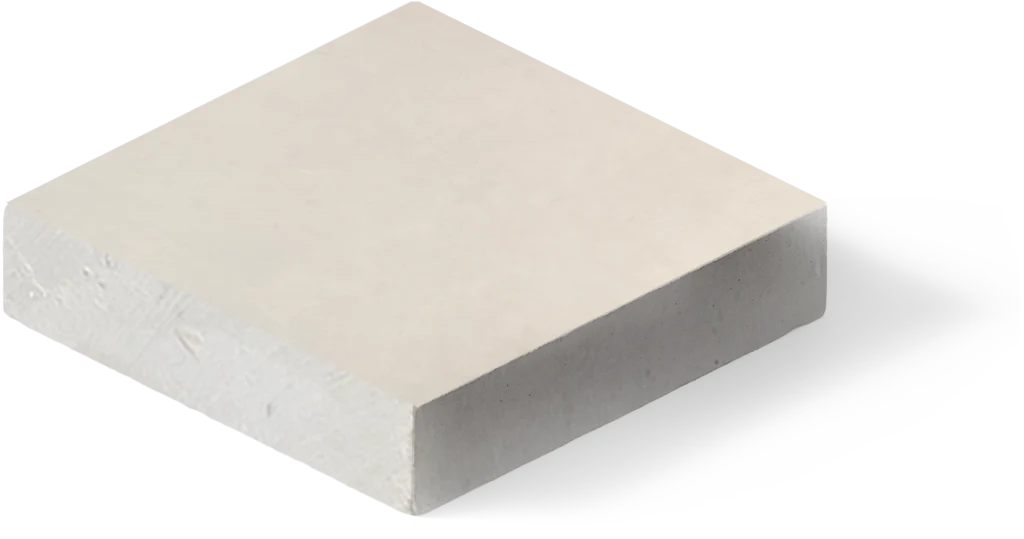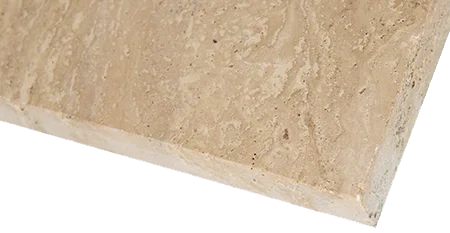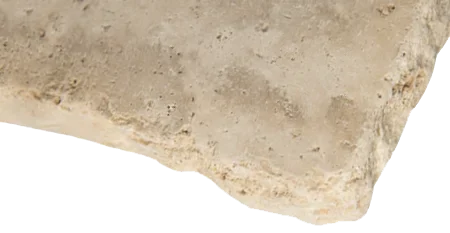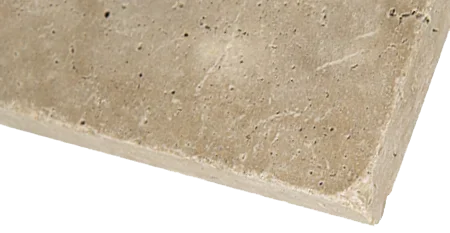

























Dehbid Botticino Polished
Processing Overview
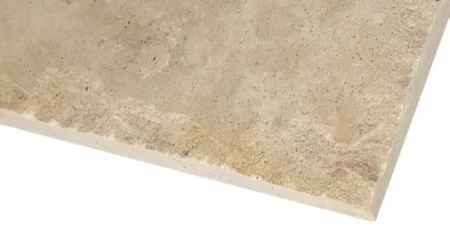
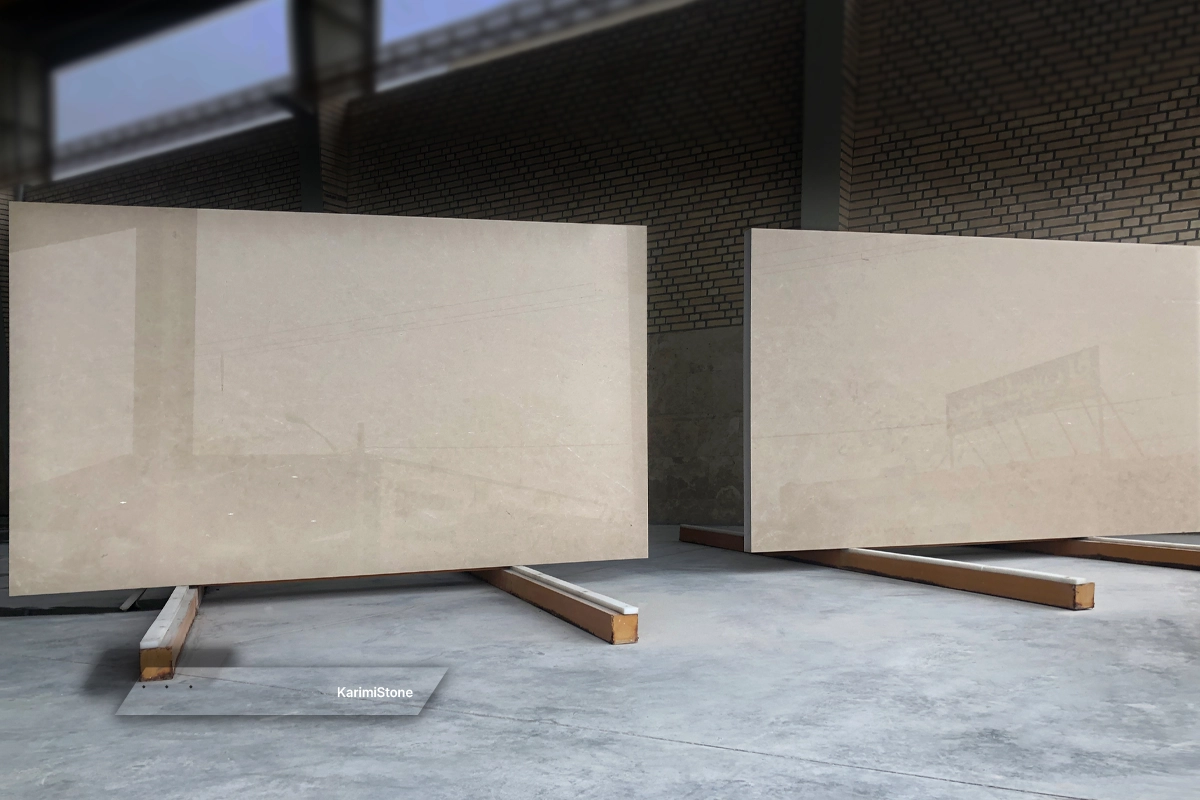
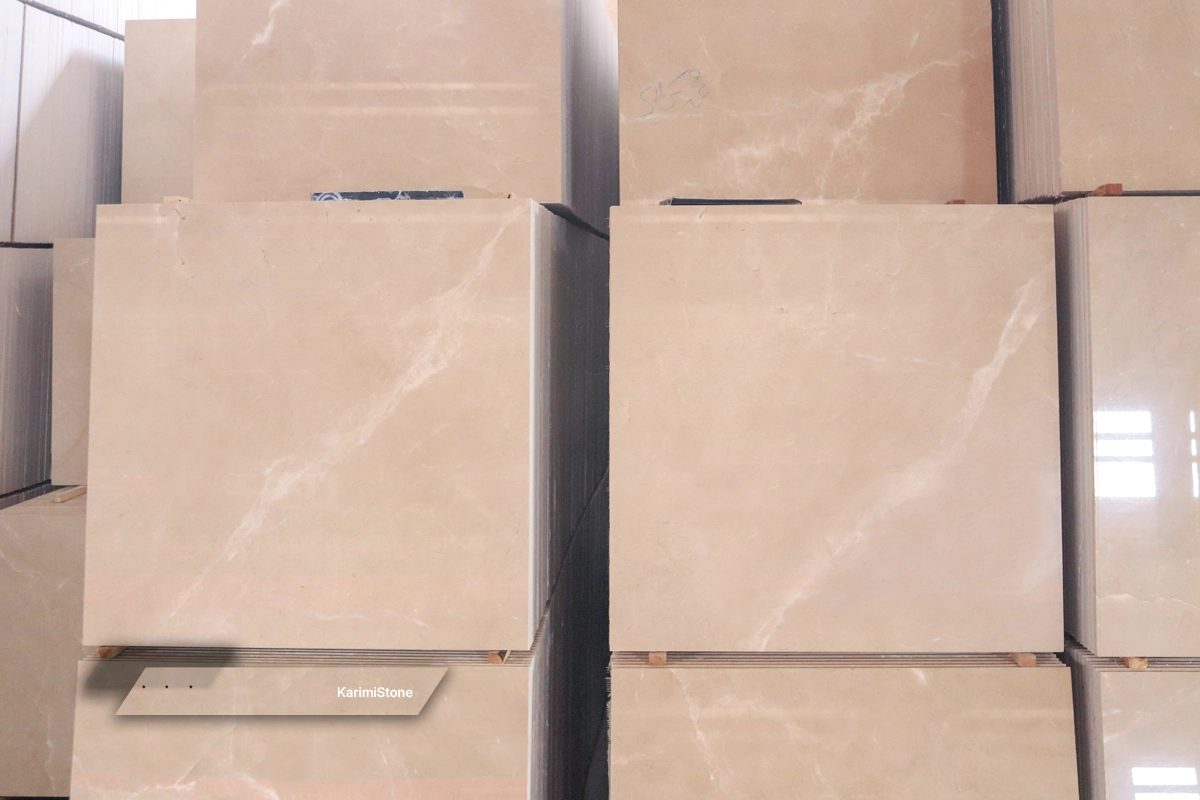
Dehbid Botticino Polished is produced using selected marble blocks extracted from the Dehbid area. After quarrying, the blocks are cut into slabs and gradually calibrated to achieve an even and accurate thickness. Each stage of cutting and surface preparation is carefully controlled to ensure a flat base before polishing begins. This step-by-step process helps maintain surface consistency, which is essential for interior architectural use.
Throughout production, slab thickness, surface flatness, and edge accuracy are monitored to ensure stable quality across all pieces. This controlled approach allows Dehbid Botticino Polished to meet the expectations of professional interior projects.
Polished Surface Treatment
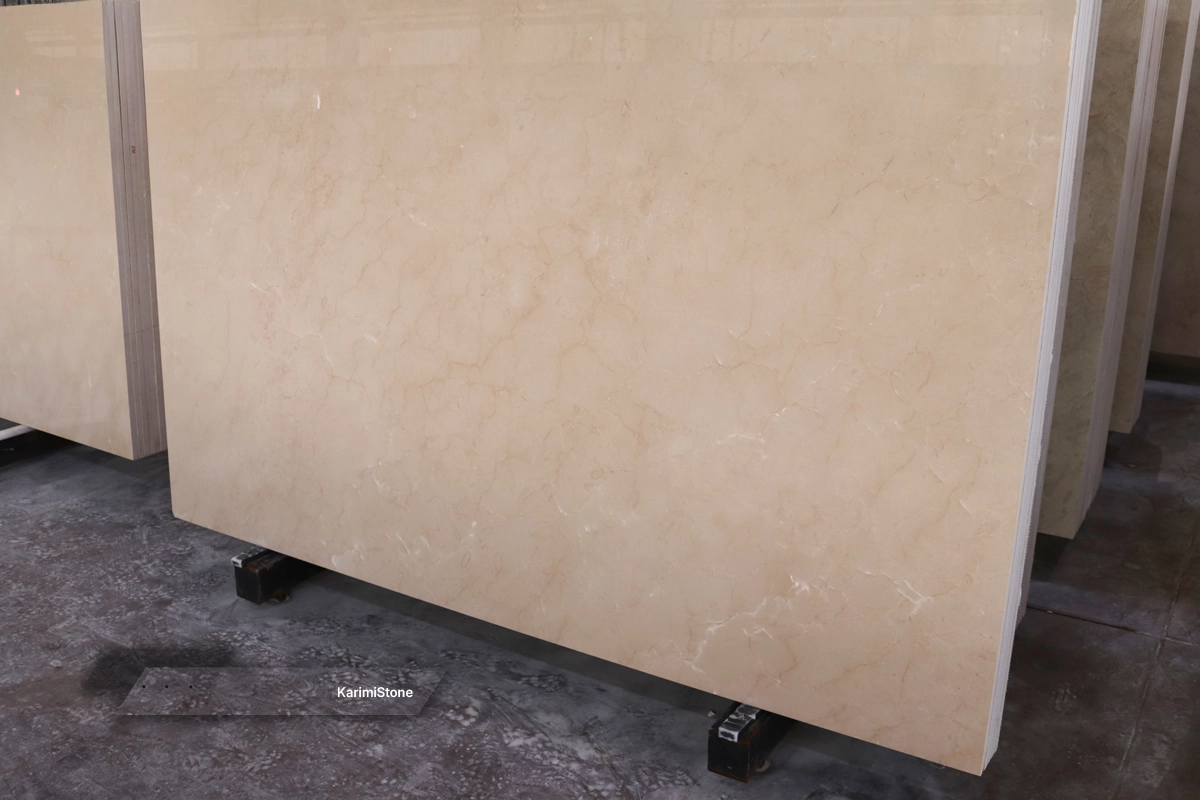
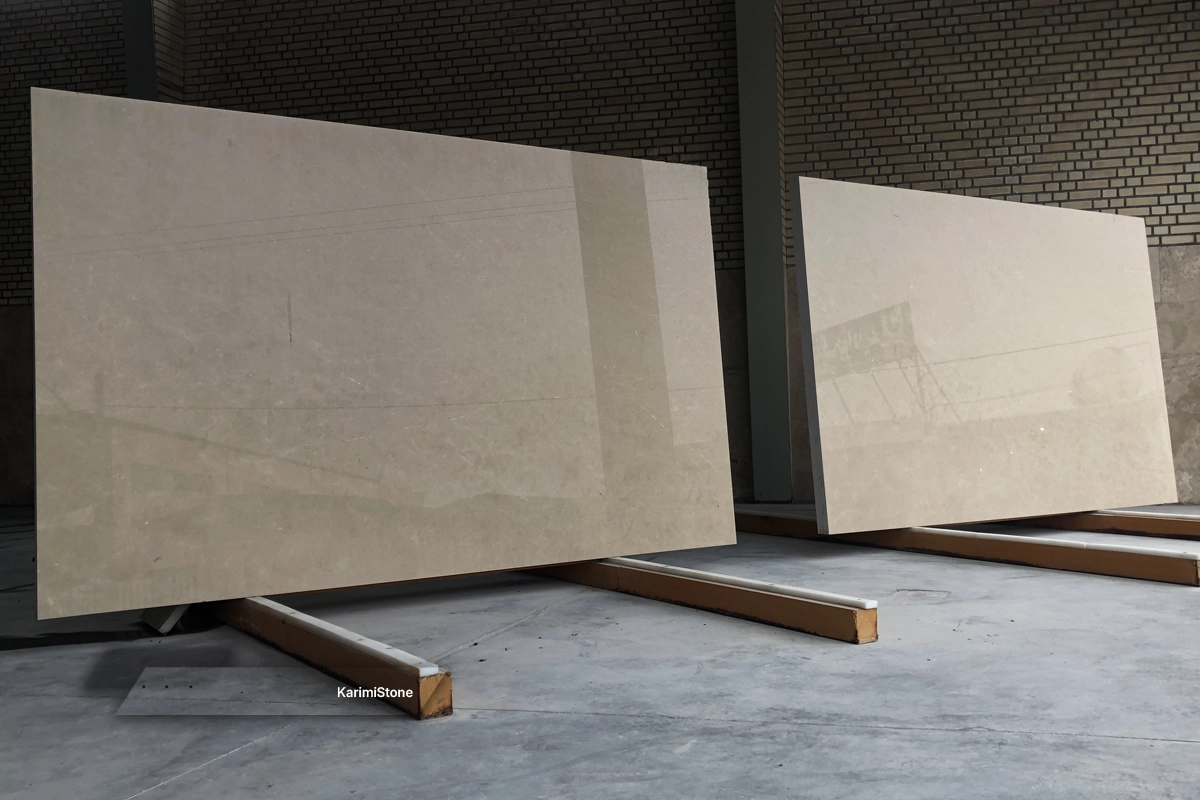
The polished finish is the standard and most widely used surface treatment for Dehbid Botticino Polished. During polishing, the stone surface is refined using progressive abrasives until a smooth and reflective finish is achieved. This process enhances the stone’s natural color and gives it a clear, clean surface.
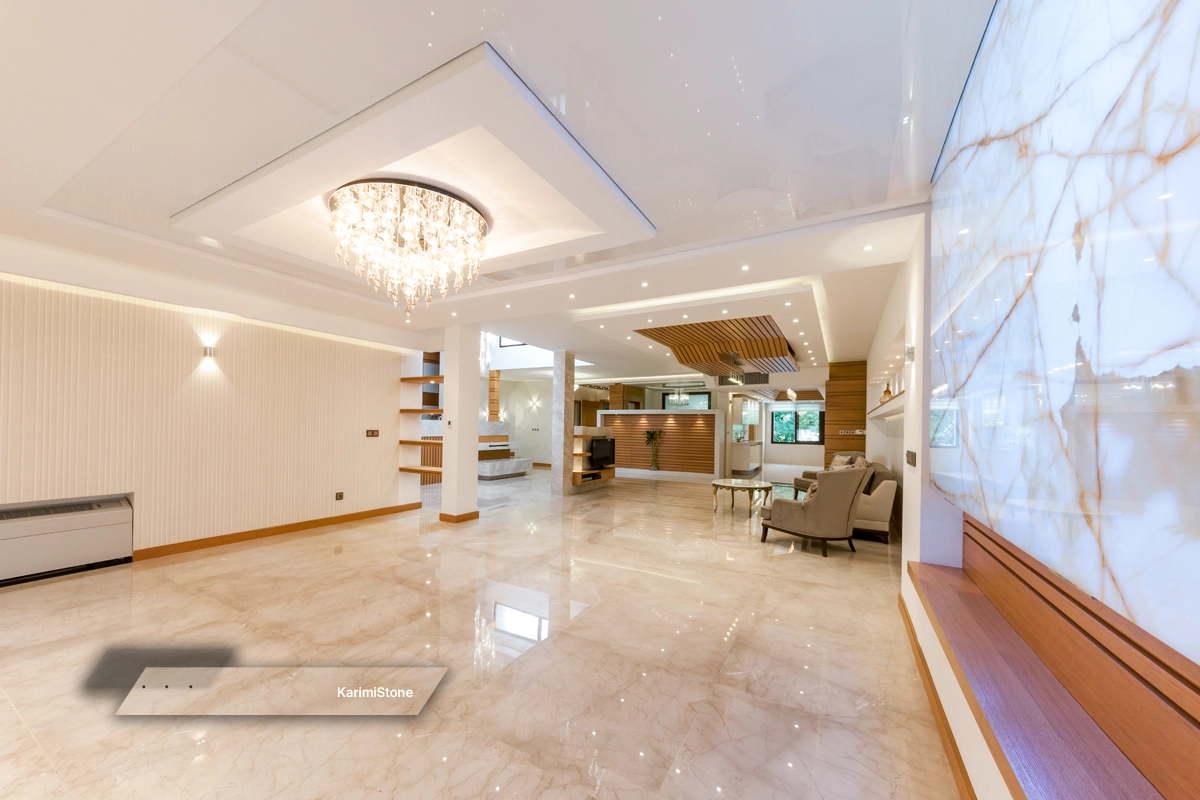
A polished surface reflects light effectively, making interior spaces appear brighter and more open. Because of this visual effect, Dehbid Botticino Polished is often chosen for projects that require a neat, refined, and well-defined interior look.
Quarry Location and Origin
Dehbid Botticino Polished is extracted from marble quarries located in the Dehbid region of Safashahr, in northern Fars Province, Iran. This region has a long-standing reputation for marble quarrying and stone export. Multiple active quarries operate in this area, each producing marble with slightly different characteristics.
Variations between quarries may affect background tone, clarity, and surface pattern. These natural differences allow architects and buyers to select the most suitable grade of Dehbid Botticino Polished based on design needs and budget considerations.
Visual Appearance
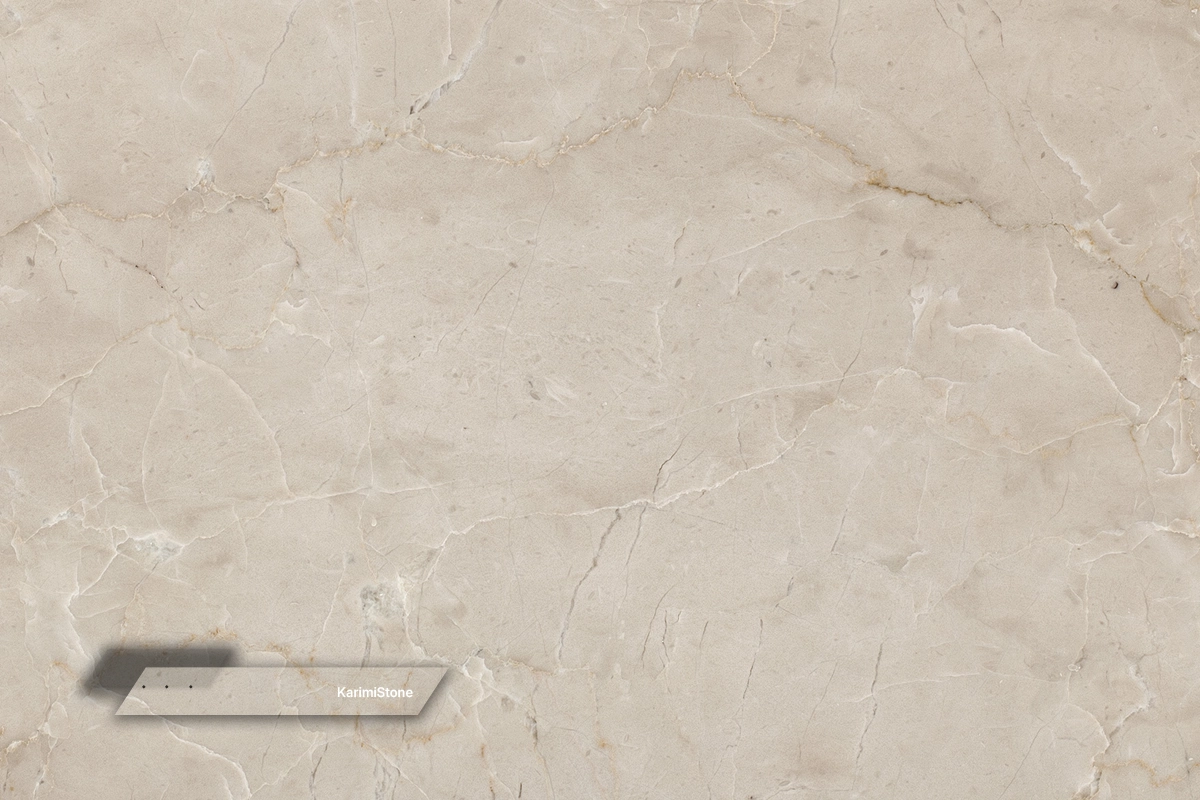
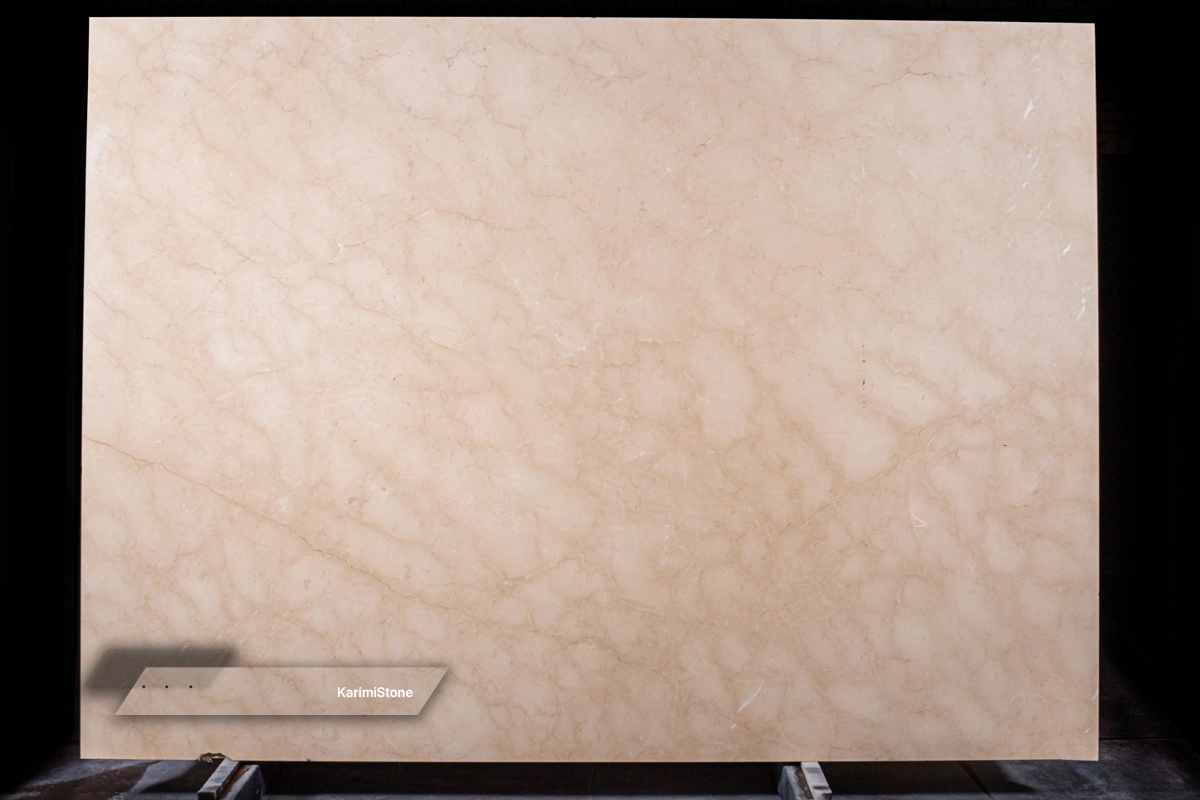
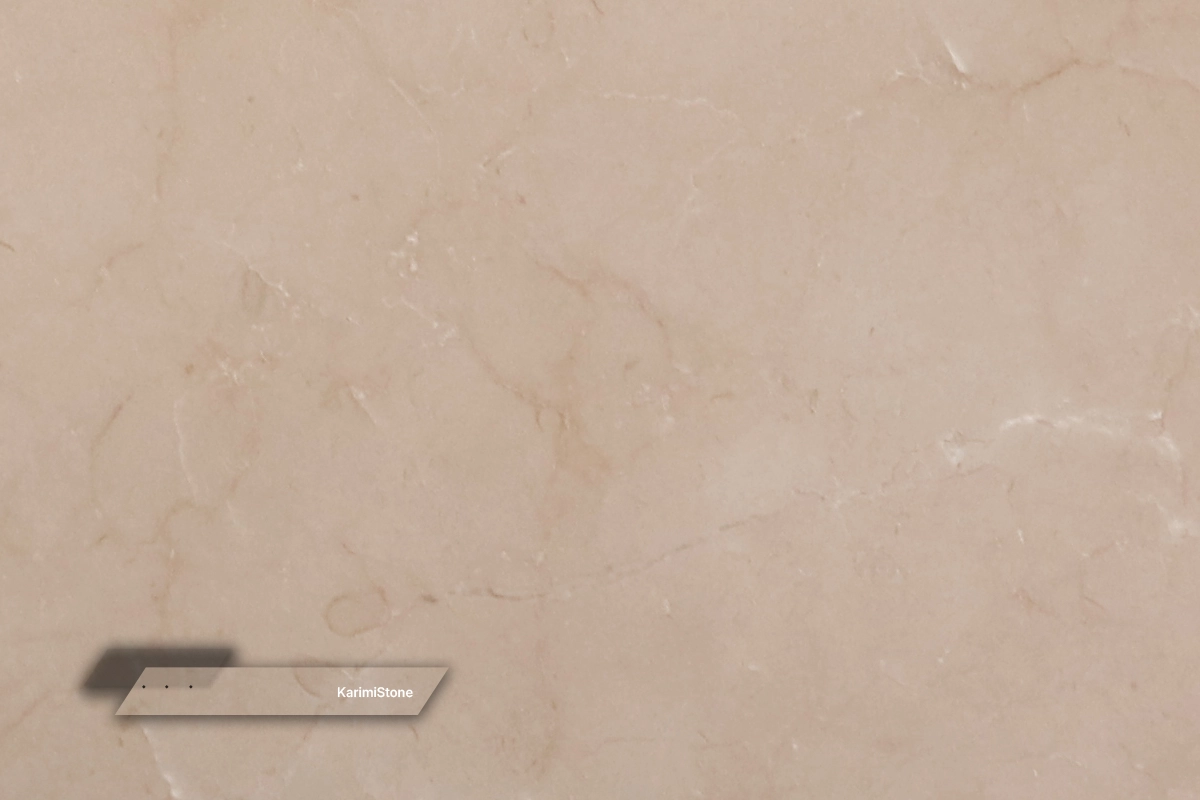
Dehbid Botticino Polished is known for its light cream to soft beige background. The overall look is calm and uniform, with minimal contrast. Some slabs may show gentle cloudy textures or fine natural lines, depending on the quarry and grade.
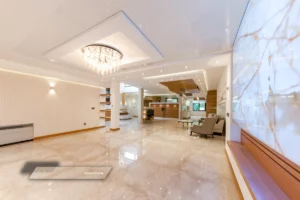
The polished finish increases brightness and gives the surface a smooth, clean appearance. This visual quality makes Dehbid Botticino Polished suitable for large interior surfaces, as it creates a balanced and orderly look without strong visual movement.
Interior Applications
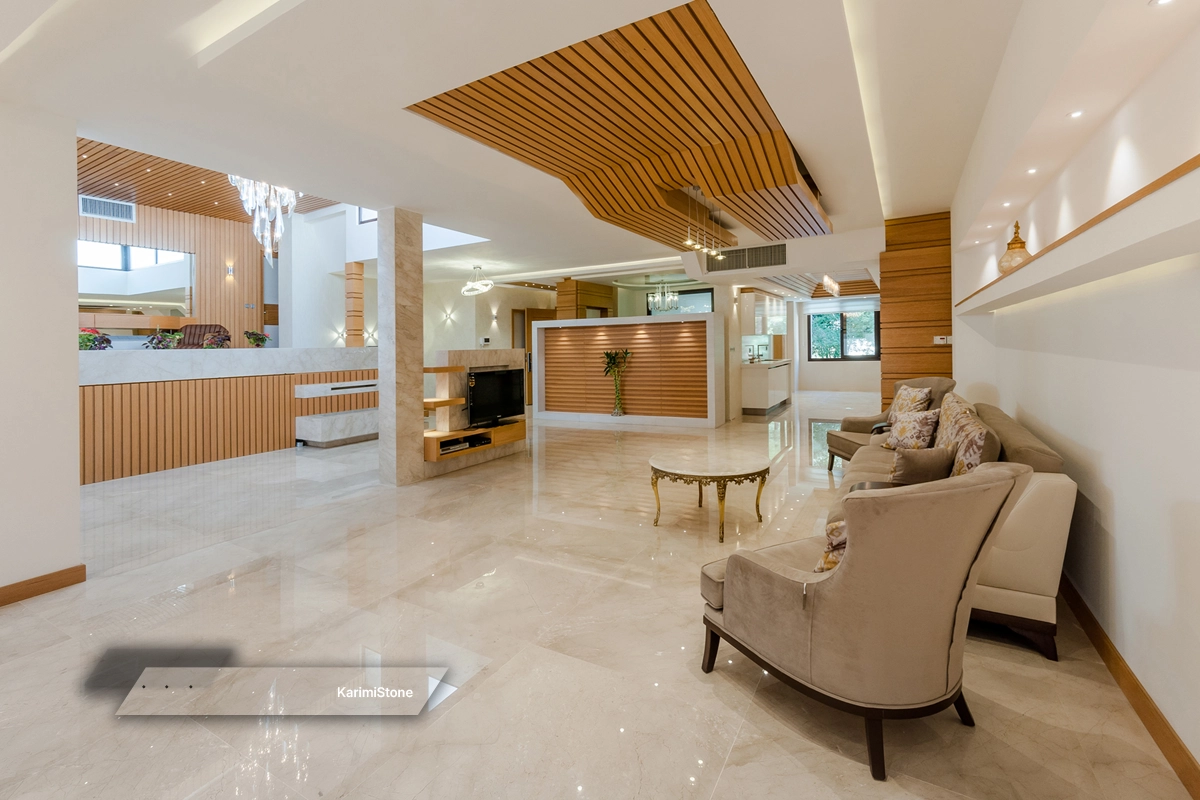
Dehbid Botticino Polished is mainly used in interior architectural projects, both residential and commercial. Typical applications include floor coverings in hotel lobbies, residential flooring, office interiors, interior wall cladding, staircases, and decorative stone elements.
When sealed properly and maintained under normal conditions, Dehbid Botticino Polished performs well in controlled indoor environments where visual clarity and surface quality are important.
Relation to Dehbid Marble
Dehbid Botticino Polished is part of the broader Dehbid marble group and is often known in international markets as Botticino marble. All stones in this group are sourced from the Safashahr region, with variations depending on quarry location and stone grade.
Differences in color tone, pattern softness, and slab clarity are natural and influence final selection and pricing. These characteristics allow Dehbid Botticino Polished to be matched accurately to different project requirements.
Dehbid Botticino Polished by Karimi Stone
Karimi Stone supplies and exports Dehbid Botticino Polished with a focus on controlled processing and consistent quality. From block selection to final polishing, each stage is managed to ensure uniform appearance and reliable performance.
With professional quality control, export-ready processing, and secure packaging, Karimi Stone delivers Dehbid Botticino Polished for both domestic and international interior projects.
Technical Standards and Quality Control
Natural stone performance is commonly evaluated based on international testing methods and quality standards. Key parameters such as water absorption, compressive strength, and surface resistance are defined by recognized organizations including
ASTM natural stone testing standards. These standards help architects and contractors select suitable marble materials for interior architectural applications.
For more marble collections and natural stone solutions, you can explore the
Karimi Stone product collection, where different marble types, finishes, and project-based supply options are available.
Architectural Value and Design Benefits
This marble is widely used in architectural projects that require visual clarity, balanced surface appearance, and consistent material quality. Its light background tone and polished finish improve light reflection and create a sense of spatial continuity in interior environments.
Because of its stable structure and controlled processing, this stone is suitable for residential and commercial interiors, large floor areas, and decorative architectural elements where durability and visual harmony are important.