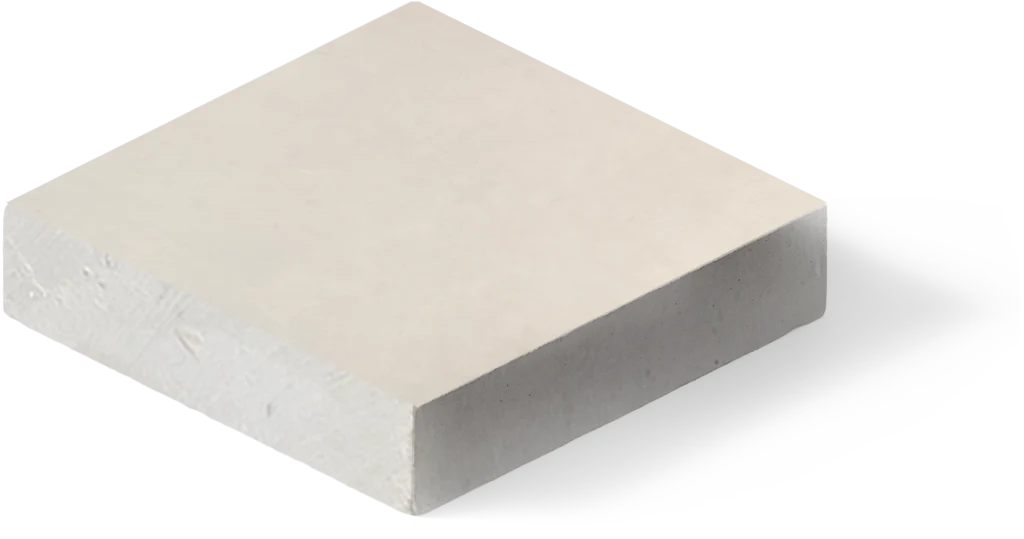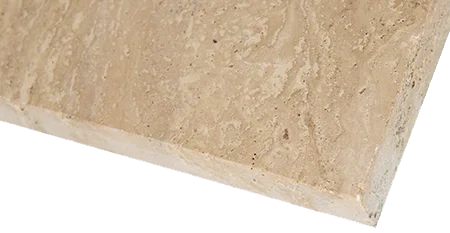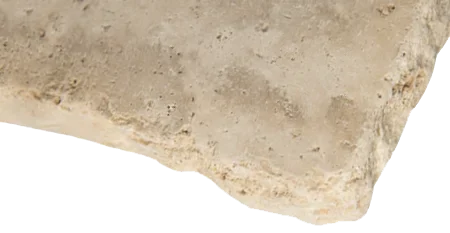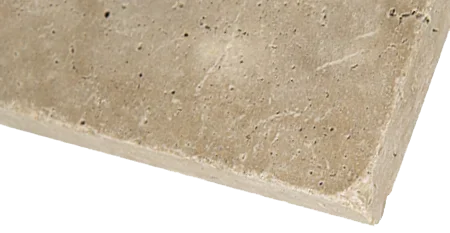












Gohare Cut-broken Limestone
Technical Overview, Surface Process & Professional Supply
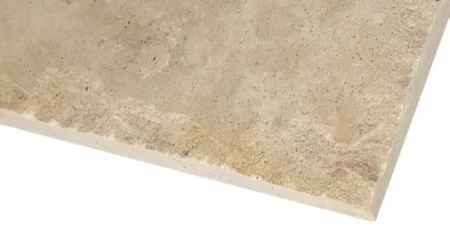
Gohare Cut-broken is a distinctive architectural finish of Gohare Limestone, developed for projects that require strong texture, natural depth, and a rustic yet controlled appearance. Extracted from the well-known Gohare quarries in Khorramabad, Lorestan Province (western Iran), this limestone has been supplied to major domestic and international projects for more than 75 years.
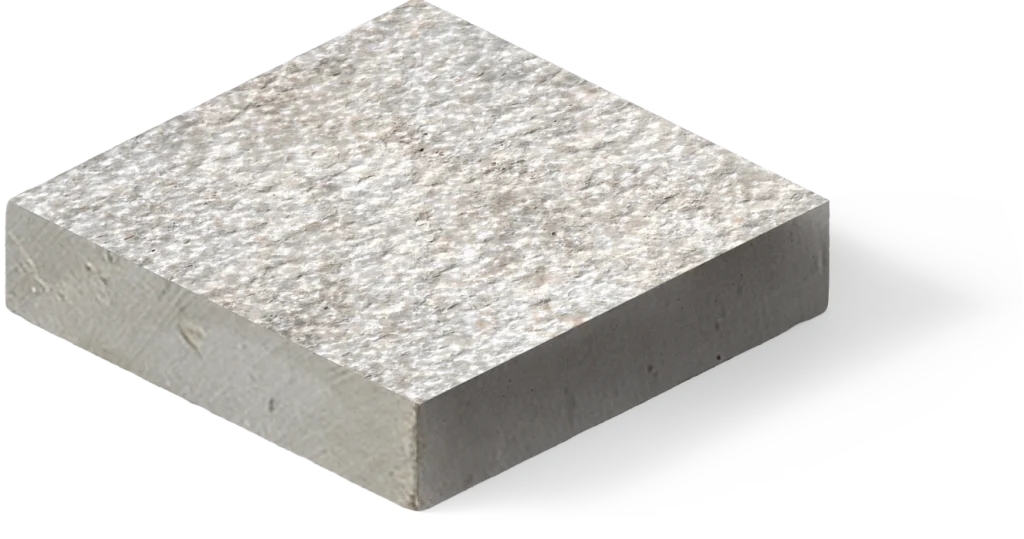
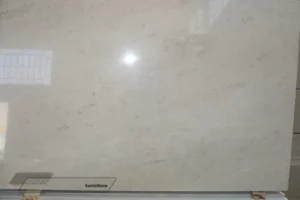
Gohare Limestone is known for its light cream to beige background, sometimes accompanied by gray fossil patterns. The fossil intensity varies from low to high, allowing architects and designers to select the appropriate visual sort based on project requirements. Thanks to its dense structure and fine grain, Gohare Limestone offers structural stability along with architectural flexibility.
When processed as Gohare Cut-broken, the stone develops a textured surface that improves its natural character while keeping its mechanical performance.
Geological & Technical Characteristics of Gohare Limestone
Before focusing on the cut-broken finish, it is important to understand the base material.
Gohare Limestone features:
- High density
- Strong abrasion resistance
- Very good resistance to cold and freezing
- Medium water absorption
- Excellent suitability for CNC cutting and shaping
What Is Gohare Cut-broken?
Cut-broken Finish Explained
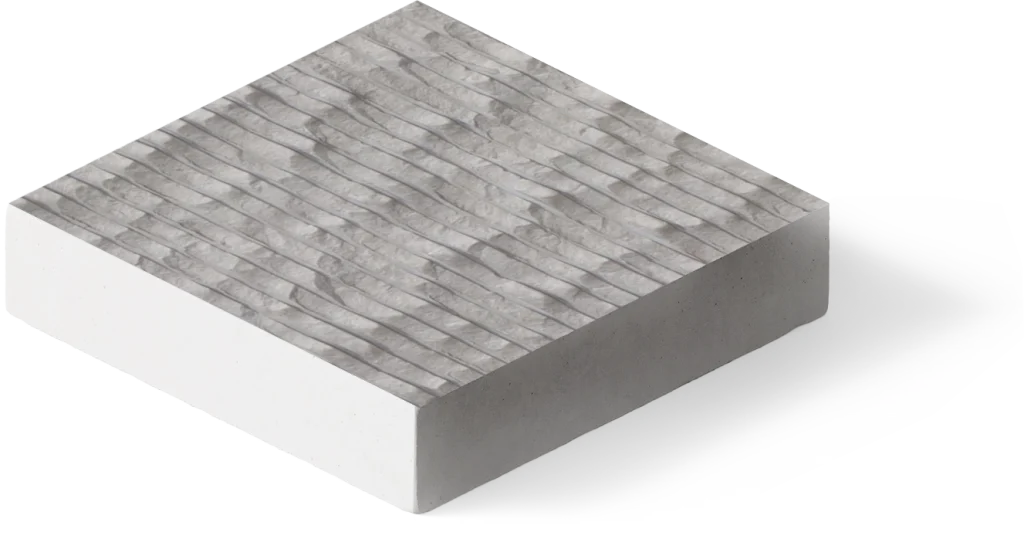
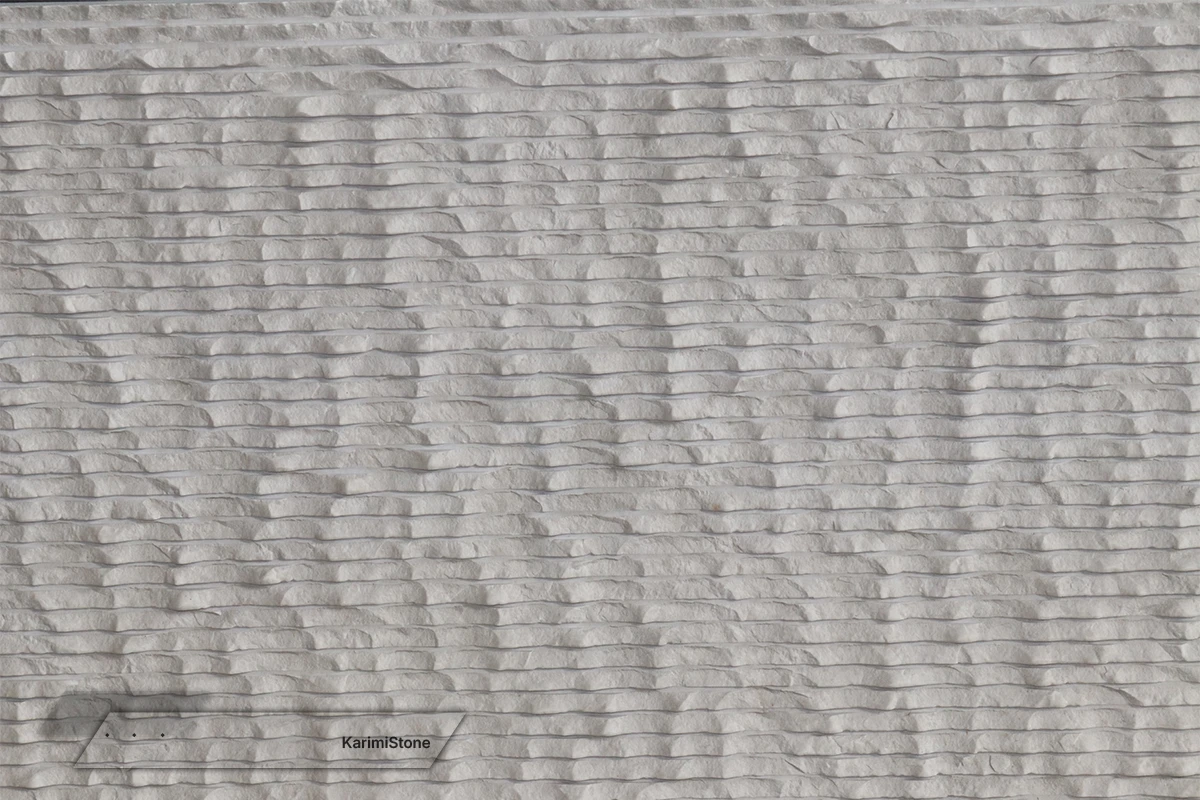
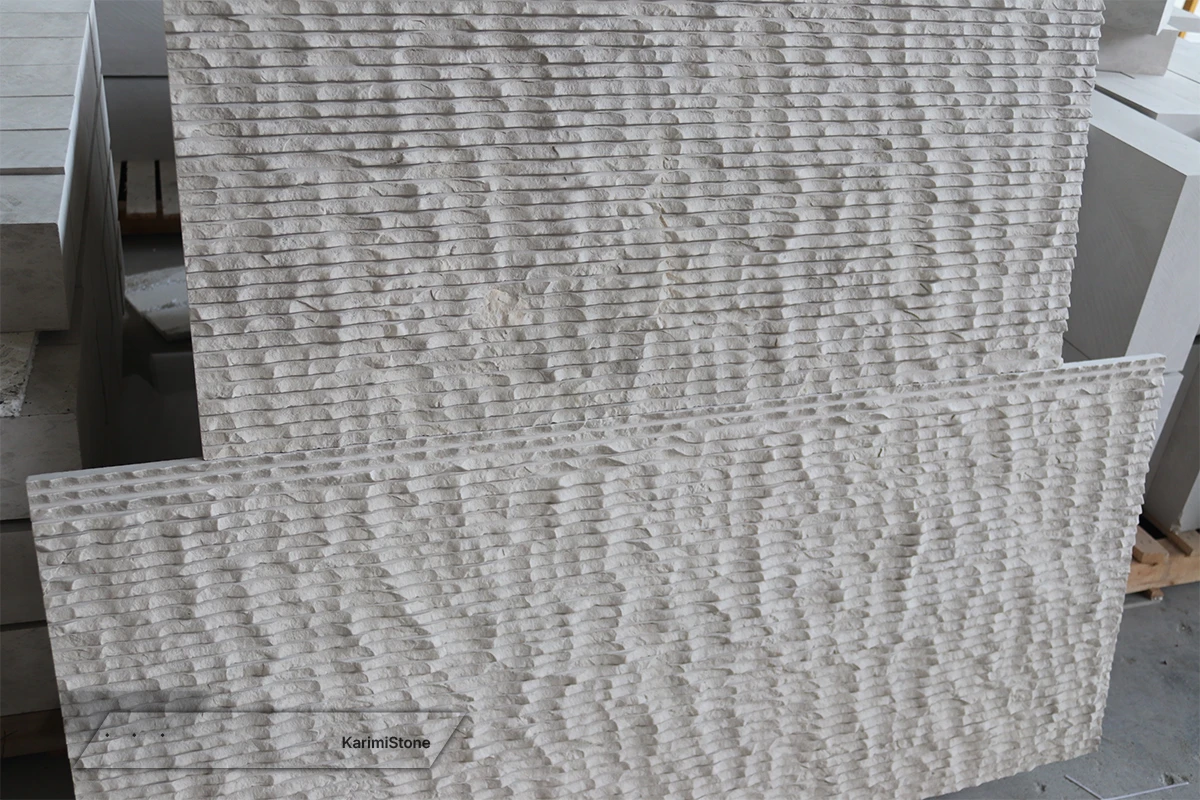
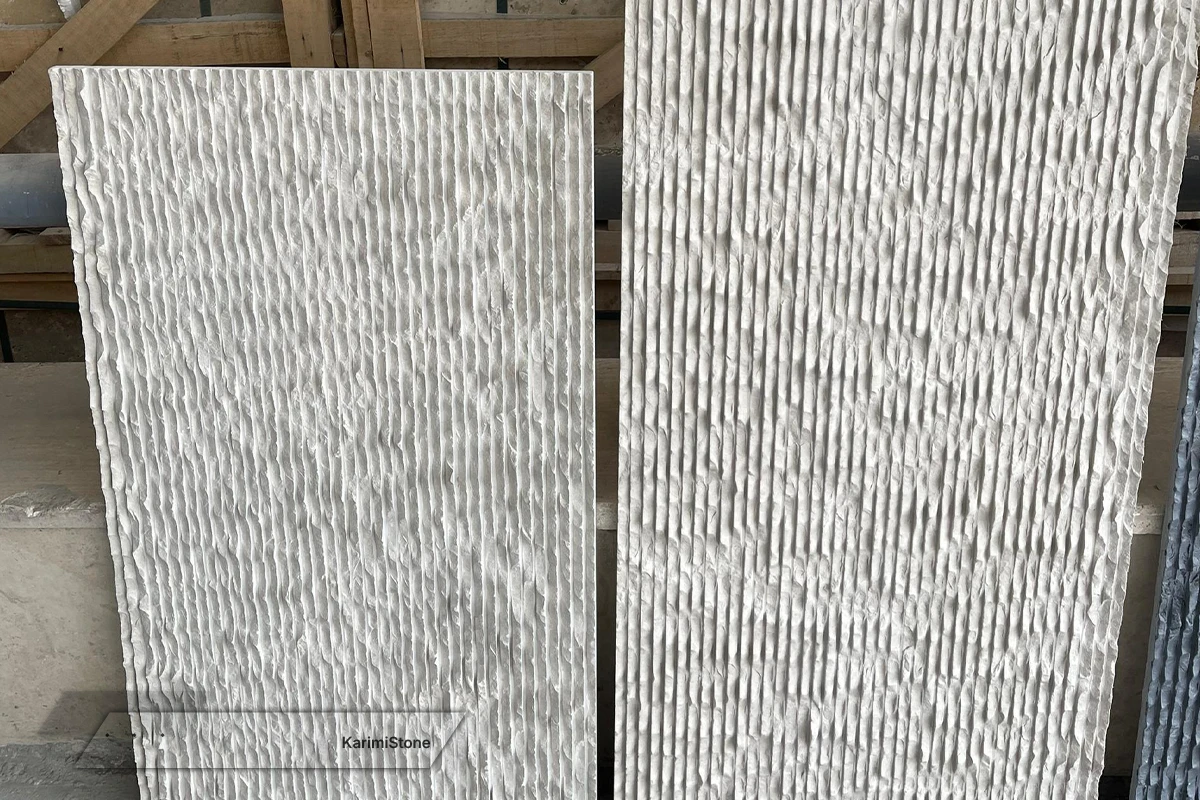
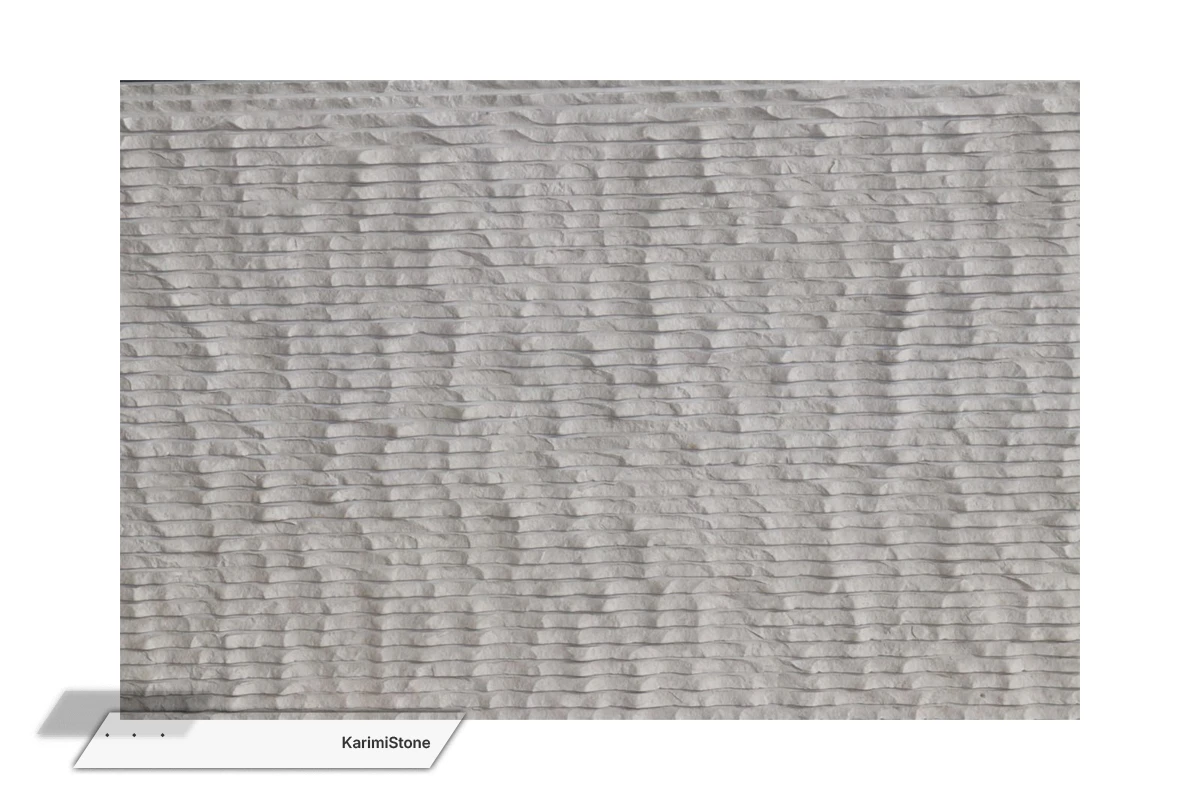
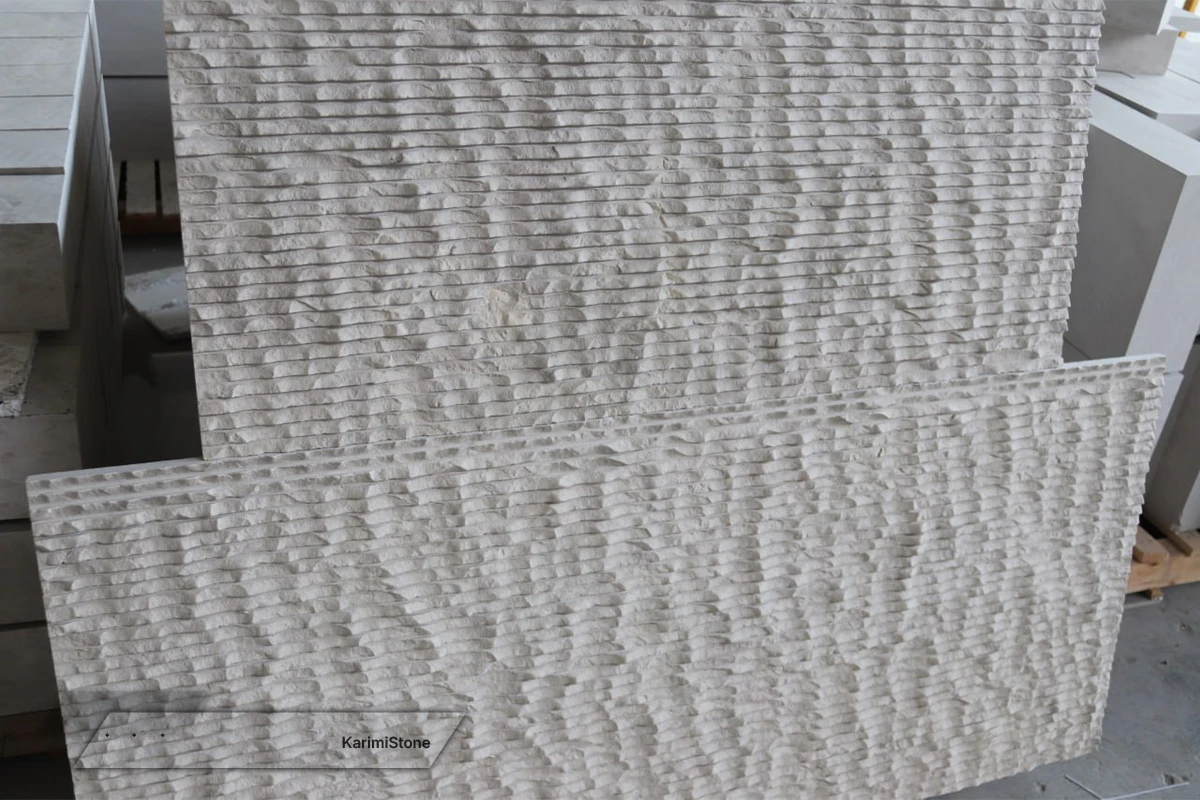
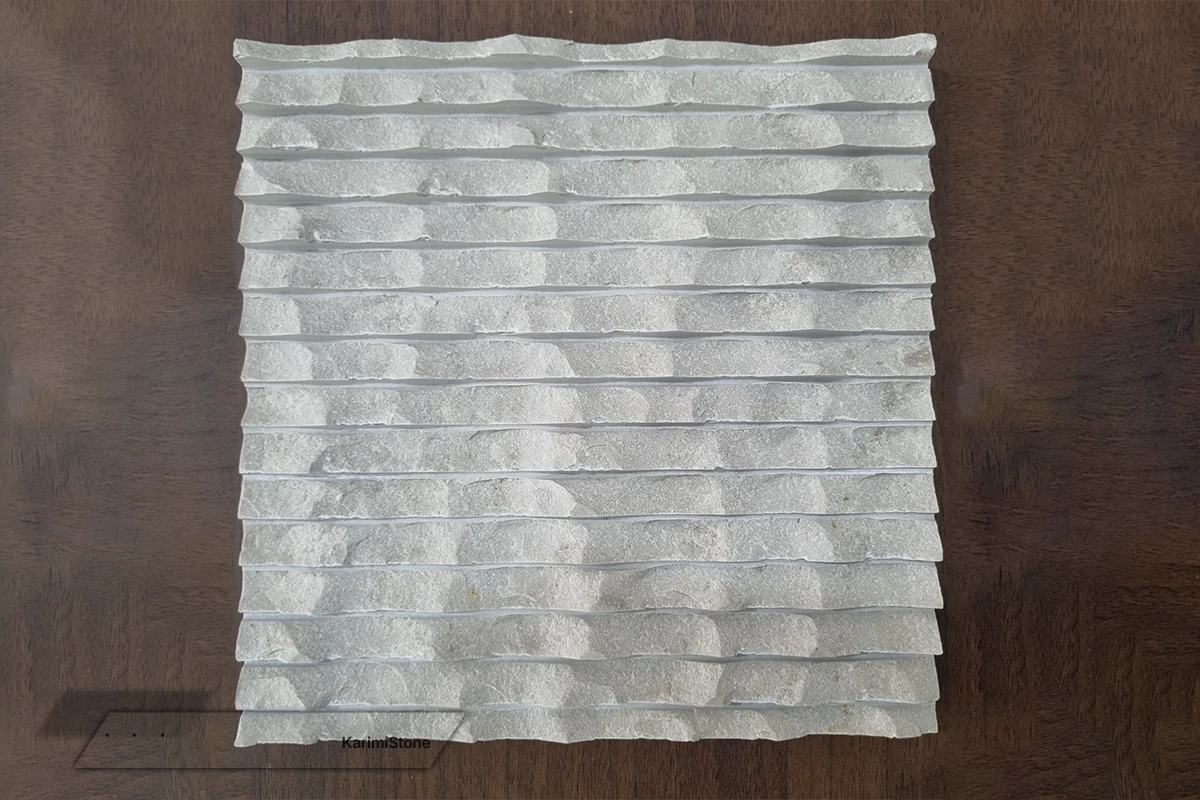
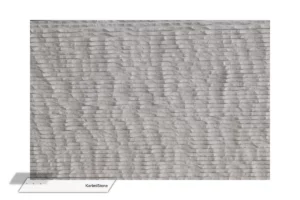
The cut-broken finish is a specialized surface treatment that combines controlled cutting with mechanical breaking to create a natural, irregular texture.
According to the production method:
- The stone surface is first grooved in parallel lines.
- After grooving, the grooved edges are manually or mechanically broken.
- This controlled breaking process creates irregular and natural surface ridges.
The result is a structured yet rustic appearance. Unlike smooth finishes such as honed or polished, Gohare Cut-broken intentionally maintains uneven surface edges that interact dynamically with light and shadow.
This method gives the stone a decorative and architectural character, making it especially suitable for façade and design-focused projects.
Visual Character of Gohare Cut-broken
The surface of Gohare Cut-broken is defined by:
- Irregular natural edges
- Textured surface relief
- Enhanced fossil visibility
- Strong light-and-shadow contrast
- Rustic yet architectural appearance
Because the surface is first grooved and then broken, the texture appears structured rather than random. This combination creates depth and rhythm across the stone face, giving façades and feature walls a bold architectural presence.
Applications of Gohare Cut-broken
Due to its distinctive surface and reliable base material, Gohare Cut-broken is widely used in:
- Exterior wall cladding
- Architectural façades
- Classic and Mediterranean-style projects
- Commercial and public building façades
The textured surface makes it especially effective in vertical applications, where shadow lines enhance the visual impact of the structure.
However, like most limestones, Gohare Limestone is not recommended for areas with excessive and constant water exposure such as restaurant kitchen floors.
Sorting & Surface Selection
Gohare Limestone is categorized based on fossil intensity:
- Low-fossil selection
- Medium-fossil selection
- High-fossil selection
These classifications relate to visual appearance rather than structural quality. In Gohare Cut-broken, accurate sorting is particularly important because the textured surface highlights fossil distribution more clearly.
The Role of Karimi Stone in Gohare Cut-broken Supply
Karimi Stone (Negin Sang Karimi), as the exclusive quarry license holder of Gohare Limestone, plays a central role in the production, and supply and export of Gohare Cut-broken for large-scale architectural projects.
Because quarry ownership and processing are fully integrated, Karimi Stone guarantees stable supply, consistent quality, and on-time delivery for domestic and international projects.