Top ProductBest SellerNew

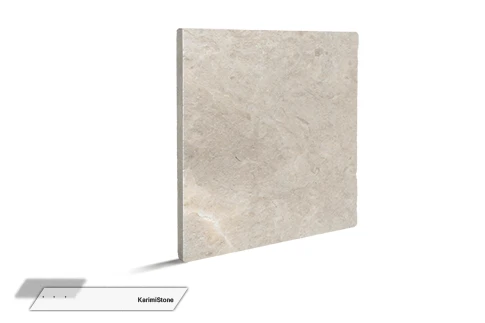


Gohare Limestone Honed Introduction to Gohare Honed Gohare Honed refers to Gohare Limestone processed with a honed surface…

Select your preferred language
Share With
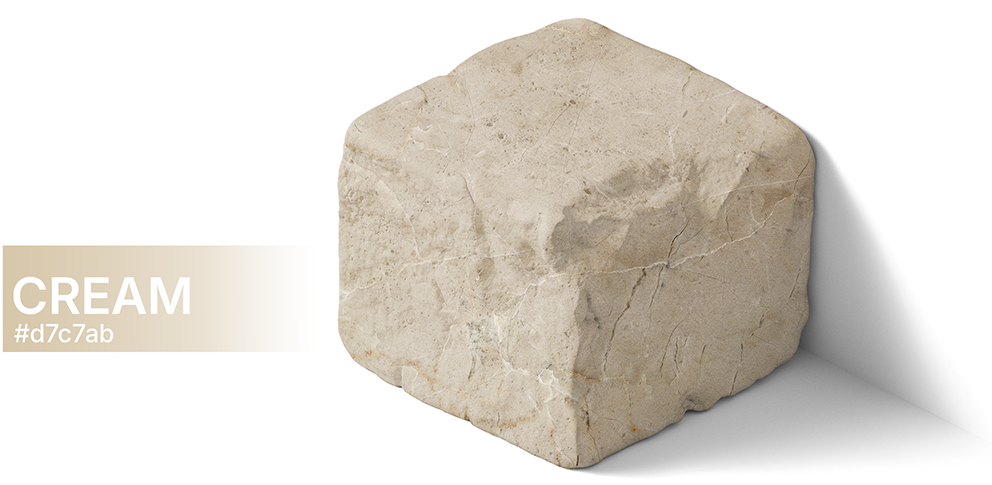
Cream natural stone embodies softness, elegance, and timeless neutrality in architectural materials. This light, warm off-white tone—ranging from soft ivory and pale cream to subtle golden-cream shades—appears prominently in varieties such as travertine, limestone, and marble. Formed through sedimentary and metamorphic processes, cream hues arise from pure calcium carbonate with minimal impurities, delivering a gentle, luminous quality. Cream stones create bright, airy, and inviting spaces, blending effortlessly with diverse palettes while offering natural texture and enduring appeal for both interior and exterior use.
Gohare Limestone Honed Introduction to Gohare Honed Gohare Honed refers to Gohare Limestone processed with a honed surface…

✓
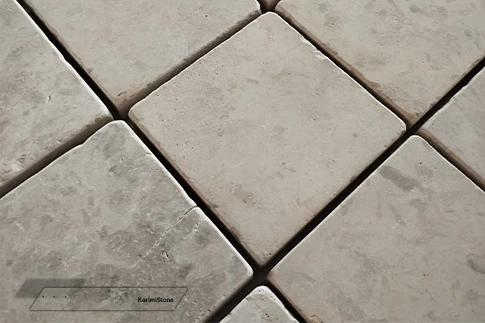
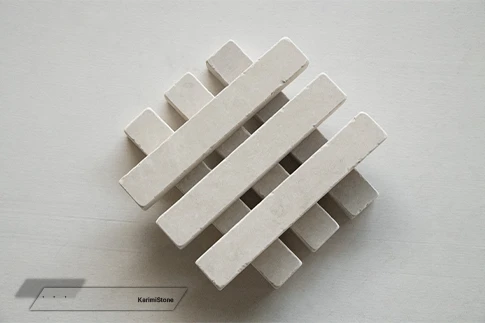
Gohare Honed & Tumbled Introduction to Gohare Honed & Tumbled Gohare Honed & Tumbled is a textured version…

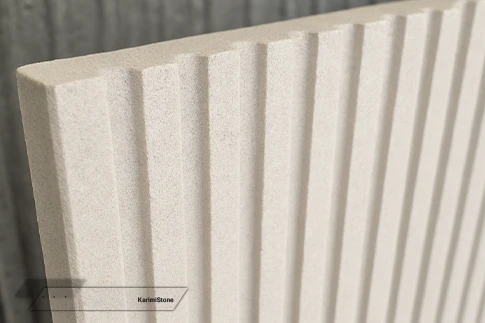

Gohare Grooved Limestone Gohare Grooved Limestone is a structured and textured architectural stone surface developed from Gohare Limestone,…
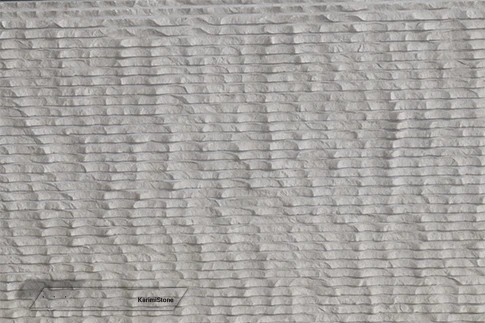
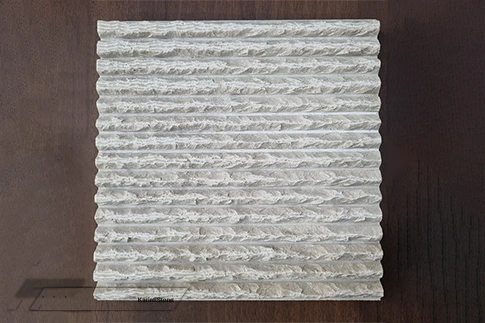
Gohare Cut-broken Limestone Technical Overview, Surface Process & Professional Supply Gohare Cut-broken is a distinctive architectural finish of…

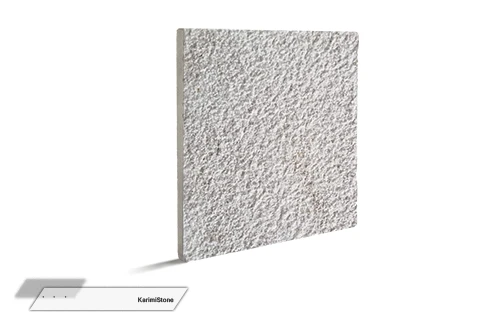


Gohare Bush-hammered Limestone Introduction to Gohare Bush-hammered Limestone Gohare Bush-hammered Limestone is a high-performance textured surface finish of…

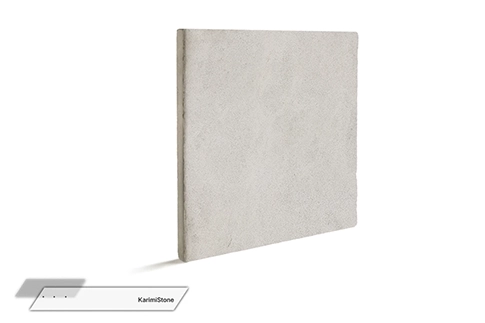

Gohare Sandblasted Limestone Introduction to Gohare Sandblasted Limestone Gohare Sandblasted Limestone is a textured architectural surface developed from…
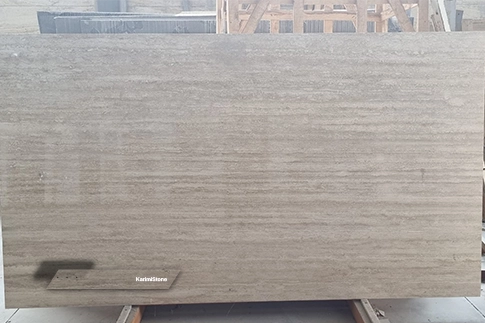
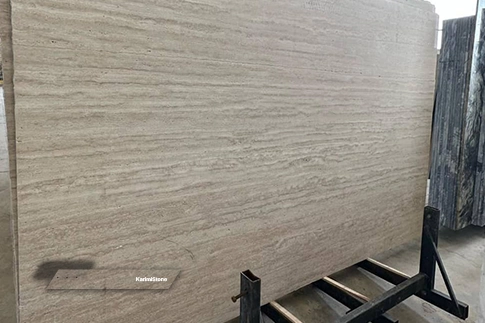

✓
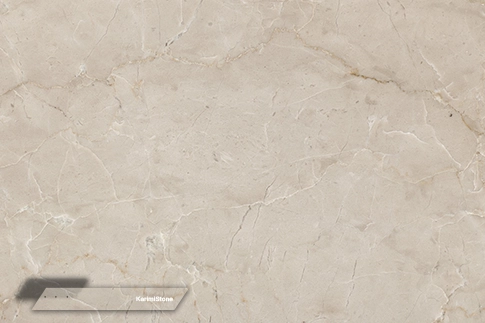
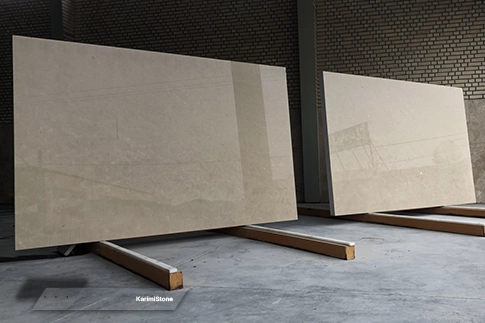
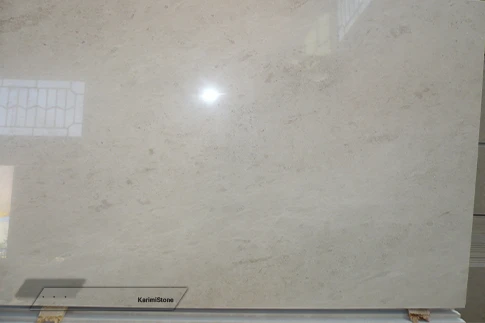
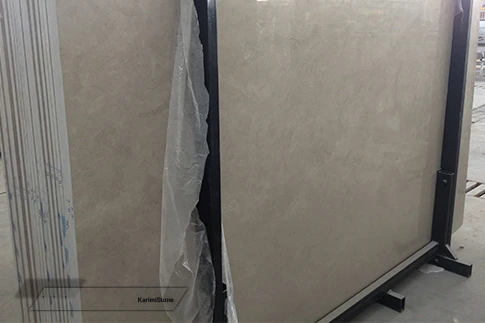
Dehbid Botticino Polished Processing Overview Dehbid Botticino Polished is produced using selected marble blocks extracted from the Dehbid…
Cream natural stones primarily originate from sedimentary rocks like travertine and limestone, with metamorphic marble variants. Travertine forms as calcium carbonate precipitates from mineral-rich geothermal waters around hot springs, creating porous layers and a light, creamy base when impurities are low. Limestone accumulates from marine sediments and shells compacted over millions of years, yielding pure cream tones in low-iron deposits. The cream coloration results from high-purity calcite with trace minimal oxides or organics—avoiding darker hues from iron or clay. In marble, recrystallized limestone under heat and pressure retains cream shades when original sediments lack strong coloring agents, often showing subtle veining from faint mineral variations. Each slab’s uniformity or gentle patterns reflect natural deposition conditions.
Cream natural stones excel in projects emphasizing brightness, sophistication, and subtle luxury, widely used in residential and commercial interiors and exteriors.
Cream natural stones—spanning travertine, limestone, and marble—are ideal for designs prioritizing light, refinement, and airy ambiance. Light cream travertine brings rustic Mediterranean charm to modern or traditional homes, while cream limestone and marble deliver polished luxury in kitchens, bathrooms, and high-end interiors. These stones perform excellently outdoors on patios and pools, thanks to their texture and cool feel. With proper sealing and maintenance, cream stones retain their soft glow, resist staining, and age gracefully—perfect for residences, hotels, spas, and commercial spaces seeking welcoming, elegant, and naturally illuminated environments.