



Select your preferred language
Share With
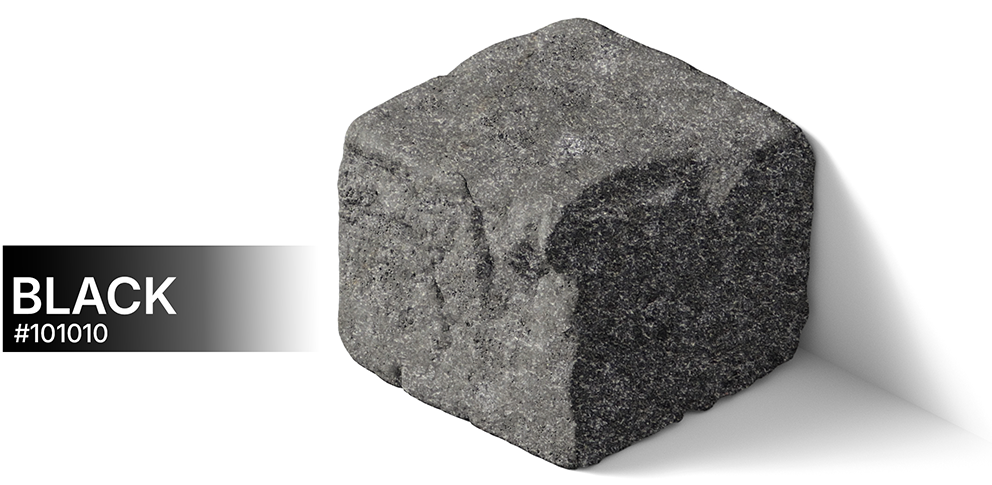
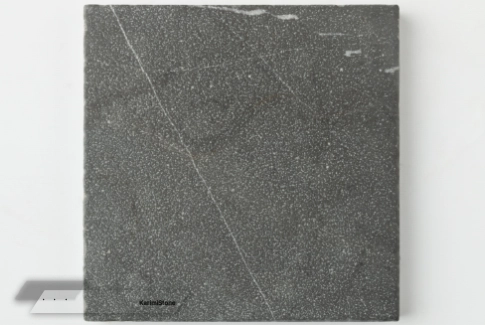
Black natural stone represents strength, elegance, and architectural contrast. Known for its deep tone and strong visual presence, black stone is widely used in modern and classical projects where a bold, refined, or minimalist aesthetic is desired. This color appears in several natural stone types, including granite, marble, basalt, and some dense limestones, each offering different textures, finishes, and technical properties.
✓


✓

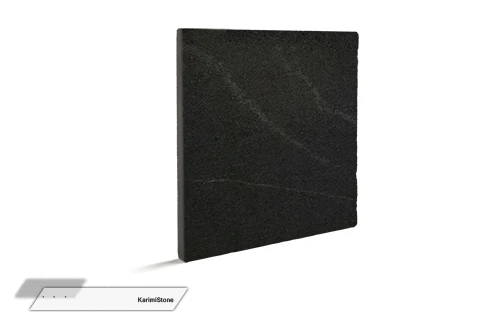

✓

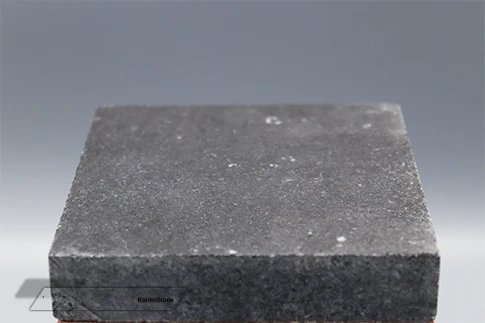
✓
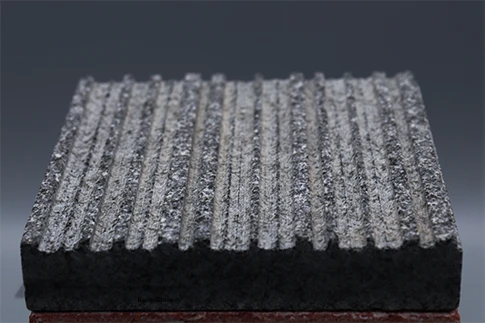
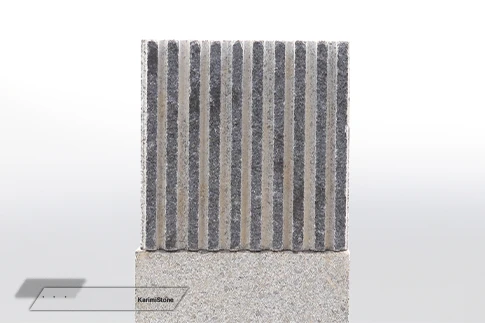
✓
✓

✓
In architectural design, black stone is frequently selected for façades, flooring, feature walls, stairs, urban paving, and landscape elements. Its dark tone creates strong contrast with lighter materials such as glass, metal, concrete, and wood, making it a popular choice for contemporary buildings, luxury interiors, and public spaces. Black stone can also be used
to emphasize architectural lines, entrances, and focal design elements.
Because black tones are found in multiple stone types, designers can maintain a consistent color palette across different applications while selecting materials with appropriate technical performance. This flexibility makes black natural stone a powerful and practical choice for a wide range of projects.
The black color in natural stone is typically the result of mineral composition and geological formation processes. In many stones, dark tones are created by the presence of minerals such as graphite, iron, magnesium, or volcanic components formed under intense pressure and heat.
In igneous stones like granite or basalt, the black color forms as magma cools slowly beneath the Earth’s surface, creating a dense crystalline structure. In marble, dark tones may result from carbon-rich minerals trapped within the stone during metamorphic transformation.
Similarly, some limestones and sedimentary stones develop black or dark grey tones due to organic material and mineral deposits over long geological periods.
These natural processes create subtle variations in shade, grain, and texture, giving black stone depth and character while preserving overall visual consistency.
Black is a naturally occurring color across several types of building stones, each offering unique structural and visual characteristics.
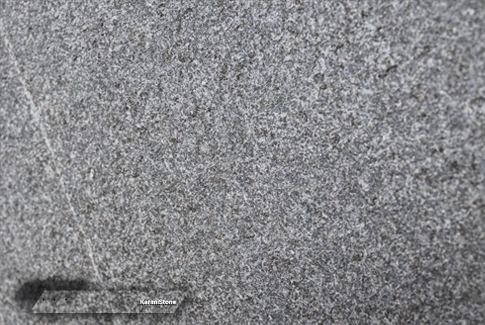
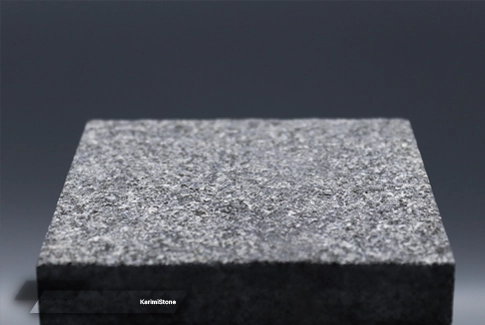
Black granite is one of the most durable natural stones, formed from cooled magma. It has a dense crystalline structure and is highly resistant to wear, heat, and moisture, making it suitable for exterior façades, flooring, countertops, and public spaces.
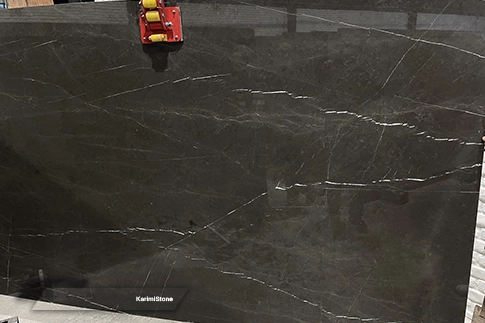
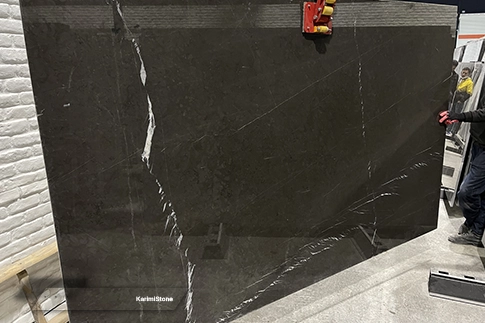
Black marble typically features a rich, deep background with natural veining. It is widely used in interior flooring, wall cladding, staircases, and luxury architectural elements where a sophisticated and elegant appearance is desired.
Black natural stone is widely used in both interior and exterior architectural applications:
Its strong visual presence makes black stone ideal for creating contrast, framing design elements, and emphasizing architectural geometry.
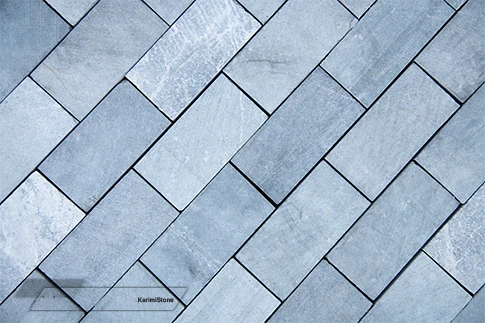
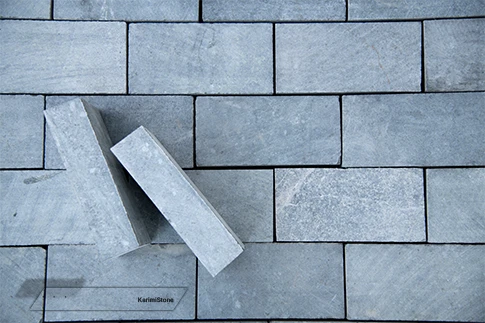
Black natural stone adapts well to both interior and exterior environments. In exterior applications, it provides a bold, contemporary façade with strong resistance to weather and wear. In interior spaces, black stone introduces depth, contrast, and luxury, especially when combined with lighter materials or warm lighting.
With a variety of finishes and formats available, black stone can be tailored to suit different architectural styles and functional requirements. This versatility makes it one of the most powerful and expressive color choices in natural stone design.