



Select your preferred language
Share With
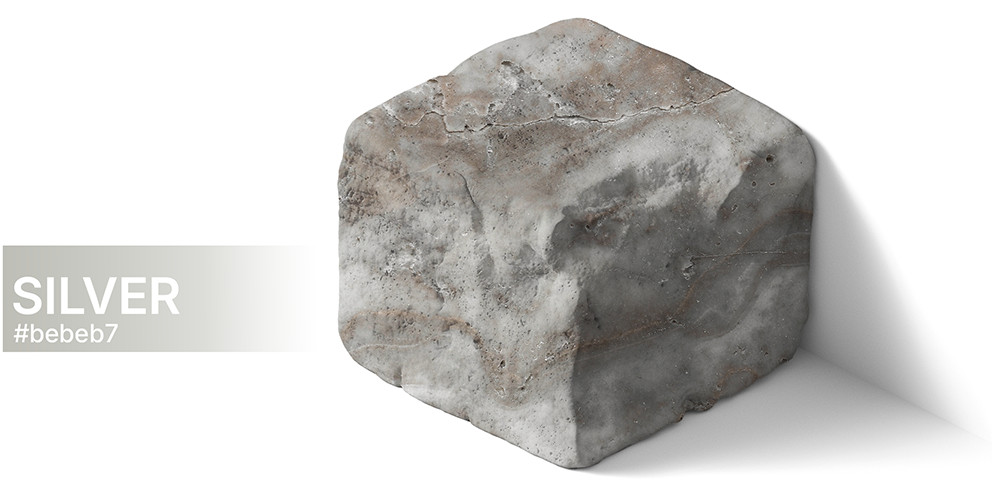
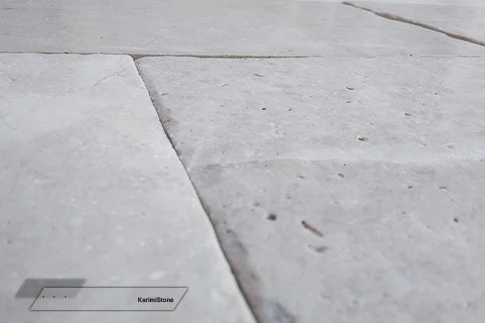
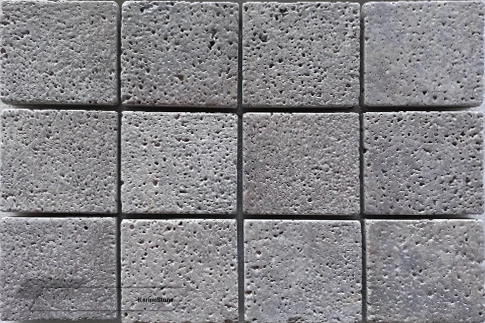
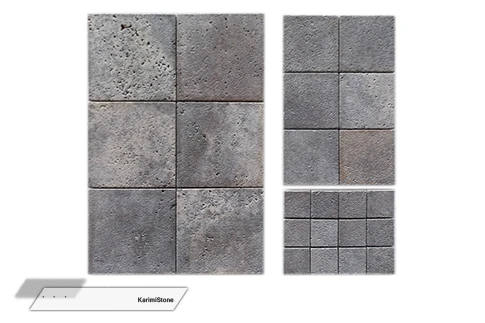
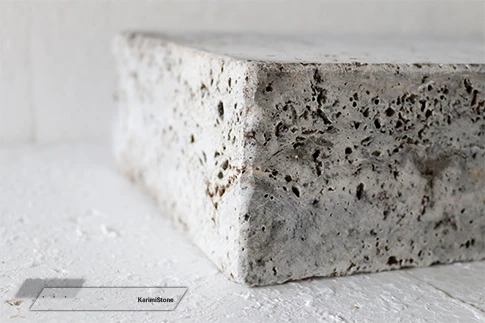
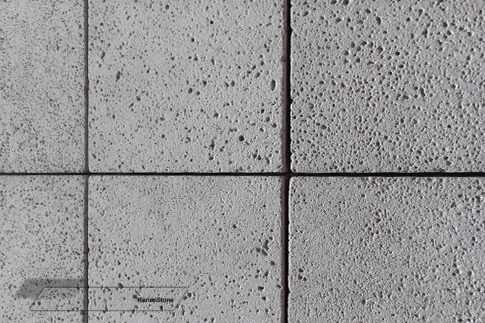
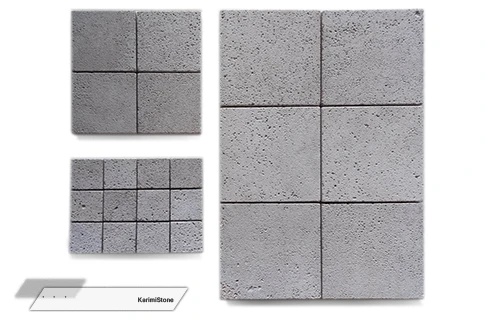
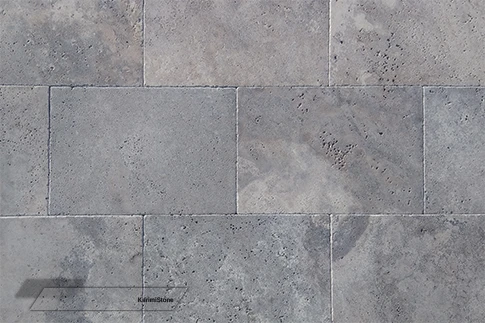
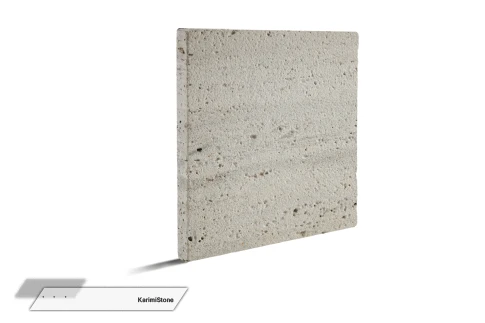
Silver natural stone embodies cool sophistication, modern elegance, and subtle shimmer in architectural materials. This metallic-neutral tone—ranging from light shimmering silver-grey to deeper metallic silver with subtle undertones—appears prominently in varieties such as travertine (e.g., Silver Travertine), marble (e.g., Silver Grey or Tundra Grey variants), and occasionally limestone. Formed through sedimentary and metamorphic processes, silver hues result from low-impurity calcium carbonate combined with mica, quartz, or trace minerals that create a luminous, reflective quality. Silver stones deliver a refined, contemporary feel, reflecting light beautifully while providing versatility and timeless appeal for minimalist, luxury, or industrial-inspired designs in interior and exterior applications.
✓


✓
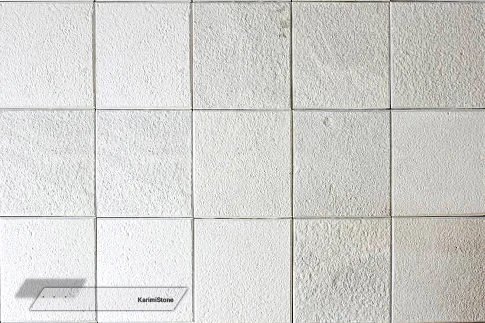


✓
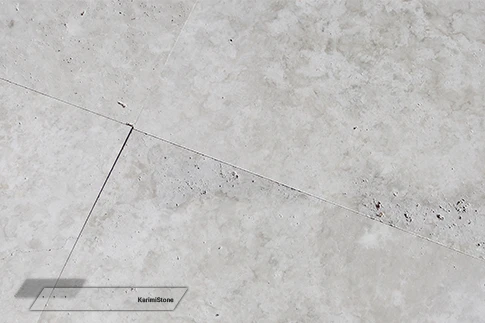
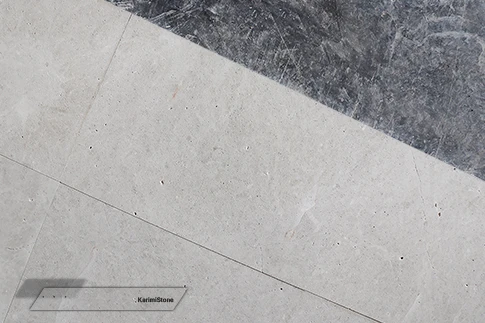
✓
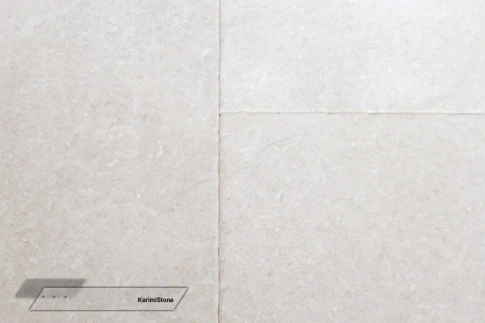
✓


✓

✓
✓
✓

✓
✓
✓
✓
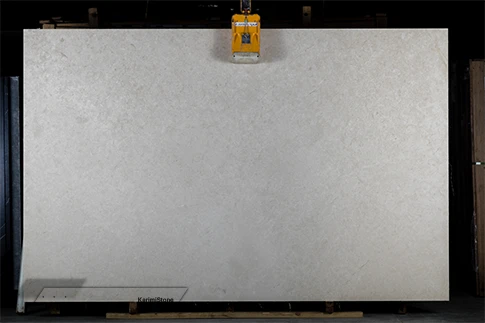
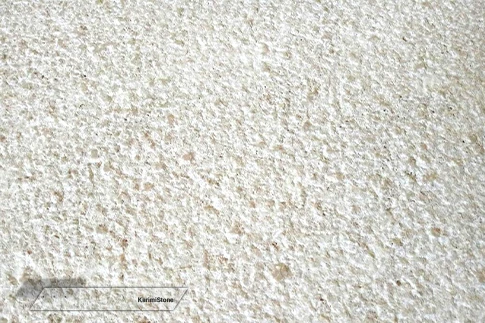
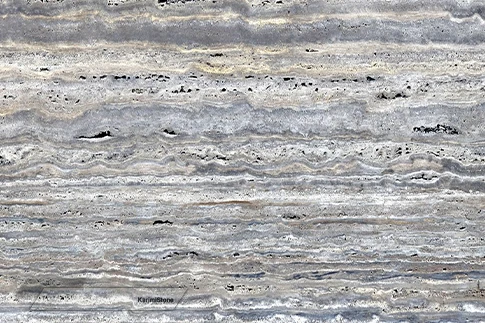
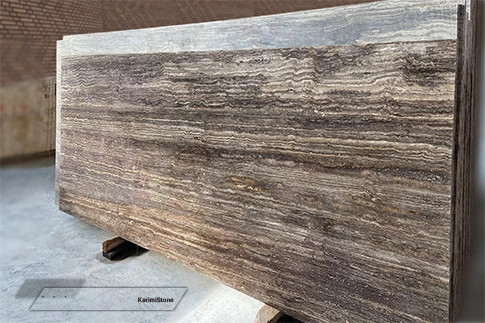
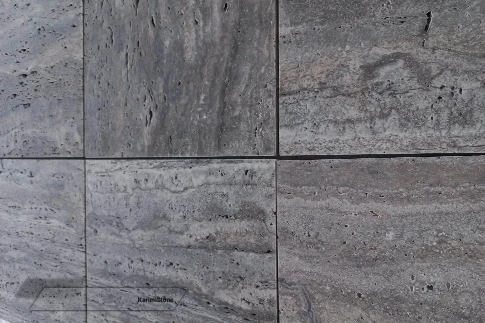
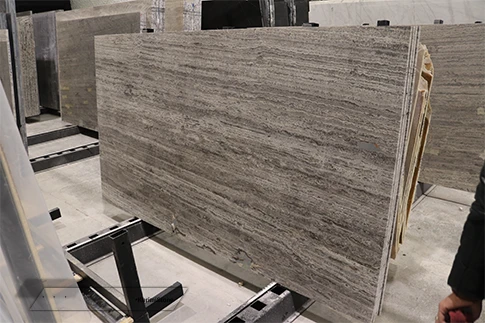
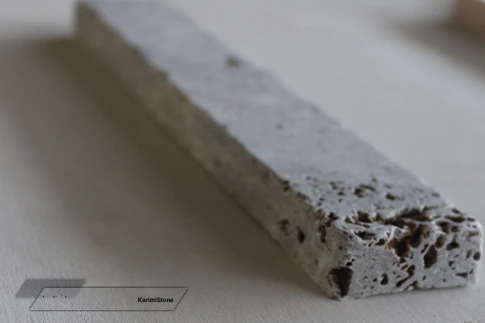
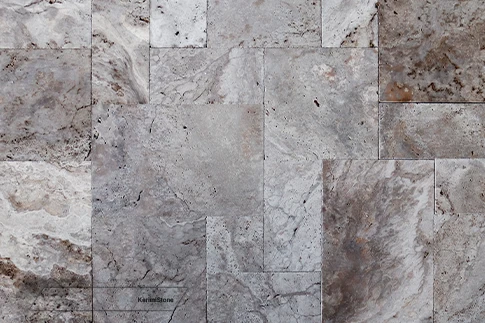
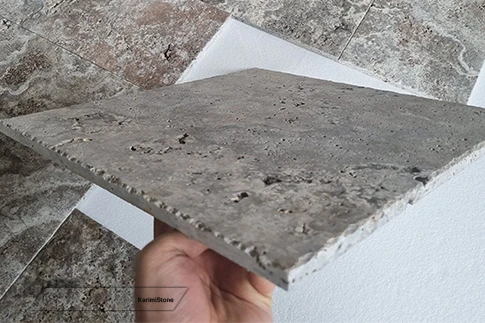
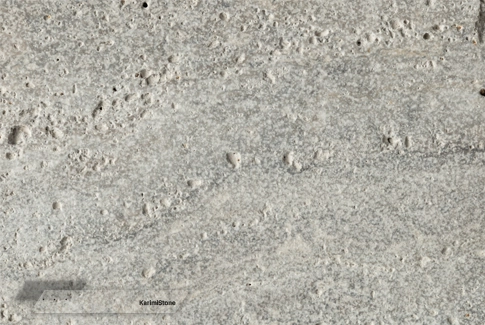
Silver natural stones primarily originate from sedimentary travertine and limestone, with metamorphic marble. Travertine forms as calcium carbonate precipitates from mineral-rich waters around hot springs or geothermal areas, developing porous layers; silver tones emerge when impurities are minimal, often with mica or quartz inclusions for a metallic sheen, and subtle grey-beige bands from natural deposition. Limestone accumulates from marine sediments, gaining silver-grey from low iron and high purity with clay or carbon traces. Marble recrystallizes under heat and pressure from limestone, achieving silver coloration through fine mica flecks or mineral alignments that produce shimmering effects and linear veining. In popular types like Silver Travertine from Turkey or Rapolano Silver, these processes yield horizontal bands of silver-grey with occasional beige or cream accents. Each slab’s reflective quality and patterns reflect natural mineral balance and quarry variations.
Silver natural stones excel in projects seeking sleek refinement, light enhancement, and understated drama, commonly used in residential and commercial settings.
Silver natural stones—including travertine like Silver Travertine and marble variants with silver-grey tones—are favored in designs emphasizing contemporary luxury, minimalism, and luminous sophistication. Silver travertine brings textured elegance with its banded patterns to floors, walls, and outdoor patios, while silver-grey marble adds polished refinement to kitchens, bathrooms, and high-end interiors. These stones enhance natural light, creating calm, expansive atmospheres in homes, hotels, spas, and commercial projects. With proper sealing and maintenance, silver stones preserve their shimmering tones, resist staining, and age with graceful patina—making them ideal for spaces where cool modernity meets enduring, elegant beauty.