


Select your preferred language
Share With
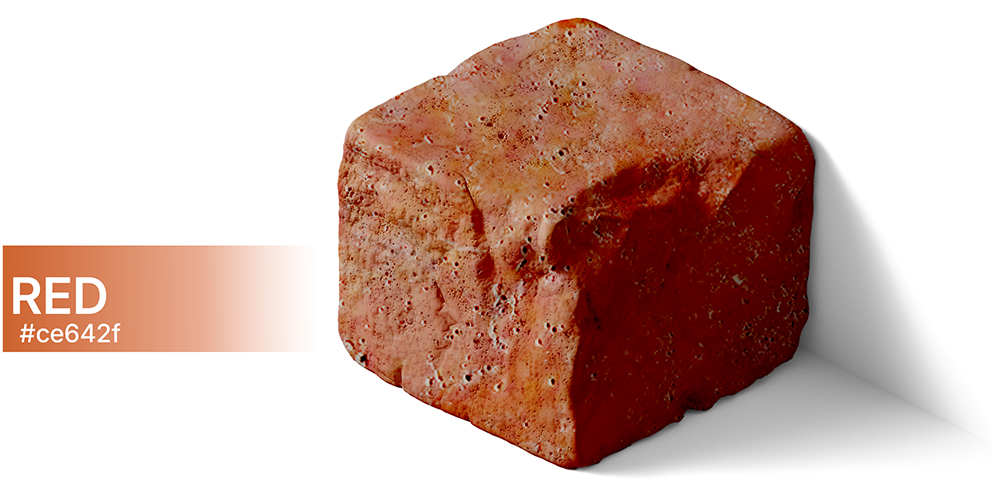
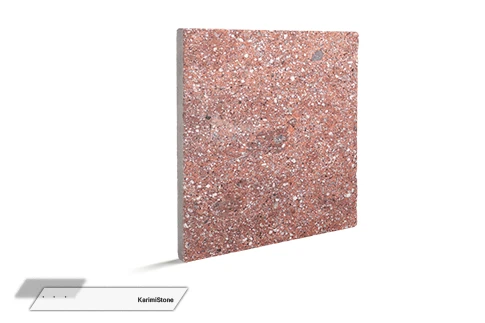
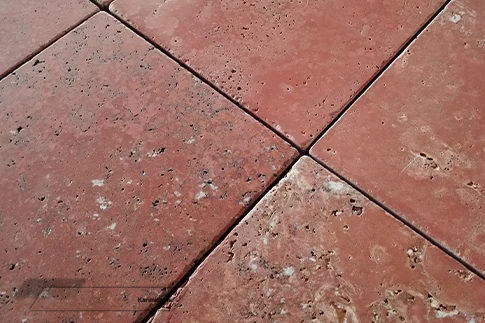
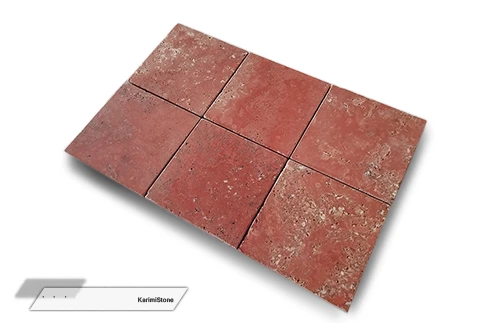
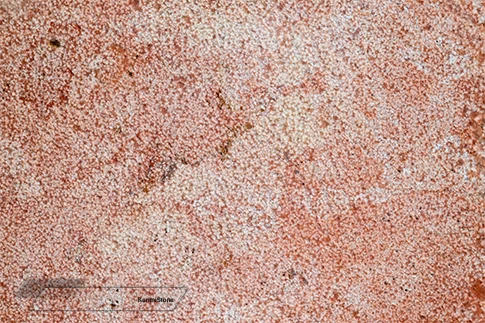
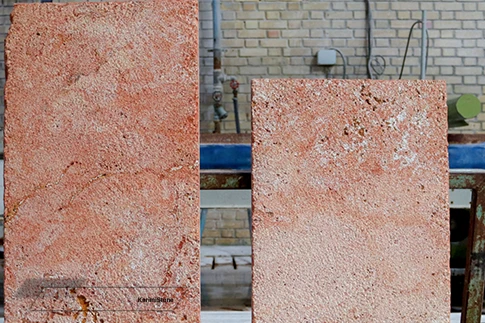
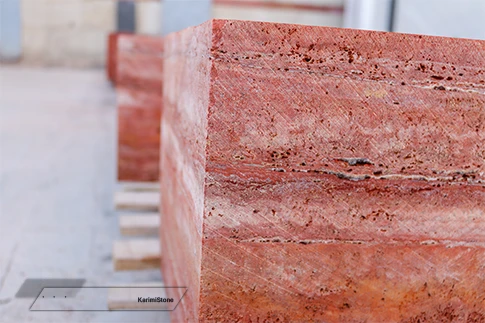
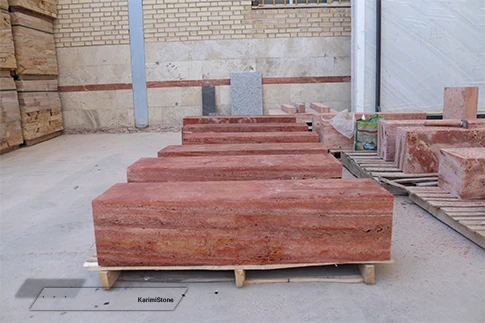
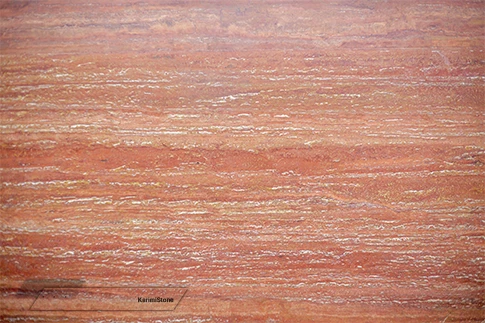
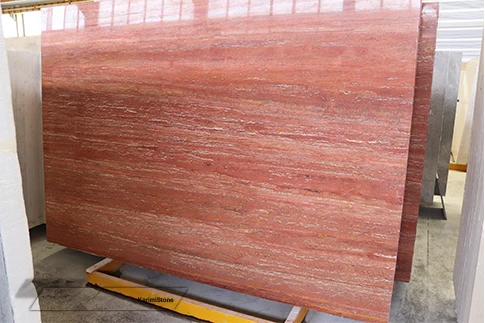
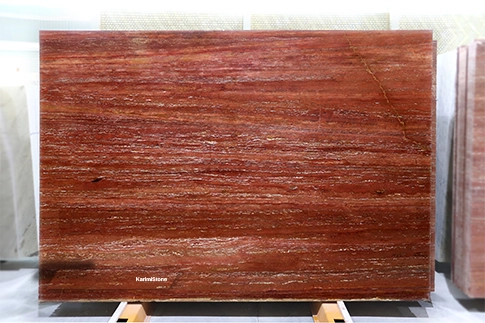
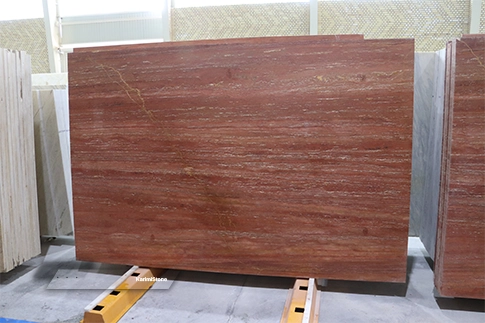
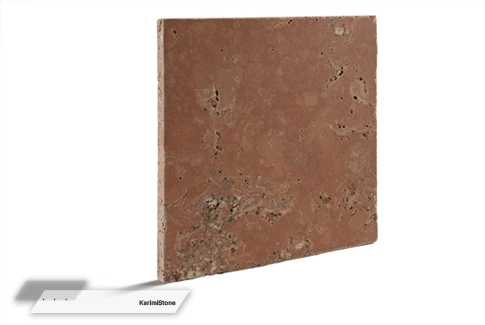
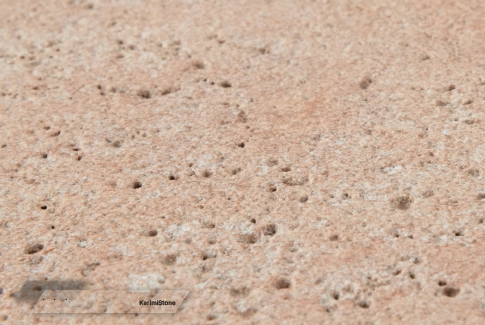
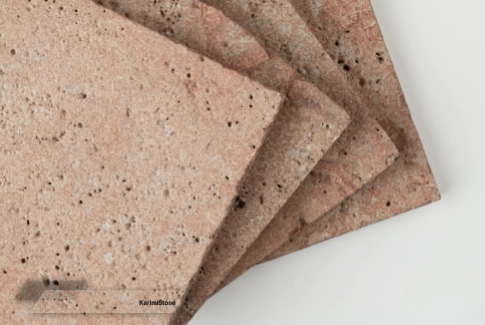
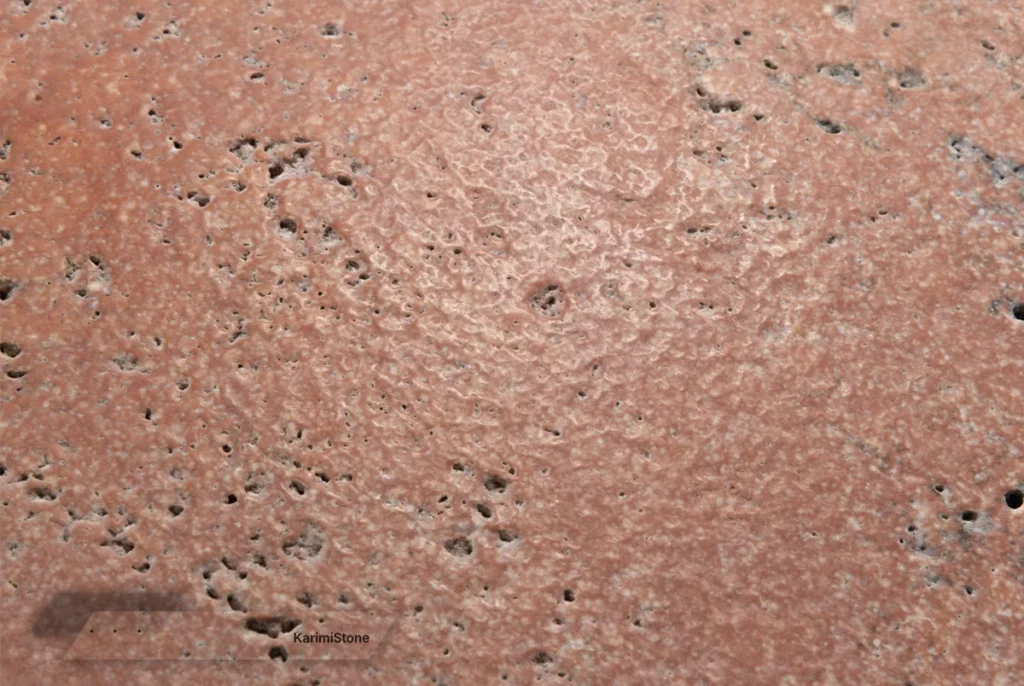
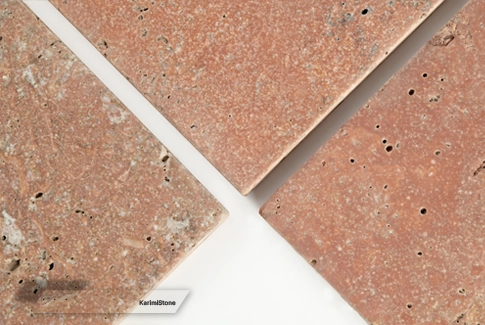
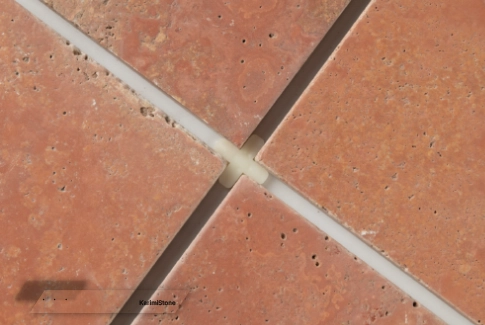
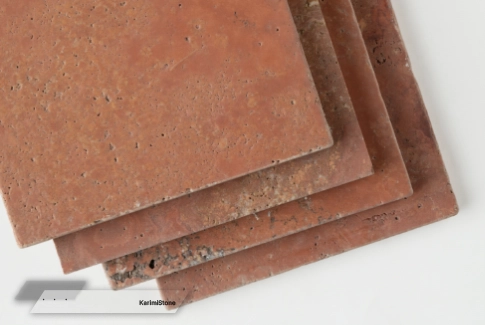
Red natural stone conveys passion, energy, and dramatic elegance in architectural materials. This bold, warm tone—ranging from deep rust and terracotta to vibrant brick-red and sienna shades—appears prominently in varieties such as travertine (e.g., Persian Red or Soraya), marble (e.g., red varieties with veining), and some limestones. Formed through sedimentary and metamorphic processes, red hues primarily result from iron oxides like hematite or limonite. Red stones create striking focal points, infusing spaces with warmth and intensity for luxurious, statement-making designs in interior and exterior applications.
✓

✓


✓

✓

✓
✓

✓
✓

✓

✓
✓
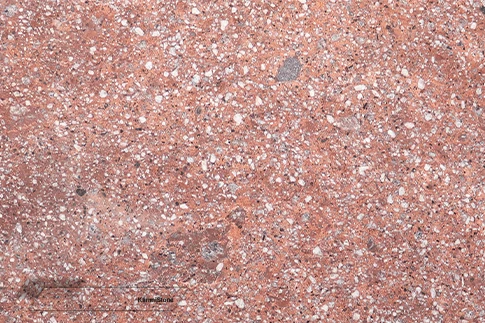
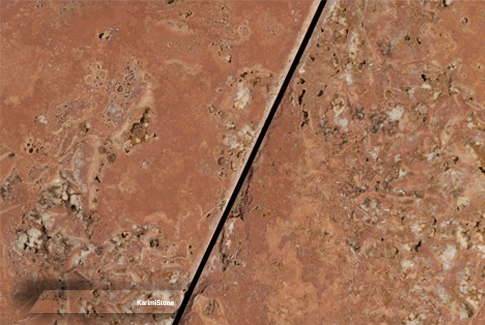
Red natural stones mainly derive from sedimentary rocks like travertine and limestone, with metamorphic marble in some cases. Travertine forms as calcium carbonate precipitates from mineral-rich waters around hot springs or limestone caves, developing porous layers; red coloration arises from iron oxides (hematite or limonite) incorporated during deposition, often yielding rusty terracotta tones with yellowish or darker veining in varieties like Persian red travertine. Limestone accumulates from marine sediments, gaining red shades from iron oxide impurities or hematite when exposed to oxygen-rich conditions. Marble recrystallizes from limestone under heat and pressure, inheriting red tones from original iron-rich sediments that form veining during metamorphism. Each slab’s vivid intensity and patterns reflect natural mineral content, oxidation levels, and quarry-specific conditions.
Red natural stones suit projects needing visual impact, warmth, and luxury, commonly used in residential, commercial, and select outdoor settings.
Red natural stones—including travertine like Persian Red, red marble varieties, and select limestones—are chosen for designs emphasizing drama, warmth, and sophisticated impact. Red travertine brings rustic Mediterranean vibrancy to patios, pools, and interiors, while red marble adds polished luxury to kitchens, bathrooms, and high-end feature walls. These stones create passionate, inviting atmospheres in homes, hotels, restaurants, and spas, standing out against neutral backdrops. With proper sealing and maintenance, red stones retain their rich hues, resist wear in appropriate settings, and age with character—making them perfect for projects seeking energetic, elegant, and naturally bold environments.