Top Product




Select your preferred language
Share With
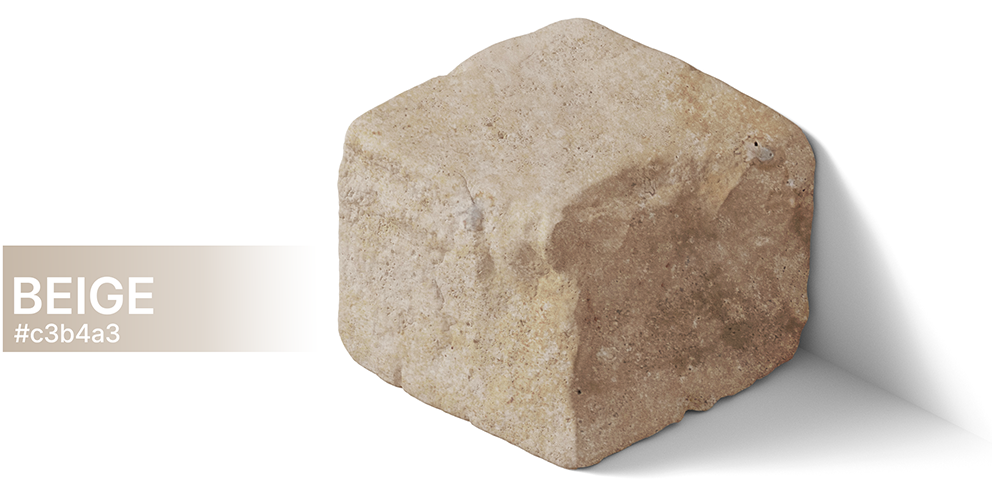
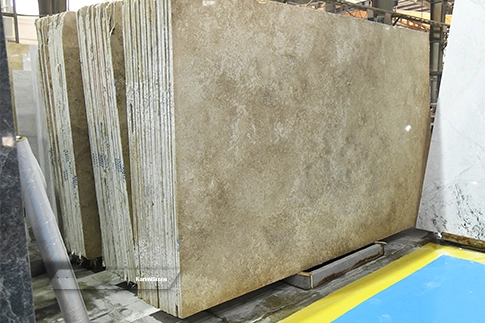
Beige remains one of the most dominant and sought-after natural stone color families in 2026 architecture and interior design. This warm, balanced neutral tone continues to lead global trends, appearing in high-end residential, hospitality, commercial, and public projects worldwide. Beige stone creates inviting, serene, and sophisticated spaces that feel grounded in nature while adapting effortlessly to both minimalist and organic-modern aesthetics.
✓

✓

✓


✓


✓
✓
✓
✓
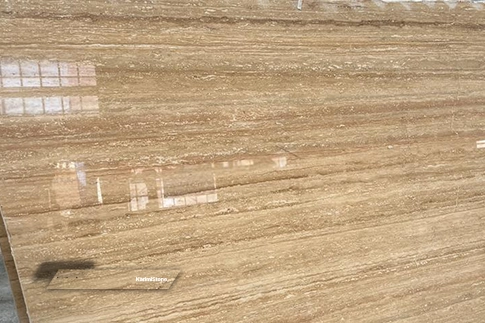
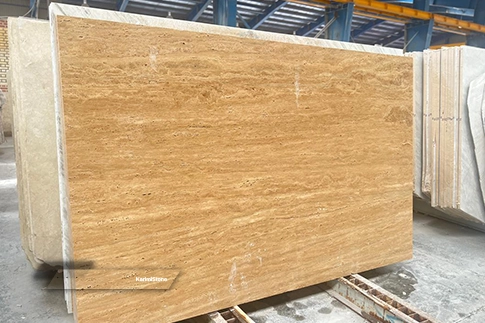
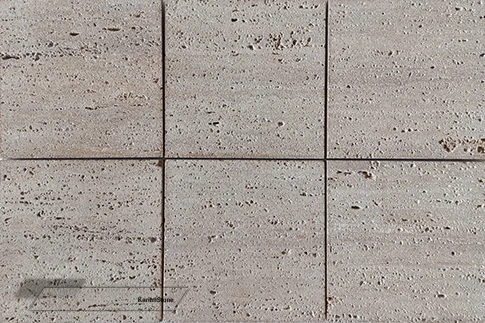
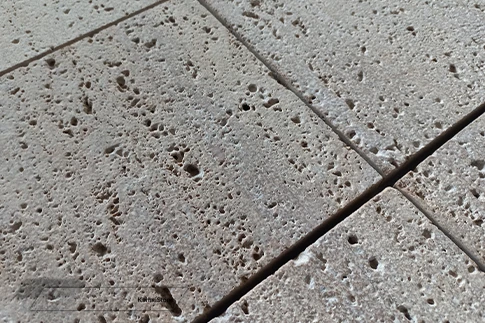
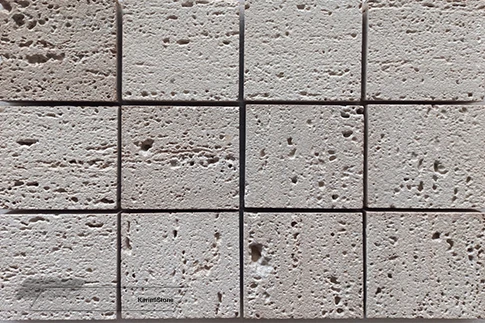
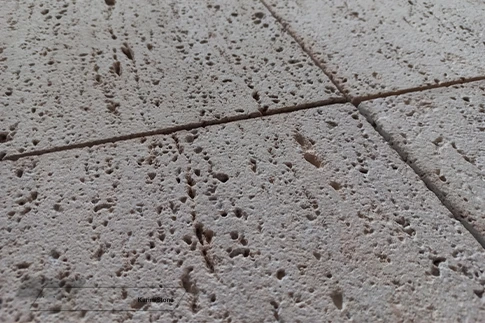
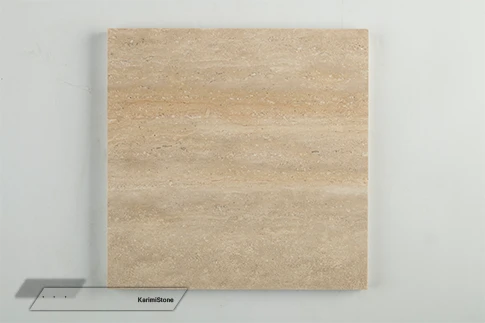
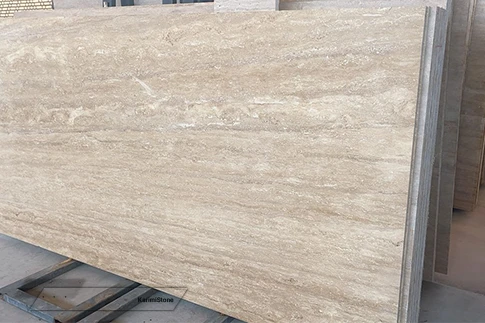
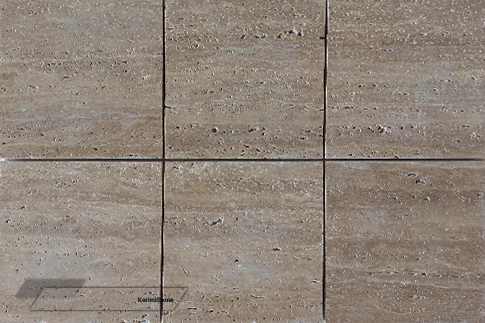
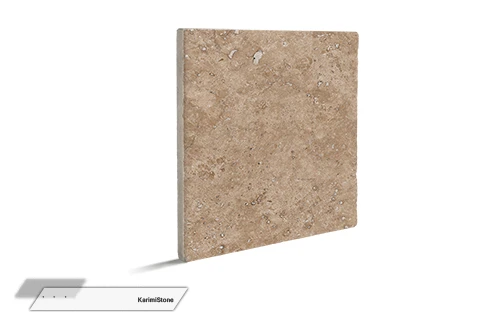
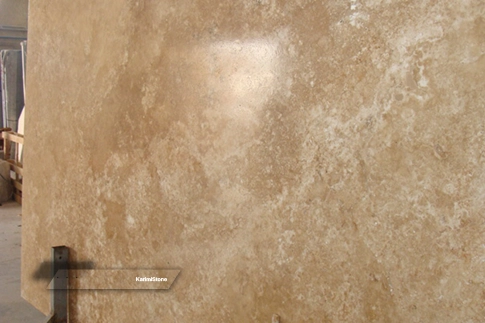
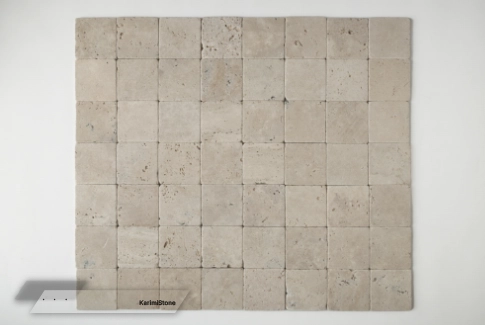
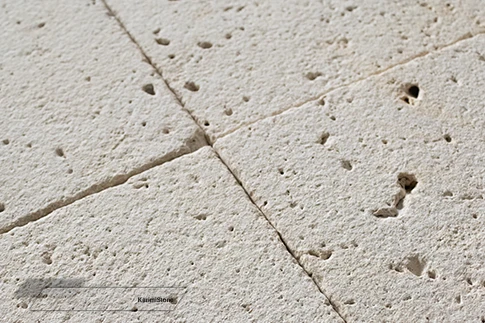
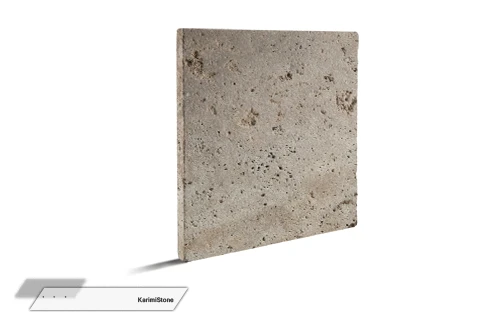
✓ Beige Travertine Vein Cut Polished is a refined natural stone that showcases linear patterns of cream and…
✓
✓
In 2026, beige tones — from soft sand and creamy latte to warm taupe and golden sand — dominate as the foundational palette for luxury interiors. Designers favor beige for its exceptional light adaptability, subtle elegance, and ability to harmonize with wood, metal, glass, textured fabrics, and warmer accent materials. It delivers quiet luxury without overwhelming, making it ideal for façades, large flooring expanses, wall cladding, staircases, countertops, and landscaping elements.
Beige’s enduring popularity stems from its timeless appeal and perfect alignment with current earth-inspired neutrals trends, where authenticity, tactility, and connection to natural geological origins take center stage.
The characteristic beige hue in natural stone arises primarily from low to moderate concentrations of iron oxides (such as limonite and hematite), along with magnesium, manganese, and other trace minerals that interact with calcium carbonate during sedimentary deposition or metamorphic processes. Over millions of years, mineral-rich groundwater and oxidation gently tint the stone, producing subtle warm variations without dramatic veining or stark contrast.
In sedimentary rocks like limestone and travertine, beige develops through gradual accumulation of calcium carbonate mixed with iron-bearing clays and organic residues. In metamorphic marble, the same warm base persists as limestone recrystallizes under heat and pressure, preserving the soft, earthy pigment. This natural formation process guarantees gentle tonal shifts, organic textures, and authentic character in every slab or tile — ensuring visual consistency across large projects while celebrating unique geological storytelling.
Beige appears across multiple natural stone families, each offering distinct technical properties, textures, and finish possibilities while maintaining color harmony.
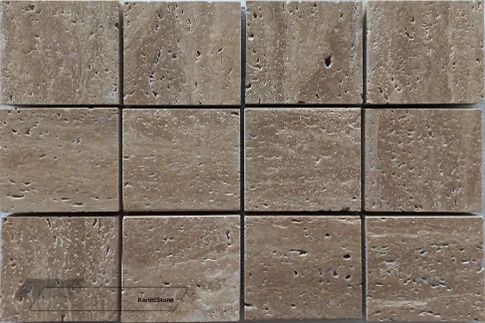
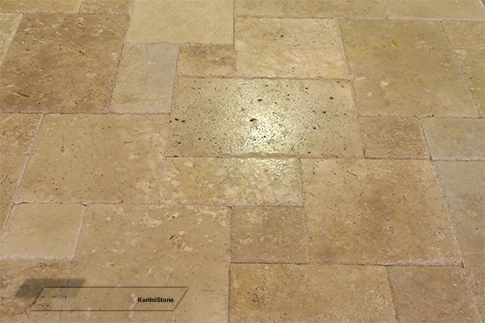
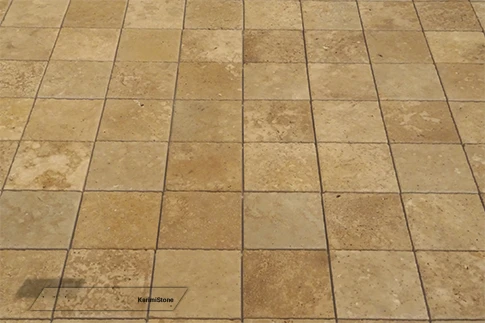
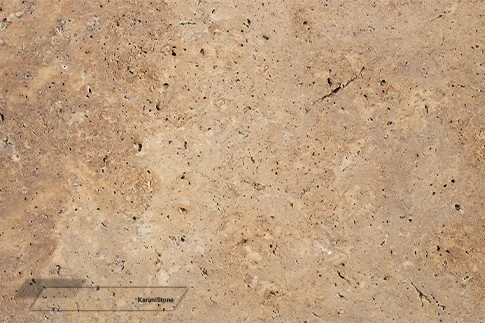
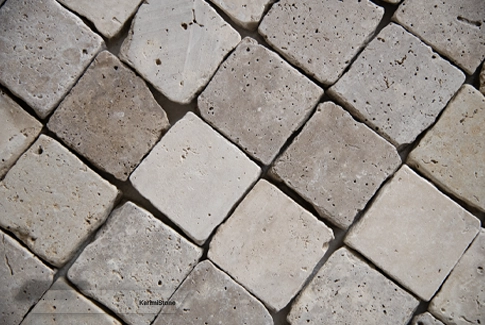
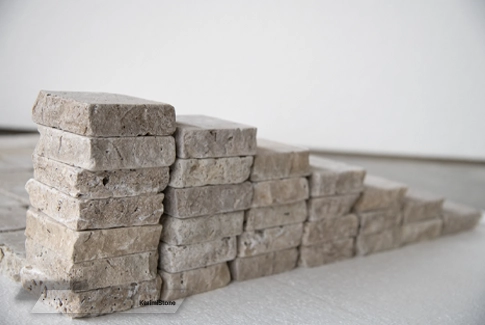
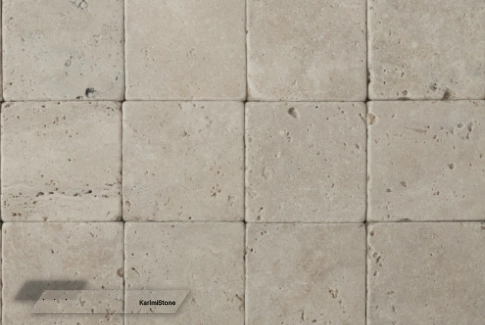
Renowned for its layered sedimentary structure, natural pores, and warm, sunlit appearance. In 2026, beige travertine (latte, classic, noce light) is a top choice for Mediterranean-inspired luxury, exterior façades, pool surrounds, and tactile flooring. Popular finishes include honed, tumbled, brushed, and unfilled for organic authenticity.
Features a denser, crystalline matrix with subtle veining or cloud-like patterns. Beige marbles (Crema Marfil, Diana Royal, Botticino, Persian Cream) deliver refined elegance for interior flooring, wall cladding, staircases, bathrooms, and statement countertops. Polished and honed finishes highlight depth and sophistication.
Offers uniform texture, soft matte appearance, and excellent light diffusion. Beige limestones (Jerusalem Gold, Indiana, Sinai Pearl, Pietra Bicci) excel in large-scale façades, urban projects, hospitality lobbies, and minimalist interiors where visual calm and consistency are essential.
Less common but highly durable options with speckled or veined patterns. Beige-toned granites and quartzites provide superior strength, low absorption, and abrasion resistance — perfect for heavy-traffic commercial floors, exterior paving, and high-end kitchen islands in 2026 designs.
Thanks to its versatility across stone types, beige excels in diverse architectural roles:
Beige allows seamless color continuity throughout multi-material projects while selecting the optimal stone for each functional zone.
In 2026, beige natural stone embodies the shift toward warmer, more tactile, and authentic neutrals. Exterior applications benefit from its UV-stable warmth and welcoming façade presence, while interiors gain serene, elegant backdrops that enhance wellbeing and longevity.
With finishes ranging from polished luxury to rugged tumbled authenticity, brushed subtlety, sandblasted grip, or flamed exterior durability — beige stone adapts to every climate, lighting condition, and architectural vision. Its prominence in current trends (warm taupes, sands, café-au-lait tones) confirms beige as a cornerstone of sophisticated, nature-connected design for years to come.