


Select your preferred language
Share With
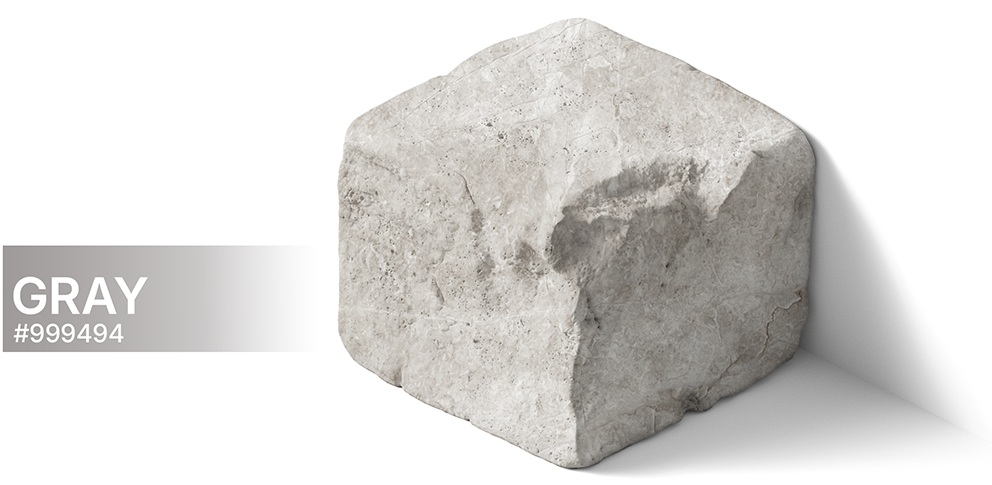
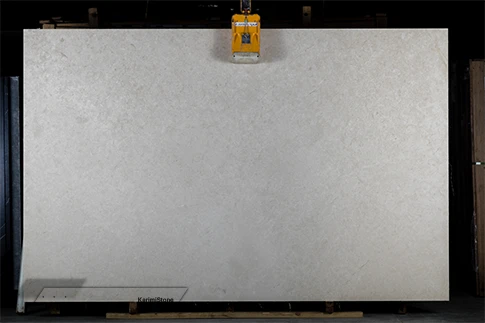
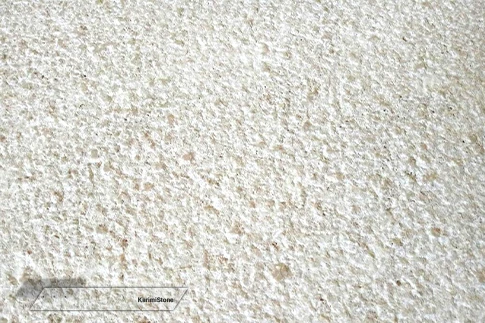
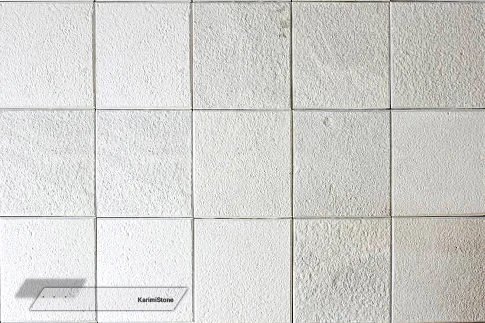
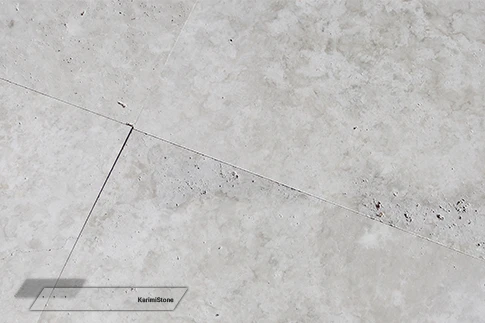
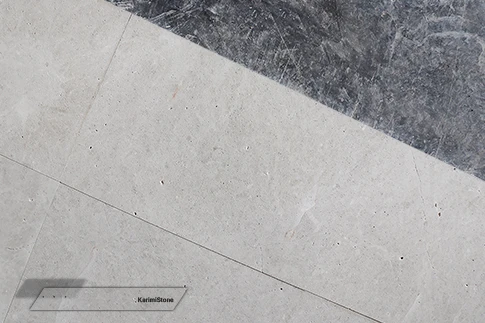
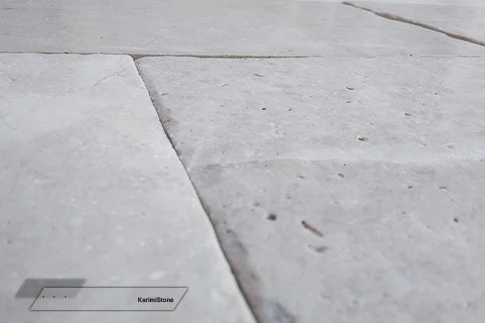
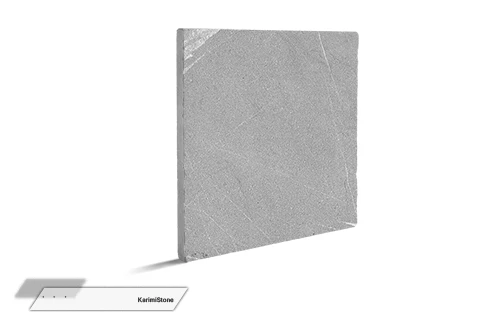
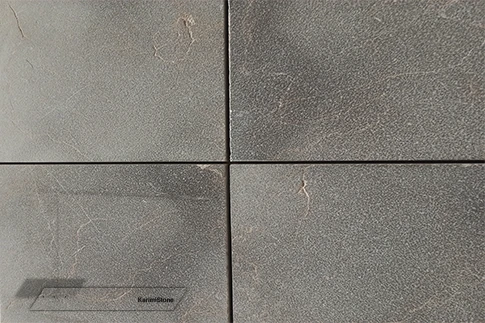
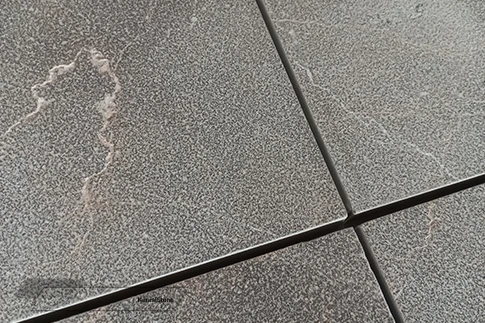
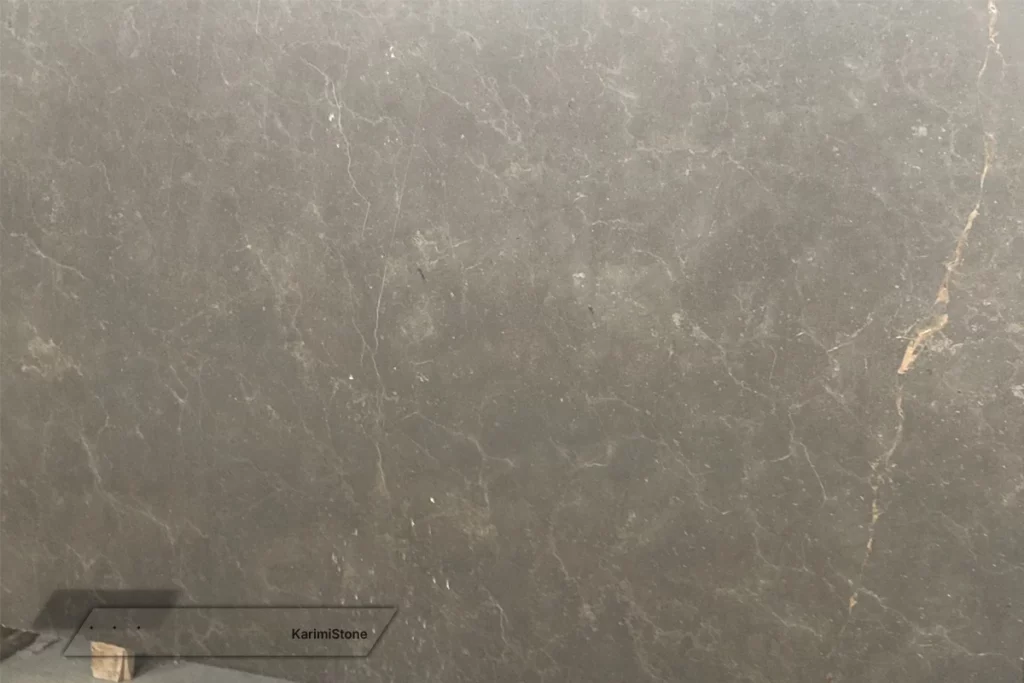
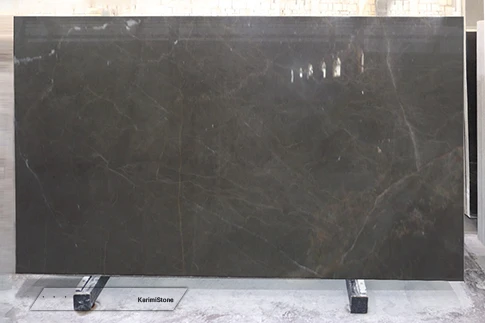
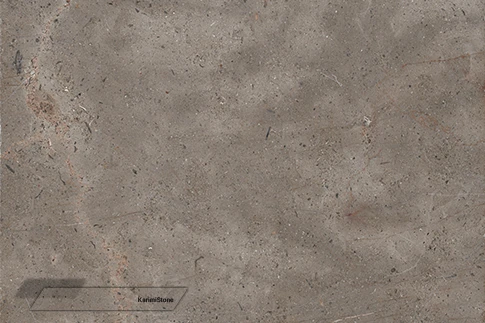
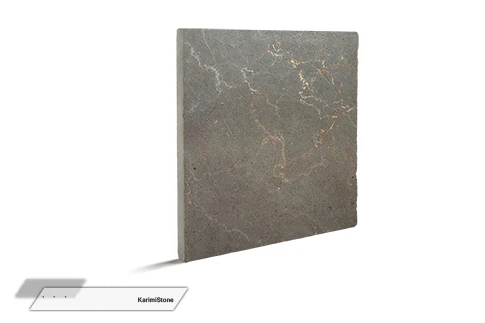
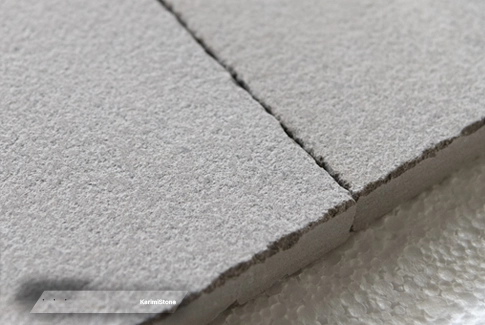
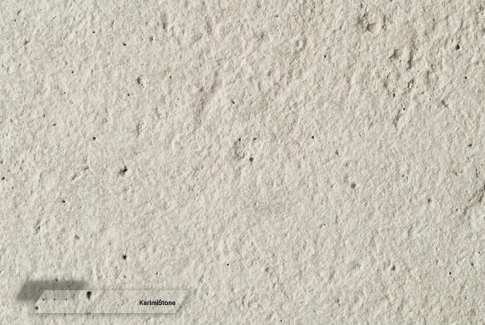
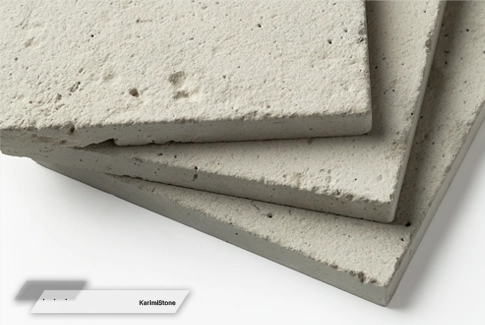
Grey natural stone represents sophistication, modernity, and understated elegance in architectural materials. This versatile neutral tone—ranging from cool light silver-grey to deep charcoal and subtle blue-grey—appears in varieties such as marble, limestone, travertine, and occasionally granite or slate. Formed through sedimentary, metamorphic, or igneous processes, grey hues often result from minerals like quartz, feldspar, mica, or trace carbon and clay impurities. Grey stones provide timeless balance, creating calm, contemporary spaces while offering excellent durability and adaptability for both interior and exterior applications.
✓



✓


✓


✓
✓

✓

✓
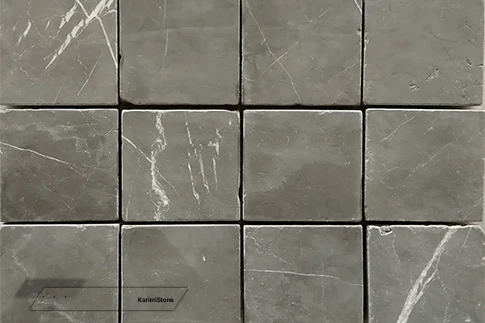
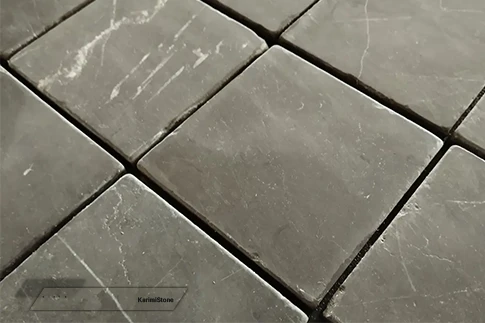

✓
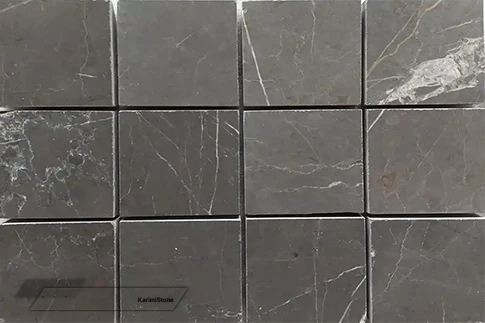
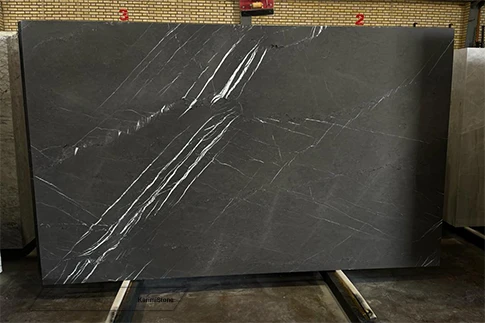
✓
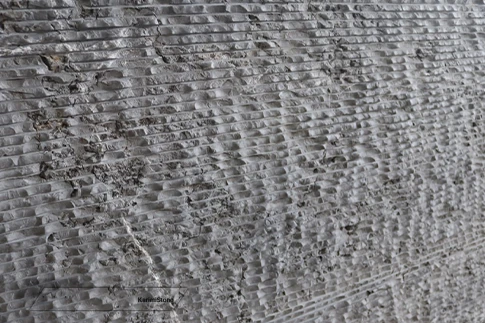
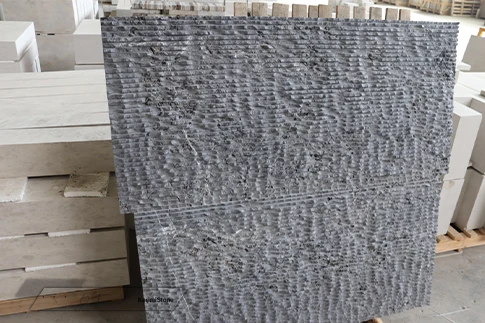
✓
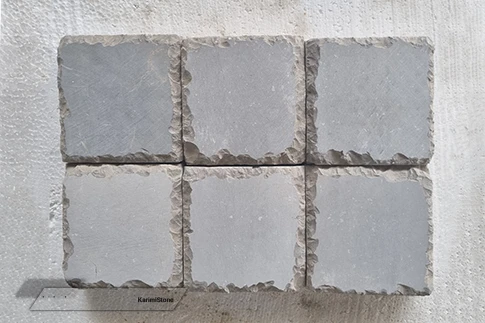
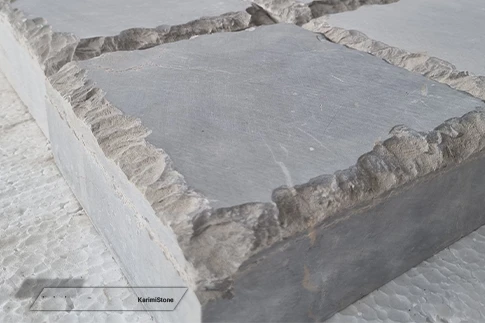
✓
✓
✓
✓
✓
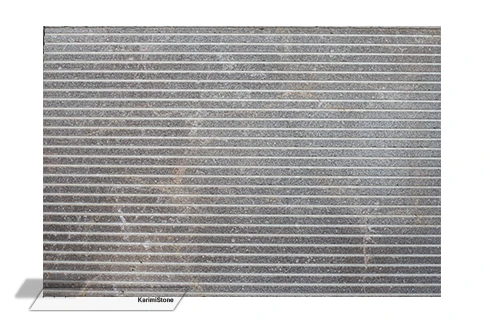
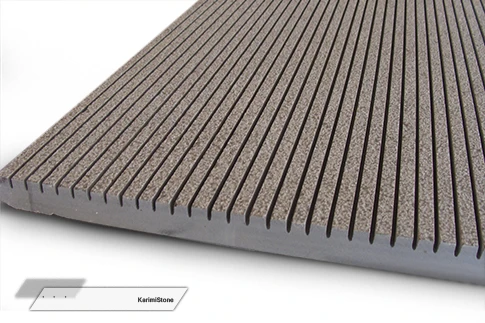
✓

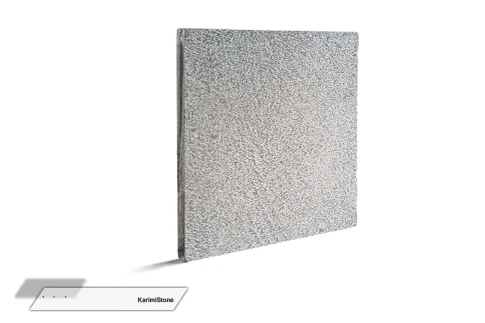
✓
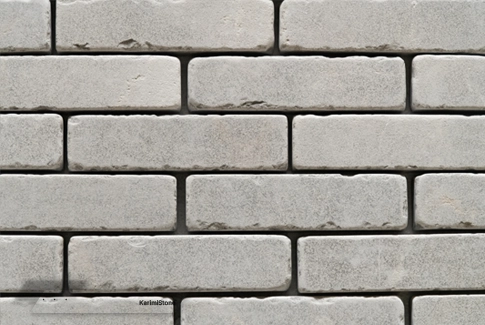
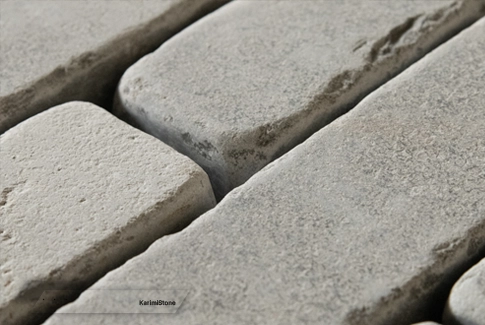
✓
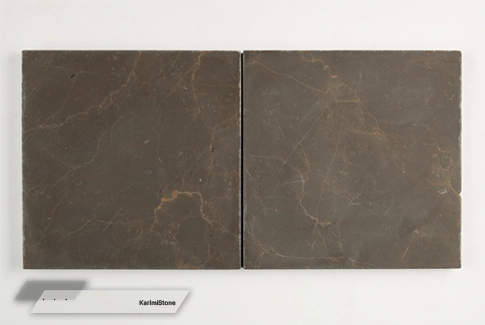
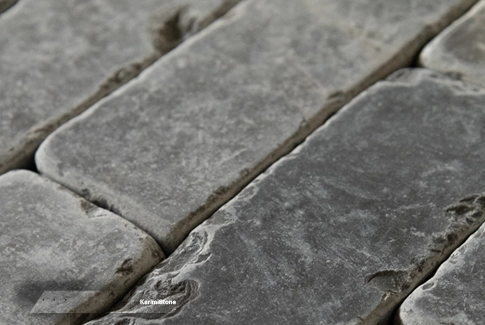
✓
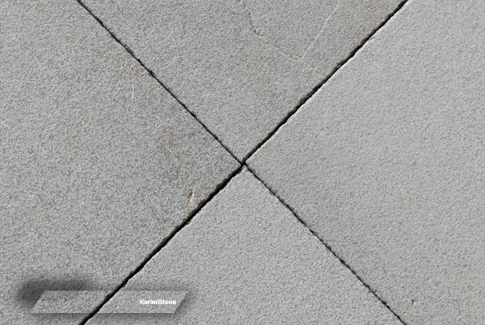
✓
✓
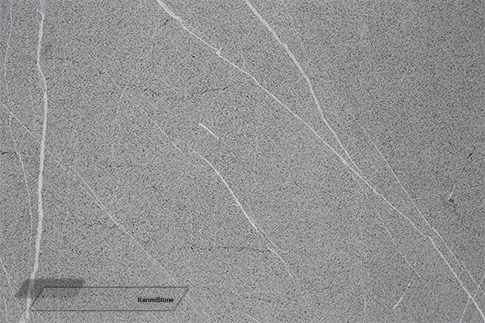
Grey natural stones primarily originate from sedimentary rocks like limestone and travertine, metamorphic marble, and some igneous granites. Limestone forms from compacted marine sediments rich in calcium carbonate, with grey tones from clay minerals, organic matter, or carbon inclusions during deposition. Travertine, a banded limestone variant, precipitates from mineral-rich waters around springs, showing grey when low in iron oxides and higher in neutral impurities. Marble develops when limestone recrystallizes under heat and pressure, retaining grey from original clay layers or swirled mineral impurities that become distinctive veining. In granite, grey arises from abundant quartz and feldspar crystals, often with mica flecks creating speckled effects. The specific shade and patterns in each slab reflect natural variations in mineral content, impurities, and formation conditions.
Grey natural stones excel in projects seeking modern refinement, neutrality, and longevity, widely used in residential, commercial, and outdoor settings.
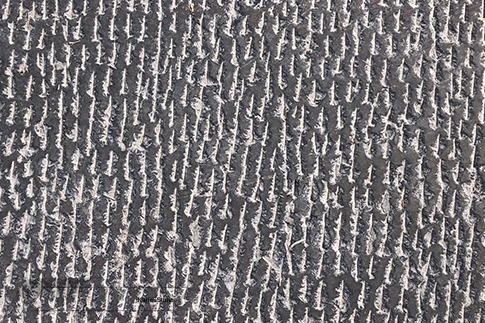
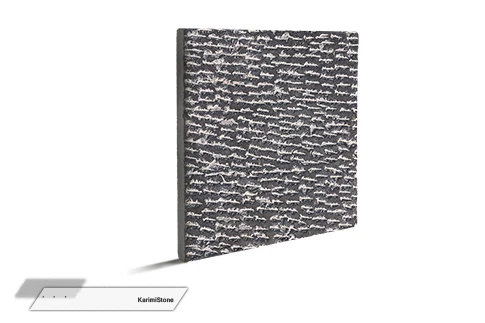
Grey natural stones—including marble, limestone, travertine, and granite—are favored in designs emphasizing clean lines, minimalism, and enduring style. Grey marble brings luxurious veining to high-end kitchens and bathrooms, while grey limestone and travertine add subtle texture to Mediterranean or modern exteriors like patios and facades. These stones perform reliably indoors and out, with granite offering superior hardness for heavy-use areas. Properly sealed and maintained, grey stones resist staining, retain their cool tones, and develop a beautiful patina over time—making them perfect for homes, offices, hotels, and commercial projects where refined, balanced, and contemporary ambiance is key.